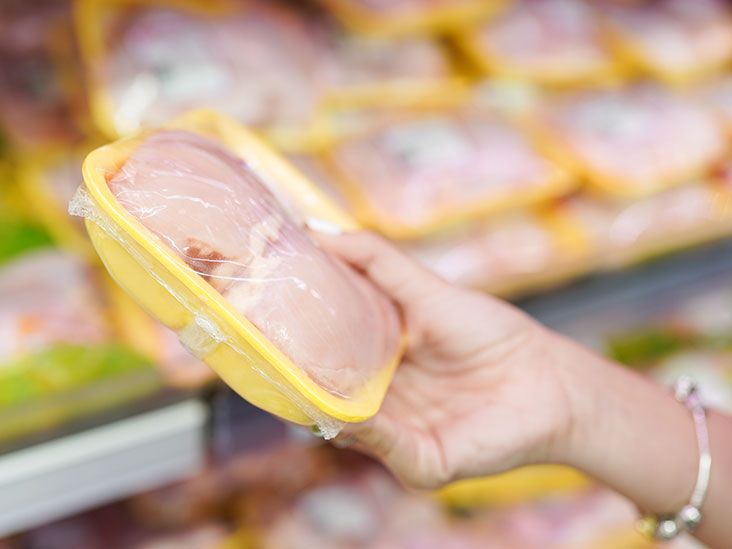
Eating raw chicken is not a culinary adventure. It is not “farm-to-table.” It is not “extra tender.” It is more like inviting bacteria to throw a tiny but chaotic house party in your intestines. While some foods can be served rare or lightly cooked, chicken is not one of them. Raw or undercooked chicken can carry harmful germs, including Salmonella and Campylobacter, two of the most common causes of food poisoning linked to poultry.
The good news? Most cases of foodborne illness improve with rest, fluids, and time. The better news? You can prevent many raw chicken disasters by cooking poultry properly, avoiding cross-contamination, and treating your cutting board like a crime scene until it has been cleaned. This guide explains the risks of eating raw chicken, what symptoms to watch for, how food poisoning is treated, and the best safety tips for cooking chicken confidently at home.
Why Eating Raw Chicken Is Risky
Raw chicken may look harmless, especially if it is fresh, neatly packaged, and sitting politely in the refrigerator. Unfortunately, harmful bacteria do not announce themselves with a tiny red flag. Chicken contaminated with foodborne germs can look, smell, and feel completely normal.
The biggest concern is that raw chicken may contain bacteria that can cause food poisoning. These germs can live on the meat, in the juices, on the packaging, and on anything the raw chicken touches. That means your hands, knife, sink, countertop, phone, spice jars, and the innocent salad waiting nearby can all become part of the contamination chain.
Common Germs Found in Raw Chicken
The two most common bacteria associated with raw or undercooked chicken are Salmonella and Campylobacter. Both can cause diarrhea, stomach cramps, fever, nausea, vomiting, and dehydration. In some cases, symptoms can be severe enough to require medical care.
Salmonella symptoms often appear anywhere from several hours to several days after eating contaminated food. Illness may include diarrhea, fever, stomach cramps, vomiting, and sometimes bloody diarrhea. Most people recover without antibiotics, but serious infections can happen, especially in high-risk groups.
Campylobacter is also strongly linked to raw and undercooked poultry. Symptoms commonly start a few days after exposure and may include diarrhea, fever, stomach cramps, nausea, and vomiting. The illness often lasts about a week, which is a very long time when your bathroom has become your new office.
What Happens If You Eat Raw Chicken?
If you accidentally ate raw chicken, do not panic. Panic will not cook the chicken retroactively, and it will not help your stomach. Instead, pay attention to how much you ate, whether the chicken was truly raw or just slightly undercooked, and how you feel over the next several hours and days.
Some people may not get sick at all. Others may develop food poisoning symptoms. The amount of bacteria present, your immune system, your age, your overall health, and how much raw chicken you consumed can all affect your risk.
Possible Symptoms After Eating Raw Chicken
Symptoms of food poisoning from raw chicken may include:
- Diarrhea, which may sometimes be bloody
- Stomach cramps or abdominal pain
- Nausea
- Vomiting
- Fever or chills
- Headache or body aches
- Fatigue and weakness
- Signs of dehydration, such as dry mouth, dizziness, or reduced urination
Symptoms may start within hours, but they can also take several days to appear. This is why people often blame the last thing they ate, even when the culprit was yesterday’s questionable chicken sandwich. Foodborne illness is sneaky like that.
When to Seek Medical Help
Many mild cases of food poisoning can be managed at home. However, some symptoms are red flags. Call a healthcare professional or seek urgent medical care if you experience severe symptoms after eating raw or undercooked chicken.
Warning Signs That Need Medical Attention
Get medical help if you have:
- Bloody diarrhea
- Diarrhea lasting more than three days
- A fever higher than 102°F
- Repeated vomiting that prevents you from keeping liquids down
- Signs of dehydration, including dizziness, dry mouth, extreme thirst, or little urination
- Severe abdominal pain
- Confusion, weakness, or unusual drowsiness
Infants, young children, pregnant people, older adults, and people with weakened immune systems should be especially careful. Food poisoning can become serious more quickly in these groups, and dehydration can develop faster than expected.
Treatment After Eating Raw Chicken
There is no magic “undo” button after eating raw chicken. The main treatment is supportive care: fluids, rest, and monitoring symptoms. In most cases, the body clears the infection on its own. Your job is to stay hydrated and avoid making things worse.
Drink Fluids Slowly and Often
Vomiting and diarrhea can cause dehydration. Sip water, oral rehydration solution, broth, or an electrolyte drink. Small, frequent sips are better than chugging a giant glass of water, which may upset your stomach and send you sprinting back to the bathroom.
Eat Bland Foods When You Can
Once vomiting slows down and your appetite returns, try bland foods such as bananas, rice, applesauce, toast, crackers, soup, potatoes, or plain noodles. Avoid greasy meals, alcohol, and heavy dairy until your stomach stops behaving like a dramatic reality show contestant.
Use Anti-Diarrheal Medicine Carefully
Some over-the-counter medicines may help with diarrhea, but they are not always appropriate. Avoid anti-diarrheal medication if you have bloody diarrhea, a high fever, or diarrhea lasting more than two days unless a healthcare professional says it is safe. In some infections, slowing diarrhea can trap bacteria in the body longer.
Antibiotics Are Not Always Needed
Most Salmonella and Campylobacter infections improve without antibiotics. Doctors may prescribe antibiotics for severe illness or for people at higher risk of complications. Do not take leftover antibiotics or borrow someone else’s prescription. That is not medicine; that is microbiological gambling.
How to Tell If Chicken Is Safely Cooked
The safest way to know chicken is done is to use a food thermometer. Chicken should reach an internal temperature of 165°F. This applies to chicken breasts, thighs, wings, drumsticks, ground chicken, casseroles with chicken, and leftovers containing chicken.
Color alone is not reliable. Chicken can look white and still be unsafe, or it can have a pinkish tint and still be fully cooked depending on factors such as bone marrow, cooking method, and meat chemistry. Clear juices are not a scientific instrument. A thermometer is.
Where to Put the Thermometer
Insert the thermometer into the thickest part of the chicken, avoiding bone, fat, and gristle. For whole birds, check the thickest part of the breast and the inner thigh. For ground chicken patties or meatballs, check the center. Wash the thermometer after each use so it does not become a bacteria delivery service.
Raw Chicken Safety Tips for the Kitchen
Preventing food poisoning starts before the chicken ever touches the pan. Good chicken safety is not complicated, but it does require consistency. Think of it as a four-step food safety routine: clean, separate, cook, and chill.
1. Do Not Wash Raw Chicken
Washing raw chicken may feel like cleaning it, but it can spread germs around the kitchen. Water can splash bacteria onto the sink, counters, utensils, and nearby foods. Cooking is what kills bacteria, not rinsing. If the chicken is wet, pat it dry with paper towels, throw the towels away, and wash your hands.
2. Keep Raw Chicken Separate
Use a separate cutting board for raw poultry. Keep raw chicken and its juices away from salads, fruits, cooked foods, bread, and anything else that will not be cooked before eating. Store raw chicken in a sealed container or leak-proof bag on the bottom shelf of the refrigerator so juices cannot drip onto other foods.
3. Wash Hands Properly
Wash your hands with soap and water for at least 20 seconds after touching raw chicken, its packaging, or anything contaminated by its juices. A quick rinse is not enough. The bacteria are not impressed by casual hand-waving under the faucet.
4. Clean and Sanitize Surfaces
After preparing raw chicken, clean cutting boards, knives, counters, and sink areas with hot soapy water. Then sanitize surfaces when appropriate, especially if raw poultry juices touched them. Replace or wash dishcloths and sponges often, because damp kitchen tools can become germ hotels.
5. Refrigerate Promptly
Do not leave raw chicken or cooked chicken sitting at room temperature for more than two hours. If the temperature is above 90°F, such as during a picnic or hot car ride, the limit drops to one hour. Refrigerators should be kept at 40°F or below, and freezers at 0°F.
What About Slightly Undercooked Chicken?
Slightly undercooked chicken can still be risky. A small pink center, rubbery texture, or cool middle may mean the chicken did not reach 165°F. If you notice this while eating, stop eating it. Put the chicken back on the heat and cook it until it reaches the proper internal temperature.
If you already swallowed a bite, monitor yourself for symptoms. One bite does not guarantee illness, but it is enough to be cautious. Clean any utensils or plates that touched the undercooked chicken before using them again.
Can Marinades, Lemon Juice, or Spices Kill Bacteria?
No, not reliably. Acidic marinades, lemon juice, vinegar, salt, garlic, hot sauce, and spices may add flavor, but they do not make raw chicken safe to eat. A spicy marinade might make bacteria taste more exciting, but that is not the same as killing them. Heat is the reliable safety step.
Food Safety for Meal Prep and Leftovers
Chicken is popular for meal prep because it is versatile, affordable, and easy to season. But meal-prepped chicken still needs safe handling. After cooking, divide leftovers into shallow containers so they cool faster. Refrigerate within two hours and reheat leftovers to 165°F before eating.
If cooked chicken smells sour, feels slimy, has visible mold, or has been stored too long, throw it away. The trash can is cheaper than urgent care. When in doubt, do not taste-test suspicious chicken. Your tongue is not a laboratory.
Experience Section: Real-Life Lessons From Raw Chicken Mistakes
Most raw chicken scares do not begin with someone proudly saying, “Tonight, I shall dine on danger.” They usually begin with ordinary kitchen chaos. The pan is too crowded. The chicken breast is thick on one end and thin on the other. Someone is hungry, the rice is ready, the dog is staring like a tiny food inspector, and the cook slices into the chicken thinking, “Looks fine.” Then the center appears glossy, pink, or suspiciously soft. Suddenly dinner has turned into a food safety seminar.
One common experience is the “restaurant bite panic.” A person orders grilled chicken, takes a bite, and realizes the middle seems undercooked. The first instinct is fear: Should I go to the emergency room? Should I drink vinegar? Should I write a goodbye letter to my digestive system? In most cases, the best move is much calmer. Stop eating the chicken, notify the restaurant, save the receipt if needed, and monitor for symptoms. Drinking bleach, forcing vomiting, or taking random medicine is not recommended. Hydration and observation are usually the sensible first steps.
Another familiar situation happens at home with frozen chicken. The outside cooks quickly while the inside stays cold because the meat was not fully thawed. This is especially common with thick breasts, stuffed chicken, or chicken cooked in a hurry. The lesson is simple: thaw safely in the refrigerator, in cold water inside a sealed bag, or in the microwave if cooking immediately afterward. Do not thaw chicken on the counter all afternoon while telling yourself it is “probably fine.” Bacteria love room temperature more than teenagers love free Wi-Fi.
Many people also learn the hard way that cross-contamination is not dramatic. It does not look like a spill in a science fiction movie. It looks like using the same tongs for raw chicken and cooked chicken. It looks like chopping lettuce on the board that just held poultry. It looks like touching the spice jar with chicken-covered hands, then putting the jar back in the cabinet. These tiny habits matter because germs can travel quietly from raw poultry to ready-to-eat foods.
A practical experience-based rule is to create a “raw chicken zone.” Keep the chicken, cutting board, knife, and packaging in one area. Open spices before touching the meat, or use one clean hand and one chicken hand. Have paper towels ready. Wash hands before touching cabinet handles, faucets, phones, or refrigerator doors. This may sound overly organized, but it saves cleanup time and prevents the kitchen from becoming a bacterial obstacle course.
The biggest lesson from raw chicken mistakes is not to rely on confidence. Experienced cooks can still undercook poultry. Busy parents can still forget which plate held raw meat. Grill masters can still char the outside while leaving the inside unsafe. A thermometer removes the guesswork. It is inexpensive, fast, and far less embarrassing than explaining that dinner guests need to monitor their symptoms because the chicken was cooked “with vibes.”
Conclusion
Eating raw chicken can expose you to bacteria such as Salmonella and Campylobacter, which may cause food poisoning symptoms like diarrhea, vomiting, fever, stomach cramps, and dehydration. If you accidentally eat raw or undercooked chicken, stay calm, drink fluids, rest, and watch for warning signs. Seek medical care for bloody diarrhea, high fever, prolonged symptoms, repeated vomiting, severe pain, or signs of dehydration.
The best protection is prevention. Cook chicken to 165°F, use a food thermometer, avoid washing raw poultry, prevent cross-contamination, refrigerate promptly, and clean kitchen surfaces thoroughly. Chicken should be delicious, juicy, and safenot a gastrointestinal plot twist.