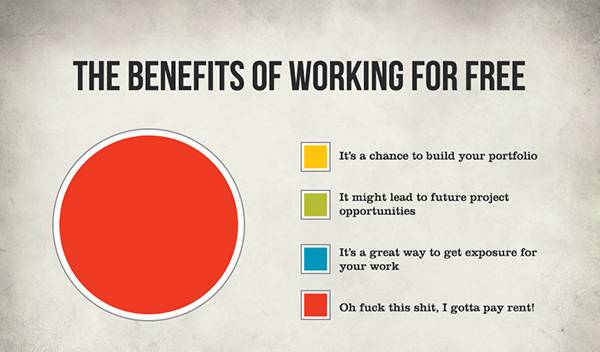
Commission-only sales teams sound wonderfully simple on a spreadsheet. No base salaries. No payroll panic. No “we paid for activity but got no revenue” stomachache. Just pure performance: sell, earn, repeat. In theory, it is the capitalist espresso shot of sales compensation. In practice, especially in SaaS, it can become a motivational obstacle course where reps are expected to prospect, learn a technical product, handle long sales cycles, manage CRM hygiene, forecast pipeline, survive rejection, and pay rent with vibes until the first deal closes.
So, dear SaaStr reader, the honest answer is this: motivating a commission-only sales team is possible, but it is rarely solved with a louder leaderboard or a motivational quote taped above the coffee machine. It requires structure, trust, clarity, enablement, fast feedback, fair territories, realistic earning potential, and a sales motion that actually supports the compensation model. Otherwise, you are not motivating a teamyou are running a talent churn experiment with a CRM login.
This article breaks down how to motivate commission-only sales reps in a SaaS environment, why the model is so difficult, what founders often get wrong, and how to build a system that gives serious sellers a reason to stay, sell, and believe the opportunity is real.
Why Commission-Only Sales Is So Hard in SaaS
Commission-only sales can work better in industries with short sales cycles, obvious demand, simple products, strong brand recognition, or high-volume transactional selling. SaaS is usually different. Buyers need education. Deals may involve demos, trials, procurement, security reviews, multiple stakeholders, and follow-up that stretches across weeks or months. That delay between effort and income can crush motivation faster than a Monday morning pipeline review.
A SaaS salesperson is not simply “closing.” They are diagnosing business pain, positioning product value, navigating objections, proving ROI, coordinating technical resources, and sometimes teaching the buyer why the category matters at all. If they are paid only when money lands, they may begin avoiding valuable but unpaid work: detailed discovery, customer education, internal handoffs, CRM notes, or long-cycle enterprise deals. The comp plan starts shaping behaviorand not always the behavior you want.
The first rule is simple: if the sales cycle is long, complex, or heavily dependent on company support, a pure commission plan creates motivational risk. Reps need confidence that effort today will become income tomorrow. Without that bridge, even strong sellers will start looking for a role where the bridge is not made of dental floss.
The Real Motivation Problem: Risk Without Trust
Commission-only reps carry most of the financial risk. That can attract entrepreneurial sellers, but it can also create suspicion. A rep may quietly wonder: Are the leads any good? Will the product actually deliver? Will I get paid on time? Can management change the rules after I build the pipeline? Is this territory fair? Are the quotas realistic, or did someone choose a number after drinking too much founder optimism?
Motivation rises when risk feels balanced by opportunity. It drops when risk feels random. A commission-only team needs more transparency than a salaried team, not less. Every rep should understand exactly how commissions are calculated, when they are paid, what happens with refunds or cancellations, how renewals are treated, whether self-sourced deals pay differently, and what documentation protects their payout.
A vague commission plan is not mysterious in an exciting way. It is mysterious in a “will I need a lawyer and a spreadsheet?” way. Clarity is motivational because it turns selling into a game reps understand. Confusion is demotivating because it makes every win feel negotiable.
Start With a Compensation Plan Reps Can Explain in 60 Seconds
The best sales compensation plans are simple enough to remember and specific enough to trust. If a rep needs three browser tabs, a finance degree, and a séance to calculate earnings, the plan is too complex.
A clean commission-only SaaS plan should answer five questions:
- What counts as a qualified commissionable sale?
- What percentage or amount does the rep earn?
- When is the commission considered earned?
- When is it paid?
- What could reduce, delay, or claw back the payout?
For example, instead of saying, “You earn commission on closed business,” say: “You earn 12% of first-year net new subscription revenue on self-sourced deals after the customer pays the first invoice. Commissions are paid on the next regular payroll cycle after payment clears. If the customer cancels within 60 days, the commission is clawed back.” That may not sound like poetry, but sales reps do not need poetry. They need math that does not move.
Use Accelerators to Reward Momentum
Flat commissions are easy, but they can become boring. A tiered commission structure adds energy by increasing payout rates when reps pass certain thresholds. For example, a rep might earn 10% on the first $50,000 in new annual recurring revenue, 13% on the next $50,000, and 16% after passing $100,000.
Accelerators work because they create a reason to keep pushing after a decent month. Without them, a rep who has already had a strong period may coast. With them, the next deal becomes more valuable than the last. That little psychological nudge matters. Salespeople are competitive creatures. Give them a scoreboard with a prize at the next level and many will chase it like a golden retriever chasing a tennis ball with a commission statement attached.
However, accelerators must be reachable. If the first tier is realistic and the higher tiers are fantasy, reps will spot the trick immediately. Motivation requires a believable path. Stretch goals are good. Fairy tales are for bedtime, not comp plans.
Pay for the Behaviors That Create Revenue
One mistake founders make is paying only for closed deals while demanding a long list of unpaid behaviors that make those deals possible. In SaaS, revenue often depends on pipeline creation, discovery quality, demo attendance, trial activation, proposal follow-up, expansion identification, and clean handoffs to customer success.
If your commission-only reps are expected to do all of that, consider micro-incentives or milestone bonuses. These do not need to replace commissions. They can support the path to revenue. For instance, you might offer a small bonus for a sales-qualified opportunity that reaches a verified demo, another for a completed paid pilot, and the main commission for closed revenue.
The goal is not to pay people for busywork. Nobody needs a bonus for “sent three emails and looked thoughtful.” The goal is to reward measurable steps that predict revenue. This is especially useful when sales cycles are long. Milestone incentives keep reps engaged before the final deal closes.
Give Commission-Only Reps Better Leads Than You Think They Deserve
Some companies treat commission-only reps like disposable prospecting machines. They hand them a cold list, a weak pitch, no brand support, and a cheerful “go get ’em.” That is not a sales strategy. That is a hunger game with email templates.
If you want a commission-only team to stay motivated, the opportunity must feel real. That means strong positioning, decent lead sources, clear ideal customer profiles, useful collateral, credible case studies, competitive battlecards, demo support, and a founder or sales leader who helps unblock deals. Reps who see a path to money will work harder. Reps who see chaos will update LinkedIn.
Lead quality is not just a marketing issue. It is a motivational issue. If reps believe the company is feeding them impossible accounts, they stop trusting the system. If they see that the business is investing in demand generation, sales enablement, and product-market clarity, they are more likely to invest their own energy.
Build a Sales Playbook, Not a Motivational Poster
Sales motivation is not only emotional. It is operational. A rep who knows exactly what to do next is more motivated than one who is “empowered” to wander through uncertainty like a backpacker in a foggy forest.
A useful SaaS sales playbook should include:
- The ideal customer profile and buyer personas
- Common pain points and trigger events
- Discovery questions that uncover urgency
- Demo flow and product positioning
- Objection-handling scripts
- Pricing and discount rules
- Follow-up sequences
- CRM expectations
- Win/loss examples
Commission-only reps do not want to spend unpaid hours inventing your sales process from scratch. Give them the map. Let them bring the hustle, creativity, and closing skill.
Keep Recognition Personal, Frequent, and Specific
Money matters. Anyone who says salespeople are not motivated by money has probably never met a salesperson or opened a rent bill. But money is not the only motivator, especially when the team is working under pressure.
Recognition is powerful when it is specific. “Great job” is nice. “Your discovery call uncovered the CFO’s real concern, and that changed the deal strategy” is better. Publicly celebrate not only closed revenue but also the behaviors that create future wins: excellent follow-up, creative prospecting, clean handoffs, revived stalled opportunities, and strong product feedback.
Commission-only reps can feel like outsiders if they are treated as temporary contractors rather than part of the mission. Invite them into company updates. Share product roadmap context. Let them hear customer success stories. Show them how their work contributes to growth. Belonging does not replace commission, but it makes the grind feel less lonely.
Use Short-Term Contests Carefully
Sales contests can work, especially when energy is low. A two-week sprint for most qualified demos booked, fastest follow-up time, most reactivated opportunities, or highest new pipeline value can create momentum. The prize does not always need to be huge. Cash works, but so do high-status rewards, extra lead priority, conference tickets, premium tools, or a public win that gives the rep bragging rights.
But contests can backfire if they reward the wrong behavior. If you pay for demo volume, reps may book weak demos. If you reward discounts, reps may destroy margin. If you only reward the top performer, the middle of the team may disengage. Design contests so more than one type of seller can win: best new logo, best expansion opportunity, fastest first response, highest-quality discovery, or most improved conversion rate.
The point is to create energy without turning the team into a circus. Unless your company sells circus software, in which case, congratulations on a very specific niche.
Offer a Draw or Ramp Guarantee When Possible
If you truly want serious SaaS sales talent, consider offering a recoverable draw, non-recoverable draw, ramp stipend, or guaranteed minimum for the first 60 to 90 days. This can make the opportunity feel less reckless while still preserving a performance-driven culture.
A draw gives reps breathing room while they learn the product, build pipeline, and move deals through the funnel. Without it, you may attract only people who are desperate, inexperienced, or treating the role as a side hustle. That does not mean commission-only can never work, but it does mean the talent pool narrows.
Founders sometimes resist draws because they fear paying for no results. That fear is understandable. But if your product requires training and your sales cycle is longer than a few days, expecting reps to fund the entire ramp period themselves may be unrealistic. A small, time-limited draw can be the difference between attracting professionals and attracting tourists.
Make Earnings Visible and Paid on Time
Nothing destroys motivation like commission confusion. Reps should be able to see their pipeline, expected commission, closed-won earnings, pending payouts, and paid commissions without begging finance for a treasure map.
Commission tracking should be transparent. Whether you use a spreadsheet, CRM dashboard, or commission management software, the principle is the same: reps should always know where they stand. Surprise deductions, delayed payouts, and unexplained clawbacks are morale termites. They quietly eat the structure until one day your best rep resigns during a very inconvenient quarter.
Pay on time. Explain exceptions. Document changes. Do not move the goalposts after the rep scores. This sounds basic because it is basicand still many teams get it wrong.
Coach the Middle, Not Just the Stars
In commission-only teams, managers often over-focus on top closers and ignore everyone else. That is understandable but shortsighted. The middle performers may become strong producers with better coaching, clearer messaging, and sharper qualification habits.
Hold regular one-on-ones focused on deal strategy, skill development, and pipeline reality. Ask questions like:
- Which deals are most likely to close this month?
- Where are prospects getting stuck?
- Which objection keeps appearing?
- What support would increase your close rate?
- Which activity is producing the best opportunities?
Do not use every meeting to ask, “When is this closing?” That is not coaching. That is forecasting with anxiety. Good coaching helps reps win. Bad coaching turns the manager into a human notification bell.
Protect Culture From “Lone Wolf” Chaos
Commission-only models can accidentally reward lone-wolf behavior. A rep may hoard information, avoid collaboration, overpromise to customers, or push bad-fit deals just to get paid. That is why motivation must include standards.
Set rules for ethical selling, customer fit, CRM accuracy, discounting, handoffs, and communication. Pay for revenue, but do not tolerate behavior that damages the brand or creates churn. In SaaS, a bad-fit customer can become a support burden, a negative review, and a cancellation waiting to happen. Commission should encourage growth, not chaos wearing a blazer.
Consider partial team incentives for shared goals such as overall new ARR, customer retention, or expansion pipeline. Individual commissions drive ownership; team-based incentives encourage collaboration. The right balance depends on your sales motion, but some shared success metric can reduce internal competition that becomes unhealthy.
Legal and Classification Issues: Do Not Wing It
Commission-only compensation can raise legal and compliance questions in the United States, especially around employee classification, wage rules, overtime exemptions, independent contractor status, and state-specific commission payment laws. Outside sales roles may be treated differently from inside sales roles, and 1099 contractor status depends on the actual working relationshipnot just what the agreement says.
This is an area where founders should get professional advice. If you control how, when, and where someone works, require daily meetings, provide scripts, manage their schedule, and treat them like an employee, calling them a contractor may not magically make them one. Government agencies tend to care about reality more than labels, which is inconvenient but also how laws work.
Before launching a commission-only team, review your plan with legal, HR, or payroll experts. A clean commission agreement protects both the company and the rep. It also builds trust, and trust is fuel for motivation.
When Commission-Only Makes Senseand When It Does Not
A commission-only SaaS sales model is more likely to work when the product is easy to understand, pricing is simple, buyers move quickly, lead flow is strong, reps can self-source efficiently, and commissions are high enough to justify the risk. It may also work for channel partners, affiliates, agencies, or experienced independent sellers with their own networks.
It is less likely to work when the product is complex, the market is new, the sales cycle is long, onboarding is heavy, implementation requires coordination, or the company still needs to discover its repeatable sales motion. In those cases, hiring commission-only reps too early can create frustration on both sides. The founder expects revenue. The reps expect support. Everyone gets disappointment, with a side order of awkward Slack messages.
If your company has not yet proven that strangers can repeatedly sell the product using a defined process, commission-only reps are probably not the shortcut you hope they are. First build the motion. Then scale the team.
A Practical Motivation Framework for Commission-Only SaaS Teams
1. Make the Money Real
Show realistic earnings examples. Do not only display the heroic top-performer scenario. Show what a rep earns from three average deals, five strong deals, or one larger annual contract. The more tangible the path, the more believable the opportunity.
2. Reduce Uncertainty
Clarify territories, lead routing, commission rules, payout timing, and sales stages. Uncertainty drains energy. Certainty helps reps focus on selling.
3. Shorten Feedback Loops
Give reps quick feedback on calls, emails, demos, and proposals. Waiting until the end of the month to coach is like waiting until the cake burns to discuss the recipe.
4. Celebrate Progress
Recognize pipeline creation, improved conversion rates, better discovery, and smart deal strategy. Closed revenue matters most, but progress keeps the team moving between wins.
5. Invest in Enablement
Provide scripts, case studies, competitive positioning, demo support, pricing guidance, and objection handling. Motivation rises when reps feel equipped.
6. Keep the Plan Stable
Changing commission rules too often creates fear. Improve the plan when needed, but avoid constant tinkering. Reps should not feel like they are selling on shifting sand.
7. Give Top Performers a Future
High performers want upside, but they also want growth. Offer paths into senior AE roles, team lead opportunities, strategic accounts, partnerships, or management. Commission motivates today; career progression motivates next year.
Experience Notes: What Actually Happens in the Field
In real SaaS teams, commission-only motivation often succeeds or fails in the quiet details. The founder may believe the offer is generous because the commission percentage is high. But the rep experiences the role through a different lens: How many conversations can I realistically start? How many prospects understand the product? How often does a demo turn into a proposal? How many proposals actually close? How long until I see money?
One common pattern is the “big percentage, tiny probability” problem. A startup offers 25% commission on new revenue, which sounds exciting. But if there is no inbound demand, no proof, no customer stories, and no clear market category, the rep quickly realizes that 25% of almost nothing is still almost nothing. Motivation fades not because the rep is lazy, but because the opportunity does not feel mathematically credible.
Another common pattern is the “founder bottleneck.” A rep books good meetings, but every serious buyer needs the founder for technical answers, pricing approval, roadmap details, or enterprise credibility. If the founder is slow to join calls or unclear in follow-up, the rep’s income is now dependent on someone else’s calendar discipline. That is maddening. Commission-only reps need fast internal support because their pay is directly attached to deal velocity.
There is also the “CRM punishment” issue. Management wants detailed CRM notes, accurate stages, next steps, call summaries, and forecast updates. Those are reasonable requests. But if the rep is unpaid until close, administrative work can feel like free labor unless the company explains how clean process improves win rates and protects commissions. The best managers connect process to money: better notes lead to better coaching, better handoffs, better follow-up, and fewer lost deals.
In healthy commission-heavy teams, leaders are obsessively clear. Reps know what a good lead looks like. They know which industries convert. They know the talk track. They know the pricing rules. They know how to get help. They know when they will be paid. They know which activities create commissionable outcomes. That clarity creates confidence, and confidence creates action.
In unhealthy teams, everything is fuzzy. Territories are fuzzy. Payouts are fuzzy. Product positioning is fuzzy. Management expectations are fuzzy. The only thing that is not fuzzy is the rep’s personal bank account, which becomes painfully clear around the end of the month.
The biggest lesson from the field is that commission-only salespeople are not motivated by commission alone. They are motivated by a believable system where commission is the reward for intelligent effort. They need evidence that the company can generate demand, support deals, honor payouts, and improve the sales motion over time. They need to feel that if they do the work, the work has a fair chance of turning into income.
So if you are leading a commission-only SaaS team, do not ask only, “How do I motivate them?” Ask, “Have I built an environment where a rational, talented salesperson would want to bet on us?” That question is harder, but it is also more useful. Motivation is not a speech. It is the result of a system that makes winning feel possible.
Conclusion
Motivating a commission-only sales team in SaaS is difficult because the model puts financial risk on the people doing the selling. That does not make it impossible, but it does mean founders and sales leaders must design the environment carefully. A strong commission-only team needs a clear compensation plan, realistic earning potential, high-quality enablement, transparent payout tracking, fair territories, smart incentives, legal compliance, and consistent coaching.
The punchline is simple: commission motivates only when the opportunity is believable. If reps trust the product, the process, the payout, and the leadership team, they will push hard. If they do not, no leaderboard, gong, or “coffee is for closers” speech will save the model. Build the system first. The motivation follows.
Note: This article provides general business guidance for SaaS founders and sales leaders. Commission plans, contractor classification, wage rules, and payout obligations can vary by state and role, so companies should consult qualified legal or HR professionals before implementing a commission-only structure.