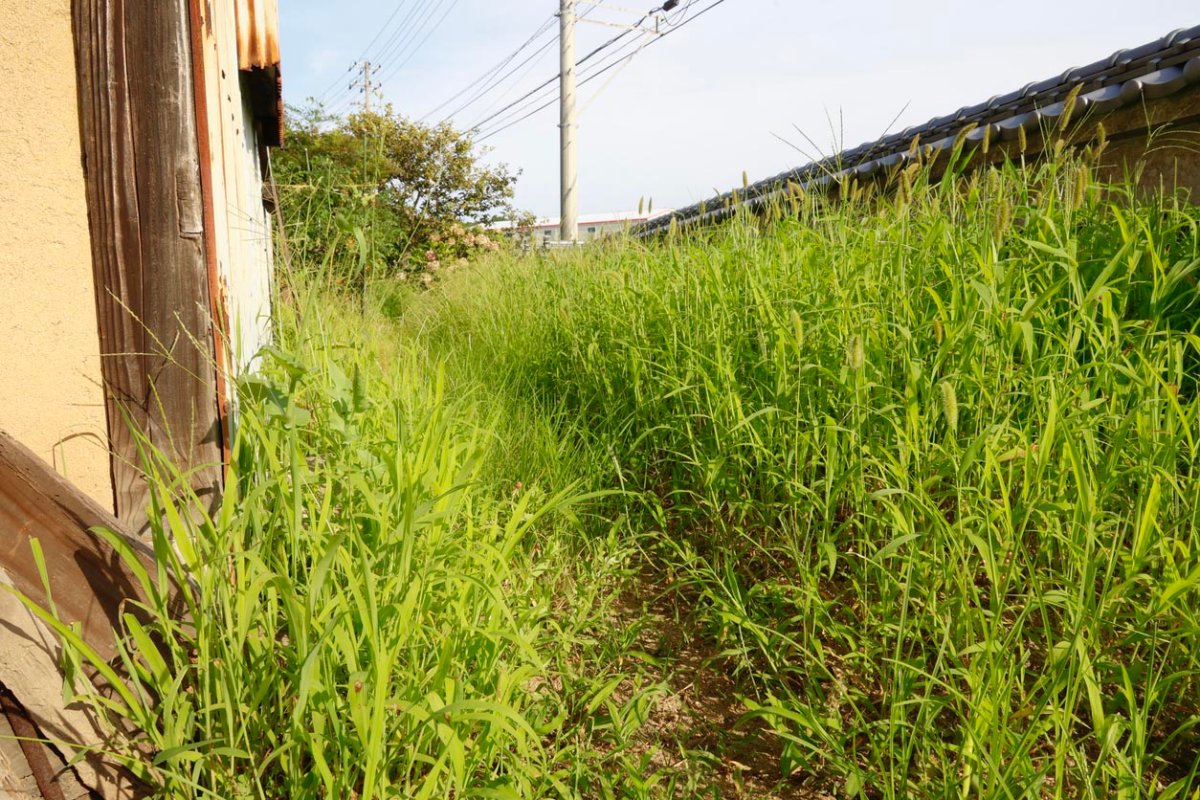
Your lawn is trimmed, edged, watered, and treated with the sort of attention normally reserved for championship golf courses and extremely spoiled houseplants. Then you glance across the property line and see your neighbor’s yard producing dandelions like it has landed a government contract.
Before declaring a botanical emergency, take a breath. A weedy neighboring lawn can be frustrating, but it is not automatically a threat to your grass. Some situations are mostly cosmetic. Others involve aggressive plants creeping beneath fences, dropping seeds across the boundary, or creating legitimate safety and code-enforcement concerns.
The smartest response is neither surrender nor midnight herbicide warfare. It is identifying the weeds, strengthening your own lawn, managing the property-line zone, and approaching your neighbor with a practical solution instead of an accusation.
Are the Weeds Really Coming From Next Door?
When weeds appear along a shared boundary, the neighbor’s yard is an obvious suspect. It may even be responsible. However, weed seeds can also arrive through soil, compost, wildlife, shoes, lawn equipment, stormwater, and years-old seeds already waiting beneath your grass. University extension guidance notes that weeds may be introduced by equipment, animals, soil, planting materials, and nearby seed sources.
In other words, the dandelion in your lawn may be an immigrant from next door, or it may have been quietly plotting beneath your patio since the previous homeowner wore bell-bottoms.
Identify the Weed Before Blaming the Neighbor
Different weeds spread in different ways. Dandelions and many annual weeds reproduce primarily by seed. Creeping Charlie, bermudagrass, nutsedge, and other perennial weeds may spread through stolons, rhizomes, tubers, or roots. A mowing schedule that limits seed production may help with one species but barely annoy another.
Take clear photographs of the leaves, stems, flowers, seed heads, and growth pattern. Compare them with a university extension weed-identification guide or send the photographs to your local Cooperative Extension office. Oregon State University Extension emphasizes that proper identificationand knowing whether a weed is annual or perennialis the first step toward selecting an effective control strategy.
Look for a Boundary Pattern
If the infestation is thickest beside the property line and gradually becomes thinner farther into your yard, the neighboring property may be contributing. Runners growing beneath a fence, seed heads leaning over the boundary, or clippings blown directly into your lawn are stronger evidence than one lonely crabgrass plant near the mailbox.
Document the pattern for several weeks. A few dated photographs can help you determine whether the problem is spreading, whether your control measures are working, and whether a conversation with the neighbor needs to become more specific.
Is It an Eyesore or a Genuine Lawn-Care Problem?
Not every yard that looks unconventional is neglected. Some homeowners intentionally maintain bee lawns, native plantings, clover lawns, meadow-style landscapes, or low-input turf. University of Minnesota guidance, for example, discusses bee lawns containing fine fescues, white clover, and other flowering plants that require fewer conventional lawn inputs.
A lawn can therefore look different from yours without being dangerous, illegal, or badly maintained. The question is not whether the neighbor’s yard belongs on the cover of a lawn-care catalog. The question is whether it is causing measurable problems on your property.
Usually an Annoying Eyesore
The issue is probably cosmetic when the weeds remain inside the neighbor’s property, do not obstruct sidewalks or visibility, do not contain regulated invasive plants, and are not causing significant damage to your lawn.
You are allowed to dislike the appearance. Your neighbor is generally allowed to have different landscaping priorities, subject to local ordinances, lease terms, and homeowners association rules. A person who sees a cheerful patch of clover may live beside someone who sees the collapse of civilization. Both still need to share the mailbox area.
A Manageable Lawn-Care Problem
The situation becomes more than visual when seed-producing weeds repeatedly spread into bare areas of your lawn, perennial runners cross beneath the fence, or invasive plants are becoming established along the boundary.
Even then, the most effective response often begins on your side of the property line. Dense, vigorous turf is more resistant to weed invasion than thin, stressed grass. University of Maryland, Michigan State, Penn State, and University of California lawn-management resources consistently emphasize proper mowing, irrigation, fertilization, overseeding, and turf selection as the foundation of weed prevention.
A Potential Health, Safety, or Legal Concern
Escalation may be appropriate when vegetation obstructs a public sidewalk, blocks drivers’ sight lines, creates a documented fire hazard, contains regulated noxious weeds, damages structures, or substantially interferes with the use of neighboring property.
Rules vary dramatically among cities, counties, and states. Some local codes establish maximum vegetation heights, while others distinguish between unmanaged weeds and intentional native gardens. Never assume that “messy” automatically means “illegal.” Check the actual municipal code or contact the local code-enforcement office before filing a complaint.
How to Protect Your Lawn Without Starting a Property-Line War
Build a Lawn That Can Defend Itself
A healthy lawn is your best long-term weed barrier. The correct maintenance program depends on your grass species, climate, soil, shade, and water availability, but several principles apply broadly.
- Mow at the recommended height. Cutting grass too short weakens it and allows more sunlight to reach weed seeds. Tall fescue is commonly maintained around three to four inches, while warm-season grasses may require different heights.
- Follow the one-third rule. Avoid removing more than approximately one-third of the grass blade during one mowing.
- Overseed thin areas. Bare soil is an engraved invitation for weeds.
- Test the soil. Apply fertilizer and lime only when the results and local recommendations support them.
- Water deeply and appropriately. Frequent shallow watering may encourage shallow roots and favor certain weeds.
- Correct compaction and drainage problems. Weeds often reveal conditions that are already making life difficult for turfgrass.
UC Integrated Pest Management recommends maintaining competitive turf through properly timed irrigation, mowing, fertilization, aeration, and related cultural practices rather than relying on herbicides as the entire weed-control program.
Create a Manageable Boundary Zone
The property-line strip deserves special attention because fences, shade, foot traffic, and awkward mower access often leave it thin and vulnerable.
Consider installing a clearly defined mowing strip, edging material, gravel border, mulched bed, or dense planting of suitable ground cover on your side. These features do not stop every underground rhizome, but they make new growth easier to spot and remove before it becomes a larger infestation.
For a mulched boundary bed, remove existing weeds first and apply an appropriate layer of clean mulch. Oregon State University Extension commonly recommends roughly two to three inches of wood chips for many landscape applications. Avoid piling mulch against fences, tree trunks, siding, or drainage openings.
Inspect the boundary every week or two during active growth. Pull or dig young weeds while the soil is moist, removing as much of the root system as practical. This ten-minute routine is much easier than holding a three-hour emergency summit after creeping vines have occupied the swing set.
Prevent Seeds From Establishing
Mow your side before weeds form mature seed heads. Fill bare patches promptly, keep mower blades sharp, and clean soil and plant debris from lawn equipment before moving between heavily infested and clean areas.
If you use a preemergence herbicide, identify the target weed and follow local timing recommendations. Remember that some products may also interfere with desirable grass-seed germination. Homeowners planning to overseed should check the product label carefully rather than applying a mystery bag from the back of the garage and hoping for the best.
Use Herbicides Carefully Near the Property Line
Herbicides can be useful tools, but they should be applied only to your property unless you have clear permission to treat the neighboring land. Choose a product labeled for the weed, lawn species, and treatment location. Spot treatment is often preferable to broadcasting a product across the entire lawn.
The EPA defines spray drift as pesticide droplets or dust moving away from the intended treatment area. It advises homeowners to apply pesticides directly to the target area, avoid windy or rainy conditions, prevent runoff, and follow the label. Federal law also prohibits using a registered pesticide in a manner inconsistent with its labeling.
Near a boundary, use a shielded sprayer, low-pressure application, or drop-style spreader when appropriate. Do not spray through a fence, over a hedge, or toward your neighbor’s vegetable garden. Homemade treatments are not automatically harmless, either. Concentrated horticultural vinegar can damage skin and eyes and may injure any plant it contacts.
How to Talk to Your Neighbor About the Weeds
Direct communication is usually the best first step in a neighbor dispute. The goal is not to prove that your lawn has superior moral character. The goal is to solve a specific boundary problem while preserving a relationship with someone who may live beside you for years. FindLaw and American Bar Association resources both identify communication and alternative dispute resolution as useful early options in neighborhood conflicts.
Use Observations, Not Insults
Avoid opening with, “Your yard is destroying the neighborhood.” That sentence has never inspired anyone to grab a weed puller and thank the speaker for the constructive feedback.
Try something specific and neutral:
“I think this creeping grass is moving beneath the fence and spreading into the garden bed on my side. I am working on the border this weekend. Would you be open to trimming the growth on your side or discussing a shared edging strip?”
This approach identifies the plant, explains the effect, and proposes a solution. It also gives the neighbor room to mention circumstances you may not know about, such as illness, disability, travel, equipment failure, financial difficulty, or a deliberate low-maintenance landscaping plan.
Offer Practical Options
Depending on the relationship, you might offer to remove a narrow boundary strip with permission, share the cost of edging, lend a weed-removal tool, recommend a lawn service, or coordinate mowing before seed heads mature.
Obtain permission before doing work on the other property. Even well-intended trimming can damage desirable plants, disturb irrigation lines, or create arguments about where the property line actually sits.
When HOA Rules, Local Codes, or Mediation Enter the Picture
If direct discussion fails, review the documents that actually govern the property. These may include municipal vegetation ordinances, county noxious-weed regulations, HOA covenants, lease provisions, and easement agreements.
Do not rely on neighborhood folklore. “Everyone knows grass can only be six inches tall” is not legal research, especially when “everyone” is one enthusiastic person in a community Facebook group.
Legal nuisance claims generally require more than annoyance. Cornell’s Legal Information Institute describes private nuisance as a substantial and unreasonable interference with another person’s use and enjoyment of land. A few dandelion seeds are unlikely to satisfy that standard by themselves, although serious property damage or persistent hazardous conditions may require professional legal advice.
When communication has stalled but the issue does not justify litigation, community mediation can provide a neutral setting for discussing maintenance duties, boundary access, costs, and future expectations. Court action should normally be a final option, not the opening move in the Great Crabgrass Conflict.
What Not to Do
- Do not enter the neighbor’s yard without permission.
- Do not spray herbicide across the property line.
- Do not dump pulled weeds or clippings back onto their property.
- Do not post photographs online to shame the household.
- Do not assume every flowering plant is a harmful weed.
- Do not file repeated complaints merely because the yard does not match your preferred style.
- Do not retaliate with noise, floodlights, sprinklers, or passive-aggressive lawn signs.
Retaliation may transform a manageable landscaping problem into a lasting neighbor dispute. Protecting your lawn is useful. Spending every barbecue staring angrily through the fence is less useful.
A Simple Action Plan for Neighboring Weeds
- Identify the weed and determine how it spreads.
- Photograph the affected property-line area over several weeks.
- Repair thin grass, bare soil, drainage issues, and mowing problems on your property.
- Pull, edge, mulch, or spot-treat new growth on your side.
- Speak with the neighbor using specific, neutral language.
- Propose one or two realistic shared solutions.
- Review HOA rules and local ordinances only when necessary.
- Consider mediation for a persistent, documented dispute.
- Seek legal advice only when there is substantial damage, danger, or interference.
Experience-Based Lessons: What Usually Works in the Real World
The following composite experiences reflect common patterns homeowners encounter. They are illustrative scenarios rather than claims of personal experience.
The Dandelion Emergency That Wasn’t
One homeowner became convinced that a neighbor’s dandelions were destroying an otherwise carefully maintained front lawn. Every yellow flower across the driveway seemed to be aiming a seed parachute directly at his property.
He initially considered confronting the neighbor and requesting full weed treatment. Instead, he inspected his lawn more closely. Most dandelions were appearing in thin areas beside the driveway, where summer heat, reflected sunlight, and compacted soil had weakened the turf. The section farthest from the neighbor had almost as many weeds as the boundary area.
He raised the mowing height, loosened the compacted soil, overseeded at the proper seasonal time, and watered the new grass carefully. He also removed young dandelions before they produced seed. By the following growing season, the lawn was visibly denser and the weed population had dropped sharplyeven though the neighbor had changed almost nothing.
The lesson was mildly humbling but valuable: the neighbor’s weeds may contribute seeds, yet the condition of your own lawn often determines whether those seeds establish.
The Creeping Weed That Required Cooperation
Another homeowner faced a more legitimate boundary problem. A vigorous creeping plant was moving beneath a wooden fence and rooting inside a flower bed. Pulling the visible stems helped for a few weeks, but the plant repeatedly returned from runners extending under the fence.
Instead of secretly spraying through the boards, the homeowner photographed the growth and showed the neighbor exactly where it was crossing. The neighbor had not noticed because shrubs blocked the view from the other side.
They agreed to clear a narrow strip along both sides of the fence, install edging where practical, and inspect the area monthly during the growing season. The homeowner maintained mulch on the garden side, while the neighbor kept the aggressive plant trimmed away from the fence.
The weed did not vanish permanently, but it stopped becoming a recurring emergency. More importantly, neither household had to spend the next decade communicating through lawyers, security cameras, or aggressively slammed trash-can lids.
The Herbicide Shortcut That Became the Bigger Problem
In a third common scenario, a frustrated resident sprayed weeds along a chain-link fence on a breezy afternoon. The spray moved beyond the intended strip and injured several ornamental plants in the neighboring yard.
The original weed issue had been relatively small. The resulting dispute involved damaged plants, questions about pesticide exposure, photographs, replacement costs, and a relationship that remained uncomfortable long after the weeds returned.
The better approach would have been calm-weather spot treatment, a shielded application method, manual removal near sensitive plants, or a conversation before treating the boundary. Weed control should reduce problems, not manufacture a deluxe family-size version of them.
Final Takeaway
Your neighbor’s weeds become a true lawn-care nightmare only when they are actively spreading, causing measurable damage, creating a regulated hazard, or substantially interfering with your property. Otherwise, they may be an irritating visual difference that is best handled with perspective.
Start with identification. Strengthen your own turf. Maintain the boundary. Communicate early and politely. Use pesticides only according to the label, and save formal complaints for genuine problems supported by local rules and clear evidence.
A healthy lawn is easier to build than a perfect neighbor. Fortunately, you usually need only the first one.