Cold sores have a dramatic sense of timing. They often appear before a wedding, a job interview, a vacation photo, or the one week you finally remembered to drink water and moisturize your lips. These small blisters, also called fever blisters, are usually caused by herpes simplex virus type 1, or HSV-1. They are common, contagious, annoying, and thankfully manageable with the right mix of cold sore medicine, creams, lip balms, and smart self-care.
The big question is not only “How do I get rid of this cold sore?” but also “Which treatment is actually worth using?” Drugstore shelves offer creams, patches, numbing gels, medicated lip balms, pain relievers, and tiny tubes with heroic promises. Doctors may prescribe antiviral tablets or stronger topical treatments. Some products fight the virus, some soothe pain, and some simply keep your lips from cracking like a desert sidewalk.
This guide explains over-the-counter and prescription cold sore treatments in plain American English. You will learn what works best, when to start treatment, which lip balms help, what to avoid, and when a cold sore deserves a doctor’s attention.
What Is a Cold Sore?
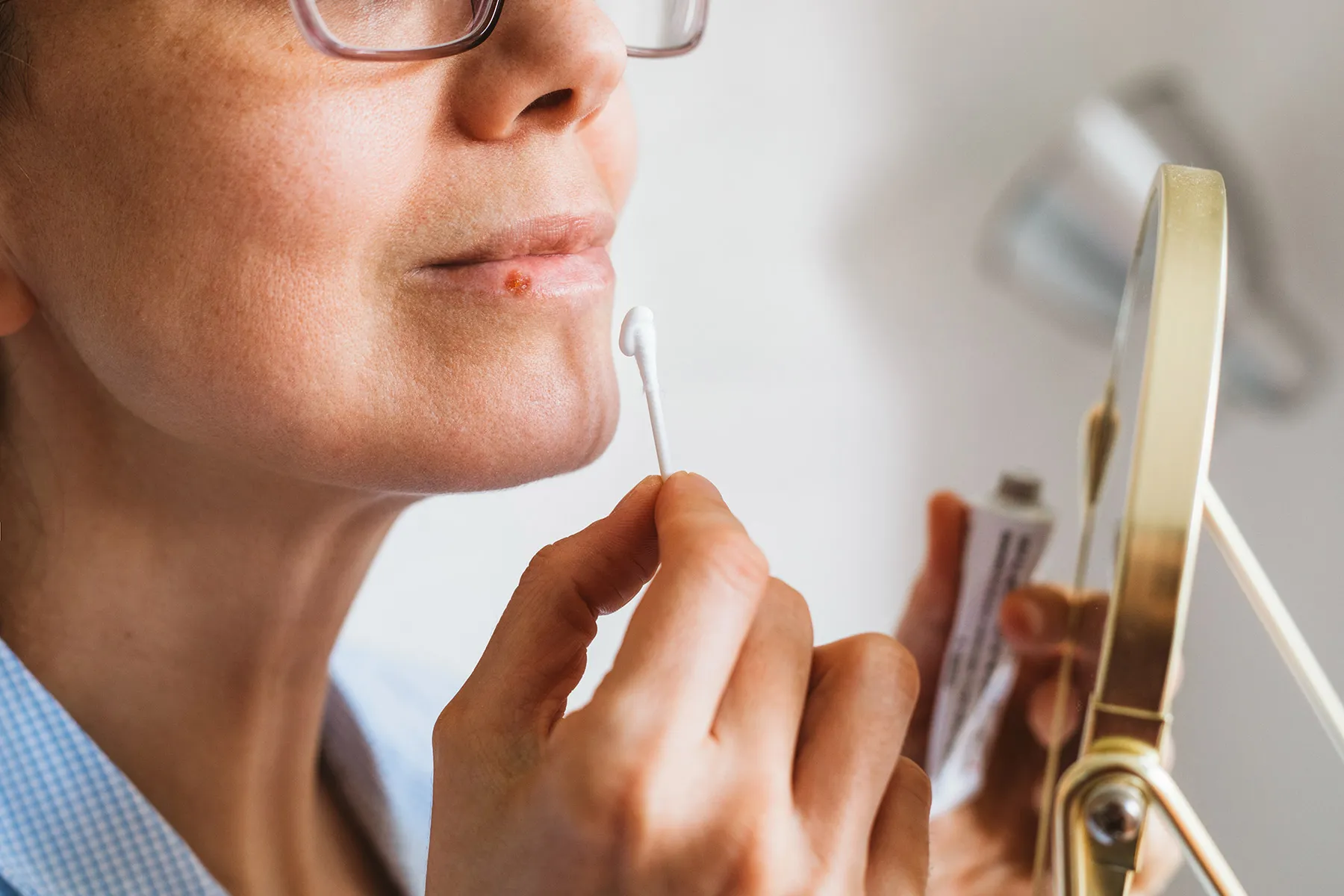
A cold sore is a cluster of small, fluid-filled blisters that usually forms on or around the lips. It may start with tingling, itching, burning, tightness, or tenderness before the blister appears. After that, the sore may swell, break open, crust, scab, and slowly heal.
Most cold sores are linked to HSV-1, although HSV-2 can also affect the mouth. Once the virus enters the body, it does not pack a suitcase and leave. Instead, it stays inactive in nerve cells and may reactivate later. Common triggers include stress, fever, illness, sun exposure, cracked lips, hormonal changes, dental work, fatigue, and immune system strain.
Cold sores are usually not dangerous for healthy adults, but they are contagious. The virus can spread through kissing, oral sex, shared lip products, shared utensils, towels, razors, and direct contact with the sore. It can also spread when symptoms are mild, so good hygiene matters even when the blister looks “almost gone.”
The Golden Rule: Treat Early
Cold sore medicine works best when used early. The ideal time to start treatment is during the prodrome stage, which is the tingling, itching, burning, or tight feeling that arrives before the blister fully develops. Think of it as the virus knocking on the door. Antiviral treatment is most useful before it has already thrown a party on your lip.
Once a cold sore has fully blistered or crusted, medicine may still reduce discomfort, but it may not shorten the outbreak as much. That is why people with repeat outbreaks often keep treatment on hand. Waiting until day three to buy cream is like bringing sunscreen after the sunburn has already written its memoir.
Over-the-Counter Cold Sore Medicine
Docosanol 10% Cream
Docosanol 10% is the main over-the-counter antiviral cream used for cold sores in the United States. It is commonly sold under the brand name Abreva, with generic versions available. Docosanol does not cure herpes, but it may help shorten healing time and reduce symptoms when started at the first sign of a cold sore.
This cream is usually applied several times daily according to package directions. For best results, apply it with clean hands or a cotton swab, avoid rubbing aggressively, and wash your hands afterward. Do not share the tube with anyone. A shared cold sore cream tube is not friendship; it is viral networking.
OTC Numbing Creams and Gels
Products containing benzocaine, lidocaine, or similar topical anesthetics can help numb pain, burning, and tenderness. These products do not attack the virus or speed healing, but they can make eating, talking, and smiling less miserable.
Use numbing products only as directed. Applying too much can irritate the skin or cause unwanted side effects. People with a history of allergic reactions to topical anesthetics should avoid them unless a healthcare professional says otherwise.
Cold Sore Patches
Hydrocolloid cold sore patches can protect the sore from friction, help reduce picking, and make the area less noticeable. They do not kill HSV, but they may help create a cleaner healing environment. They are especially useful for people who keep touching the sore without realizing it.
Patches should be applied to clean, dry skin. If you are also using a medicated cream, read the product labels carefully. A patch may not stick well over greasy ointment or lip balm.
Oral Pain Relievers
Acetaminophen or ibuprofen can help reduce cold sore discomfort, especially during the blister and crusting stages. These medicines do not shorten the outbreak, but they can be helpful if the area is swollen, sore, or irritated.
Follow dosing instructions and avoid ibuprofen if your doctor has told you not to use NSAIDs because of kidney disease, stomach ulcers, blood thinners, or other medical concerns.
Cold Sore Creams: What They Can and Cannot Do
Cold sore creams fall into three basic groups: antiviral creams, numbing creams, and protective ointments. Antiviral creams aim to reduce viral activity. Numbing creams help with pain. Protective ointments help keep the sore from cracking and drying out.
The common mistake is expecting every cream to do everything. A numbing cream may feel wonderful for an hour, but it does not shorten the viral outbreak. A plain petroleum-based ointment may protect the skin, but it does not fight HSV. Docosanol may help shorten healing, but it is most effective when used early and consistently.
Also, more cream is not better. Thick layers can irritate the skin, make patches slide off, or tempt you to touch the sore repeatedly. A thin layer, used as directed, is usually the smarter move.
Lip Balms for Cold Sores
SPF Lip Balm
Sun exposure can trigger cold sores in some people. A broad-spectrum lip balm with SPF 30 or higher is one of the simplest prevention tools. Use it year-round, not just at the beach. Snow glare, cloudy days, car windows, and outdoor errands can still expose your lips to ultraviolet light.
Choose a lip balm labeled broad-spectrum SPF 30 or higher. Reapply it after eating, drinking, swimming, sweating, or wiping your mouth. If you know sun exposure triggers your outbreaks, treat SPF lip balm like a daily essential, right next to brushing your teeth and pretending you will answer emails “later.”
Moisturizing Lip Balm
Dry, cracked lips can make cold sores more painful and may slow comfortable healing. Look for gentle, fragrance-free balms with ingredients such as petrolatum, mineral oil, dimethicone, shea butter, ceramides, or beeswax. These help seal moisture and protect the skin barrier.
Avoid strongly flavored, fragranced, or irritating lip products during an outbreak. Peppermint, cinnamon, menthol, camphor, and harsh exfoliating scrubs may feel “fresh,” but on a cold sore they can feel like tiny fireworks.
Should You Throw Away Lip Balm After a Cold Sore?
If you used a lip balm directly on an active cold sore, it is wise to replace it once the outbreak heals. The same goes for lipstick, lip gloss, and lip liners. During an outbreak, consider using disposable cotton swabs or a clean fingertip to apply balm, then wash your hands.
Prescription Cold Sore Medicine
Prescription antiviral medicine is often the fastest and most effective treatment for people who get painful, frequent, or severe cold sores. These medicines work by slowing viral replication. They do not remove HSV from the body, but they can reduce outbreak duration, severity, and recurrence patterns.
Valacyclovir
Valacyclovir is a commonly prescribed oral antiviral for cold sores. Many healthcare professionals prefer it because dosing can be convenient. For cold sores, it is often prescribed as a short, high-dose course taken early in the outbreak, but the exact dose depends on the patient and should come from a licensed clinician.
Valacyclovir is especially useful for people who recognize the tingling stage and can start treatment quickly. Some patients with frequent outbreaks receive a prescription to keep at home so they do not lose precious treatment time.
Acyclovir
Acyclovir is one of the older and well-studied antiviral medicines used for herpes infections. It may be prescribed as tablets, capsules, suspension, or topical cream depending on the situation. Oral acyclovir can help cold sores heal faster when started early.
Topical acyclovir cream is applied directly to the cold sore, but oral antiviral treatment is often more effective than topical treatment for many patients. Your clinician can help decide which form makes sense.
Famciclovir
Famciclovir is another oral antiviral option. Like valacyclovir and acyclovir, it is most useful when started early. It may be considered for people who need an alternative prescription antiviral or who have a treatment plan based on previous outbreak history.
Penciclovir Cream
Penciclovir is a prescription topical antiviral cream used for cold sores. It may shorten healing time when used promptly and as directed. Because it usually requires frequent application, some people find oral antivirals easier to manage. Still, it can be helpful for selected patients.
Episodic vs. Suppressive Therapy
There are two main prescription strategies for recurring cold sores. Episodic therapy means taking antiviral medicine only when an outbreak starts. This works well for people who have occasional cold sores and can recognize early symptoms.
Suppressive therapy means taking antiviral medication daily to reduce the number of outbreaks. This may be recommended for people who get frequent, severe, or emotionally distressing cold sores. Some dermatology guidance suggests considering daily antiviral treatment when outbreaks happen many times per year. If cold sores are interfering with work, relationships, eating, sleep, or confidence, it is reasonable to ask a doctor about prevention.
OTC vs. Prescription: Which Is Better?
| Treatment Type | Examples | Best For | Main Limitation |
|---|---|---|---|
| OTC antiviral cream | Docosanol 10% | Early mild cold sores | Works best at first tingle; benefit may be modest |
| OTC numbing products | Benzocaine, lidocaine | Pain and burning relief | Does not shorten healing |
| Protective lip balm | Petrolatum, fragrance-free balm | Dryness, cracking, comfort | Does not treat the virus |
| SPF lip balm | Broad-spectrum SPF 30+ | Sun-trigger prevention | Must be reapplied consistently |
| Prescription oral antivirals | Valacyclovir, acyclovir, famciclovir | Fastest treatment, frequent or severe outbreaks | Requires medical evaluation and prescription |
| Prescription topical antivirals | Penciclovir, acyclovir cream | Localized treatment | Often needs frequent application |
What to Avoid During a Cold Sore
Avoid kissing, oral sex, and sharing cups, utensils, towels, razors, lip balm, lipstick, or toothbrushes while a cold sore is active. Do not pick the scab, even if it looks ready to retire. Picking can delay healing, increase irritation, and raise the chance of bacterial infection.
Avoid touching your eyes after touching a cold sore. Herpes infection near the eye can be serious and needs urgent medical care. Wash your hands often, especially after applying medicine.
Skip harsh exfoliants, alcohol-heavy products, and “DIY miracle cures” like toothpaste, lemon juice, or strong essential oils. A cold sore is not a kitchen science project. Irritating the area may make it hurt more and look worse.
When to See a Doctor
Many cold sores can be managed at home, but medical care is important in certain situations. Contact a healthcare professional if you have frequent outbreaks, severe pain, sores near the eyes, symptoms that do not improve, a weakened immune system, eczema, pregnancy concerns, or a cold sore in a newborn or young infant.
You should also seek care if the sore becomes increasingly red, swollen, warm, full of pus, or accompanied by fever. These may be signs of a bacterial infection or another condition that needs treatment.
Practical Cold Sore Routine
At the First Tingle
Wash your hands, start your antiviral treatment if you have one, and avoid close lip contact with others. If using docosanol, apply it exactly as directed. If you have a prescription plan, follow your clinician’s instructions right away.
During the Blister Stage
Keep the area clean and avoid touching it. Use pain relief if needed. A cold compress may reduce discomfort. Apply protective balm carefully if the skin feels dry, but avoid sharing the product.
During the Scab Stage
Moisture and patience are your best friends. Do not pick the scab. A bland protective ointment can help reduce cracking. Continue avoiding direct contact until the skin is fully healed.
Common Myths About Cold Sore Medicine
Myth 1: Toothpaste Dries It Out Faster
Toothpaste may irritate the skin and make the sore more uncomfortable. Cold sores are viral lesions, not dirty dishes. Use treatments designed for lips and skin.
Myth 2: Lip Balm Alone Treats Cold Sores
Lip balm can protect and soothe, but plain balm does not stop HSV. For antiviral action, use docosanol or a prescription antiviral medicine.
Myth 3: Cold Sores Only Spread When They Look Bad
Cold sores are most contagious when blisters are present, but HSV can sometimes spread even when symptoms are not obvious. Avoid direct contact during outbreaks and practice good hygiene.
Myth 4: Prescription Medicine Is Only for “Serious” Cases
Prescription antivirals are not only for emergencies. They may be appropriate for people with predictable outbreaks, frequent recurrences, severe symptoms, or important upcoming events where preventing a flare matters.
Real-World Experiences With Cold Sore Medicine, Creams, and Lip Balms
Many people learn their cold sore routine through trial, error, and one highly unfortunate mirror check. A common experience goes like this: a person feels a faint tingle on the lip in the morning but ignores it. By lunch, the area feels hot. By dinner, a blister has arrived with the confidence of an unwanted houseguest. After that, they buy a cream, apply it once, forget the next dose, and wonder why the sore did not vanish overnight.
The lesson is simple: timing and consistency matter. People who manage recurring cold sores well often keep a small “cold sore kit” ready. It may include docosanol cream, a fragrance-free lip balm, SPF lip balm, cotton swabs, hand sanitizer, a hydrocolloid patch, and an oral antiviral prescription if their doctor has provided one. The kit is not glamorous, but neither is explaining a surprise lip blister in every photo from a beach weekend.
Another common experience involves sunlight. Someone spends a sunny Saturday outdoors, forgets lip SPF, and wakes up two days later with the familiar burn and bump. For these people, SPF lip balm is not optional decoration; it is prevention. Keeping one in a purse, car, desk, backpack, and bathroom can reduce the chance of forgetting it. The trick is choosing a balm that feels good enough to reapply, because the best SPF is the one that actually makes it onto your lips.
Some people also discover that stress is their biggest trigger. A cold sore may appear after a deadline, poor sleep, travel, or illness. Medicine helps, but prevention may also include sleep, hydration, sunscreen, and not running life permanently on “low battery mode.” Of course, stress management is easy to recommend and harder to practice, but even small routines can help.
Prescription medicine can be a game changer for people with frequent outbreaks. For example, someone who gets cold sores before presentations may ask a clinician about episodic valacyclovir or acyclovir. Having medicine ready at the first tingle can reduce panic and may shorten the outbreak. For someone with six or more outbreaks a year, daily suppressive therapy may be worth discussing.
Finally, many people learn the hard way that lip products should not be shared. A favorite lip balm used during an active cold sore should be replaced after healing. Lipstick, gloss, and applicators deserve the same treatment. It may feel wasteful, but reinfection risk, contamination, and spreading the virus to others are bigger problems than tossing a half-used cherry balm that was already suspiciously old.
Conclusion
Cold sores are common, inconvenient, and sometimes impressively rude, but they are manageable. The best cold sore treatment depends on timing, severity, and how often outbreaks happen. Over-the-counter docosanol cream may help if used early. Numbing gels and oral pain relievers can reduce discomfort. Protective lip balms keep cracked skin calmer, while broad-spectrum SPF 30+ lip balm may help prevent sun-triggered outbreaks.
Prescription antivirals such as valacyclovir, acyclovir, and famciclovir are often the strongest option, especially for frequent or severe cold sores. If outbreaks are disrupting your life, do not just keep buying random tubes from the pharmacy and hoping for magic. Talk with a healthcare professional about a treatment plan that fits your pattern.
Note: This article is for educational purposes only and does not replace medical advice. See a healthcare professional for diagnosis, prescription treatment, frequent outbreaks, severe symptoms, eye involvement, pregnancy-related concerns, weakened immunity, or cold sores in infants.