Cholesterol has one of the worst public relations teams in the human body. It is often treated like a villain in a tiny wax jacket, sneaking through your bloodstream with evil plans. But the truth is more interesting. Your body actually needs cholesterol. It helps build cell membranes, produce hormones, make vitamin D, and support digestion. The problem starts when certain cholesterol levels, especially LDL cholesterol, climb too high and stay there for too long.
High cholesterol usually does not announce itself with flashing lights, dramatic music, or a tiny warning sign on your forehead. Most people feel completely normal. That is exactly why it can be so sneaky. Over time, too much LDL cholesterol can contribute to plaque buildup inside arteries, making them narrower and less flexible. That can increase the risk of heart disease, heart attack, and stroke. In plain English: cholesterol is not “bad,” but unmanaged high cholesterol can become a serious houseguest that refuses to leave.
So, what causes high cholesterol? The answer is rarely one single thing. Diet, genetics, physical activity, smoking, weight, age, medical conditions, medications, and even family history can all play a part. Let’s break it down without turning your brain into oatmeal.
What Is Cholesterol, Really?
Cholesterol is a waxy, fat-like substance found in your blood. Your liver makes cholesterol because your body needs it. You also get cholesterol from animal-based foods such as meat, eggs, butter, cheese, and full-fat dairy products. However, the bigger cholesterol problem for many people is not simply eating foods that contain cholesterol. It is often eating too much saturated fat, trans fat, and highly processed food patterns that encourage the body to produce or retain more harmful blood lipids.
LDL vs. HDL: The Simple Version
LDL stands for low-density lipoprotein. It is often called “bad cholesterol” because high levels can lead to plaque buildup in arteries. HDL stands for high-density lipoprotein. It is often called “good cholesterol” because it helps carry cholesterol away from the bloodstream and back to the liver, where it can be processed and removed.
Think of LDL as a delivery truck that sometimes drops boxes in the hallway, and HDL as the cleanup crew trying to keep the hallway clear. You need delivery trucks. You also need the cleanup crew. Trouble begins when too many boxes pile up and nobody can walk through the hallway without bumping into a cardiovascular problem.
Main Causes of High Cholesterol
High cholesterol can come from daily habits, inherited traits, health conditions, and sometimes a combination of all three. Some causes are within your control. Others are not. The good news is that knowing the cause gives you a better chance of managing it.
1. A Diet High in Saturated Fat
Saturated fat is one of the biggest dietary drivers of high LDL cholesterol. It is commonly found in fatty cuts of meat, processed meats, butter, cheese, whole milk, cream, baked goods, and many fast-food items. Some tropical oils, such as coconut oil and palm oil, are also high in saturated fat.
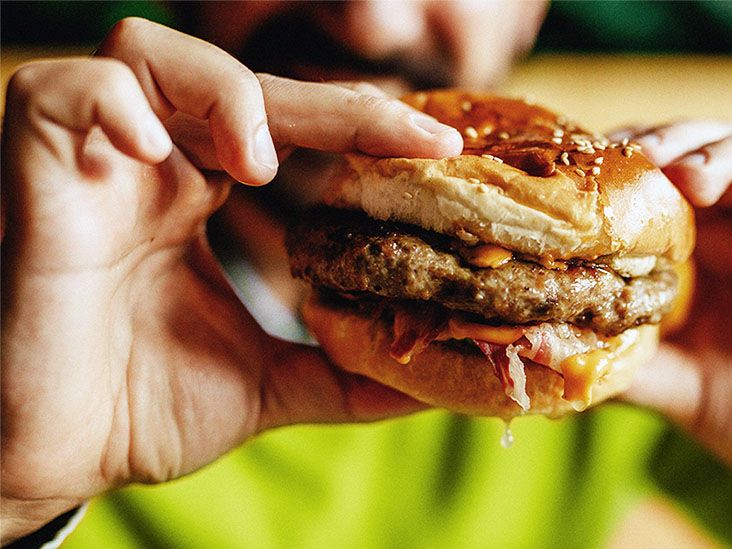
This does not mean one cheeseburger automatically turns your arteries into a traffic jam. Health is built by patterns, not one meal. But if most meals look like a tribute concert for bacon, butter, and fried food, LDL cholesterol may start climbing. Replacing some saturated fats with unsaturated fats from foods such as olive oil, avocados, nuts, seeds, and fish can support healthier cholesterol levels.
2. Trans Fat and Processed Foods
Trans fat is the dietary equivalent of a bad roommate: it raises LDL cholesterol and can lower HDL cholesterol. Artificial trans fats were once common in partially hydrogenated oils used in some baked goods, fried foods, stick margarines, and shelf-stable snacks. Regulations have reduced artificial trans fats in the U.S. food supply, but it is still smart to read labels and watch for “partially hydrogenated oils.”
Highly processed foods can also be a problem because they often bring a package deal: unhealthy fats, refined carbohydrates, excess sodium, and large portions. That combination can contribute not only to cholesterol issues but also to weight gain, high blood pressure, and blood sugar problems.
3. Not Enough Physical Activity
A sedentary lifestyle can make cholesterol harder to manage. Regular movement helps raise HDL cholesterol, supports weight management, improves insulin sensitivity, and helps the body use fats more efficiently. Sitting all day does not mean you are doomed, but your body was not designed to operate like a laptop permanently stuck in sleep mode.
Physical activity does not have to mean training like an Olympic athlete who has a personal vendetta against treadmills. Walking, cycling, dancing, swimming, playing sports, taking stairs, gardening, and active chores can all help. The goal is consistency. Your arteries appreciate boring regularity more than heroic one-week fitness explosions.
4. Smoking and Tobacco Exposure
Smoking damages blood vessels, lowers HDL cholesterol, increases inflammation, and makes plaque buildup more dangerous. It can also make LDL cholesterol more likely to contribute to artery damage. In other words, smoking does not simply affect the lungs. It throws confetti at multiple heart disease risk factors, and unfortunately, the confetti is made of problems.
Quitting tobacco can improve HDL cholesterol and reduce cardiovascular risk over time. Even exposure to secondhand smoke can be harmful, especially for people who already have other risk factors such as high blood pressure, diabetes, or a family history of heart disease.
5. Excess Weight and Metabolic Health
Carrying excess body weight, especially around the abdomen, can contribute to unhealthy cholesterol patterns. It is often associated with higher triglycerides, lower HDL cholesterol, insulin resistance, and increased inflammation. However, it is important to understand that body size is not the whole story. A person can be thin and still have high LDL cholesterol because of genetics, diet, medical conditions, or other factors.
Weight is one part of a larger metabolic picture. Blood pressure, blood sugar, cholesterol numbers, waist size, fitness level, sleep, and family history all matter. The goal is not to chase a perfect body shape. The goal is to improve health markers in a realistic, sustainable way.
6. Genetics and Family History
Some people inherit a tendency toward high cholesterol. Familial hypercholesterolemia, often shortened to FH, is a genetic condition that causes very high LDL cholesterol, sometimes beginning in childhood. People with FH can eat reasonably well, stay active, and still have cholesterol levels that need medical treatment.
This is why “just eat better” is not always a complete answer. For some people, lifestyle changes help but are not enough. If close relatives had early heart disease, heart attacks, strokes, or very high cholesterol, that family history matters. It is not a reason to panic, but it is a reason to get checked and have a thoughtful conversation with a healthcare professional.
7. Age and Hormonal Changes
Cholesterol levels often rise with age. The liver may become less efficient at clearing LDL cholesterol from the blood, and lifestyle patterns can accumulate over time. Hormonal changes can also influence cholesterol. For example, after menopause, LDL cholesterol and total cholesterol may increase in some women.
This does not mean high cholesterol is inevitable. It means screening becomes more important as people get older. A lipid panel is a simple blood test that can measure total cholesterol, LDL cholesterol, HDL cholesterol, and triglycerides. It is not glamorous, but neither is guessing.
8. Diabetes and Insulin Resistance
Diabetes and insulin resistance can change blood lipid patterns. Many people with diabetes have higher triglycerides, lower HDL cholesterol, and smaller, denser LDL particles that may be more harmful. This combination increases the risk of atherosclerosis and cardiovascular disease.
Managing blood sugar, cholesterol, blood pressure, and lifestyle habits together is especially important for people with diabetes. These risk factors tend to travel in groups, like an annoying group chat you did not ask to join.
9. Thyroid, Kidney, and Liver Conditions
Certain medical conditions can cause or worsen high cholesterol. An underactive thyroid, known as hypothyroidism, can raise LDL cholesterol. Kidney disease can affect lipid metabolism. Some liver conditions may also interfere with how cholesterol is processed.
This is why a healthcare provider may look beyond diet when cholesterol numbers are unexpectedly high. Sometimes the cholesterol result is not just a food story; it is a clue that another health issue may need attention.
10. Certain Medications
Some medications can affect cholesterol or triglyceride levels. Examples may include certain steroids, some medications used for acne, some HIV treatments, certain antipsychotic medications, some anti-seizure drugs, and specific blood pressure medications. This does not mean these medications are “bad” or should be stopped without medical guidance. It means cholesterol monitoring may be part of the bigger care plan.
If cholesterol levels change after starting a medication, a healthcare professional can help weigh benefits, risks, alternatives, and monitoring options. Never stop a prescribed medication on your own because an internet article gave you an eyebrow raise.
Foods That Can Raise Cholesterol
The foods most strongly linked to higher LDL cholesterol are usually high in saturated fat, trans fat, or both. Common examples include fatty red meat, bacon, sausage, hot dogs, butter, full-fat cheese, cream, pastries, pies, cookies, fried foods, fast food, and some packaged snacks.
Highly refined carbohydrates and sugary drinks do not contain cholesterol, but they can still worsen triglycerides and overall metabolic health. That matters because cholesterol risk is not just about one number. A lipid panel tells a bigger story.
What About Eggs and Shrimp?
Eggs and shrimp contain dietary cholesterol, but for many people, saturated fat and trans fat have a stronger effect on LDL cholesterol than cholesterol from foods alone. That said, individual responses vary. Some people are more sensitive to dietary cholesterol, and people with diabetes or existing heart disease may need more personalized advice.
The practical takeaway is simple: do not build your entire cholesterol strategy around one food. Look at the full plate. Eggs with vegetables and whole-grain toast are a different pattern than eggs with bacon, buttered biscuits, and a side of “I’ll start Monday.”
Can Stress Cause High Cholesterol?
Stress may not directly pour cholesterol into your bloodstream like syrup on pancakes, but it can affect habits that influence cholesterol. Chronic stress can lead to less sleep, less movement, more convenience food, smoking, overeating, and skipped medical appointments. Stress hormones may also influence inflammation and metabolism.
Managing stress is not just about feeling calm and becoming a person who owns too many candles. It can support healthier routines. Better sleep, regular movement, social connection, and realistic planning can all make cholesterol management easier.
Why High Cholesterol Often Has No Symptoms
High cholesterol is usually silent. You can have very high LDL cholesterol and feel perfectly fine. That is why screening matters. Waiting for symptoms is not a reliable strategy because the first sign of artery disease can be serious.
A lipid panel can show whether cholesterol levels are in a healthy range. Doctors may also consider age, blood pressure, smoking status, diabetes, family history, and other risk factors when deciding whether lifestyle changes, medication, or both are appropriate.
How High Cholesterol Raises Heart Risk
When LDL cholesterol stays high, it can enter artery walls and contribute to plaque formation. Plaque can narrow arteries, reduce blood flow, and make arteries less flexible. If plaque ruptures, a blood clot can form. Depending on where that clot travels or blocks blood flow, it can contribute to a heart attack or stroke.
This process, called atherosclerosis, usually develops over years. That slow timeline is actually good news. It means many people have time to act before major damage occurs. Cholesterol management is not about panic; it is about prevention.
What You Can Do to Lower High Cholesterol Risk
Choose More Unsaturated Fats
Replacing saturated fats with unsaturated fats can help improve LDL cholesterol. Good options include olive oil, canola oil, nuts, seeds, avocado, and fatty fish. The key word is “replace.” Adding nuts on top of an already high-calorie, high-saturated-fat diet is not magic. Nutrition is not a coupon code.
Eat More Soluble Fiber
Soluble fiber helps reduce LDL cholesterol by binding to cholesterol in the digestive tract. Foods rich in soluble fiber include oats, beans, lentils, apples, pears, barley, and some vegetables. A bowl of oatmeal will not wear a superhero cape, but it does useful work.
Move Regularly
Regular physical activity can raise HDL cholesterol and improve heart health. Walking after meals, taking active breaks, exercising with friends, or choosing activities you actually enjoy can make movement more sustainable. The best exercise is not the trendiest one; it is the one you will repeat.
Avoid Tobacco
Avoiding smoking and tobacco products supports healthier HDL cholesterol and protects blood vessels. For people who smoke, quitting is one of the most powerful steps for heart health.
Get Checked
Because high cholesterol is usually symptom-free, testing is essential. A lipid panel helps identify LDL cholesterol, HDL cholesterol, total cholesterol, and triglycerides. People with family history, diabetes, high blood pressure, or other risk factors may need earlier or more frequent testing.
Common Myths About High Cholesterol
Myth 1: Only Older People Get High Cholesterol
Cholesterol problems are more common with age, but younger people can have high cholesterol too, especially if they have familial hypercholesterolemia, diabetes, obesity, or strong family history.
Myth 2: Thin People Cannot Have High Cholesterol
Body size does not guarantee healthy cholesterol. Genetics, diet quality, hormones, and medical conditions can raise LDL cholesterol in people of any size.
Myth 3: If I Feel Fine, My Cholesterol Is Fine
High cholesterol often has no symptoms. Feeling fine is wonderful, but it is not a lab result. Testing is the only way to know your numbers.
Myth 4: Medication Means Lifestyle Does Not Matter
Medication can be very effective, especially for people at higher risk, but lifestyle still matters. Food choices, movement, sleep, tobacco avoidance, and blood pressure control all support cardiovascular health.
Experiences Related to High Cholesterol: What Real Life Often Looks Like
For many people, learning they have high cholesterol feels confusing because nothing hurts. There is no dramatic moment, no sudden lightning bolt, no cholesterol alarm shouting from the refrigerator. It usually starts with a routine blood test. A person goes in for a physical, expects a polite “everything looks fine,” and instead hears, “Your LDL is higher than we would like.” Suddenly, breakfast has a plot twist.
One common experience is surprise. Someone may cook at home, avoid obvious junk food, and still have high LDL cholesterol. That surprise often makes more sense after looking at family history. Maybe a parent had high cholesterol. Maybe an uncle had a heart attack young. Maybe several relatives take cholesterol medication but nobody talks about it because family health history is somehow treated like a classified government file. Genetics can quietly influence cholesterol for years before anyone notices.
Another experience is realizing that “healthy-looking” meals are not always cholesterol-friendly. A salad loaded with creamy dressing, cheese, bacon bits, and fried toppings may technically contain lettuce, but lettuce cannot carry the whole moral burden of that plate. A smoothie with fruit, sweetened yogurt, and added sugar may feel healthy but still push overall calories and sugar high. A low-carb diet heavy in butter, cheese, and fatty meats may help some people lose weight but raise LDL cholesterol in others. The body is not a simple calculator; it is more like a complicated group project where the liver does most of the work and refuses to send clear emails.
People also discover that small swaps can feel more realistic than total reinvention. Changing from butter to olive oil, choosing oatmeal a few mornings a week, adding beans to soups, switching from full-fat dairy to lower-saturated-fat options, or replacing processed meats with fish, poultry, or plant proteins can create momentum. These changes are not glamorous. Nobody throws a parade because you bought lentils. But over weeks and months, small choices can support better numbers.
Another real-life lesson is that cholesterol improvement is easier when the whole household gets involved. It is hard to eat more vegetables when the kitchen looks like a snack museum. Families often do better when heart-friendly foods are normal rather than treated like punishment. A dinner with grilled salmon, roasted vegetables, brown rice, and fruit can be satisfying. So can chili made with beans, lean turkey, or extra vegetables. Cholesterol-friendly eating does not have to taste like cardboard with a side of regret.
Many people also learn that movement matters more when it becomes part of life instead of a temporary “fitness challenge.” A person may start with ten-minute walks after dinner. Then those walks become twenty minutes. Then stairs feel easier. Sleep improves. Stress drops. The cholesterol numbers may improve too, especially HDL and triglycerides. Even when LDL needs medication, movement still helps the heart, blood pressure, blood sugar, and mood.
Finally, one of the most important experiences is learning not to treat medication as failure. Some people can make excellent lifestyle changes and still need cholesterol-lowering medicine because of genetics or high cardiovascular risk. That is not weakness. That is using the tools available. Glasses help people see; inhalers help people breathe; cholesterol medications can help lower risk when appropriate. The smartest approach is not “natural versus medical.” It is “what actually reduces risk safely for this person?”
High cholesterol can be frustrating, but it is also manageable. The first step is knowing your numbers. The next step is understanding why they are high. From there, the plan becomes less mysterious: improve food patterns, move more, avoid tobacco, manage related conditions, follow medical advice, and keep checking progress. Cholesterol may be quiet, but your response does not have to be passive.
Conclusion: High Cholesterol Has Many Causes, But It Is Not a Mystery
High cholesterol is usually caused by a mix of factors: diet, genetics, inactivity, smoking, weight, age, medical conditions, medications, and family history. Saturated fat and trans fat can raise LDL cholesterol. Lack of exercise can lower HDL cholesterol. Diabetes, thyroid problems, kidney disease, and inherited conditions can make cholesterol harder to control. And because high cholesterol usually has no symptoms, testing is essential.
The encouraging part is that cholesterol is measurable and often manageable. You do not need a perfect lifestyle. You need informed, consistent choices and, when necessary, professional medical support. Start with your numbers, understand your risk, and make changes that are realistic enough to survive contact with real life. Your heart does not need perfection. It needs a plan.