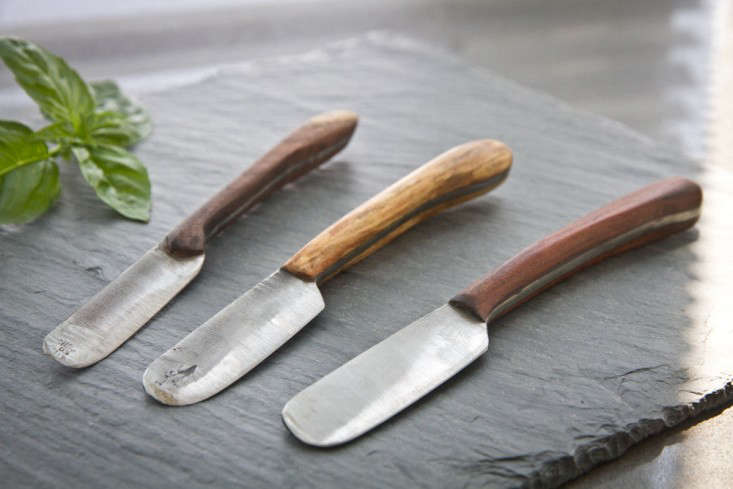
The Chelsea Miller Knives Small Multipurpose Knife is not the kind of kitchen tool that quietly hides in a drawer between a bargain paring knife and a mystery gadget from a holiday gift basket. It has personality. It has texture. It has a backstory. And, most importantly, it is designed to do the little jobs that happen constantly in a real kitchen: slicing fruit, trimming cheese, cutting herbs, preparing snacks, and turning “I’ll just make something quick” into a small domestic performance.
Made by Chelsea Miller, a Brooklyn-based knife artist with roots in rural Vermont, this small multipurpose knife belongs to a very specific world of handmade culinary tools. It is functional, rustic, collectible, and slightly rebellious. Instead of chasing the polished perfection of mass-produced cutlery, it celebrates visible material history: high-carbon steel, reclaimed character, natural wood, brass pins, and a blade that looks like it has already lived an interesting life before landing on your cutting board.
For cooks who love handmade objects, the appeal is immediate. For people who only care whether a knife cuts, the question becomes more practical: is a small Chelsea Miller knife useful enough for daily cooking? The answer depends on what you expect from it. If you want a low-maintenance dishwasher-safe workhorse, this may not be your easiest choice. If you want a compact kitchen knife with soul, sharpness, and conversation-starting beauty, this piece makes a very strong case for itself.
What Is the Chelsea Miller Small Multipurpose Knife?
The Chelsea Miller Small Multipurpose Knife is a compact handmade kitchen knife designed for small prep tasks, casual entertaining, and detailed cutting. Earlier product references describe it as having a blade of about 3.5 inches and an overall length of around 7.5 inches, though exact measurements can vary because each piece is handmade. That size places it somewhere between a paring knife and a petite utility knife: small enough for control, but more substantial than a tiny fruit knife.
The knife has been associated with high-carbon steel file material, a spalted maple handle, and brass pins. The handle wood has been described as coming from trees connected to Chelsea Miller’s childhood farm in Vermont, which is a major part of the brand’s emotional and aesthetic identity. This is not just “wood handle, metal blade, done.” It is a tool built around place, memory, and the idea that kitchen objects can carry a story without needing to shout about it.
Because of its handmade nature, no two knives look exactly the same. The color of the wood, the surface of the steel, and the rustic texture can vary. That variation is part of the appeal. A factory knife wants to be identical to the one next to it. A Chelsea Miller knife wants to be itself, thank you very much.
The Story Behind Chelsea Miller Knives
Chelsea Miller grew up in rural Vermont, surrounded by hands-on craft. Her father was a carpenter and blacksmith, and that background helped shape her relationship with materials long before she became known for knives. After moving to New York, she eventually returned to the physical satisfaction of making things by hand, working with steel, wood, heat, pressure, and patience.
Her knives are widely recognized for their connection to recycled horseshoe rasps and high-carbon steel files. A horseshoe rasp is a farrier’s tool used to file horse hooves. In Miller’s work, this utilitarian farm object is transformed into a culinary blade. The rasp’s original texture is often preserved in some form, giving the knife a dramatic surface that feels both rugged and refined. It is the culinary equivalent of turning a weathered barn beam into a dining table: still practical, but now full of atmosphere.
Her work has received attention from design, food, and lifestyle publications because it sits at the intersection of craft, cooking, and art. The knives are often described as one-of-a-kind pieces rather than anonymous tools. That does not mean they are only decorative. It means the function and the look are inseparable.
Design and Materials: Rustic, Practical, and Personal
High-Carbon Steel with Character
High-carbon steel is loved by many cooks because it can take a very sharp edge and respond well to sharpening. Compared with stainless steel, however, it requires more attention. It can discolor, develop a patina, and rust if neglected. In other words, it behaves less like a kitchen appliance and more like a cast-iron skillet: treat it well, and it rewards you; abandon it wet in the sink, and it will send a strongly worded message in orange.
For a small multipurpose knife, high-carbon steel makes sense. Small knives are often used for precise cuts, and a keen edge matters when trimming strawberries, slicing citrus, cutting firm cheese, or mincing a small amount of garlic. The tactile quality of the steel also reinforces the handmade identity of the knife.
A Handle That Feels Connected to Place
The handle is one of the most charming elements of the Chelsea Miller Small Multipurpose Knife. Spalted maple gives the knife visual warmth, with natural markings that can look almost painted. Brass pins add a traditional touch, securing the handle while contributing a subtle golden contrast.
Unlike many modern knives with synthetic handles built for maximum uniformity, this handle has a sense of place. It suggests a farmhouse, a workshop, a stack of cut wood, and someone choosing material not because it is trendy, but because it means something. That emotional detail helps explain why Chelsea Miller knives often attract people who care about design as much as performance.
What Is a Small Multipurpose Knife Used For?
A small multipurpose knife is the tool you reach for when a chef’s knife feels like overkill. It is not meant to break down a squash, carve a roast, or intimidate a watermelon into surrender. It is for the small, quick, frequent tasks that make up everyday cooking.
Best Everyday Uses
The Chelsea Miller Small Multipurpose Knife is especially well suited for:
- Cutting apples, pears, peaches, plums, and citrus
- Slicing small cheeses for a snack board
- Trimming herbs, scallions, radishes, or small vegetables
- Peeling or shaping produce when a peeler is not ideal
- Cutting sandwiches, pastries, or small baked goods
- Preparing garnishes for cocktails or desserts
- Serving as a beautiful cheese-board companion
Its compact size gives the user control. A larger knife may be faster for bulk prep, but small knives are friendlier for detailed work. If you are cutting a single lemon, trimming a few figs, or slicing a wedge of aged cheddar, this knife feels right at home.
Performance: Where This Knife Shines
The strongest argument for the Chelsea Miller Knives Small Multipurpose Knife is not that it replaces every knife in your kitchen. It does not. The strongest argument is that it makes small kitchen moments feel better. A good small knife should be nimble, sharp, easy to pick up, and pleasant to use. This knife aims for that intimate, close-at-hand role.
On a cheese board, it looks fantastic. On a cutting board, it handles small produce confidently. In a picnic basket or entertaining setup, it becomes both a tool and a visual centerpiece. For people who enjoy hosting, that matters. A knife like this makes guests ask questions, and suddenly you are explaining Vermont farm wood and repurposed steel while someone reaches for another slice of cheese. Congratulations: your appetizer has lore.
Because it is handmade and rustic, buyers should not expect the exact consistency of a mass-produced Japanese petty knife or German paring knife. This is a craft object. The value lies partly in the edge and partly in the handmade experience. For cooks who want mathematical symmetry, ultra-polished finishing, and stainless convenience, there are other excellent options. For cooks who want something expressive, the Chelsea Miller knife has a much stronger emotional pull.
How to Care for a Chelsea Miller High-Carbon Steel Knife
Knife care is where romance meets responsibility. High-carbon steel needs a little attention, but the routine is simple once it becomes habit.
Wash by Hand
Do not put a handmade high-carbon steel knife in the dishwasher. The heat, detergent, vibration, and prolonged moisture are all bad news. Wash it gently by hand with mild soap and a damp cloth or sponge. Avoid soaking it in the sink. A sink is where good knives go to question your loyalty.
Dry Immediately
After washing, dry the blade and handle thoroughly with a clean towel. Moisture is the enemy of carbon steel. Even if the knife looks dry, give special attention to the area around the handle and any textured parts of the steel.
Use Food-Grade Mineral Oil
A light coat of food-grade mineral oil can help protect the blade and handle. This is especially useful if you live in a humid climate or will store the knife for a while. Mineral oil is popular for carbon steel knives and wooden kitchen tools because it helps create a moisture barrier without becoming sticky or rancid like some cooking oils.
Accept the Patina
Over time, high-carbon steel develops a patina. This natural darkening is not a defect. In fact, many carbon-steel knife fans consider patina part of the blade’s personality. It is a visual record of use: citrus, onions, apples, time, and dinner. Red rust is a problem; patina is character.
Sharpen Thoughtfully
When the edge dulls, use a whetstone or a qualified professional sharpener. A honing steel can help realign the edge between sharpenings, but it does not replace sharpening. Avoid aggressive pull-through sharpeners, especially on handmade knives, because they can remove too much metal and alter the edge geometry.
Who Should Buy the Chelsea Miller Small Multipurpose Knife?
This knife is best for cooks who enjoy the ritual of cooking as much as the result. It is for people who notice the grain of a cutting board, the shape of a spoon, the balance of a mug, and the quiet pleasure of using something made by hand.
It is also a strong gift choice for someone who already owns the basics. Most home cooks have a chef’s knife. Many have a paring knife. Fewer have a handmade small multipurpose knife with a Vermont-and-Brooklyn backstory. That makes it memorable for birthdays, weddings, housewarmings, culinary-school graduations, or the beloved friend who can turn three olives and a cracker into “a little board.”
However, it may not be the best choice for someone who wants maintenance-free convenience. If the future owner is likely to toss it into the dishwasher, leave it wet overnight, or use it to open cardboard boxes, choose a stainless budget knife instead. A Chelsea Miller knife deserves a user who understands that care is part of ownership.
How It Compares with a Regular Paring Knife
A standard paring knife is usually inexpensive, lightweight, and extremely practical. It excels at peeling, trimming, coring, and delicate handheld work. Many excellent paring knives cost far less than handmade artisan pieces. So why consider a Chelsea Miller Small Multipurpose Knife?
The difference is not only cutting ability. It is experience, material, and design. A regular paring knife is often a pure utility object. This knife is utility plus story. It can do many of the same small tasks, but it also brings visual presence to the kitchen. On a dinner table or cheese board, it does not look like something grabbed from the prep drawer. It looks intentional.
That makes it less of a strict replacement and more of an elevated companion. Use the inexpensive paring knife for messy, repetitive jobs. Use the Chelsea Miller knife when you want precision, pleasure, and a little kitchen theater.
Why Handmade Kitchen Tools Still Matter
Modern kitchens are full of efficient things. Some are wonderful. Some beep too much. A handmade knife pushes in the opposite direction. It asks the user to slow down, pay attention, and appreciate the object in hand. That may sound poetic, but it has practical benefits. When you care about a knife, you are more likely to keep it sharp, store it properly, and use it with intention.
There is also sustainability value in the idea of reclaimed materials. Turning old steel into a new culinary tool gives the material another life. It does not make the knife automatically superior to every new-steel blade, but it gives the object a layered identity. The blade was once part of a working tool; now it works in a kitchen. That transformation is central to the Chelsea Miller appeal.
Buying Considerations Before You Choose One
Before purchasing a Chelsea Miller Small Multipurpose Knife or any handmade knife from the brand, consider availability, price, care requirements, and intended use. Chelsea Miller’s current collections include artisan handmade pieces and more accessible small-batch stainless steel options. Older small multipurpose models may appear through archived retailers, design references, resale listings, or special collections, so buyers should verify the exact material, size, and condition before purchasing.
Because handmade knives vary, photos matter. Look closely at the handle, blade finish, edge condition, and dimensions. If buying secondhand, ask whether the knife has been sharpened, whether rust has appeared, and whether the handle has been oiled. A well-kept carbon-steel knife can age beautifully. A neglected one may need restoration.
Also think about how you cook. If you prepare large meals every day, this knife will not replace a chef’s knife. If you often make small plates, fruit snacks, cheese boards, cocktails, salads, and quick lunches, it may become one of the most enjoyable tools in your kitchen.
Experience Notes: Living with a Chelsea Miller Small Multipurpose Knife
Using a Chelsea Miller Knives Small Multipurpose Knife feels different from grabbing an ordinary paring knife. The first thing you notice is the texture. Many kitchen knives try to disappear into smoothness, but this one has visual grip before it even touches food. The blade surface, the natural handle, and the handmade proportions all remind you that a person shaped this object. That awareness changes the way you use it.
Imagine setting up a simple snack board: a wedge of sharp cheddar, a few figs, apple slices, toasted nuts, and maybe a small bowl of honey. A basic knife will cut the food, of course. But the Chelsea Miller knife adds atmosphere. It looks at home beside rustic bread and fruit. It makes the board feel curated rather than assembled during a fridge raid. The knife becomes part of the presentation, not just the tool used before the presentation.
In daily prep, the compact size is practical. It is easy to reach for when cutting a lime for sparkling water, trimming the end from a cucumber, or slicing a small tomato for toast. The blade length gives enough room for small board work without feeling clumsy. It is especially satisfying for tasks that require control rather than force. You do not want to bully food with this knife. You want to guide it.
The care routine becomes part of the experience as well. After use, you wash it, dry it, and maybe give it a whisper-thin coat of mineral oil. At first, that may feel fussy. After a while, it feels like respecting the tool. The same way coffee people enjoy cleaning a manual grinder or cast-iron fans enjoy seasoning a skillet, knife people often enjoy the small rituals that keep a blade alive.
The patina also tells a story. Slice enough apples, citrus, onions, and cheese, and the steel begins to change. Some areas darken. The blade looks less new, but more yours. That is one of the quiet pleasures of carbon steel. Stainless steel stays more visually neutral; carbon steel keeps receipts.
There are, however, realistic limits. This is not the knife to lend casually to someone who thinks “hand wash only” is a suggestion written by dramatic people. It is not ideal for heavy chopping, frozen food, bones, hard squash, or careless sink behavior. It is also not the most logical purchase for someone building a first kitchen on a tight budget. In that case, a dependable chef’s knife and a simple paring knife should come first.
But for the cook who already has the basics, the Chelsea Miller Small Multipurpose Knife offers something more emotional. It makes small tasks feel special. It encourages slower handling. It turns a quick apple slice into a tiny moment of craft appreciation. That may sound romantic, but kitchens need a little romance. Otherwise, dinner is just logistics with garlic.
The best experience comes when you use the knife often enough to know it, but carefully enough to preserve it. Keep it visible on a magnetic strip or protected in a blade guard. Use it for fruit, cheese, herbs, small vegetables, and elegant prep. Dry it immediately. Watch the patina develop. Let guests ask about it. Tell the story. Then slice another piece of cheese, because honestly, that is why everyone gathered near the board in the first place.
Final Verdict
The Chelsea Miller Knives Small Multipurpose Knife is a distinctive handmade kitchen knife for people who value craft, story, and tactile beauty. Its small size makes it useful for everyday prep and entertaining, while its high-carbon steel and natural handle materials give it a rich, rustic identity. It is not the easiest knife to maintain, and it is not meant to replace every blade in the kitchen. But as a small, beautiful, functional tool, it delivers something mass-produced knives rarely provide: a sense of connection.
If you want a knife that can slice fruit, serve cheese, start conversations, and make your kitchen feel more personal, this small multipurpose knife is worth serious attention. Just remember the golden rule: wash it, dry it, oil it, and never abandon it in the sink like a villain in a cooking show.