Cheese has a sneaky talent for multiplying in the fridge. One day you buy a modest block of cheddar for burgers, and three days later your deli drawer looks like it is preparing for a dairy-themed talent show. Then comes the big question: can you freeze cheese, and should you? The short answer is yes, you usually can. The better answer is a little more deliciously complicated.
Freezing cheese is often a smart way to cut food waste, save money, and rescue that “I swear I was going to use this for lasagna” purchase from a sad ending. But not every cheese handles the cold with grace. Some come out of the freezer ready for melted glory. Others emerge with the texture of a nervous sponge and the personality of wet chalk. So the real issue is not just whether cheese can be frozen. It is whether freezing will leave you with a result you still want to eat.
If you want the practical version, here it is: hard and semi-hard cheeses tend to freeze best, especially when you plan to cook with them later. Soft, fresh, and high-moisture cheeses can be frozen in some cases, but they usually lose points in texture, creaminess, and charm. In other words, freezer cheese is often great for casseroles, sauces, soups, pizza, and baking. It is much less exciting for a fancy cheese board where people expect elegance and not emotional damage.
The Short Answer: Yes, You Can Freeze Cheese
Cheese can usually be frozen safely, especially if your freezer is cold enough and the cheese is wrapped well. But “safe” and “still fabulous” are not the same thing. Freezing slows spoilage, helps you hang onto cheese longer, and can buy you time when you overbought for taco night. What it does not do is preserve every cheese in its original, dreamy state.
That is because cheese contains water, fat, protein, and sometimes active cultures that all react differently to freezing. When the water inside cheese freezes, it forms ice crystals. Those crystals can disrupt the structure of the cheese. After thawing, the result may be drier, crumblier, grainier, or more watery than before. Some cheeses shrug this off. Others absolutely do not.
So yes, you can freeze cheese. The more useful question is this: are you freezing it for future snacking, or are you freezing it for cooking? If the answer is cooking, you are already winning.
Should You Freeze Cheese?
You should freeze cheese when doing so solves a real problem. Maybe you found a great sale on cheddar, bought a giant bag of shredded mozzarella for one homemade pizza, or opened a wedge of Parmesan that you know you will not finish soon. In those cases, freezing can be a smart move.
You probably should not freeze cheese when the whole point is texture. If you bought creamy Brie, fresh mozzarella, ricotta, burrata, or a beautiful goat cheese log for a platter, the freezer is not your friend. Those cheeses are best enjoyed fresh, cold, and fully in their feelings. Freezing them often changes the consistency enough that the original appeal disappears.
Think of freezing cheese as a trade: you gain time, reduce waste, and protect your budget, but you may lose some smoothness, sliceability, and luxury. That trade is often worth it for cooking cheese. It is usually less worth it for show-off cheese.
Which Cheeses Freeze Best?
Best Candidates for the Freezer
Hard and semi-hard cheeses are usually the best choices. These include cheddar, Swiss, Monterey Jack, Colby, Gouda, provolone, Parmesan, Pecorino, and low-moisture mozzarella. These cheeses tend to have less water than softer cheeses, so they come through freezing with fewer dramatic texture issues.
Even then, expect some change. A block of cheddar may become a little more crumbly after thawing. Shredded mozzarella may not feel exactly the same as it did fresh from the bag. But once that cheese is headed into mac and cheese, enchiladas, baked ziti, grilled cheese, or a bubbling pan of potatoes au gratin, most people will not notice or care. Melted cheese is a generous creature.
Cheeses That Can Freeze, But With Caveats
Some softer block cheeses, like part-skim mozzarella or even cream cheese, can be frozen if you are realistic about the result. Cream cheese, for example, may come back grainier or less smooth, which makes it less ideal for spreading on a bagel but still useful in baking, dips, or cooked sauces. Cottage cheese and other fresh cheeses can also be frozen in a pinch, but they usually work better after thawing as ingredients in cooked dishes rather than as stars on the plate.
Cheeses That Usually Do Not Love the Freezer
Brie, Camembert, ricotta, burrata, fresh mozzarella packed in liquid, and many soft goat cheeses are poor freezer candidates if texture matters to you. The higher the moisture, the more likely the cheese will thaw watery, grainy, or oddly separated. Blue cheese can be a mixed bag. Some people freeze it successfully for crumbling into salads or cooking, but delicate texture and flavor can still take a hit.
If the cheese was bought because it is creamy, spreadable, fluffy, or luxuriously soft, think twice before freezing it. The freezer is not known for subtlety.
Why Freezing Changes Cheese
This is the science section, but stay with me. No lab goggles required. Cheese may seem solid, but it is really a network of proteins, fat, moisture, and air. When it freezes, the water inside turns to ice. Ice crystals can break apart that structure. After thawing, the cheese may release moisture unevenly or lose its original texture. That is why a once-smooth cheese can become crumbly, gritty, or a little sad.
Higher-moisture cheeses suffer the most because they contain more water to freeze in the first place. Lower-moisture cheeses usually fare better because there is simply less internal water to form disruptive crystals. That is also why pre-shredded or grated cheese often freezes reasonably well. It is already broken down into smaller pieces, so texture changes are less obvious, and it is probably headed for a melted application anyway.
Flavor can change too, though texture is usually the bigger issue. Very fine cheeses with delicate aromas, aging characteristics, or carefully balanced creaminess may lose some of what made them special. That expensive wedge you bought for a wine night deserves better than being forgotten behind frozen peas for four months.
How to Freeze Cheese the Right Way
If you are going to freeze cheese, do it like a person with standards. Proper wrapping matters because air is the enemy. It causes freezer burn, dries out the cheese, and invites that stale freezer flavor nobody asked for.
1. Portion It First
Freeze cheese in smaller portions you can use in one go. Half-pound pieces or recipe-size bundles work well. This prevents repeated thawing and refreezing, which only makes texture worse.
2. Wrap It Well
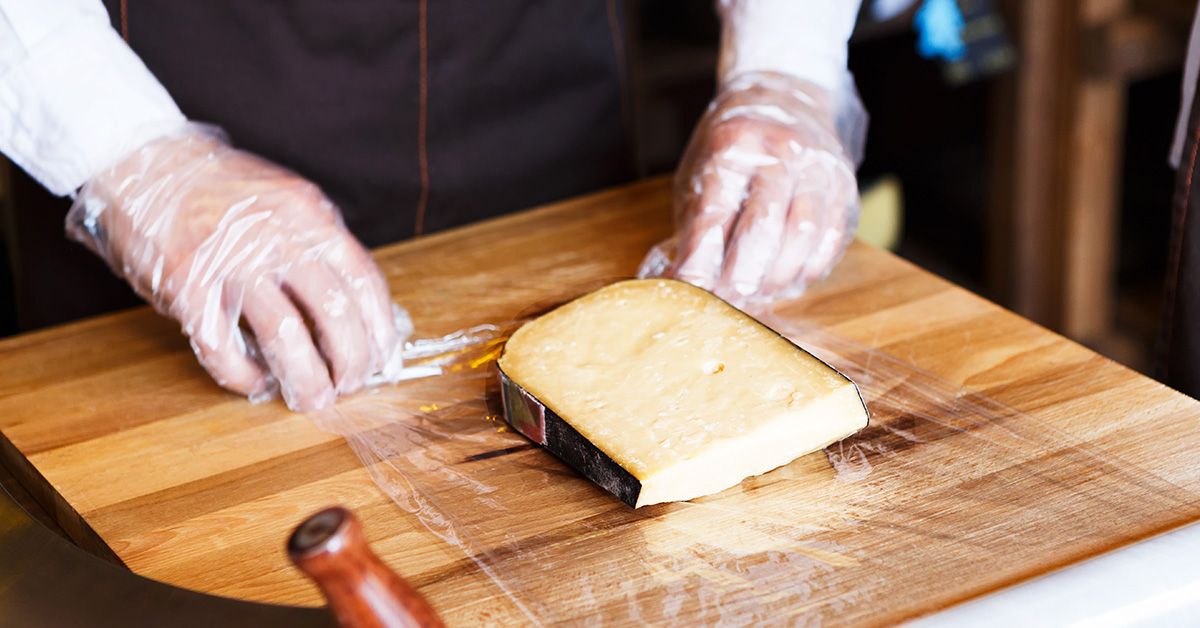
For blocks, wrap the cheese tightly in parchment, wax paper, plastic wrap, or foil, then place it in a freezer-safe bag or airtight container. The goal is to reduce contact with air and moisture loss. For shredded cheese, press out as much air as possible from the bag before freezing.
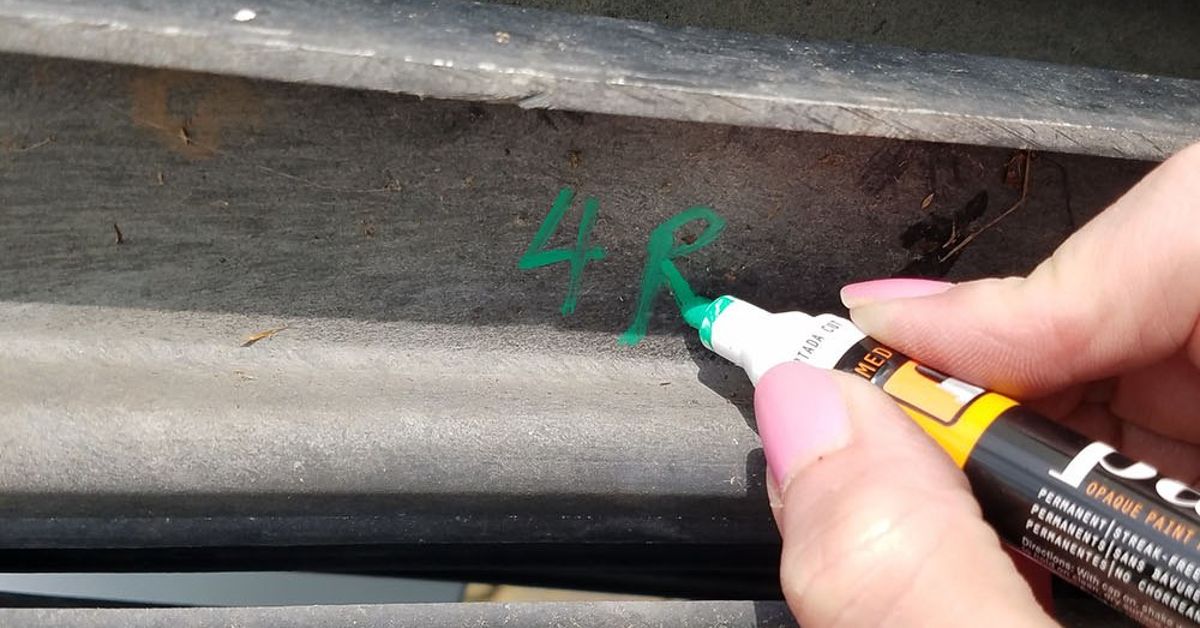
3. Label and Date It
Freezer confidence is great until you discover three anonymous white lumps in six weeks and can no longer tell whether they are mozzarella, provolone, or a science fair project. Label the type of cheese and the date it went in.
4. Freeze Quickly
The faster the cheese freezes, the better. Keep your freezer at a steady temperature and place cheese in a cold part of the freezer rather than in the door, where temperatures fluctuate more.
How Long Can You Freeze Cheese?
For food safety, frozen foods can keep much longer than most people think, but quality is the real deadline. With cheese, many experts suggest using frozen hard or shredded cheese within about two to six months for the best texture and flavor. Some cheeses may remain usable beyond that, but they are less likely to taste or feel their best.
If you are freezing cream cheese, fresher soft cheeses, or more delicate varieties, a shorter window is usually wiser. The longer cheese stays frozen, the more likely it is to dry out, pick up freezer odors, or become unpleasantly crumbly. So while your freezer can act like a pause button, it is not a spa.
How to Thaw Frozen Cheese
The best method is simple: thaw cheese in the refrigerator. Slow thawing helps control moisture loss and gives the cheese the best chance of staying usable. Do not thaw it at room temperature for hours, and do not try to bully it back to life with a microwave unless the cheese is going straight into a cooked dish.
Some shredded cheeses do not need thawing at all. If they are destined for pizza, casseroles, scrambled eggs, or baked pasta, you can often use them straight from the freezer. That is one reason shredded cheese is such a convenient freezer favorite. It skips the awkward reunion phase.
Best Uses for Frozen Cheese
Frozen cheese shines brightest when heat is involved. These are some of the best ways to use it:
- Mac and cheese
- Pizza and flatbreads
- Lasagna, baked ziti, and stuffed shells
- Quesadillas, enchiladas, and nachos
- Soups, cheese sauces, and casseroles
- Biscuits, scones, savory muffins, and baked dips
Frozen Parmesan rinds are especially useful. Toss them into soup, beans, or tomato sauce for extra flavor. It is one of those clever kitchen habits that makes you feel both thrifty and suspiciously sophisticated.
When You Should Skip Freezing Cheese
Skip freezing if the cheese is expensive, delicate, or intended for serving as-is. A well-aged cheddar for a cheese board may still be technically freezable, but if you bought it for its flavor development and perfect texture, the freezer can dull the experience. The same goes for creamy soft cheeses you want to spread, slice prettily, or admire with crackers.
You should also skip freezing if the cheese is already near spoilage. Freezing does not reverse age, prevent every quality problem, or magically improve cheese that is heading downhill. If it smells wrong, looks questionable, or is already drying out badly, freezing may just preserve the disappointment.
So, Can You Freeze Cheese, and Should You?
Yes, you can freeze cheese, and sometimes you absolutely should. If your goal is to save extra cheese for future cooking, freezing is practical, budget-friendly, and often very effective. Hard and semi-hard cheeses usually do best, especially when frozen in small, well-wrapped portions and later used in cooked dishes.
But if your dream is to thaw that cheese and have it return exactly as smooth, supple, and impressive as before, lower your expectations. Freezing is a useful kitchen tool, not a miracle. It preserves opportunity, not perfection.
The smartest rule is this: freeze cheese when convenience matters more than pristine texture. That way, your future self gets dinner help, your grocery bill gets a break, and your cheese does not end up in the trash. Everybody wins, especially the pasta.
Kitchen Experiences: What People Often Learn the Hard Way About Freezing Cheese
Real-life kitchen experience tends to teach the same lesson again and again: frozen cheese is often a hero in cooked food and a bit of a diva when served plain. Ask enough home cooks, and you hear the same stories. The bag of shredded cheddar saved taco night. The extra mozzarella rescued pizza Friday. The half-used block of Monterey Jack melted beautifully into a casserole after weeks in the freezer. In those moments, freezing cheese feels like one of the smartest, least glamorous kitchen habits you can have.
Then there are the cautionary tales. Someone freezes Brie for a holiday board, thaws it, unwraps it, and discovers that the creamy interior is no longer luxuriously creamy. It is just confused. Another person freezes fresh mozzarella and later finds it watery and oddly textured, like it went on a winter retreat and came back with a whole new personality. The cheese is still usable, maybe tucked into baked pasta or melted on toast, but it is no longer the cheese they originally bought.
One of the most common freezer wins is shredding or portioning cheese before freezing. This is the kind of habit that feels a little extra in the moment and brilliant later. A cook freezes one-cup bags of cheddar, pepper jack, or low-moisture mozzarella and suddenly weeknight dinners become easier. No wrestling with a giant frozen block. No thawing more than needed. Just grab, sprinkle, melt, and move on with life like an organized legend.
Another frequent experience is learning that thawed cheese looks slightly rougher than expected but tastes just fine once heated. A crumbly cheddar may seem disappointing when sliced, yet turn utterly convincing in scrambled eggs, soup, garlic bread, or a grilled sandwich. This is where expectations matter. If you treat freezer cheese like a recipe ingredient instead of a centerpiece, it often performs beautifully.
People also learn quickly that wrapping matters. Cheese tossed into the freezer in flimsy packaging often comes back dry, stale, or carrying that mysterious “freezer flavor” that suggests it spent quality time near old ice cubes and forgotten leftovers. Cheese wrapped tightly and protected in an airtight bag does far better. It is not glamorous advice, but it is the difference between “pretty useful” and “why does this taste like the inside of my freezer?”
Perhaps the best experience of all is simply wasting less food. Freezing leftover cheese gives many cooks a backup plan. It turns overbuying into meal prep, not regret. And in a world where groceries are expensive and weeknights are chaotic, that is a genuinely satisfying kitchen win. Frozen cheese may not always come back ready for a photo shoot, but it often comes back ready to help with dinner. Honestly, that is a pretty good personality trait.
Conclusion
Freezing cheese is not a culinary crime. It is a practical strategy. Done right, it helps you stretch your grocery budget, reduce waste, and keep meal-ready ingredients on hand. The key is choosing the right cheese, wrapping it carefully, and using it where texture shifts will not steal the show. Hard and semi-hard cheeses are the safest bet. Soft, fresh, and high-moisture cheeses usually deserve a fresh start in the fridge instead.
So the next time you are staring at extra cheese and wondering whether to freeze it, go ahead and ask the most important follow-up question: what am I going to do with it later? If the answer involves melting, baking, grating, or stirring, your freezer may be the hero of the story.