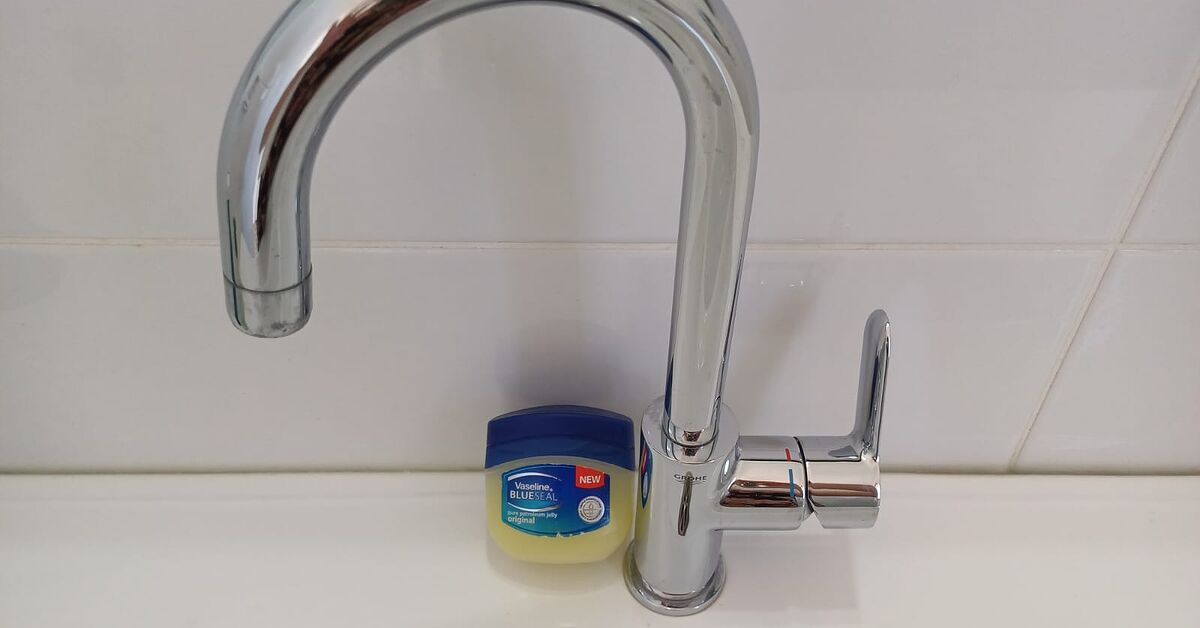
Somewhere in your bathroom cabinet, behind the half-empty sunscreen and the mysterious travel-size shampoo from 2018, there may be a small tub of Vaseline waiting for its main-character moment. Good news: that humble jar is not just for chapped lips. A brilliant Vaseline hack can rescue dry skin, protect rough heels, tame flyaways, prevent hair dye stains, help with squeaky household problems, and generally behave like the tiny, shiny superhero nobody invited but everyone suddenly needs.
Vaseline is a brand name for petroleum jelly, a thick, semi-solid skin protectant made from refined mineral oils and waxes. Its magic is not that it “adds” water to your skin like a hydrating serum. Instead, it works as an occlusive barrier, which is a fancy way of saying it helps seal moisture in and protect the surface. Think of it like putting a lid on leftovers, except the leftovers are your elbows and the lid is much less judgmental.
In this guide, we will explore the best Vaseline hacks for skin care, beauty routines, and simple household fixes. We will also cover when not to use it, because even the most brilliant hack needs boundaries. A jar of petroleum jelly can do a lot, but it should not be treated like a magical potion, sandwich spread, or replacement for medical care. Let us be brilliant, not chaotic.
What Makes Vaseline So Useful?
The reason Vaseline has stayed popular for generations is simple: it is affordable, easy to find, fragrance-free in its classic form, and incredibly versatile. Petroleum jelly creates a protective layer on the skin that helps reduce moisture loss. This is especially helpful for areas that dry out quickly, such as lips, hands, elbows, knees, cuticles, and heels.
Unlike lightweight lotions that disappear faster than snacks at a sleepover, Vaseline stays put. That thickness is exactly why it works well as a barrier. It can protect skin from friction, wind, cold weather, and repeated washing. It can also help keep minor scrapes moist after cleaning, which supports a better healing environment.
The Golden Rule: Hydrate First, Seal Second
Here is the most important Vaseline hack of all: apply it over clean, slightly damp skin or over a moisturizer. Petroleum jelly is excellent at locking in moisture, but it is not a water fountain. If your skin is bone-dry and you apply Vaseline alone, you may get softness from the barrier, but you will usually see better results when there is already hydration underneath.
After washing your hands, showering, or applying lotion, smooth on a thin layer of Vaseline. You do not need to frost yourself like a cupcake. A little goes a long way. Too much can feel greasy, collect lint, and make you question your life choices while trying to open a doorknob.
Brilliant Vaseline Hacks for Skin Care
1. Overnight Lip Rescue
Chapped lips are dramatic. One cold breeze and suddenly your mouth feels like a cracked desert floor. A simple Vaseline hack is to apply a thin layer before bed. For extra comfort, lightly dampen your lips first or apply a simple lip moisturizer, then seal it with petroleum jelly.
This works especially well in winter, in dry indoor air, or after a day of talking, laughing, and pretending you did not lick your lips every five minutes. Avoid applying it over irritated lips that may be reacting to flavored balms, strong fragrances, or harsh exfoliants. Keep it plain and gentle.
2. Soft Hands After Too Much Washing
Frequent handwashing, hand sanitizer, cold weather, and cleaning products can leave hands rough and tight. Before bed, apply a basic hand cream, then add a thin coat of Vaseline over the driest areas. If you want the deluxe spa version, wear cotton gloves for 20 to 30 minutes or overnight.
This is not glamorous, but neither are cracked knuckles. Your hands do a lot for you: typing, cooking, carrying groceries, opening stubborn jars, and dramatically pointing at things. They deserve a little barrier support.
3. Cracked Heel Treatment
Feet are the unpaid interns of the body: always working, rarely appreciated. For dry heels, wash your feet, pat them dry until slightly damp, apply a rich foot cream, and seal the roughest areas with Vaseline. Put on socks afterward so you do not skate across the floor like a confused penguin.
Consistency matters. One night helps; several nights can make a visible difference. If your heels are deeply cracked, painful, bleeding, or showing signs of infection, skip the DIY confidence and ask a healthcare professional for advice.
4. Cuticle Comfort
Dry cuticles can make hands look tired even when your nails are polished. Massage a tiny amount of petroleum jelly around the nail beds before sleep or after washing dishes. It helps soften the skin and reduce that dry, ragged look.
This is also useful before painting your nails. Apply a small amount around the nail, avoiding the nail plate itself, to help prevent polish from sticking to the surrounding skin. It is like creating a tiny invisible fence for your manicure.
5. Friction Defense for Thighs, Shoes, and Straps
Chafing happens when skin rubs against skin, clothing, shoes, or straps. A thin layer of Vaseline on high-friction spots can reduce rubbing during walks, workouts, long events, or hot days. Common areas include inner thighs, heels, toes, under backpack straps, and around sports gear contact points.
The trick is to apply a small amount before irritation starts. Once skin is already raw, be gentle, clean the area, and avoid anything that burns or stings. If the irritation gets worse or looks infected, it is not a hack anymore; it is a “please get help” situation.
Beauty Vaseline Hacks That Actually Make Sense
6. Hair Dye Skin Barrier
At-home hair color is brave. Sometimes brilliant. Sometimes suspiciously close to a crime scene near the bathroom sink. Before applying dye, smooth a thin layer of Vaseline along your hairline, ears, and neck. This helps prevent dye from staining your skin.
Keep it off the hair you want colored, because it can block dye from grabbing properly. The goal is a neat barrier on the skin, not a full forehead frosting.
7. Perfume Helper
A tiny dab of Vaseline on pulse points can help fragrance cling a bit longer because it gives the scent something to sit on. Apply a very small amount to areas like wrists or the sides of the neck, then spray perfume over it.
Do not overdo it. If your wrist looks glossy enough to signal aircraft, you used too much. Also, if your skin is sensitive to fragrance, skip this hack. Perfume plus irritation is not a personality upgrade.
8. Brow Tamer and Flyaway Fix
A whisper-thin amount of Vaseline can help smooth brows or tame tiny flyaways. Use a clean spoolie, fingertip, or cotton swab. The keyword here is “tiny.” Too much can make hair look greasy instead of polished.
This works best for quick touch-ups, not as a replacement for styling products when you need strong hold. Vaseline is helpful; it is not a tiny construction crew.
9. Makeup Cleanup Around the Edges
Petroleum jelly can help remove stubborn makeup from small areas, such as smudged eyeliner or mascara flakes. Put a little on a cotton swab, clean the mistake, and follow with a gentle cleanser if needed.
Be careful around the eyes. Do not put petroleum jelly into your eyes, and stop if it causes irritation. Clean hands and clean tools matter. Your face is not the place for “whatever was on the counter.”
Household Vaseline Hacks Worth Trying
10. Stuck Zipper Rescue
A stubborn zipper can ruin a jacket, backpack, or pair of boots faster than you can say, “Why today?” Use a cotton swab to apply a tiny amount of Vaseline along the zipper teeth, then gently move the zipper back and forth.
Use sparingly, especially on fabric, because petroleum jelly can leave oily marks. If the item is delicate or expensive, test an unseen area first.
11. Squeaky Hinge Helper
If a cabinet door or small household hinge squeaks, petroleum jelly can work as a temporary lubricant. Apply a small amount to the hinge, move it back and forth, and wipe away excess.
This is useful for light household fixes. For heavy-duty tools, machinery, garage doors, or anything electrical, use the correct product instead. Vaseline is handy, but it is not a licensed mechanic.
12. Leather Scuff Shine
A tiny amount of petroleum jelly can add shine to some leather shoes, bags, or accessories. Rub a small dab into the scuffed area with a soft cloth, then buff gently.
Always test first on a hidden spot. Some leather finishes may darken or react differently. The goal is “freshly polished,” not “what happened to my purse?”
13. Rust Prevention on Small Metal Items
Petroleum jelly can help create a moisture-resistant barrier on small metal tools, garden shears, or outdoor hardware. Clean and dry the item first, then apply a light coating.
This hack is especially useful for items stored in damp garages or sheds. Just remember to wipe tools before use, especially anything that touches food, plants, or fabric.
When Not to Use Vaseline
A brilliant Vaseline hack is only brilliant when used safely. Petroleum jelly is for external use. Do not eat it, do not use it inside the nose, and do not apply it to dirty wounds. Always clean minor cuts and scrapes first before applying a thin layer.
Avoid using Vaseline on fresh burns or sunburns that still feel hot, because thick oil-based products can trap heat. Do not use it on deep wounds, puncture wounds, animal bites, infected skin, or serious burns. Those situations need proper medical care, not a bathroom-cabinet experiment.
If you are acne-prone, be careful with heavy layers on the face. Petroleum jelly itself is often considered non-comedogenic, but it can trap sweat, oil, makeup, and bacteria underneath if applied over unclean skin. If your skin breaks out easily, try it only on dry patches first or avoid using it as a full-face overnight layer.
The Best Way to Use Vaseline Without Feeling Greasy
The secret is portion control. Most Vaseline hacks require less product than people think. Start with a rice-grain amount for lips, cuticles, brows, or small dry patches. For heels or hands, use a thin film rather than a thick glob.
Apply it at night when possible. That gives it time to work without making your phone, keyboard, or water bottle look like it has been handled by a glazed donut. For daytime use, keep it targeted: lips, small rough patches, friction zones, or a tiny dab on flyaways.
Real-Life Experience Notes: What Works Best in Everyday Life
The most practical thing about Vaseline is that it does not ask you to become a different person. You do not need a 12-step beauty ritual, a marble bathroom, or a shelf full of products named after rare plants. You need clean skin, a tiny amount of product, and the patience to use it regularly.
One of the best everyday experiences with a brilliant Vaseline hack is the bedtime hand routine. After a long day of washing dishes, typing, cleaning, and touching approximately one million random surfaces, hands can feel tight and rough. Applying hand cream first and sealing the driest knuckle areas with Vaseline can make hands feel noticeably softer by morning. The key is not to coat your hands like you are preparing to wrestle an eel. Use a thin layer, then let it sit for a few minutes before touching blankets, books, or your phone.
The cracked heel method is another winner because it is low effort but high reward. After a shower, when the skin is clean and slightly damp, apply foot cream, add Vaseline to the heels, and put on socks. This routine feels a little silly the first time, but waking up with softer feet makes the sock drama worth it. It is especially helpful in sandal season, winter, or anytime your heels start sounding like sandpaper against the bedsheets.
For beauty use, the hair dye barrier trick is one of the most satisfying. Anyone who has colored hair at home knows the tiny panic of seeing dye on the ears, neck, or forehead. Applying Vaseline around the hairline before dyeing can make cleanup easier. Just use a careful, narrow line and avoid getting it onto the roots. A cotton swab gives better control than fingers, especially if you are trying not to turn your bathroom into a modern art exhibit.
Another surprisingly useful experience is using Vaseline to prevent shoe rubbing. New shoes often act friendly in the store and then betray you after twenty minutes of walking. A thin layer on the heel or toe area can reduce friction before blisters start. This is especially helpful for long school days, errands, travel, events, or any situation where changing shoes is not an option. Pair it with properly fitting socks for better results.
Around the house, the stuck zipper hack feels almost too simple. A tiny dab on a cotton swab can help a zipper move more smoothly, especially on bags or jackets. The important lesson is restraint. If you apply too much, the fabric may get oily. Think “light touch,” not “butter the zipper.”
The biggest lesson from using Vaseline in real life is that it performs best as a helper, not the whole plan. For dry skin, pair it with moisture. For makeup cleanup, pair it with gentle cleansing. For household fixes, test first and wipe away extra. For skin concerns that hurt, bleed, spread, or do not improve, stop experimenting and ask a professional. Used wisely, Vaseline is not just an old-fashioned jar in the cabinet. It is a budget-friendly, multi-purpose problem solver with excellent “small but mighty” energy.
Conclusion
The brilliant Vaseline hack is not one trick; it is a whole collection of tiny, useful solutions. Petroleum jelly can help seal in moisture, protect dry skin, soften rough spots, prevent friction, tidy beauty routines, and solve small household annoyances. It is simple, inexpensive, and surprisingly effective when used the right way.
The smartest approach is to treat Vaseline as a protective barrier. Apply it to clean skin, use small amounts, and pair it with moisturizer when your goal is hydration. Keep it away from deep wounds, infected areas, fresh burns, and internal use. With those basics in mind, that little jar becomes one of the most useful products you can own. Not flashy. Not fancy. Just quietly brilliant.