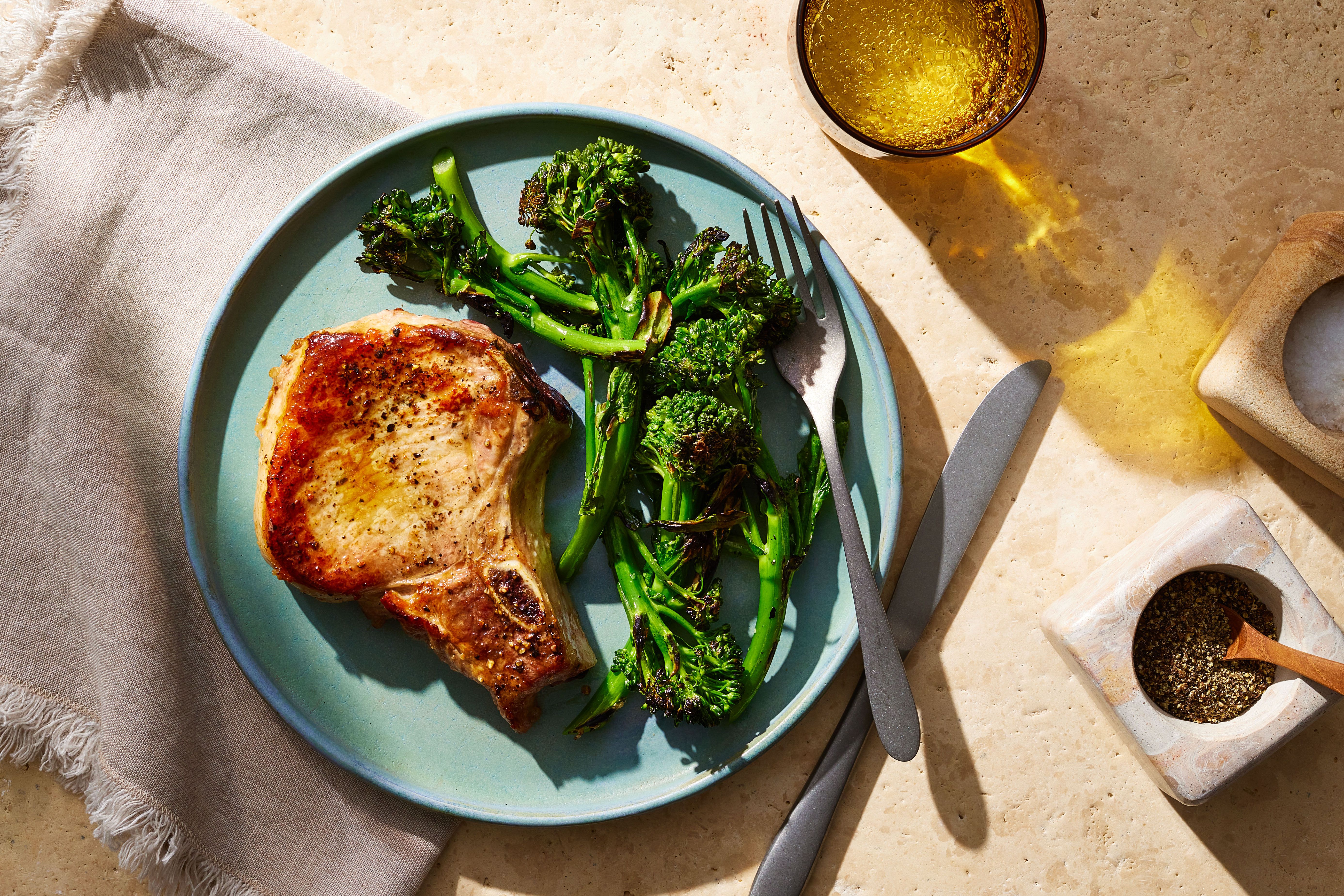
Some dinners walk into the kitchen wearing a tuxedo. Others show up in jeans, smell incredible, and save your weeknight. This best baked pork chops recipe is proudly the second kind: simple, juicy, deeply seasoned, and friendly enough for a Tuesday but tasty enough for company. No dry, gray, cafeteria-style pork chops here. We are baking tender pork chops with a savory spice rub, a touch of sweetness, butter or olive oil, and a smart oven method that keeps the meat moist instead of turning it into a chew toy.
The secret is not complicated. Choose the right pork chops, season them boldly, bake them at the right temperature, and use a meat thermometer instead of guessing like a kitchen fortune-teller. Pork chops are lean, which means they can go from juicy to “where is the gravy?” very quickly. This recipe is designed to help you avoid that tragic dinner-table moment.
Whether you use boneless pork chops or bone-in pork chops, this guide will show you how to bake pork chops that are tender, flavorful, and easy to pair with mashed potatoes, roasted vegetables, rice, salad, applesauce, green beans, or whatever heroic side dish is waiting in your fridge.
Why This Is the Best Baked Pork Chops Recipe
The best baked pork chops should check three boxes: juicy inside, flavorful outside, and easy enough that you do not need a culinary degree or a second mortgage for ingredients. This recipe uses pantry spices, a short resting period, and a high-enough oven temperature to encourage browning without drying out the meat.
Many classic pork chop recipes rely on heavy breading, cream sauces, or long baking times. Those can be delicious, but they are not always ideal when you want a fast, dependable dinner. Here, the flavor comes from garlic powder, smoked paprika, onion powder, black pepper, brown sugar, salt, and a little fat to help the seasoning cling to the meat. The brown sugar is optional but recommended because it helps the surface caramelize slightly. Think of it as a tiny flavor spotlight, not dessert pretending to be dinner.
The method also follows modern pork-cooking guidance: pork chops are best cooked to an internal temperature of 145°F, followed by a short rest. That temperature keeps pork safe while preserving tenderness and moisture. In other words, your pork chop can be slightly rosy in the center and still be properly cooked. The old “cook it until it gives up on life” approach is officially retired.
Ingredients for Juicy Baked Pork Chops
Main Ingredients
- 4 pork chops, 1 to 1 1/4 inches thick, boneless or bone-in
- 2 tablespoons olive oil or melted butter
- 1 tablespoon brown sugar
- 1 teaspoon kosher salt
- 1 teaspoon smoked paprika
- 1 teaspoon garlic powder
- 1/2 teaspoon onion powder
- 1/2 teaspoon black pepper
- 1/2 teaspoon dried thyme or Italian seasoning
- 1/4 teaspoon cayenne pepper, optional, for gentle heat
- 1 tablespoon butter, optional, for finishing
- Fresh parsley, optional, for garnish
Optional Quick Brine
If you have an extra 30 minutes, a quick brine can make baked pork chops even juicier. Stir 4 cups cool water with 1/4 cup kosher salt until dissolved. Add the pork chops and refrigerate for 30 minutes. Remove, rinse lightly if desired, and pat very dry before seasoning. Do not skip the drying step, unless you enjoy steamed pork with commitment issues.
How to Choose the Best Pork Chops for Baking
For oven-baked pork chops, thickness matters more than almost anything else. Thin chops cook quickly, but they also dry out quickly. For the best result, choose pork chops that are at least 1 inch thick. A 1 1/4-inch chop is even better if you want a tender, juicy center.
Bone-In vs. Boneless Pork Chops
Bone-in pork chops usually have a little more flavor and are slightly more forgiving because the bone helps protect the meat from overcooking. They may take a few extra minutes in the oven.
Boneless pork chops are convenient, easy to slice, and great for quick weeknight dinners. Because they are lean and uniform, they cook fast. Watch the internal temperature closely so they do not dry out.
Best Cut to Use
Center-cut loin chops are a reliable choice for baking. Rib chops are also excellent because they often have a bit more fat and flavor. Avoid very thin breakfast-style chops for this recipe unless you reduce the cooking time significantly.
Step-by-Step Instructions
Step 1: Pat the Pork Chops Dry
Use paper towels to dry both sides of the pork chops. This small step makes a big difference. Moisture on the surface prevents browning, and browning is where flavor puts on its dancing shoes.
Step 2: Let Them Sit Briefly at Room Temperature
Let the pork chops rest on the counter for about 15 to 20 minutes before baking. This helps them cook more evenly. Do not leave them out for hours; we are making dinner, not conducting a science fair experiment.
Step 3: Preheat the Oven
Preheat your oven to 400°F. This temperature is hot enough to cook the chops efficiently and develop good flavor without requiring a long bake time. If your oven runs hot, check early. Ovens have personalities, and some are drama queens.
Step 4: Mix the Seasoning Rub
In a small bowl, combine brown sugar, kosher salt, smoked paprika, garlic powder, onion powder, black pepper, thyme, and cayenne if using. This spice blend gives the pork chops a savory, lightly smoky, slightly sweet flavor that works with nearly any side dish.
Step 5: Oil and Season the Pork Chops
Rub the pork chops with olive oil or melted butter. Sprinkle the seasoning mixture evenly over both sides, pressing gently so it sticks. If you brined the chops, reduce the added salt slightly because the meat has already absorbed salt from the brine.
Step 6: Arrange in a Baking Dish or on a Sheet Pan
Place the pork chops in a lightly greased baking dish or on a rimmed sheet pan. Leave space between each chop so hot air can circulate. Crowding the pan traps steam and reduces browning.
Step 7: Bake Until 145°F
Bake the pork chops at 400°F until the thickest part reaches 145°F on an instant-read thermometer. For 1-inch boneless pork chops, this usually takes about 14 to 18 minutes. For 1-inch bone-in pork chops, plan on about 18 to 24 minutes. The exact time depends on thickness, starting temperature, pan type, and oven accuracy.
Step 8: Rest Before Serving
Transfer the baked pork chops to a plate and tent loosely with foil. Let them rest for 3 to 5 minutes. Resting allows the juices to redistribute, which means more moisture stays in the meat instead of running across the cutting board like it is trying to escape.
Recipe Card: Best Baked Pork Chops
Prep Time
10 minutes
Cook Time
14 to 24 minutes
Total Time
24 to 34 minutes, plus optional brining time
Servings
4 servings
Ingredients
- 4 pork chops, 1 to 1 1/4 inches thick
- 2 tablespoons olive oil or melted butter
- 1 tablespoon brown sugar
- 1 teaspoon kosher salt
- 1 teaspoon smoked paprika
- 1 teaspoon garlic powder
- 1/2 teaspoon onion powder
- 1/2 teaspoon black pepper
- 1/2 teaspoon dried thyme
- 1/4 teaspoon cayenne pepper, optional
- 1 tablespoon butter, optional for finishing
- Fresh parsley, optional
Directions
- Preheat oven to 400°F.
- Pat pork chops dry with paper towels.
- Mix brown sugar, salt, smoked paprika, garlic powder, onion powder, black pepper, thyme, and cayenne in a small bowl.
- Rub pork chops with olive oil or melted butter.
- Season both sides generously with the spice mixture.
- Place pork chops in a greased baking dish or on a rimmed sheet pan.
- Bake until the internal temperature reaches 145°F, about 14 to 18 minutes for boneless chops or 18 to 24 minutes for bone-in chops.
- Rest for 3 to 5 minutes before serving.
- Top with a small pat of butter and parsley if desired.
How Long to Bake Pork Chops
The best baking time depends on thickness and whether the pork chops are boneless or bone-in. Instead of trusting the clock completely, use time as a guide and temperature as the final answer.
General Baking Guide at 400°F
- 3/4-inch boneless pork chops: 10 to 14 minutes
- 1-inch boneless pork chops: 14 to 18 minutes
- 1-inch bone-in pork chops: 18 to 24 minutes
- 1 1/2-inch bone-in pork chops: 25 to 32 minutes
Always check the thickest part of the chop. If using bone-in pork chops, avoid touching the thermometer to the bone because that can give an inaccurate reading.
Tips for Tender, Juicy Baked Pork Chops
Use a Meat Thermometer
This is the most important tip. A meat thermometer turns pork chops from a guessing game into a reliable dinner. Pull the chops from the oven when they reach 145°F, then let them rest. If you wait until they look completely white and firm, they may already be overcooked.
Do Not Overbake
Pork chops are lean. That is good news for quick cooking, but bad news if you forget them in the oven while answering one email that turns into seven. Start checking early, especially with boneless pork chops.
Try a Quick Brine
A short brine helps pork chops hold onto moisture. Even 30 minutes can improve texture. If you do not want to brine, season the chops and let them sit for 15 to 20 minutes before baking. That gives the salt time to begin working.
Add Fat for Flavor
A small amount of olive oil, melted butter, or finishing butter helps carry flavor and improves browning. Pork chops do not need to swim in fat, but they appreciate a nice jacket.
Let the Pork Chops Rest
Cutting into meat immediately after baking releases juices too quickly. A short rest keeps the pork chop tender and gives you time to finish the sides, pour drinks, or dramatically announce that dinner is ready.
Flavor Variations
Honey Garlic Baked Pork Chops
Add 1 tablespoon honey and 1 teaspoon Dijon mustard to the oil before rubbing it over the chops. The result is sweet, savory, and excellent with rice or roasted carrots.
Ranch Baked Pork Chops
Replace the thyme and onion powder with 1 tablespoon dry ranch seasoning. Reduce the salt slightly because ranch seasoning is already salty.
Parmesan Herb Pork Chops
Add 2 tablespoons grated Parmesan and 1/2 teaspoon Italian seasoning to the spice rub. This version pairs beautifully with pasta, green beans, or a crisp Caesar salad.
Spicy Brown Sugar Pork Chops
Increase the cayenne to 1/2 teaspoon and add a pinch of chili powder. Serve with coleslaw, cornbread, or roasted sweet potatoes for a balanced plate.
What to Serve With Baked Pork Chops
Baked pork chops are flexible, which is one reason they deserve a regular place in your dinner rotation. They pair well with creamy, crisp, sweet, and savory sides.
Classic Side Dishes
- Mashed potatoes with pan juices
- Roasted green beans
- Macaroni and cheese
- Buttered corn
- Applesauce or sautéed apples
- Rice pilaf
- Garlic roasted broccoli
Lighter Side Dishes
- Mixed green salad
- Roasted asparagus
- Cauliflower mash
- Cucumber tomato salad
- Steamed vegetables with lemon
For a complete meal, serve these oven-baked pork chops with something starchy and something green. Mashed potatoes and roasted broccoli are a classic combination. Rice and green beans are quick. Apples and cabbage bring a cozy fall-dinner feeling, even if you are making this in July with the air conditioner working overtime.
How to Store and Reheat Leftovers
Store leftover baked pork chops in an airtight container in the refrigerator for up to 3 to 4 days. To freeze, wrap each chop tightly and place in a freezer-safe bag or container for up to 2 to 3 months.
Best Way to Reheat Pork Chops
Reheat gently to avoid drying them out. Place the pork chops in a covered baking dish with a splash of broth, water, or pan juices. Warm in a 300°F oven until heated through. You can also microwave them at 50% power in short intervals, but the oven method gives better texture.
Common Mistakes to Avoid
Using Chops That Are Too Thin
Thin pork chops are easy to overcook. If thin chops are all you have, reduce the baking time and check the temperature early.
Skipping the Thermometer
Color is not a reliable way to judge pork doneness. A thermometer is inexpensive, easy to use, and saves dinner from unnecessary dryness.
Forgetting to Rest the Meat
Resting is not optional if you want juicy pork chops. Give the meat a few minutes before slicing, and your patience will be rewarded.
Underseasoning
Pork chops have a mild flavor, so they need confident seasoning. Do not whisper at the meat. Season it like you mean it.
Experience Notes: What Makes This Recipe Work in a Real Kitchen
The first time many home cooks bake pork chops, they learn a tough lesson: pork does not forgive distraction easily. You place the chops in the oven, feel proud, tidy the counter, answer a text, maybe fold one towel, and suddenly dinner has the texture of a leather bookmark. The good news is that baked pork chops are not difficult once you stop relying on guesswork.
In everyday cooking, the biggest improvement comes from buying thicker chops. A thin pork chop can be tasty, but it demands speed and attention. A thicker chop gives you a wider window for success. It browns better, stays juicier, and feels more like a proper main course. If you are shopping at a supermarket meat counter, ask for chops around 1 inch thick. If they look too thin in the package, keep walking unless you are planning a very quick skillet meal.
Another useful lesson is that pork chops like bold seasoning. They are not as fatty as ribs or pork shoulder, so the flavor needs help from spices, salt, and a little fat. Smoked paprika is especially helpful because it gives the pork a warm, barbecue-like note without requiring a grill. Garlic powder and onion powder spread evenly across the surface, while brown sugar helps the outside develop a rich color. Fresh garlic is delicious, but it can burn in a hot oven, so powdered garlic is more dependable for this style of recipe.
Brining is also worth trying, especially if your pork chops are very lean. A quick saltwater brine can make the difference between “pretty good” and “why did we ever buy takeout?” If you do brine, remember to pat the chops very dry afterward. Wet meat does not brown well. It steams, and steamed pork chops do not usually receive standing ovations.
One practical trick is to prepare the side dishes before the pork chops go into the oven. Because pork chops cook quickly, you do not want to start peeling potatoes when the meat is already halfway done. Have the salad made, the vegetables roasting, or the rice simmering first. Then bake the pork chops and serve them while they are still warm and juicy.
The resting period may feel small, but it matters. When pork chops come out of the oven, the juices are still moving. Slice immediately and those juices spill out. Wait a few minutes and the meat becomes noticeably better. This is also the perfect time to add a small pat of butter on top. It melts into the spice rub and creates a simple pan-style finish without making a separate sauce.
For family dinners, this recipe is easy to adjust. Kids may prefer less cayenne and a little extra brown sugar. Adults who like heat can add chili powder or crushed red pepper. For a more elegant version, add rosemary, thyme, Dijon mustard, and a squeeze of lemon after baking. For a comfort-food plate, serve the chops with mashed potatoes and spoon the buttery juices over everything. No one needs to know how easy it was. That can be our little kitchen secret.
Conclusion
The best baked pork chops recipe is not about complicated ingredients or fancy equipment. It is about good technique: choose thick pork chops, season them well, bake at 400°F, check for 145°F, and let the meat rest. With those simple steps, you can make juicy baked pork chops that taste comforting, flavorful, and satisfying every time.
This recipe is quick enough for weeknights, flexible enough for different seasonings, and reliable enough for guests. Add mashed potatoes, roasted vegetables, rice, salad, or applesauce, and you have a complete dinner that feels classic without being boring. Pork chops may have a reputation for drying out, but with the right method, they become tender, savory, and absolutely worth putting back on the menu.
Note: This article was written as original, publication-ready HTML body content and synthesized from widely accepted U.S. cooking guidance, pork safety recommendations, and tested home-cooking techniques. Source links are intentionally not included, as requested.