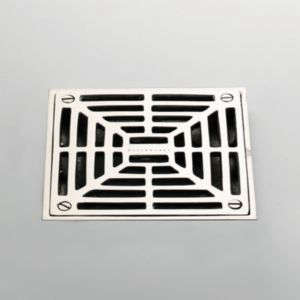
A bath drain cover is not the loudest item in a bathroom. It does not sparkle like a freestanding tub, demand attention like marble tile, or make guests whisper, “Wow, is that unlacquered brass?” Yet the humble drain cover quietly does one of the most important jobs in the room: it lets water leave, keeps larger debris out, supports a clean bathing experience, and helps the entire bath look intentionally designed instead of accidentally assembled during a midnight hardware-store run.
When people search for a Waterworks drain cover, they are usually looking for more than a basic metal plate. Waterworks is associated with luxury bath design, refined metal finishes, and architectural bathroom details. In that world, even the drain cover has a résumé. It should match the fixtures, sit neatly in the tub or shower floor, resist corrosion, and be easy enough to maintain that you do not need a plumbing degree or a heroic attitude every Saturday morning.
This guide explains what a Waterworks-style bath drain cover is, why it matters, how to choose one, what materials and finishes to consider, and how to keep it looking sharp. We will also cover practical buying tips, installation considerations, and real-life experiences that make this small bathroom part feel surprisingly important.
What Is a Bath Waterworks Drain Cover?
A bath drain cover is the visible piece that sits over or inside the drain opening of a bathtub, shower, or bathroom sink. Depending on the design, it may function as a fixed strainer, a decorative grate, part of a pop-up drain assembly, a toe-touch stopper, a lift-and-turn mechanism, or a trim component for a waste-and-overflow system.
In a Waterworks-style bathroom, the drain cover is usually chosen for both performance and appearance. It is not just there to stop a rogue shampoo cap from entering the plumbing underworld. It also needs to coordinate with faucets, shower controls, towel bars, tub fillers, and other bath hardware. That is why finishes such as chrome, nickel, brass, dark brass, bronze, and matte tones matter so much.
Some Waterworks drain-related parts are service components, such as pop-up drain kits. Others are decorative or functional shower drain covers, including square brass covers, fixed strainers, or tile-in styles. The exact part depends on whether the drain is for a sink, shower, or bathtub.
Why the Drain Cover Deserves More Attention
Most homeowners do not think about the drain cover until something goes wrong. The tub drains slowly. The shower smells strange. The cover looks scratched, stained, or completely out of place next to expensive fixtures. Suddenly, this tiny piece of metal becomes the star of a very annoying home-improvement drama.
A well-chosen bathroom drain cover helps in four major ways. First, it protects the plumbing by catching hair, soap fragments, and debris before they move deeper into the drain line. Second, it improves safety by covering the drain opening and reducing sharp edges or awkward gaps. Third, it supports good water flow when properly sized and cleaned. Fourth, it contributes to the visual finish of the room.
Think of it as the button on a tailored suit. Nobody buys the suit for the button, but if the button is cheap, loose, or the wrong color, everyone notices.
Types of Bath Drain Covers and Stoppers
Before choosing a Waterworks drain cover or compatible replacement, it helps to understand the most common bath drain styles.
Fixed Strainer Drain Cover
A fixed strainer is a simple cover with holes or slots that allow water to drain while blocking larger debris. It is common in showers and some bath applications. A square brass shower drain cover, for example, may include a fixed strainer style and a hub. This type is elegant, durable, and relatively easy to clean.
Pop-Up Drain
A pop-up drain uses a mechanism that raises or lowers a stopper. In bathroom sinks, this is often controlled by a lift rod behind the faucet. In bathtubs, pop-up systems may connect to an overflow lever. Pop-up drains look clean but can collect hair and soap residue inside the mechanism, so maintenance matters.
Toe-Touch Drain Stopper
A toe-touch drain opens and closes with a push from your foot. It is convenient because you do not need to bend down, which is lovely when your knees are not in the mood for negotiations. However, the spring mechanism can eventually wear out.
Lift-and-Turn Drain Stopper
A lift-and-turn stopper is opened by lifting and twisting the knob. It is durable, familiar, and often affordable. Many universal bath drain products use 5/16-inch or 3/8-inch threaded adapters, making them compatible with many tub drain shoes.
Trip-Lever Drain
A trip-lever stopper is controlled by a lever on the overflow plate. It keeps the stopper mechanism hidden, which creates a clean look. The trade-off is that adjustment and repair can be more involved because the linkage sits inside the overflow tube.
Tile-In Shower Drain Cover
A tile-in cover lets the shower floor tile continue across the drain area, leaving narrow drainage gaps around the edge. This design is popular in luxury showers because it makes the drain visually disappear. It requires precise installation, proper slope, and careful cleaning around the edges.
Materials: Brass, Stainless Steel, Plastic, and Metal Alloy
Material is a major factor in how a bath drain cover looks, feels, and survives daily use.
Brass is common in luxury bath fittings because it is strong, substantial, and suitable for premium finishes. A brass Waterworks drain cover in dark brass, polished brass, or nickel can feel more architectural than a lightweight replacement part. Brass can also develop character over time, especially when the finish is designed to age naturally.
Stainless steel is popular for shower strainers because it resists corrosion and has a clean, modern appearance. Many shower drains use stainless steel snap-in strainers or grates because they balance durability and cost.
Metal alloy appears in many replacement trim kits and stopper covers. These products can be affordable and attractive, especially in chrome, brushed nickel, oil-rubbed bronze, or matte black finishes.
Plastic and polypropylene components may be found in some bath waste-and-overflow assemblies. They are lightweight, corrosion-resistant, and useful behind the scenes, though luxury visible trim is often metal.
Finish Options: Matching the Room Without Overthinking It
A Waterworks bath drain cover should coordinate with the rest of the bathroom. The goal is not always a perfect match, but the finish should feel intentional.
Chrome is bright, classic, easy to coordinate, and widely used. It works well in traditional, hotel-inspired, and contemporary bathrooms.
Polished nickel has a warmer tone than chrome. It is especially beautiful in classic bathrooms with marble, creamy tile, or vintage-inspired fixtures.
Brass and dark brass add warmth and depth. They work beautifully with natural stone, handmade tile, white walls, black accents, and traditional bath designs. Some brass finishes are living finishes, meaning they may change and develop patina over time.
Matte black creates strong contrast and works well in modern bathrooms. It looks sharp, but it may show soap residue or mineral spots if not wiped regularly.
Oil-rubbed bronze has a darker, traditional feel and pairs well with warm wood, cream tile, and historic homes.
The safest design rule is simple: match the drain cover to the dominant plumbing finish unless the bathroom already uses mixed metals. If your faucet, shower trim, and towel bars are polished nickel, a random chrome drain cover may look like it wandered in from another bathroom.
Size and Compatibility: Measure Before You Buy
Drain covers are not one-size-fits-all, even when the product description uses the word “universal.” A shower drain cover may be round, square, screw-in, snap-in, tile-in, or friction-fit. A bathtub drain stopper may use different thread sizes or require a compatible drain shoe.
For bathtubs, standard drain openings are often around 1 1/2 inches, but the visible trim, flange, and stopper mechanism can vary. Shower drains commonly connect to 2-inch waste lines, and some covers are designed for specific drain bodies. For example, a square luxury shower drain cover may measure 5 inches by 5 inches while using a 2-inch outlet connection.
Before ordering, measure the outside dimensions, screw spacing if screws are used, drain-hole diameter, and depth. Also check whether the cover is fixed, removable, tile-in, or part of a full drain assembly. When in doubt, identify the original brand and model, or ask a plumber or product specialist before purchasing.
Installation: Simple Cover or Full Drain Assembly?
Replacing a simple drain cover can be easy. Replacing a full drain assembly can become more involved. The difference matters.
If you are replacing a screw-in shower drain cover, you may only need a screwdriver, a clean surface, and a matching replacement. If the cover snaps in, you may gently pry the old one out and press the new one into place. If mineral buildup or corrosion has made the cover stubborn, patience is better than force. Scratching expensive tile because you got into a wrestling match with a drain grate is not the kind of home project anyone brags about.
For bathtub drains, replacing the visible stopper may be simple if the new part includes the correct threaded adapter. However, replacing the drain flange, waste shoe, overflow plate, or full waste-and-overflow system may require drain-removal tools, plumber’s putty or approved sealant, access behind or beneath the tub, and careful leak testing.
For tile-in or luxury shower drains, installation should be planned with the shower waterproofing system, drain body, floor slope, tile thickness, and local plumbing code. This is one area where professional installation is often worth it.
Maintenance: Keeping a Waterworks Drain Cover Beautiful
Luxury bath finishes deserve gentle care. Harsh scrubbing pads, abrasive powders, bleach, ammonia, and aggressive cleaners can damage many metal finishes. For daily maintenance, use warm water, mild liquid soap, and a soft cloth. Rinse thoroughly and dry the surface to reduce mineral spotting.
If the drain cover is brass, nickel, chrome, or another specialty finish, follow the manufacturer’s care instructions. Some living finishes are meant to change with time. That patina is not a defect; it is part of the charm. Of course, “charm” does not include toothpaste crust and three months of soap scum, so regular cleaning still matters.
Remove hair and debris frequently. In tubs and showers, hair is the villain with excellent persistence. A removable hair catcher can help, but it should be cleaned often. Slow drainage is usually easier to prevent than fix.
Common Problems and Practical Fixes
Slow Drainage
Slow drainage may be caused by hair, soap residue, mineral deposits, or a partially blocked drain line. Start by removing the cover or stopper if possible and cleaning visible debris. If the clog is deeper, a small drain snake may help. Avoid overusing harsh chemical drain cleaners, especially around specialty finishes.
Loose Cover
A loose drain cover may have missing screws, worn clips, or the wrong size replacement. Check the fasteners and compare the cover dimensions with the drain body.
Finish Damage
Scratches, discoloration, or dullness often come from abrasive cleaners or hard-water buildup. Use mild cleaning methods first. For premium Waterworks finishes, consult the official care recommendations before polishing.
Bad Odor
Odor can come from trapped hair and biofilm near the cover or from plumbing issues such as a dry trap. Clean the cover and visible drain area. If the smell continues, a plumber should inspect the trap and venting.
Design Tips for a High-End Bath Look
A drain cover is small, but in a luxury bathroom, small details carry the design. Here are practical ways to make the right choice.
First, coordinate the finish with your faucet and shower trim. Second, choose a cover shape that works with the tile pattern. A square drain often looks crisp with large-format tile, while a round cover may suit classic tubs or smaller mosaics. Third, consider cleanability. A dramatic decorative grate may look wonderful, but if it traps hair like a tiny metal forest, you may regret it by week three.
Fourth, think about visual weight. A brass cover can add warmth and richness. Chrome can keep the room bright. Matte black can create contrast. Nickel can bridge traditional and modern styles.
Finally, choose quality. The drain cover lives in one of the wettest areas of the home. It deals with water, soap, shampoo, cleaning products, feet, and daily temperature changes. A cheap cover may save money now, but a durable, well-finished cover is often better for long-term satisfaction.
Buying Checklist for a Waterworks Drain Cover
Before purchasing a Waterworks drain cover or similar luxury bath drain trim, review this checklist:
- Confirm whether the drain is for a tub, shower, or sink.
- Measure the drain opening, cover width, screw spacing, and depth.
- Check whether the part is a cover only or includes a hub, stopper, flange, or full kit.
- Match the finish to nearby fixtures.
- Review the material, especially brass, stainless steel, or metal alloy.
- Confirm compatibility with the existing drain body.
- Read care instructions before using cleaners or polish.
- Consider professional installation for tile-in drains or full waste-and-overflow replacement.
Is a Waterworks Drain Cover Worth It?
A premium drain cover is worth considering when the rest of the bathroom has high-end fixtures, natural stone, custom tile, or carefully selected metal finishes. In a basic utility bath, a standard replacement may be perfectly fine. But in a designed bathroom, the drain cover should not look like an afterthought.
Waterworks-style drain covers are about more than drainage. They are about finish consistency, material quality, tactile feel, and visual completion. They help the bathroom feel edited and cohesive. In luxury design, that matters. The most successful rooms are not just built from impressive statement pieces. They are built from dozens of small decisions that quietly agree with each other.
Experience Notes: Living With a Bath Waterworks Drain Cover
After using and maintaining premium bath drain covers in real bathrooms, one lesson becomes obvious: the best drain cover is the one you barely think about. It drains quickly, does not rattle, does not scratch under normal use, and does not make cleaning feel like punishment. That sounds simple, but anyone who has lived with a cheap drain cover knows how quickly “simple” can turn into “why is this thing rusty already?”
In a guest bath, a polished metal drain cover can make the entire tub or shower feel cleaner. Guests may not consciously notice it, but they notice the overall impression. A matching Waterworks-style cover beside polished nickel fixtures feels finished. A mismatched, dull, spotted cover can make even nice tile look tired. It is similar to wearing good shoes with a good outfit: the shoes do not need to shout, but they should not betray the team.
In a primary bathroom, maintenance becomes the real test. A brass or nickel drain cover looks beautiful, but hard water can leave spots if the surface is not dried regularly. A quick wipe after bathing makes a major difference. The good news is that this habit takes only a few seconds. The bad news is that those few seconds require remembering, which is apparently where many of us become philosophers and decide water spots are part of life’s journey.
Hair management is another everyday experience. A fixed strainer looks elegant, but it should be cleaned often. If the bath is used by someone with long hair, a removable hair catcher can be a sanity-saving accessory. The trick is choosing one that does not ruin the look of the bath. Some homeowners use the catcher during daily showers and remove it when guests come over. Is that slightly fussy? Yes. Does it work? Also yes.
Installation experience depends on the drain type. Replacing a simple cover is usually straightforward, especially when the size and screw spacing match. Replacing a stopper can be easy if the thread adapters fit. But replacing the full drain flange or waste-and-overflow assembly is a different story. That job can involve old plumber’s putty, stubborn threads, hidden leaks, and language not suitable for a family blog. For expensive tubs, stone showers, or tile-in drains, professional help is usually the calmest choice.
The most satisfying part of upgrading to a quality drain cover is the visual calm it brings. Bathrooms contain many lines, textures, and reflective surfaces. When the drain cover matches the hardware and sits flush, the eye moves across the room without interruption. It feels intentional. It feels clean. It feels like someone cared enough to finish the last two percent of the design.
From a long-term perspective, the right Waterworks drain cover can also make maintenance more predictable. Durable materials, proper fit, and gentle cleaning reduce the chance of corrosion, rattling, or premature finish wear. Instead of replacing the cover every year, you simply clean it, dry it, and let it do its quiet little job.
The final experience-based advice is this: do not buy only by appearance. A drain cover can be gorgeous and still be wrong for the drain body. Measure first, check compatibility, confirm finish care, and think about how easy it will be to remove for cleaning. Beauty matters, but bathroom beauty must survive water, soap, and real people. That is where a well-made drain cover earns its place.
Conclusion
A Bath Waterworks drain cover may be a small detail, but it has a big effect on bathroom function and design. It protects the drain, supports water flow, catches debris, and completes the look of the tub, shower, or sink. Whether you choose brass, chrome, nickel, dark brass, stainless steel, or matte black, the best option is the one that fits correctly, coordinates with your fixtures, and can be maintained without drama.
For a luxury bathroom, do not treat the drain cover as an afterthought. Measure carefully, choose quality materials, follow gentle cleaning practices, and match the finish to the overall design. The result is a bath that feels polished from the tub filler all the way down to the drain. And yes, that tiny detail matters more than it looks like it should.