Some kitchen habits are so automatic we barely notice them. You slice half an avocado, tear off a sheet of plastic wrap, cover a bowl of leftovers, and toss the crumpled remains later like it never happened. Except it did happen. Plastic wrap does not vanish because we close the trash can lid with confidence. It simply begins the next chapter of its very long, very clingy life.
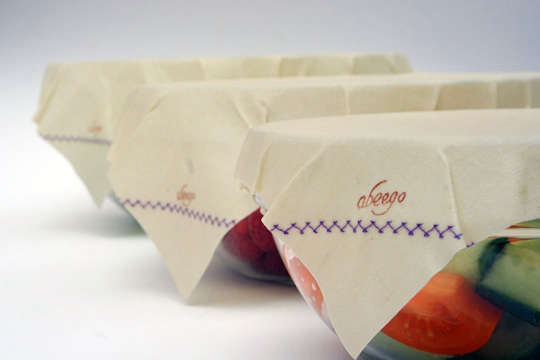
Enter beeswax wraps: the cheerful, reusable food storage alternative that looks like it escaped from a farmers market picnic basket and decided to organize your refrigerator. Made from cotton fabric coated with beeswax, plant oil, and tree resin, beeswax wraps are designed to replace many everyday uses of single-use plastic wrap. They mold around food and containers with the warmth of your hands, creating a flexible seal that is surprisingly practical, pleasantly old-fashioned, and much easier on your trash can.
This does not mean beeswax wraps are magical kitchen capes. They will not safely wrap raw chicken, survive the microwave, or make forgotten leftovers taste like they came from a five-star bistro. But when used correctly, they can help reduce plastic waste, keep bread and produce fresher, and make your kitchen feel a little more intentionalwithout requiring you to churn your own butter or start calling your pantry “the larder.”
Why Plastic Wrap Became the Kitchen Default
Plastic wrap became popular for one obvious reason: it is convenient. It clings, stretches, covers odd shapes, and lets you pretend the leftover pasta bowl is “handled” even when the lid disappeared sometime around 2019. Modern food wraps are also regulated as food-contact materials, and many household wraps are made from low-density polyethylene or similar plastics designed for food storage.
The problem is not that plastic wrap never works. It works too wellonce. A sheet may protect food for a few hours, but after that it usually heads straight to the trash. Because it is thin, contaminated with food, and difficult to recycle in regular municipal systems, plastic wrap is typically a single-use product. Multiply that by millions of kitchens, school lunches, picnic leftovers, and “I’ll just cover this for now” moments, and the small sheet becomes part of a much bigger waste story.
The Plastic Waste Problem Sitting in Plain Sight
According to the U.S. Environmental Protection Agency, containers and packaging make up a major portion of municipal solid waste in the United States. Plastic waste is especially stubborn because many plastic items are used briefly but persist for a long time after disposal. Food packaging is one of the most visible examples: it protects our groceries beautifully, then becomes a disposal headache before the groceries have even made it into the refrigerator drawer.
Plastic wrap also comes with a practical frustration: it is often overused. A bowl that could be covered with a plate gets plastic. Half a lemon gets plastic. A sandwich gets plastic, then a bag, then possibly another bag because apparently lunch needs security detail. Beeswax wraps offer a simple way to interrupt that reflex. Instead of reaching for a disposable sheet, you reach for a reusable one.
What Are Beeswax Wraps?
Beeswax wraps are pieces of fabricusually cottoncoated with a blend of beeswax, oil such as jojoba oil, and tree resin. Each ingredient has a job. Cotton provides structure. Beeswax adds a light water-resistant coating. Oil helps keep the wrap flexible. Tree resin improves cling, giving the wrap enough grip to hug a bowl, fold around a sandwich, or seal itself around a cut apple.
When you press a beeswax wrap with your hands, body heat softens the coating slightly. The wrap becomes more pliable and molds around the shape beneath it. After a few seconds, it cools and holds its form. It is less clingy than plastic wrap, but that is part of the charm. Plastic wrap behaves like an overexcited stage-five clinger. Beeswax wrap is more like a polite friend who says, “I’ll hold this together, but I do have boundaries.”
How Beeswax Wraps Help Reduce Single-Use Plastic
The biggest benefit of beeswax wraps is reuse. Instead of using a sheet once and throwing it away, you can wash and reuse the same wrap many times. With proper care, many beeswax wraps can last for months, and some brands estimate about a year of typical use. When the coating finally wears out, some wraps can be refreshed with new wax or composted if they are made from natural materials.
This makes beeswax wraps especially useful for the daily food storage moments that quietly generate waste. Think sandwich wrapping, covering bowls, storing cheese, wrapping bread, bundling herbs, protecting cut produce, and keeping snacks tidy in a lunch bag. These are not dramatic lifestyle changes. Nobody has to sell their car, build a cabin, or start communicating only through reusable chalkboards. It is just a small swap that gets repeated often enough to matter.
Best Uses for Beeswax Wraps
Covering Bowls and Plates
Beeswax wraps are excellent for covering bowls of leftovers once the food has cooled. Press the wrap around the rim, smooth it with your palms, and let the wax coating grip the edge. This is especially helpful for salads, roasted vegetables, rice bowls, cut fruit, and other foods that need short-term refrigerator storage.
Wrapping Bread and Baked Goods
Bread is one of the best candidates for beeswax wraps. The breathable nature of the wrap helps reduce the sweaty, trapped-moisture effect that can happen with plastic. A loaf of sourdough, muffins, tortillas, rolls, and homemade quick bread can all benefit from a reusable wrap that protects without suffocating.
Storing Cheese
Cheese needs protection, but it also appreciates a little breathing room. Beeswax wraps can work well for firm and semi-firm cheeses, helping prevent them from drying out too quickly while avoiding the sealed-plastic feel. For very soft cheeses or anything especially wet, a glass container may still be the better choice.
Packing Sandwiches and Snacks
A beeswax wrap can fold around a sandwich like a tidy little envelope. It also works for crackers, cookies, apple slices, carrot sticks, and trail mix-style snacks. Some people fold wraps into pouches, which is both useful and weirdly satisfying, like kitchen origami with fewer paper cranes and more cheddar.
When Not to Use Beeswax Wraps
Beeswax wraps are useful, but they are not appropriate for every food storage job. The most important rule: do not use beeswax wraps for raw meat, raw poultry, raw fish, or raw eggs. Because they cannot be washed in hot water or sanitized like glass or stainless steel, they are not suitable for foods that may carry harmful bacteria.
You should also avoid using beeswax wraps with hot foods. Heat can melt or damage the wax coating, reducing the wrap’s ability to cling. Let leftovers cool before covering them. Do not microwave beeswax wraps, put them in the oven, run them through the dishwasher, or leave them near a hot stove. Beeswax and heat are not enemies exactly, but they are definitely not roommates.
Very oily foods, wet foods, and strongly staining foods may also shorten a wrap’s life. Tomato sauce, greasy fried foods, and beet salad can be dramatic. Use glass containers for those. Beeswax wraps shine brightest with dry, cool, low-mess foods and containers that simply need a breathable cover.
How to Clean Beeswax Wraps Properly
Cleaning beeswax wraps is simple, but the technique matters. Rinse them with cool water and mild dish soap, gently wipe away crumbs or residue, then air-dry them completely before storing. Cool water is essential because hot water can strip or melt the wax coating. A soft sponge or cloth is better than aggressive scrubbing.
After washing, drape the wrap over a dish rack, faucet, or clean towel. Once dry, fold it and store it in a drawer away from sunlight and heat. If your wrap starts looking cracked, thin, or less clingy, it may be nearing the end of its useful life. Some wraps can be refreshed by adding new beeswax coating, while others can be retired to less demanding jobs, such as covering a bowl of dry snacks.
Are Beeswax Wraps Food Safe?
Food safety depends on using the right material for the right job. Food packaging and food-contact materials in the United States are subject to FDA oversight, and safe storage also depends on how food is handled after cooking. The USDA recommends refrigerating leftovers promptly and following safe storage practices to reduce the risk of foodborne illness.
Beeswax wraps can be a safe and practical option for many foods when they are clean, intact, and used for appropriate items. They should not replace containers that can be fully sanitized when storing higher-risk foods. In other words, beeswax wraps are wonderful for bread, cheese, produce, and sandwiches. They are not your raw chicken’s new best friend. That friendship is canceled for safety reasons.
Beeswax Wraps vs. Plastic Wrap: The Realistic Comparison
Plastic wrap wins in a few categories. It is cheap upfront, very clingy, transparent, and disposable. That makes it convenient, especially for messy foods or one-time events. But those strengths are also weaknesses. Because it is disposable, it encourages a use-and-toss routine. Because it is transparent and thin, people often use more than they need. Because it is cheap, it rarely asks us to think twice.
Beeswax wraps require a small adjustment. They are not transparent. They must be washed. They cost more at first. They may not cling perfectly to every bowl. But they are reusable, attractive, breathable, and surprisingly versatile. Over time, a small set of wraps can replace dozens or even hundreds of pieces of plastic wrap in everyday kitchen use.
How to Choose Good Beeswax Wraps
Look for wraps made from natural cotton, beeswax, plant oil, and resin. A good starter set usually includes small, medium, and large sizes. Small wraps work for lemons, onions, and snack portions. Medium wraps handle sandwiches and cheese. Large wraps cover mixing bowls, bread loaves, and casserole dishes.
Texture matters too. A good wrap should feel tacky but not gummy. It should soften with hand warmth and hold its shape after folding. If it smells strongly at first, let it air out before use. A mild honey-like scent is normal, but your sandwich should not taste like it moved into a candle shop.
DIY Beeswax Wraps: Worth Trying?
Making your own beeswax wraps can be a fun weekend project if you enjoy practical crafts and do not mind a little waxy chaos. The basic method involves coating cotton fabric with melted beeswax, often combined with jojoba oil and pine resin for flexibility and cling. The mixture is spread onto fabric and heated gently until it absorbs evenly.
DIY wraps allow you to choose fabric patterns and sizes, which is great if your kitchen has oddly sized bowls or if you want wraps that match your personality. Lemon print? Classic. Bees? On theme. Tiny dancing pickles? Questionable, but we support artistic freedom.
However, DIY is not always cheaper once you buy beeswax, resin, oil, parchment paper, brushes, and fabric. It can also take experimentation to get the right texture. Too much wax and the wrap may crack. Too much oil and it may feel greasy. Too little resin and it may not cling. If you like tinkering, DIY can be rewarding. If you like things to work immediately, a ready-made set may save you from muttering at a cookie sheet.
Small Kitchen Swaps That Work Well With Beeswax Wraps
Beeswax wraps are most effective when they are part of a broader food storage routine. Glass containers are excellent for leftovers, soups, sauces, and reheating. Silicone lids can cover bowls. Mason jars work for herbs, chopped vegetables, dressings, and overnight oats. Cloth bags can store bread and dry snacks. Plates can cover bowls when you are feeling especially practical and do not need to impress anyone.
The goal is not to banish every piece of plastic overnight. The goal is to stop using disposable plastic where a reusable option works just as well. Beeswax wraps are a friendly entry point because they are visible, easy to use, and pleasant. They make sustainability feel less like a lecture and more like a kitchen upgrade.
Common Mistakes to Avoid
Using Hot Water
Hot water can melt or remove the wax coating. Always wash beeswax wraps with cool water and mild soap.
Wrapping Raw Meat
Do not use beeswax wraps for raw meat, poultry, fish, or eggs. Choose a washable, leak-proof container instead.
Expecting Plastic-Level Cling
Beeswax wraps grip differently from plastic wrap. Warm them with your hands and press firmly around edges for the best seal.
Using Them in the Microwave
Never microwave beeswax wraps. Heat can damage the wax and ruin the wrap.
Storing Them While Damp
Let wraps dry completely before folding and storing. Damp storage can create odors and shorten their life.
Real-Life Experience: What It’s Like to Switch From Plastic Wrap to Beeswax Wraps
The first week with beeswax wraps can feel like learning a tiny new kitchen language. At first, you may reach for the plastic wrap out of habit. Then you see the bright folded squares in the drawer and remember: right, the bees are on duty now. The first few uses are usually experimental. You wrap half an apple. You cover a bowl of grapes. You fold one around a sandwich and feel unusually proud of yourself, as if you have personally solved lunch.
The biggest surprise is how quickly the wraps become normal. A medium wrap becomes the sandwich wrap. A large one becomes the bread wrap. A small one becomes the “half a lemon that would otherwise become a sad refrigerator fossil” wrap. Instead of tearing and tossing, you rinse and reuse. The trash can fills more slowly, and the plastic wrap box begins to look like an old habit rather than a kitchen necessity.
There is also a learning curve. Beeswax wraps are not great for everything. If you try covering a saucy bowl of pasta, you may regret your enthusiasm. If you wrap something warm, the wax softens too much. If you scrub one like a cast-iron pan after a camping trip, it will not thank you. But once you understand their personality, they become easy to use. They like cool food, dry surfaces, gentle washing, and a little hand warmth.
One of the best experiences is using beeswax wraps for bread. Plastic can trap moisture and make crusts weirdly soft, while a beeswax wrap gives bread a more balanced environment. It is also excellent for cheese. A block of cheddar wrapped in beeswax feels less suffocated than it does in plastic. The wrap peels back neatly, folds again, and returns to the fridge like a responsible adult.
For packed lunches, beeswax wraps add a small daily pleasure. A sandwich wrapped in patterned cotton feels more personal than one sealed in plastic. It opens flat like a placemat, catches crumbs, and folds back up after lunch. For kids, students, or office lunches, that can make sustainable habits feel fun instead of preachy. Nobody wants their lunchbox to come with a guilt brochure.
Another satisfying moment comes when hosting. Instead of stretching plastic wrap over every bowl like a nervous caterer, you can cover dips, fruit, cheese, and bread with reusable wraps. They look attractive on the table and practical in the fridge. Guests often ask about them, which gives you the perfect opening to say, “Oh, these? The bees handle my leftovers now.” That sentence alone may justify the purchase.
Over time, the wraps show wear. Corners soften. Creases appear. The coating becomes thinner. This is normal. A wrap that no longer seals beautifully can still cover dry snacks or protect bread for a short period. Eventually, it can be retired. Compared with a mountain of used plastic wrap, a worn-out beeswax wrap feels like a reasonable ending to a useful kitchen life.
The real value of beeswax wraps is not perfection. It is repetition. Every reused wrap is one less disposable sheet. Every covered bowl is a tiny vote for a kitchen with less waste. The change is simple, visible, and practical. And unlike many eco-friendly swaps, it does not ask you to suffer. It asks you to wash a pretty piece of waxed cotton and let the bees do what they do best: make life a little sweeter.
Conclusion: Let the Bees Take a Shift in Your Kitchen
Banning plastic wrap entirely may not happen overnight, and that is fine. Sustainable kitchens are built through repeatable habits, not dramatic declarations made while holding a compost bin. Beeswax wraps offer a realistic way to reduce single-use plastic without making food storage complicated. They are reusable, washable, breathable, and perfect for many everyday tasks, from wrapping sandwiches to covering bowls and keeping bread fresh.
The key is using them wisely. Keep them away from heat. Skip raw meat and very wet foods. Wash them gently. Store them dry. Pair them with glass containers, jars, and other reusable options. Once you get the rhythm, beeswax wraps become less of a novelty and more of a dependable kitchen tool.
So yes, banish the plastic wrap when you can. Let the bees report for duty. Your leftovers will be covered, your trash can will be less dramatic, and your kitchen will feel just a bit more thoughtfulwithout losing its sense of humor.