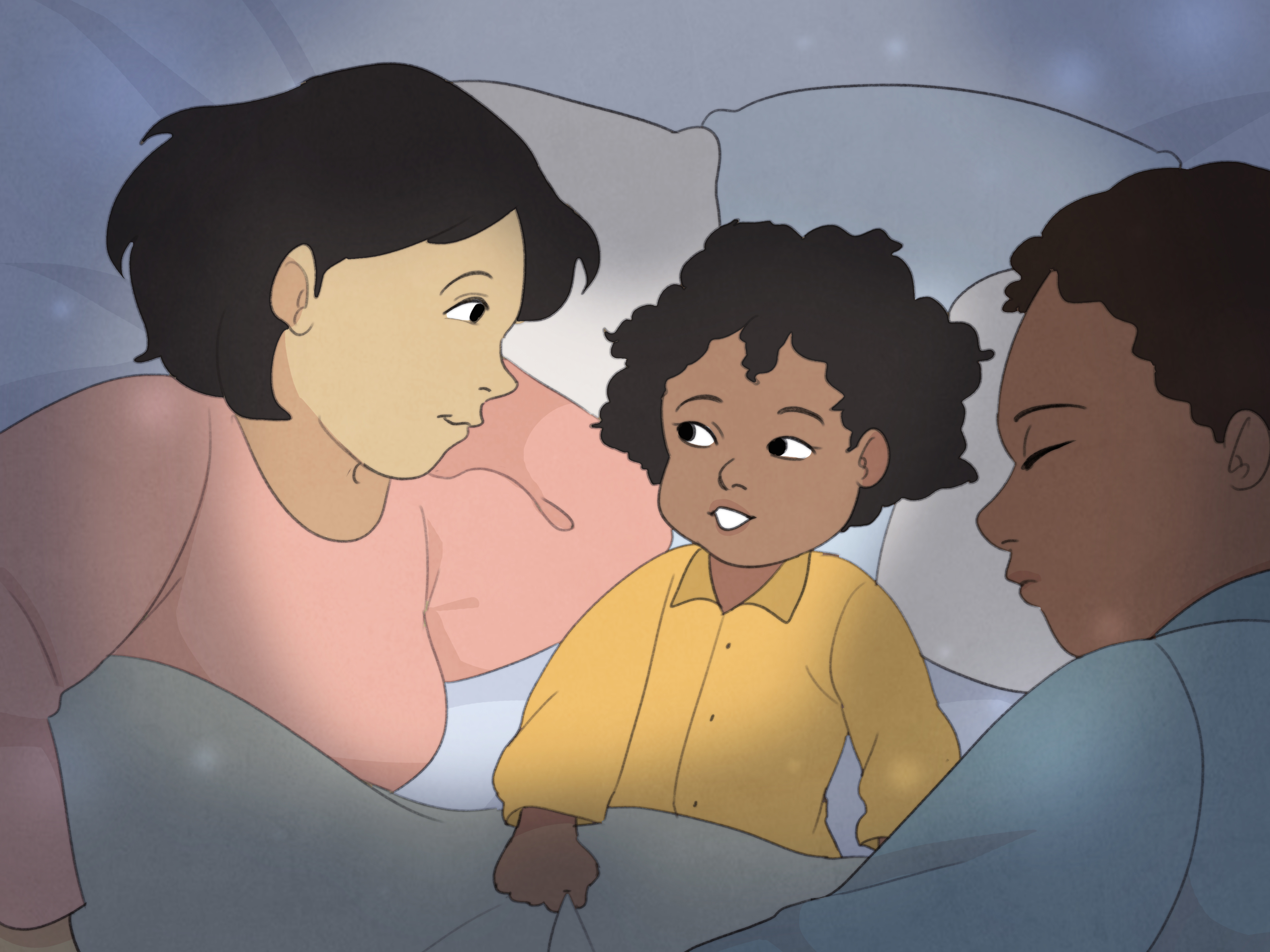
Children do not usually walk into the kitchen, adjust an imaginary tie, and announce, “Parent, I am experiencing secure emotional attachment today.” If only. Instead, kids show love and emotional safety through small behaviors: the stories they tell, the questions they ask, the hugs they request, the meltdowns they save for home, and the way they relax when you are near.
Knowing whether your child feels loved is not about counting how many times you say “I love you” before breakfast, although that never hurts. It is about noticing whether your child feels safe, seen, accepted, guided, and connected. Love is not only a feeling in a parent’s heart; it is an experience in a child’s daily life.
This guide explores 11 easy ways to know if your child feels loved, with practical examples parents can recognize in real homesthe kind with mismatched socks, snack negotiations, and one mysterious sticky spot on the table that no one will confess to creating.
Why Feeling Loved Matters So Much
A child who feels loved is more likely to trust caregivers, explore the world with confidence, recover from mistakes, express emotions, and build healthy relationships. Love does not mean permissive parenting, endless praise, or saying yes to every request for cookies shaped like dinosaurs. In fact, children often feel safest when warmth and structure work together.
Responsive parenting, secure attachment, emotional validation, predictable routines, and positive discipline all help children develop a deep message inside: “I matter. My feelings can be handled. My caregivers are on my team.” That message becomes part of a child’s emotional foundation.
Here are the signs to watch for.
1. Your Child Comes to You for Comfort
One of the clearest signs your child feels loved is simple: when life gets bumpy, they come to you. Maybe they run to you after falling at the playground. Maybe they crawl into your lap after a hard school day. Maybe they hover near the kitchen while you cook, pretending they are “just checking something” when really they need closeness.
Children seek comfort from people they trust. If your child brings you tears, worries, embarrassment, or frustration, that is not weakness. It is a vote of emotional confidence. They believe you can help hold what feels too big for them.
What it may look like
Your child asks for a hug after being corrected, wants you nearby when trying something new, or tells you about a friendship problem even if the story arrives in dramatic chapters. Instead of rushing to fix everything, try saying, “I’m here. Tell me what happened.” Those four words can feel like a safety blanket with sleeves.
2. Your Child Shares Random Details With You
If your child tells you that a classmate’s pencil broke, the cafeteria smelled weird, or a cloud looked like a potato wearing a hat, congratulations: you may be receiving premium kid-content. These tiny details are not meaningless. They are invitations.
Children often share little things before they share big things. When a child feels loved, they trust that their inner world matters to youeven the part involving cloud potatoes. Listening to small stories builds the bridge for future conversations about bigger feelings, choices, mistakes, and dreams.
How to respond
Put down your phone when possible, make eye contact, and show curiosity. You do not need a TED Talk response. A simple “No waywhat happened next?” tells your child, “Your life is interesting to me.” That message is one of the quiet engines of emotional connection.
3. Your Child Can Be Silly Around You
Silliness is underrated emotional evidence. A child who makes strange faces, invents nonsense songs, dances in socks, or tells jokes with punchlines that need legal assistance may be showing that they feel safe enough to be themselves.
Kids who feel loved do not have to perform perfection all the time. They can be goofy, loud, imaginative, and wonderfully odd. Home becomes a place where personality can stretch its legs.
Of course, every child is different. Some kids are naturally quiet, thoughtful, or reserved. The point is not that every loved child acts like a tiny stand-up comedian. The point is that your child feels free to show their real personality without fear of being mocked, shamed, or dismissed.
Try this
Join the silliness occasionally. Wear the paper crown. Laugh at the knock-knock joke. Let the stuffed animals attend dinner once in a while. Playfulness says, “I enjoy you,” and few messages land more warmly in a child’s heart.
4. Your Child Tests Boundaries and Still Comes Back
This one surprises many parents. A child who feels loved may still argue, push limits, complain, negotiate, or dramatically collapse over bedtime. Secure children are not perfectly behaved children. They are children who believe the relationship can survive conflict.
When your child tests a boundary and later seeks reconnection, it often means they trust your love is bigger than the disagreement. They are learning that rules exist, emotions can be repaired, and mistakes do not erase belonging.
What healthy repair sounds like
After a difficult moment, you might say, “That was hard. I love you, and the rule is still the rule.” This combines warmth with structure. It teaches children that love is steady, not something they must earn by being convenient.
Positive discipline works best when children understand both the limit and the relationship. A calm boundary is like a guardrail; it keeps the road safer without yelling at the car.
5. Your Child Shows Affection in Their Own Way
Some children are hug machines. Others express love by sitting near you, drawing pictures, saving you a bite of their snack, asking you to watch them jump, or placing a toy dinosaur on your desk “for protection.” Affection has many dialects.
A child who feels loved often mirrors love back in ways that match their temperament. They may say “I love you” freely, or they may show it through proximity, play, gifts, jokes, or helpfulness. The key is to notice the language your child already speaks.
Look beyond obvious affection
If your child asks you to play, they may be asking for connection. If they lean against you during a movie, they may be saying, “You are my safe place.” If they talk nonstop while you are trying to fold laundry, they may be requesting emotional closeness with bonus socks.
6. Your Child Recovers Faster After Upsets
Children who feel loved still get upset. They cry, stomp, panic, worry, and occasionally act as if the wrong color cup has destroyed civilization. Emotional regulation is a skill, not a factory-installed feature.
But when children feel supported, they often learn to recover more easily over time. They may accept comfort, use words for feelings, take deep breaths with you, or return to play after a hard moment. Your steady presence becomes a model for their growing self-control.
What parents can do
Name the emotion without making it the boss of the house. Try, “You’re disappointed because we can’t stay longer. I understand. We still have to go.” This gives your child empathy and a boundary in the same sentence. That is parenting multitasking at its finest.
7. Your Child Tells the Truth, Even When It Is Hard
If your child admits they broke something, forgot homework, lied about brushing teeth, or made a poor choice, pause before launching the courtroom drama. Honesty can be a sign that your child trusts your response.
Children are more likely to tell the truth when they believe mistakes will be handled with guidance rather than humiliation. This does not mean there are no consequences. It means consequences are paired with respect, repair, and learning.
A helpful response
Try saying, “Thank you for telling me the truth. Now we need to fix what happened.” This protects honesty while still addressing behavior. The message is clear: truth is safe here, and responsibility matters.
8. Your Child Wants You Involved in Their World
When a child asks you to watch their drawing, listen to their song, meet their imaginary dragon, attend their game, read their story, or inspect their block tower from six different angles, they are inviting you into their world.
This is one of the easiest ways to know if your child feels loved: they want to share what matters to them. Your attention tells them, “Your interests are worth noticing.” That does not mean you must become a full-time expert in slime, soccer, Minecraft, ballet, bugs, or glitter glue. It means you show up with genuine interest.
Make attention specific
Instead of a quick “Good job,” try “I noticed how carefully you added details to that picture” or “You kept trying even when that tower fell.” Specific attention feels more real than automatic praise. It shows your child that you are not just lookingyou are seeing.
9. Your Child Expresses Big Feelings at Home
Here is a parenting paradox: sometimes children save their biggest emotions for the people they trust most. A child who holds it together at school may fall apart at home because home feels safe enough for the emotional backpack to unzip.
This does not make meltdowns fun. No parent has ever whispered, “Ah, yes, a hallway tantrumhow refreshing.” But big feelings at home can mean your child knows they do not have to be polished and perfect around you.
When to pay closer attention
Occasional emotional release is normal. However, if your child’s distress is intense, frequent, interfering with daily life, or paired with major changes in sleep, appetite, school participation, or relationships, consider speaking with a pediatrician, counselor, or qualified child-development professional. Support is not a sign of failure; it is a tool.
10. Your Child Accepts Your Encouragement
A loved child often believes, at least some of the time, that your encouragement is trustworthy. They may try again after failing, attempt a new skill with you nearby, or borrow your confidence until they can grow their own.
Encouragement is different from empty praise. Praise says, “You’re amazing.” Encouragement says, “I see your effort, and I believe you can keep going.” Both can be kind, but encouragement helps children connect love with resilience rather than performance.
Use effort-based language
Try phrases like, “You worked hard on that,” “That was tricky, and you stayed with it,” or “I’m proud of how honest you were.” These words help your child feel valued for character, courage, and growthnot just scores, trophies, or neat handwriting that does not look like a squirrel ran through ink.
11. Your Child Feels Safe Being Different From You
One powerful sign your child feels loved is that they can have their own opinions, interests, preferences, and personality. They may dislike the sport you loved, choose a different hobby, dress with creative confidence, or ask questions that challenge your assumptions.
Children feel deeply loved when they know they do not have to become a smaller copy of a parent to belong. Healthy connection gives children both roots and room: roots that say “You are part of this family,” and room that says “You are allowed to become yourself.”
Practice acceptance out loud
Say things like, “That’s not what I would choose, but I love learning what you like,” or “You and I think differently about this, and I’m glad you told me.” Respectful differences help children build identity, confidence, and trust.
Easy Daily Habits That Help Children Feel Loved
If you are wondering how to make your child feel loved more consistently, start small. Children do not need a perfect parent. They need a present, repairing, reasonably consistent one. Grand gestures are lovely, but daily connection usually does the heavier lifting.
Create predictable moments
A bedtime ritual, a morning hug, a shared joke, a weekly walk, or a two-minute check-in after school can become emotional anchors. Predictable warmth helps children feel secure because they know connection is not random.
Use your child’s name warmly
Children hear their names during correction all the time. Balance that by using their names with affection: “Maya, I love how curious you are,” or “Ethan, I’m happy to see you.” A child’s name can feel like music when it is not always followed by “What did you spill?”
Repair after mistakes
Every parent loses patience sometimes. What matters is repair. A simple apology“I’m sorry I yelled. I was frustrated, but I should have spoken calmly”teaches accountability and emotional safety. Repair shows children that love can bend without breaking.
Give full attention in small doses
Ten focused minutes can be more powerful than an hour of distracted half-listening. Put the phone down, follow your child’s lead, and let them choose the play or conversation. Quality time does not need a reservation, matching outfits, or a craft supply budget that threatens your retirement plan.
Common Signs a Child May Need More Reassurance
Sometimes children need extra reminders of love, especially during transitions such as moving, divorce, a new sibling, school stress, illness in the family, or changes in routine. A child may become clingier, more irritable, more withdrawn, more controlling, or more sensitive to correction.
These behaviors do not automatically mean something is wrong. They may simply mean your child’s emotional cup needs refilling. Offer more connection before correction when possible. Sit close. Listen longer. Keep routines steady. Say, “You are loved even when things feel hard.”
If concerns continue or intensify, professional guidance can help you understand what your child is communicating through behavior. Children do not always have the words, so behavior often becomes the message.
Parent Experiences: What Feeling Loved Looks Like in Real Life
In real family life, knowing your child feels loved rarely looks like a movie scene with perfect lighting and inspirational music. More often, it looks like a sleepy child asking for “one more hug,” a teenager lingering in the kitchen without admitting they want to talk, or a preschooler handing you a rock and announcing, “This is for you because it is special.” Congratulationsyou have been emotionally knighted by geology.
Many parents notice love most clearly during ordinary routines. One mother described how her son never said much after school, but he always dropped his backpack by the door and followed her into the laundry room. At first, she thought he was just avoiding homework. Later, she realized he wanted quiet closeness before talking. She stopped asking twenty questions immediately and simply folded towels while he hovered. After a few minutes, the stories came out: who sat with whom, what felt unfair, which teacher was funny, and why lunch was “suspicious.” The lesson was simple: some children open up when the pressure is low and the socks are being matched.
Another common experience is the after-correction cuddle. A child breaks a rule, receives a consequence, cries, and then wants to sit near the parent. This can confuse adults. “You were mad at me thirty seconds ago,” the parent thinks. But that return for connection is meaningful. It says, “I still need to know we are okay.” Parents can respond with warmth without erasing the lesson: “I love you. We can be upset and still be close. We will try again.”
Parents of older children often see love through trust rather than obvious affection. A preteen may not want hugs in public, but may send a funny meme, ask for help choosing a project topic, or suddenly start talking at 10:47 p.m. when the parent has achieved the rare spiritual state known as almost asleep. These late-night conversations can be inconvenient, but they are often golden windows. A child who chooses you for vulnerable thoughts is showing that your relationship still feels safe.
There are also moments when children feel loved because parents accept their individuality. A child who loves science in a family of athletes, or art in a family of engineers, needs to see delight rather than disappointment. When parents say, “Show me what you made,” “Teach me how that works,” or “I love seeing what excites you,” children learn they do not have to earn belonging by matching someone else’s dream.
Perhaps the most reassuring experience is this: children who feel loved do not need parents to get everything right. They need parents who come back, listen, repair, and keep loving. The bedtime apology, the morning smile, the remembered snack, the calm boundary, the silly dance in the kitchenthese small deposits add up. Love is built less like a fireworks show and more like a brick path: one steady piece at a time, walked together.
Conclusion: Love Is Something Children Experience Daily
Knowing if your child feels loved is not about perfection. It is about patterns. Does your child come to you for comfort? Share their world? Trust you with feelings? Recover after conflict? Feel free to be silly, honest, and different? These are meaningful signs that love is not just spoken in your homeit is felt.
The good news is that parents do not need dramatic gestures to build emotional security. Small, steady actions matter: listening, hugging, guiding, repairing, encouraging, and showing up again tomorrow. Love becomes believable when it is consistent.
So the next time your child tells you a five-minute story about a pencil, asks for another bedtime hug, or melts down after a long day, take a breath. Hidden inside the chaos may be a message worth noticing: “You are my safe place.” And that is a pretty beautiful thingeven if the kitchen table is still sticky.