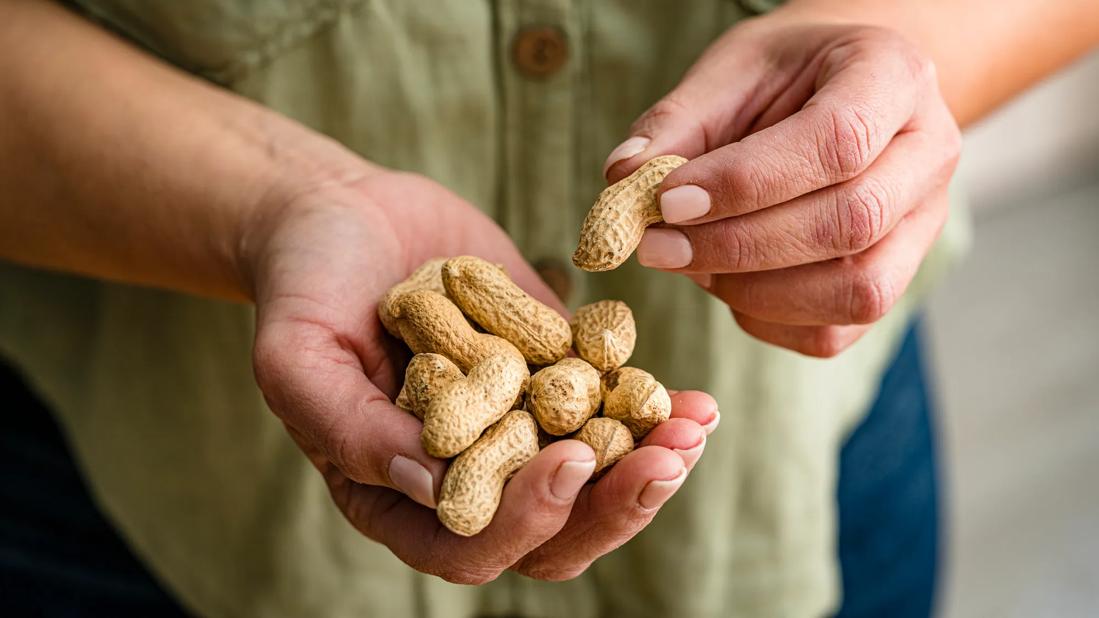
Peanuts are the humble snack that shows up everywhere: baseball games, lunchboxes, trail mix, airplane memories, peanut butter sandwiches, and that one candy bowl nobody admits visiting three times. But here is the real question: are peanuts good for you, or are they just tiny calorie-packed troublemakers wearing a crunchy disguise?
The short answer is yes, peanuts can be very good for you when eaten in smart portions and in the right form. They are rich in plant-based protein, healthy unsaturated fats, fiber, vitamins, minerals, and antioxidants. They may support heart health, help you feel full, keep blood sugar steadier, and make healthy eating more affordable. But peanuts are not magic beans. They are calorie-dense, salted versions can be high in sodium, peanut butter can hide added sugar and oils, and peanut allergies are serious.
So, let’s crack the shell. This guide explains the health benefits of peanuts, possible downsides, how much to eat, and the best ways to enjoy them without accidentally turning “healthy snack” into “I ate half the jar with a spoon.”
What Are Peanuts, Really?
Despite the name, peanuts are not true tree nuts like almonds, walnuts, or cashews. Botanically, peanuts are legumes, meaning they belong to the same broad family as beans, peas, lentils, and soybeans. Nutritionally, though, they behave a lot like nuts because they contain healthy fats, protein, fiber, and important micronutrients.
This is why you often see peanuts grouped with nuts in nutrition advice. They are affordable, filling, shelf-stable, and easy to add to meals. A handful of peanuts can do more for your snack life than a bag of chips that disappears in seven emotional seconds.
Peanut Nutrition: Small Food, Big Resume
A typical 1-ounce serving of peanuts is about a small handful, or roughly 28 grams. That serving generally provides around 160 to 170 calories, about 7 grams of protein, 14 grams of fat, a few grams of carbohydrates, and around 2 grams of fiber. Most of the fat in peanuts is unsaturated fat, the kind associated with better heart health when it replaces saturated fat in the diet.
Peanuts also contain several nutrients your body actually wants, not just “snack energy” that vanishes before your next email. Key nutrients include:
- Protein: Helpful for muscle repair, fullness, and everyday body functions.
- Fiber: Supports digestion and helps slow the rise of blood sugar after eating.
- Monounsaturated and polyunsaturated fats: Heart-friendly fats that can fit into a balanced diet.
- Magnesium: Important for muscle function, nerve function, and blood sugar metabolism.
- Niacin: A B vitamin involved in energy production.
- Vitamin E: An antioxidant nutrient that helps protect cells from oxidative stress.
- Folate: Important for cell growth and normal body function.
- Polyphenols: Plant compounds with antioxidant activity, especially in peanut skins.
In other words, peanuts are not empty calories. They are more like compact nutrition nuggets. Tiny, beige, slightly chaotic nutrition nuggets.
Health Benefits of Peanuts
1. Peanuts May Support Heart Health
One of the biggest reasons peanuts get a thumbs-up from nutrition experts is their fat profile. Peanuts are rich in unsaturated fats, especially monounsaturated fat. When you replace foods high in saturated fat with foods containing unsaturated fats, that can support healthier cholesterol levels.
Peanuts also contain fiber, magnesium, potassium, plant protein, and antioxidants, all of which can play a role in a heart-supportive eating pattern. Studies on nut consumption, including peanuts, have found associations between regular nut intake and better cardiovascular outcomes. That does not mean peanuts are a prescription or a force field around your arteries, but they can be part of a heart-smart plate.
The key is choosing the right kind. Unsalted or lightly salted peanuts are better daily choices than heavily salted, honey-roasted, candy-coated, or sugar-loaded versions. Your heart asked for peanuts, not dessert wearing a fake mustache.
2. Peanuts Can Help You Feel Full
Peanuts have a useful trio: protein, fat, and fiber. Together, these nutrients slow digestion and help you feel satisfied longer. That can make peanuts a smarter snack than refined crackers, candy, or sugary granola bars that give you a quick energy lift followed by a dramatic crash.
For example, an apple with a tablespoon of peanut butter is more filling than an apple alone. Whole-grain toast with peanut butter can make breakfast more satisfying. A small handful of peanuts added to a salad can turn “sad desk lunch” into “I might survive the afternoon.”
However, portion size matters. Peanuts are calorie-dense, which means a little goes a long way. Eating them mindfully can support satiety. Eating them by the cereal bowl while watching a show called “just one more episode” may not produce the same results.
3. Peanuts May Help With Blood Sugar Control
Peanuts are relatively low in carbohydrates and contain fiber, protein, and healthy fats. That combination can help slow digestion and reduce sharp blood sugar spikes when peanuts are eaten with a meal or snack. This is one reason peanuts and peanut butter can fit into many balanced eating plans for people watching their blood sugar.
For instance, pairing peanut butter with whole-grain bread may lead to a steadier energy response than eating white toast with jelly alone. Adding chopped peanuts to oatmeal can make the meal more balanced. Peanuts are not a cure for blood sugar issues, but they can be a practical food choice when used wisely.
4. Peanuts Provide Plant-Based Protein
If you are trying to eat more plant-based foods, peanuts deserve a spot on the team. They offer more protein than many common snack foods and can be used in both sweet and savory meals. Peanut butter in a smoothie, crushed peanuts on stir-fried vegetables, peanut sauce with noodles, or peanuts in a grain bowl can all add flavor and staying power.
Peanuts do not contain all essential amino acids in the same ideal balance as some animal proteins, but that is not a problem for most people who eat a varied diet. Over the course of the day, grains, beans, vegetables, dairy, eggs, meat, fish, soy, or other foods can help round out protein needs.
5. Peanuts Are Budget-Friendly
Healthy eating can get expensive fast. One minute you are buying berries and salmon; the next minute your wallet is filing a complaint. Peanuts are one of the more affordable nutrient-dense foods. They provide protein, fats, fiber, and minerals at a relatively low cost compared with many specialty health snacks.
Peanut butter is also widely available and easy to store. For families, students, busy workers, and anyone trying to eat well without taking out a small loan, peanuts can be a practical option.
Are Peanuts Good for Weight Management?
Peanuts can fit into a weight-conscious diet, but they require honesty. A small serving can be satisfying. A large serving can quietly add hundreds of calories. This is where peanuts become a nutrition personality test.
Research on nuts suggests that people who include nuts in balanced diets do not necessarily gain weight from them and may have better weight management patterns overall. This may be because nuts are filling, enjoyable, and less likely to leave people hunting for snacks 20 minutes later.
Still, calories count. A good everyday serving is usually about 1 ounce of peanuts or 1 to 2 tablespoons of peanut butter. Measuring once or twice can help you learn what a serving looks like. After that, you can eyeball it like a snack professional.
Are Roasted Peanuts Healthy?
Yes, roasted peanuts can be healthy. Dry-roasted peanuts are a convenient choice, especially when they are unsalted or lightly salted. Roasting can slightly change nutrient levels, but peanuts remain nutritious. Some antioxidants may even become more available after roasting.
The issue is not roasting itself. The issue is what gets added. Some roasted peanuts are loaded with salt, sugar, oils, artificial flavors, or coatings. Read the ingredient list. Ideally, it should be short: peanuts, maybe salt. If the ingredient list looks like the credits of a superhero movie, choose another bag.
Is Peanut Butter Good for You?
Peanut butter can absolutely be good for you, especially when it is made mostly from peanuts. It offers protein, healthy fats, fiber, magnesium, niacin, and vitamin E. It is also delicious, which is both its strength and its greatest public relations challenge.
The healthiest peanut butter usually contains peanuts and perhaps a little salt. Watch out for products with lots of added sugar, hydrogenated oils, or extra fillers. “Natural” peanut butter may separate, with oil floating on top. Stir it well and store it according to the label. Yes, stirring natural peanut butter can feel like an arm workout, but we must all make sacrifices for breakfast.
Potential Downsides of Peanuts
Peanut Allergies Are Serious
For people with peanut allergy, peanuts are not healthy; they are dangerous. Peanut allergy can cause severe reactions, including anaphylaxis, which requires urgent medical care. Anyone with a known or suspected peanut allergy should follow medical guidance, read labels carefully, and avoid cross-contact.
Peanuts are one of the major food allergens that must be clearly identified on packaged food labels in the United States. If you are preparing food for others, always ask about allergies before serving peanuts or peanut-containing foods. This is not the moment for surprise ingredients. Surprise birthday cake? Fine. Surprise peanuts? Absolutely not.
Salted Peanuts Can Add Too Much Sodium
Peanuts themselves are naturally low in sodium, but salted peanuts can be a different story. Too much sodium can work against heart health, especially for people managing high blood pressure. If peanuts are a daily snack, choose unsalted or lightly salted versions most of the time.
Peanuts Are Calorie-Dense
Peanuts are nutritious, but they are not low-calorie. That is not bad; it simply means portion size matters. Pouring directly from the jar or bag makes it easy to overshoot. Try placing a serving into a small bowl instead. The bowl is not judging you. It is just helping.
Flavored Peanuts Can Be Dessert in Disguise
Honey-roasted peanuts, chocolate-covered peanuts, peanut brittle, and candy-coated peanut snacks can be fun treats, but they are not the same as plain peanuts. They often contain added sugars, extra oils, and more calories. Enjoy them occasionally if you like, but do not count them as your everyday “health food” just because a peanut is somewhere in the building.
How Many Peanuts Should You Eat Per Day?
For most people, a reasonable serving is about 1 ounce of peanuts per day, which is roughly a small handful. For peanut butter, 1 to 2 tablespoons is a common serving. The right amount depends on your total diet, calorie needs, activity level, health goals, and whether peanuts are replacing less nutritious snacks.
Here are a few practical serving ideas:
- 1 small handful of unsalted peanuts as a snack.
- 1 tablespoon peanut butter on apple slices.
- 2 tablespoons peanut butter on whole-grain toast for a more filling breakfast.
- Chopped peanuts sprinkled over a vegetable stir-fry.
- Peanut sauce made with natural peanut butter, lime, garlic, and a splash of low-sodium soy sauce.
Best Ways to Eat Peanuts for Health
Choose Unsalted or Lightly Salted Peanuts
If you eat peanuts often, unsalted peanuts are the easiest upgrade. You still get the crunch, protein, fiber, and healthy fats without turning your snack into a sodium parade.
Keep Peanut Skins When Possible
Peanut skins contain polyphenols, which are plant compounds linked with antioxidant activity. Spanish peanuts, which often keep their red skins, can be a good option if you like a deeper roasted flavor.
Pair Peanuts With Whole Foods
Peanuts work best when they join a balanced plate. Pair them with fruit, vegetables, whole grains, or yogurt. Peanut butter with banana on whole-grain toast is a better choice than peanut butter mixed into a bowl of candy and called “energy bites” by someone with excellent marketing skills.
Use Peanuts to Replace Less Healthy Snacks
The benefits of peanuts are strongest when they replace foods like chips, cookies, candy, or refined snack crackers. Adding peanuts on top of an already high-calorie snack routine may not help. Swapping is the secret sauce.
Who Should Be Careful With Peanuts?
Peanuts are safe and healthy for many people, but they are not ideal for everyone. Avoid peanuts if you have a peanut allergy. Be careful with salted peanuts if you need to limit sodium. Choose portion-controlled servings if you are managing calorie intake. Parents and caregivers should not give whole peanuts to babies or very young children because they can be a choking hazard. Age-appropriate peanut foods should be discussed with a pediatrician when allergy risk is a concern.
So, Are Peanuts Good for You?
Yes, peanuts are good for you when eaten in reasonable portions and chosen wisely. They offer plant-based protein, healthy fats, fiber, vitamins, minerals, and antioxidants. They may support heart health, help with fullness, fit into blood-sugar-friendly meals, and make nutritious eating more affordable.
The healthiest choices are plain peanuts, dry-roasted peanuts, unsalted peanuts, lightly salted peanuts, and peanut butter made mostly from peanuts. The less ideal choices are heavily salted, sugar-coated, chocolate-covered, or ultra-processed peanut snacks. Basically, the closer the peanut is to being a peanut, the better.
Real-Life Experiences: What Eating Peanuts Can Look Like Day to Day
One of the best things about peanuts is that they do not demand a lifestyle transformation. You do not need a bamboo cutting board, a sunrise routine, or a blender that sounds like a jet engine. Peanuts fit into normal life. They are practical, portable, and forgiving. If you have ever tried to eat healthier and felt overwhelmed by complicated meal plans, peanuts are a refreshing little snack that says, “Relax, I got this.”
For breakfast, peanut butter can turn a rushed morning into something more stable. A slice of whole-grain toast with peanut butter and banana can keep you fuller than a plain piece of toast. The combination gives you carbohydrates for energy, peanut protein and fat for staying power, and a little sweetness from the banana. It is simple, inexpensive, and does not require cooking unless you count pressing a toaster button as culinary bravery.
For students or office workers, peanuts can be a useful desk snack. The trick is portioning them before hunger arrives wearing boxing gloves. Put a small handful in a container instead of keeping a giant jar nearby. When the snack is already portioned, you are less likely to keep reaching in because your brain has decided crunching is now a hobby. Pair peanuts with fruit, such as grapes, apple slices, or a clementine, and you have a snack that feels complete rather than random.
For workouts, peanuts can be helpful depending on timing. Before exercise, some people prefer lighter carbohydrates because fat digests more slowly. After exercise, peanuts or peanut butter can be part of a recovery snack when paired with carbs. For example, peanut butter on toast, a smoothie with peanut butter, or yogurt topped with chopped peanuts can help make the meal more satisfying. Peanuts are not a magic muscle builder, but they can support a protein-rich eating pattern.
In family meals, peanuts bring flavor and texture without much effort. Chopped peanuts on noodles, rice bowls, salads, or roasted vegetables can make healthy food more exciting. Peanut sauce can also rescue plain vegetables from the land of “I know this is good for me, but must it be so boring?” A simple sauce made with peanut butter, lime juice, garlic, ginger, and a small amount of low-sodium soy sauce can make vegetables taste restaurant-level with very little drama.
Peanuts also teach a useful nutrition lesson: healthy foods still need boundaries. Many people start eating peanuts because they are “good for you,” then accidentally eat four servings. This does not make peanuts bad. It makes them delicious. The best experience is usually the balanced one: enjoy them regularly, respect the serving size, and choose versions with fewer added ingredients.
If you are trying to improve your diet, peanuts can be a small, realistic step. Replace an afternoon candy bar with peanuts and fruit. Choose natural peanut butter instead of a sugary spread. Add chopped peanuts to a salad instead of croutons. These little swaps do not feel dramatic, but they add up. Nutrition does not always need a grand entrance. Sometimes it looks like a spoonful of peanut butter, a sliced apple, and the quiet confidence of not being hungry again in 18 minutes.
Conclusion
Peanuts are a nutrient-dense, affordable, and versatile food that can absolutely belong in a healthy diet. They support fullness, provide plant-based protein, offer heart-friendly fats, and work in everything from breakfast to snacks to savory dinners. The smartest approach is to choose plain, unsalted, or lightly salted peanuts and peanut butter with minimal ingredients. Keep portions reasonable, be mindful of allergies, and remember that peanut candy is still candy, even when it has a protein-rich relative somewhere inside.
So, are peanuts good for you? For most people, yes. They are not perfect, but they are practical, nutritious, and surprisingly powerful for something so small. In the snack world, peanuts are proof that good things really can come in tiny shells.