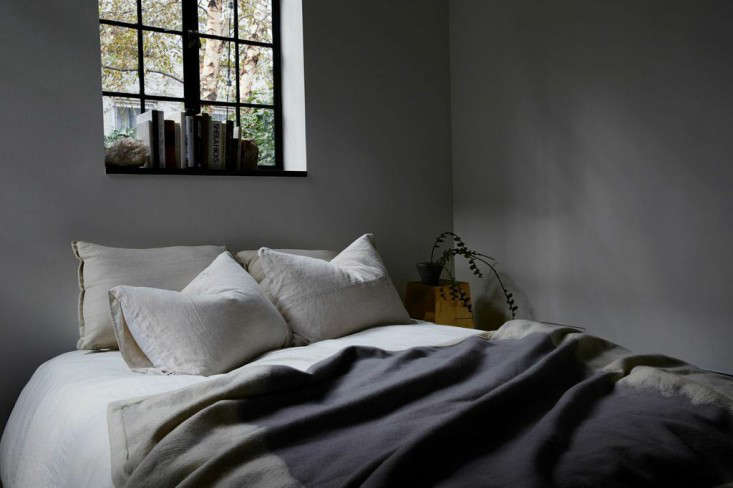
Some home accessories quietly do their job. A lamp lights up. A vase stands there looking important. A bargain throw blanket spends two weeks pretending not to pill before surrendering to lint-ball destiny. Then there is the American Cashmere and Cormo Wool Large Throw: the kind of textile that makes a sofa look more intentional, a bed look more expensive, and a Sunday afternoon feel like it came with its own soundtrack.
This is not just another decorative blanket tossed over a chair for social media. A large throw made with American cashmere sensibility and Cormo wool belongs to a very specific category: soft, natural, quietly luxurious, and built around fiber quality rather than loud branding. It speaks to people who love texture, craftsmanship, and comfort but do not want their living room to look like it is auditioning for a hotel lobby.
In this guide, we will explore what makes Cormo wool special, why cashmere remains the gold standard for softness, how a large throw earns its place in the home, and why American-made natural fiber textiles are enjoying a well-deserved comeback. Warning: by the end, your current couch blanket may start looking nervous.
What Is an American Cashmere and Cormo Wool Large Throw?
An American Cashmere and Cormo Wool Large Throw is best understood as a luxury home textile that combines the elevated softness associated with cashmere and the fine, springy character of Cormo wool. Cormo wool comes from Cormo sheep, a breed developed for fine fleece, good body size, and consistent fiber quality. The fiber is known for being soft enough for next-to-skin use while offering more resilience than some ultra-delicate luxury fibers.
The “large throw” part matters. Many standard throw blankets measure around 50 by 60 inches, which is fine if your dream is to cover exactly one lap and maybe half a shin. A larger size, such as approximately 56 by 80 inches, gives the throw more flexibility. It can drape across a queen bed, wrap around two people on the sofa, or serve as an elegant extra layer in a guest room.
Unlike synthetic fleece, which often relies on immediate fluffiness, natural wool and cashmere blends win through performance. They breathe, insulate, resist odors better than many man-made fibers, and develop a lived-in beauty over time. A well-made wool throw does not scream for attention. It simply sits there, soft and confident, like it knows it has better fiber content than everything else in the room.
Why Cormo Wool Deserves More Attention
Cormo wool is one of those materials that textile lovers talk about with the same emotional intensity other people reserve for vintage guitars or heirloom tomatoes. It is a fine wool, often compared with Merino because of its softness, but it has its own personality. Cormo fiber typically falls in a fine micron range, making it comfortable, smooth, and far less scratchy than the “grandpa’s army blanket” version of wool many people remember from childhood.
Softness Without Fragility
Cashmere is famous for softness, but pure cashmere can be delicate, especially in items that face regular use. Cormo wool brings a useful balance. It has loft, warmth, and a gentle hand, while also offering structure and durability. That makes it an excellent candidate for a luxury throw blanket that is meant to be touched, used, folded, moved, and occasionally stolen by the family dog.
Natural Loft and Warmth
Fine wool fibers trap air, and trapped air is what creates insulation. That is why a good wool throw can feel warm without feeling heavy or suffocating. Cormo wool has a natural crimp that helps create loft, giving the throw a plush, airy quality. It keeps you warm during a chilly morning but does not turn your couch into a personal sauna by episode three of your favorite show.
Texture That Looks Expensive Because It Is Honest
Natural fibers have visual depth. A Cormo wool throw does not need neon color, glitter thread, or dramatic patterning to look interesting. Its appeal comes from subtle variation, softness, and drape. Whether left in natural ivory, soft gray, camel, oatmeal, or another quiet shade, it adds texture without shouting, “I bought home decor because a website told me to.”
Cashmere: The Luxury Fiber Everyone Thinks They Know
Cashmere comes from the fine undercoat of cashmere goats. The best cashmere fibers are prized because they are extremely fine, soft, light, and warm. In the United States, textile labeling standards are strict about what can legally be called cashmere. The fiber must come from the dehaired undercoat of a cashmere goat and meet specific fineness requirements. That matters because the word “cashmere” is powerful in marketing, and without standards, someone would eventually try to sell a bath mat as “mystic mountain cashmere.” Humans are creative. Not always in good ways.
In a throw blanket, cashmere contributes softness, elegance, and a premium feel. When paired thoughtfully with fine wool, the result can be more practical than pure cashmere while still delivering the sensory pleasure people expect from a luxury textile. A cashmere and Cormo wool throw can feel indulgent without becoming so precious that everyone is afraid to sit near it while holding coffee.
Why American-Made Natural Fiber Throws Feel Different
The appeal of an American wool throw is not just patriotic branding. It is about traceability, regional craft, smaller production, and a closer relationship between raw material and finished object. American fiber farms, small mills, independent designers, and textile studios often work in ways that preserve the character of the fiber rather than processing it into anonymity.
Mass-market blankets are usually designed around price, speed, and scale. That does not automatically make them bad, but it does mean compromises are common. Luxury natural fiber throws are different. They are often designed around fiber quality, hand feel, construction, and longevity. The goal is not to win a race to the lowest price. The goal is to make something worth keeping.
That is where the American Cashmere and Cormo Wool Large Throw fits beautifully. It represents the growing interest in objects that are useful, beautiful, and made with materials people can understand. A throw like this is not disposable decor. It is part blanket, part design statement, part emotional support textile.
Large Throw Size: Why Bigger Really Is Better
Size is one of the most underrated details in a throw blanket. A small throw may look cute folded over an accent chair, but daily use exposes its limitations quickly. Feet escape. Shoulders complain. Two people attempt to share it and suddenly the living room becomes a courtroom drama.
A large throw solves this problem with grace. At around 56 by 80 inches, it has enough coverage to work across multiple settings. On a sofa, it feels generous. On a bed, it becomes a decorative layer. In a reading nook, it turns an ordinary chair into a respectable cocoon. For guest rooms, it offers warmth without forcing visitors to excavate the closet for mystery bedding from 2009.
Best Places to Use a Large Wool Throw
In the living room, drape it over the back of a sofa or fold it lengthwise across one arm. On a bed, place it horizontally near the foot for a hotel-inspired look. In a home office, keep it over a chair for cold mornings when productivity requires both caffeine and insulation. In a nursery or family room, use it as an adult comfort layer rather than a rough-and-tumble play blanket.
The key is to let the material breathe visually. Do not overstyle it into a tortured knot. Luxury throws look best when they appear casually placed, even if you spent six minutes arranging the fold. Interior designers know this secret. Now you do too.
How It Compares With Other Luxury Throw Blankets
Compared with a pure cashmere throw, a Cormo wool and cashmere-inspired throw may feel slightly more structured and resilient. Compared with a standard wool throw, it should feel softer, finer, and more refined. Compared with synthetic fleece, it offers a more breathable and elevated experience, though it requires more thoughtful care.
Acrylic and polyester throws often win on price and easy washing. They are practical for high-chaos zones, including kids’ forts, muddy paws, and popcorn-heavy movie nights. But when it comes to natural warmth, long-term beauty, and tactile richness, fine wool and cashmere are in a different league. It is not snobbery. It is fiber science with better manners.
Styling the American Cashmere and Cormo Wool Large Throw
A luxury wool throw works best when paired with contrast. If your sofa is leather, the throw adds softness. If your bedding is crisp cotton, it adds warmth and texture. If your room leans modern, it brings organic character. If your room is rustic, it looks right at home, preferably near a stack of books and a mug that says something charmingly passive-aggressive.
For Minimalist Interiors
Choose natural shades such as cream, oatmeal, fog gray, or warm taupe. Let the texture do the talking. A large Cormo wool throw can soften clean lines without disrupting the calm mood of the room.
For Traditional Homes
Use the throw as a bridge between classic furniture and everyday comfort. Draped across a wingback chair or layered at the end of a bed, it adds warmth without looking trendy. This is especially effective in rooms with wood furniture, linen curtains, vintage rugs, or brass lighting.
For Modern Farmhouse and Organic Decor
Natural wool belongs effortlessly in spaces built around stone, wood, ceramics, and neutral palettes. The throw adds depth and authenticity. It says “cozy,” not “I panic-bought twelve beige things and called it a design philosophy.”
How to Care for a Cashmere and Cormo Wool Throw
Luxury natural fibers reward gentle care. The first rule is simple: read the care label. The second rule: do not treat fine wool like gym socks. Wool and cashmere fibers can shrink, felt, or lose softness if exposed to heat, rough agitation, or harsh detergents.
For routine maintenance, air the throw outside in shade or near an open window. This helps refresh the fibers naturally. Use a soft-bristle garment brush to remove surface dust and smooth the nap. For small spills, blot immediately with a clean cloth. Never rub aggressively unless your goal is to create a tiny modern art installation called “Regret.”
If washing is allowed, use cold water, a wool-safe detergent, and the gentlest method recommended by the maker. Many luxury wool and cashmere throws are best dry cleaned, especially if they are large, felted, brushed, or finely finished. After cleaning, store the throw folded in a breathable cotton bag or on an open shelf away from direct sunlight. Avoid plastic bags for long-term storage because natural fibers appreciate air, unlike forgotten leftovers.
Is It Worth the Investment?
The honest answer: it depends on how you use your home. If you want a cheap blanket for camping, pets, or emergency car storage, this is probably not the right choice. If you want a beautiful, soft, natural-fiber throw that can elevate a room and provide years of comfort, the investment makes sense.
A luxury throw is one of the few decor items that improves both how a room looks and how it feels. A painting may be beautiful, but it will not keep your knees warm. A sculptural chair may impress guests, but it may also punish your spine. A large wool throw offers comfort, design value, and everyday usefulness in one object.
The American Cashmere and Cormo Wool Large Throw is especially appealing for people who appreciate materials with a story. Cormo wool has agricultural character. Cashmere has luxury heritage. American textile production adds craft and place. Together, they create a throw that feels personal rather than generic.
Buying Tips: What to Look For
When shopping for a luxury wool or cashmere throw, start with fiber content. Look for clear labeling that identifies wool, cashmere, Cormo wool, or any blend. Vague descriptions such as “cashmere feel” or “cashmere-like” may indicate a soft finish rather than actual cashmere fiber. That is not always bad, but it should be transparent.
Next, check size. A large throw should be generous enough for real use, not just decorative staging. Review the construction as well. Needle-felted, woven, knitted, and brushed throws each feel different. Needle-felted wool can have a plush, dense, sculptural quality, while woven throws often drape more fluidly. Knitted throws feel cozy but may stretch or snag more easily.
Finally, consider color. Natural shades age beautifully and fit easily into changing interiors. A dramatic color can be stunning, but if you redesign often, a neutral throw will be more versatile. Think of it as the difference between a timeless coat and a neon jacket you bought during an overly optimistic week.
Experience: Living With an American Cashmere and Cormo Wool Large Throw
The first thing you notice about a fine wool throw is not always warmth. It is quietness. Not sound, exactly, but mood. A synthetic blanket can feel loud in the hand: slippery, shiny, overly plush, almost too eager. A Cormo wool and cashmere-style throw feels calmer. It has softness, but not the marshmallow softness that collapses immediately. It has body. It settles over your lap with a pleasant weight, as if it has made a small executive decision on behalf of your comfort.
On a cold morning, this kind of throw changes the ritual of waking up. Instead of turning the thermostat into a financial crime scene, you can wrap the throw around your shoulders and sit with coffee, email, or ten minutes of pretending not to check email. The warmth arrives gradually and stays balanced. Wool is good at temperature regulation, so the experience is less “trapped under a heated tortilla” and more “gently insulated like a person with excellent life choices.”
In the living room, the large size becomes the real luxury. You do not have to negotiate with the blanket. You can tuck it under your feet, pull it over your shoulders, or share it without starting a silent domestic conflict. It works during movie nights, reading sessions, afternoon naps, and those mysterious evenings when you sit down for five minutes and wake up two hours later with the remote in your hand.
As a design object, it earns its keep even when nobody is using it. Folded across the back of a sofa, it adds texture and visual softness. Draped over a bed, it makes the whole room look more finished. The best part is that it does not require perfect styling. A little looseness actually helps. Natural fiber throws look better when they are allowed to behave naturally. Too much precision can make them look like they are trapped in a catalog against their will.
Guests notice it, too. Not always immediately, and not always with dramatic declarations. More often, someone touches the throw and says, “Oh, this is nice,” in the tone people use when they realize an object is quietly superior. That is the charm of a luxury wool throw. It does not need to announce itself. It wins by contact.
There is also a slower pleasure in owning something made from natural fiber. Over time, you learn its habits. You learn where it looks best, how to fold it, when to air it, and which chair seems to deserve it most. It becomes part of the house in a way cheaper blankets rarely do. Instead of being replaced every season, it becomes familiar. It gathers memories: winter mornings, late-night reading, sick days, holiday guests, rainy afternoons, and the occasional nap that was absolutely not planned but deeply necessary.
The only real caution is that a throw this good may raise your standards. Once you have lived with fine wool, thin synthetic throws start to feel suspicious. You may find yourself checking labels, judging fiber blends, and saying things like “This has nice loft” at stores. That is how it begins. First a blanket, then a textile opinion. There are worse fates.
Conclusion
The American Cashmere and Cormo Wool Large Throw represents everything people love about thoughtful home design: natural materials, everyday usefulness, understated beauty, and comfort that does not need gimmicks. It is soft without being flimsy, warm without being bulky, elegant without being fussy, and large enough to be genuinely practical.
For anyone building a home around quality rather than clutter, this kind of throw is a smart investment. It works as decor, bedding, comfort object, and quiet luxury statement. More importantly, it reminds us that the best household items are not always the flashiest. Sometimes they are the ones waiting patiently on the sofa, ready to make an ordinary evening feel like a small upgrade.
Note: This publish-ready article synthesizes verified information from reputable textile, fiber, home design, wool care, and U.S. labeling references, rewritten in original standard American English for SEO use.