Yes, steroid creams can help treat eczemaand for many people, they are one of the fastest ways to calm an angry flare. When eczema decides to throw a tiny skin tantrum, topical corticosteroids can reduce inflammation, itching, redness, swelling, and that “please let me scratch this with a garden rake” feeling. But they are not magic frosting. They work best when used correctly, for the right amount of time, at the right strength, and alongside a serious moisturizing routine.
Eczema, especially atopic dermatitis, is a chronic inflammatory skin condition that can make the skin dry, itchy, cracked, rough, scaly, discolored, or painfully irritated. It is not contagious, but it can spread across your day like a bad Wi-Fi signal: sleep gets interrupted, clothes feel scratchy, showers sting, and every well-meaning person suddenly becomes a skincare expert. The good news is that eczema treatment has improved a lot. Steroid creams remain a trusted tool, but they are only one part of a smart eczema plan.
What Are Steroid Creams for Eczema?
Steroid creams for eczema are usually called topical corticosteroids. “Topical” means they are applied to the skin. “Corticosteroid” means they are anti-inflammatory medicines modeled after hormones your body naturally makes. They are not the same as anabolic steroids used illegally for muscle growth, so your eczema cream will not make your elbow bench-press a refrigerator.
These medications come in creams, ointments, lotions, gels, foams, and solutions. For eczema, ointments and creams are the most common. Hydrocortisone is a mild steroid that can be found over the counter in low strengths, while stronger options such as triamcinolone, fluocinonide, mometasone, or clobetasol require a prescription. The goal is not to “nuke” the rash. The goal is to calm the inflammation so the skin barrier can recover.
How Do Steroid Creams Help Eczema?
Eczema is partly a skin barrier problem and partly an immune system overreaction. The outer skin layer has trouble holding water and blocking irritants. Once the barrier gets leaky, everyday triggerssoap, sweat, fragrance, dust, stress, wool, heat, cold air, or mystery laundry detergent from the underworldcan set off inflammation. That inflammation fuels itching. Scratching damages the barrier further. Then the cycle repeats.
Topical steroids help by interrupting that cycle. They reduce inflammation in the skin, which often leads to less itching, less redness, less swelling, and faster healing. When itching improves, scratching decreases. When scratching decreases, the skin gets a chance to rebuild its barrier. This is why a properly used steroid cream can feel like someone finally turned down the volume on your skin.
Are Steroid Creams a Cure for Eczema?
No. Steroid creams do not cure eczema. Eczema is usually a long-term condition that tends to flare and calm down over time. A steroid cream treats the flare; it does not erase the underlying tendency toward dry, reactive, easily annoyed skin. Think of it like a fire extinguisher. Very useful when there is a flare-up, but you still need smoke alarms, safe wiring, and maybe fewer candles near the curtains.
Long-term control usually depends on three basics: repairing the skin barrier with moisturizers, avoiding personal triggers, and using anti-inflammatory medicine when needed. Some people also need non-steroid prescription creams, biologic injections, oral medicines, phototherapy, or treatment for infection. The right plan depends on severity, age, skin location, medical history, and how often flares happen.
Which Strength Is Best?
There is no single “best” steroid cream for eczema. The best choice is the weakest effective steroid for the shortest effective time. Potency matters because skin thickness varies by location. The palms and soles are thick and may need a stronger medication. The eyelids, face, neck, armpits, groin, and skin folds are thinner and more sensitive, so they usually need lower-potency options or non-steroid alternatives.
Low-potency steroids
Low-potency steroids, such as over-the-counter hydrocortisone 1%, may help mild eczema, facial flares, or sensitive areas when approved by a healthcare provider. They are often the first step for mild inflammation.
Medium-potency steroids
Medium-strength prescription steroids are commonly used for body flares on the arms, legs, and trunk. They can be very effective for eczema that does not respond to moisturizer and low-strength hydrocortisone.
High-potency steroids
High-potency steroids are reserved for thicker skin, stubborn plaques, severe flares, or short supervised treatment periods. These are not “use whenever life gets itchy” products. They need clear instructions.
Cream vs. Ointment: Does the Base Matter?
Yes, the base matters more than people think. Ointments are greasy, thick, and excellent at sealing moisture into dry eczema-prone skin. They are often more effective for very dry, cracked, scaly patches. Their downside is that they can feel shiny and sticky, like you shook hands with a glazed doughnut.
Creams are less greasy and easier to use during the day, especially under clothing. However, some creams contain preservatives or ingredients that can sting sensitive skin. Lotions are lighter and may work better for hairy areas, but they are often less moisturizing. The “best” format is the one that treats the flare and fits your real life. A perfect ointment that stays in the drawer helps exactly nobody.
How to Use Steroid Creams Correctly
Correct use is where steroid creams either shine or cause trouble. Most people should apply a thin layer only to active eczema areas, not all over the body like sunscreen. Follow the exact directions from your doctor or pharmacist. If the label says once daily for seven days, it does not secretly mean four times daily until the tube looks emotionally exhausted.
A practical routine
Start with a short, lukewarm bath or shower. Avoid hot water, harsh soap, scrubbing, and scented body washes. Pat the skin gently so it is still slightly damp. Apply the steroid to inflamed patches as directed. Then apply a thick fragrance-free moisturizer over the rest of the skin. Some clinicians recommend applying moisturizer first, waiting a bit, and then using medication; others prefer medication first. The key is consistency and following your provider’s instructions.
The fingertip unit idea
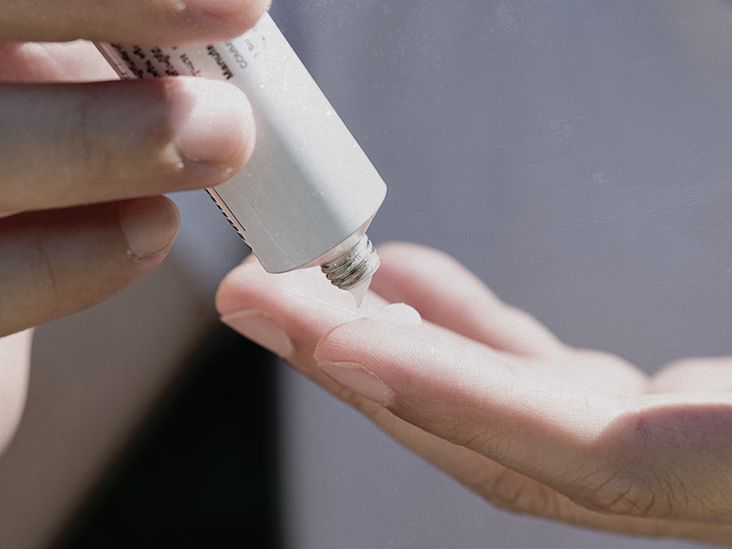
Many dermatologists use the “fingertip unit” as a rough guide. One fingertip unit is the amount of cream squeezed from the tip of an adult index finger to the first crease. That amount covers about two adult hand-sized areas of skin. This helps prevent both underuse and overuse. Underuse is surprisingly common because people fear steroids and apply a microscopic smear that cannot do the job. Overuse is also risky, especially with stronger steroids.
How Long Should You Use Them?
Many eczema flares improve within a few days, but some need one to two weeks. If the rash is not improving after the time frame your clinician gave you, check back instead of simply continuing indefinitely. A flare that refuses to improve may not be eczema, or it may involve infection, allergic contact dermatitis, fungal rash, scabies, psoriasis, or another condition wearing an eczema costume.
Some people with frequent flares are prescribed “proactive therapy,” where a steroid or non-steroid anti-inflammatory is used on problem areas once or twice weekly after the flare clears. This can reduce relapses for some patients, but it should be done with medical guidance.
Possible Side Effects of Steroid Creams
When topical corticosteroids are used correctly, side effects are uncommon. Problems become more likely with high-potency steroids, long-term continuous use, application on thin skin, use under occlusion, or using someone else’s prescription because “it worked for Aunt Linda’s elbow.” Aunt Linda’s elbow is not a medical degree.
Possible side effects include skin thinning, easy bruising, visible blood vessels, stretch marks, acne-like bumps, rosacea-like irritation, discoloration, burning, stinging, or worsening rash from allergy to an ingredient. Very rarely, heavy or prolonged use over large areas can affect hormone function, especially in young children. This is why babies and children need extra care with dosing, potency, and treatment length.
What About Topical Steroid Withdrawal?
Topical steroid withdrawal, often shortened to TSW, is a real concern discussed by patients and clinicians. It is associated with prolonged, frequent, or inappropriate use of topical steroids, especially higher-potency products. Reported symptoms can include burning, redness, swelling, peeling, and extreme sensitivity after stopping. However, TSW can be difficult to distinguish from severe eczema rebound, uncontrolled inflammation, infection, or allergic contact dermatitis.
The takeaway is balanced: do not be careless with steroid creams, but do not be so afraid that you leave eczema untreated until your skin becomes a full-time drama department. Use the right strength, for the right location, for the right duration, with professional guidance.
When Steroid Creams May Not Be Enough
Steroid creams are helpful, but they are not the answer to every eczema situation. If eczema is widespread, infected, constantly returning, affecting sleep, causing bleeding cracks, or interfering with school, work, or daily life, a bigger plan may be needed.
Signs of infection
Call a healthcare provider if you notice increasing pain, warmth, swelling, pus, honey-colored crusting, fever, rapidly spreading redness, or blisters that look unusual. Eczema-prone skin is more vulnerable to bacterial, viral, and fungal infections. Steroid cream alone may make some infections worse if infection is the real driver.
Allergic contact dermatitis
Sometimes the “eczema” is actually a reaction to fragrance, preservatives, nickel, hair dye, cosmetics, topical antibiotics, or even ingredients in skincare products. If the rash keeps returning in the same pattern, patch testing may help identify triggers.
Severe atopic dermatitis
Moderate to severe eczema may require prescription non-steroid creams, biologics, oral JAK inhibitors, phototherapy, or other specialist care. Modern eczema treatment is no longer limited to “moisturize and hope.” Dermatology has upgraded the toolbox.
Non-Steroid Options for Eczema
Non-steroid eczema treatments can be useful for sensitive areas, long-term control, or patients who cannot tolerate topical steroids. Options include topical calcineurin inhibitors such as tacrolimus and pimecrolimus, PDE-4 inhibitors such as crisaborole, topical JAK inhibitors, and newer anti-inflammatory creams. These medications work differently from steroids and may be used for maintenance or areas where steroid side effects are a concern.
Moisturizers remain non-negotiable. The best eczema moisturizers are usually fragrance-free creams or ointments with barrier-supporting ingredients such as petrolatum, ceramides, glycerin, hyaluronic acid, dimethicone, or colloidal oatmeal. Lotions can help some people, but many contain more water and may sting or evaporate quickly. When in doubt, choose boring skincare. Eczema loves drama; your moisturizer should not.
Common Mistakes People Make With Steroid Creams
The first mistake is using too little. Many people apply such a tiny amount that the medicine cannot calm inflammation. The second mistake is using too much or too long, especially with strong prescriptions. The third mistake is stopping the moisturizer because the steroid is “doing the real work.” That is like fixing a leaky roof and then removing the shingles for fun.
Another mistake is treating every rash as eczema. Ringworm, impetigo, scabies, psoriasis, hives, shingles, and allergic reactions can mimic eczema. If a rash has a ring shape, pus, severe pain, fever, rapid spread, or no improvement with appropriate treatment, it deserves a medical review.
Are Steroid Creams Safe for Children?
They can be safe for children when used as directed. Children have smaller bodies and more delicate skin, so potency and amount matter. Pediatric eczema often starts with gentle skincare, frequent moisturizing, trigger control, and low-potency medication when needed. Stronger treatments may be prescribed for short periods if the eczema is severe or persistent.
Parents often worry about steroid side effects, which is understandable. But undertreated eczema also has risks: poor sleep, constant scratching, bleeding, infection, pain, school distraction, and emotional stress. The safest plan is not “never use steroids.” It is “use them wisely.” Ask the child’s clinician where to apply the cream, how much to use, how long to use it, and what to do when the flare improves.
Real-Life Examples: When Steroid Creams Help
Imagine a person with eczema behind the knees every winter. Moisturizer helps a little, but the skin becomes red, itchy, and cracked. A medium-potency steroid used for a short course, followed by daily thick moisturizer, may clear the flare and prevent scratching from reopening the skin.
Now imagine eyelid eczema caused by a fragranced eye cream. A strong steroid would be risky near the eyes. The better plan might be stopping the trigger, using bland moisturizer, and asking a clinician about a low-potency steroid or non-steroid prescription safe for facial skin.
For hand eczema, especially in people who wash hands often, steroid ointment may calm the inflammation, but gloves, gentle cleansers, and barrier cream are just as important. Otherwise, the hands keep walking back into the same tiny disaster movie every day.
Experience-Based Section: What Living With Steroid Creams for Eczema Can Feel Like
People who live with eczema often describe steroid creams with mixed feelings: relief, caution, confusion, and sometimes frustration. On one hand, a steroid cream can be the first thing that finally quiets the itch. After days of scratching, waking up at night, and bargaining with your own skin like it is a tiny stubborn landlord, the improvement can feel dramatic. A patch that looked fiery on Monday may look calmer by Wednesday. Sleep may come back. Clothes may stop feeling like sandpaper with sleeves. That kind of relief matters.
On the other hand, many people are nervous about using steroids. They hear about skin thinning or topical steroid withdrawal and wonder whether the tube in the medicine cabinet is helpful or secretly plotting against them. This fear can lead to underuse. Someone may dab on a barely visible amount once, decide it “did not work,” and let the flare continue for weeks. The skin then becomes thicker, itchier, more cracked, and harder to treat. In real life, fear of medication can sometimes make eczema more powerful.
A common experience is learning that eczema care is less about one heroic product and more about routine. The steroid cream may calm the fire, but moisturizer rebuilds the neighborhood. People often do better when they keep a simple flare plan: use fragrance-free cleanser, take short lukewarm showers, apply medication to inflamed patches, moisturize generously, wear soft breathable fabrics, and avoid known triggers. It sounds basic, but basic is underrated. The skin barrier is not impressed by a 12-step skincare routine with fruit acids, perfume, glitter, and ambition.
Another real-world lesson is that location matters. A person may safely use a prescribed steroid on thick eczema patches on the legs but need a completely different plan for the face or eyelids. This surprises many patients because the tube looks the same no matter where you apply it. But skin is not the same everywhere. Eyelid skin is delicate; palm skin is tough. Treating both with the same strength is like using a leaf blower to dust a cupcake.
People also learn that timing matters. Steroid creams tend to work best when used early in a flare, before the skin becomes severely cracked or infected. Waiting until eczema has become raw and widespread may require more treatment, more time, and more patience. Some patients keep an eczema action plan from their dermatologist, similar to an asthma action plan: what to use for mild flares, what to use for moderate flares, when to step down, and when to call for help.
Finally, many people discover that successful eczema care requires communication. If a steroid cream burns, does not help, causes a new rash, or the eczema returns immediately after stopping, that is useful informationnot a personal failure. A clinician can adjust potency, switch the vehicle from cream to ointment, test for contact allergies, check for infection, or consider non-steroid options. The experience of treating eczema is rarely perfect, but it can become manageable. The goal is not flawless skin every day. The goal is fewer flares, less itching, better sleep, and a life where your skin does not get to chair every meeting.
Final Verdict: Do Steroid Creams Help Eczema?
Yes. Steroid creams help many people treat eczema flares by reducing inflammation and itch. They are one of the most established, evidence-supported treatments for atopic dermatitis and other inflammatory eczema types. But they work best as part of a complete plan that includes moisturizers, trigger control, gentle bathing, correct application, and follow-up when symptoms do not improve.
The smartest approach is not “steroids are scary” or “steroids are harmless.” The smartest approach is respect. Respect the medicine, respect the instructions, and respect the fact that eczema-prone skin needs daily care even after the flare calms down. Used wisely, steroid creams can be less like a villain and more like a reliable firefighter: not invited to every picnic, but very welcome when things are burning.