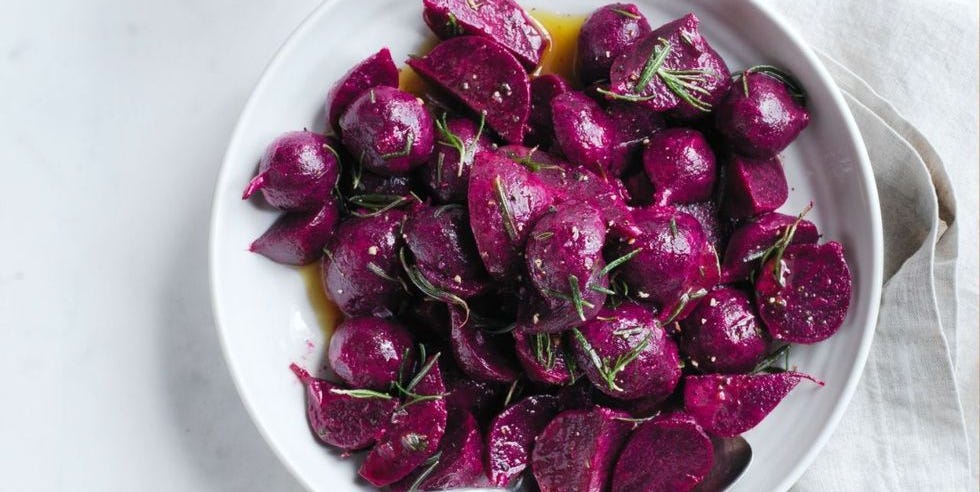
If beets have ever scared you a little, welcome. You are among friends. They are earthy, deeply colorful, and capable of turning your cutting board into what looks like a low-budget crime scene. But once you learn how to make marinated beets the right way, they become one of the easiest and most rewarding make-ahead dishes in your kitchen. Sweet, tangy, glossy, and packed with flavor, marinated beets can slide into dinner as a side dish, star in a salad, or casually show up on a cheese board acting like they own the place.
This is the best marinated beets recipe for home cooks who want big flavor without weird fuss. The beets are cooked until tender, then tossed in a bright vinegar-based marinade with a little sweetness, a little mustard, a little onion, and just enough olive oil to make everything feel polished. The result is balanced instead of sharp, flavorful instead of muddy, and miles away from the sad, lonely beets that sometimes appear in cafeteria salad bars.
Even better, this recipe is flexible. You can roast the beets for deeper sweetness or boil them if you want to keep things simple. You can serve them chilled, cool, or at room temperature. And you can make them ahead, which means future-you gets to open the fridge and feel wildly organized for once.
Why This Is the Best Marinated Beets Recipe
The best marinated beets recipe has one job: make beets taste exciting. That happens when you balance their natural sweetness with acid, salt, and a little bite from aromatics. In this version, apple cider vinegar brings brightness, red onion adds crunch and attitude, Dijon mustard gives the marinade some backbone, and a touch of honey or sugar rounds everything out.
Roasting or simmering the beets first softens their earthy edge and lets their sweetness come forward. Once they hit the marinade, they soak up flavor like tiny jewel-toned sponges. Give them a little time in the fridge and they become even better, which is why marinated beets are one of those rare side dishes that actually improve while you ignore them.
Another reason this recipe works so well is that it stays in the sweet spot between a salad and a pickle. It is brighter and fresher than old-school canned pickled beets, but more flavorful and make-ahead friendly than plain roasted beets. Basically, it is the overachiever of the vegetable drawer.
Ingredients for Marinated Beets
Here is everything you need to make marinated beets that taste lively, balanced, and very much worth staining your fingers for.
For the beets
- 2 pounds medium beets, red or golden
- Water, if boiling
For the marinade
- 1/2 cup apple cider vinegar
- 2 tablespoons olive oil
- 2 tablespoons honey or granulated sugar
- 1 teaspoon Dijon mustard
- 1/2 teaspoon kosher salt
- 1/4 teaspoon black pepper
- 1/4 small red onion, very thinly sliced
- 1 small garlic clove, finely grated or minced
- 1 tablespoon chopped fresh dill or parsley
Optional extras
- 1 teaspoon orange zest for brightness
- 1 tablespoon balsamic vinegar for deeper sweetness
- Crumbled goat cheese or feta for serving
- Toasted walnuts or pistachios for crunch
Red beets give you the classic deep ruby color and bold flavor. Golden beets are sweeter-looking, less messy, and less likely to dye your countertop, your shirt, and possibly your soul. Both work beautifully in this marinated beets recipe.
How to Make Marinated Beets
Step 1: Cook the beets
You have two easy options. If you want a more concentrated, slightly sweeter flavor, roast them. If you want fast, classic prep, boil them.
To roast: Trim the beet greens, leaving about an inch of stem if possible. Wrap the beets loosely in foil and roast at 400°F for about 45 to 60 minutes, depending on size, until a knife slides in easily.
To boil: Place trimmed beets in a pot, cover with water, and simmer for 30 to 45 minutes until fork-tender.
Let the cooked beets cool just enough to handle. Then rub off the skins with paper towels or your hands. This part is oddly satisfying, like peeling off a tiny vegetable jacket.
Step 2: Slice the beets
Cut the peeled beets into wedges, slices, or bite-size chunks. There is no beet police, so choose the shape you like best. Thin slices absorb marinade faster, while wedges look dramatic and hold their texture nicely.
Step 3: Make the marinade
In a medium bowl, whisk together the apple cider vinegar, olive oil, honey or sugar, Dijon mustard, salt, black pepper, garlic, and fresh herbs. Stir in the sliced red onion. Taste it. It should be punchy but balanced. If it makes your mouth wake up, you are on the right track.
Step 4: Marinate the beets
Add the warm beets to the bowl and toss gently to coat. Warm beets absorb flavor better than cold ones, so this is not the moment to wander off and answer emails. Transfer everything to a container or serving bowl, cover, and refrigerate for at least 30 minutes.
If you can wait a few hours, do it. If you can wait overnight, even better. The flavor deepens, the onions soften, and the whole dish becomes more harmonious.
Step 5: Serve
Serve the marinated beets chilled, cool, or at room temperature. Spoon over a little extra marinade before serving. Add goat cheese, toasted nuts, fresh herbs, or citrus zest if you want to dress them up. Or do nothing at all and let the beets carry the conversation.
Tips for the Best Flavor and Texture
- Do not overcook the beets. You want them tender, not mushy. Mushy beets are fine in soup. In a marinated beet salad, they are just tired.
- Marinate while warm. Warm beets soak up the dressing more efficiently than cold ones.
- Slice the onion thin. Thick onion slices can bully the beets. Thin onion slices mingle nicely instead of taking over.
- Use enough acid. Beets are sweet and earthy, so they need vinegar to brighten them.
- Season boldly. A little extra salt and pepper can wake up the entire dish.
- Let them rest. Freshly mixed marinated beets are good. Marinated beets after a few hours are smarter, better dressed, and more interesting.
Marinated Beets Recipe Variations
Classic sweet-tangy marinated beets
Stick with cider vinegar, sugar or honey, onion, and mustard. This is the crowd-pleasing version and the one most likely to convert skeptical beet eaters.
Balsamic marinated beets
Swap part of the cider vinegar for balsamic. The flavor becomes deeper, slightly sweeter, and a little more dinner-party ready.
Citrus herb beets
Add orange zest and fresh parsley or dill. This version tastes brighter and pairs beautifully with arugula, goat cheese, and toasted pistachios.
Scandinavian-inspired beets
Lean into a sweeter vinegar profile and add a pinch of allspice or cloves. It feels cozy, old-fashioned, and excellent next to roasted meats.
Spicy marinated beets
Add a pinch of red pepper flakes or a few thin slices of fresh chile. It is a nice way to cut through the sweetness without overwhelming the beets.
What to Serve With Marinated Beets
One of the best things about learning how to make marinated beets is realizing how versatile they are. They fit into all kinds of meals without asking for much.
- Serve them alongside roast chicken, pork tenderloin, or grilled salmon.
- Layer them over arugula or mixed greens with goat cheese and toasted walnuts.
- Tuck them into grain bowls with farro, quinoa, or barley.
- Pair them with sharp cheeses, crackers, and olives on a snack board.
- Use them in sandwiches or wraps for a tangy, colorful twist.
- Spoon them next to potatoes, lentils, or white beans for a hearty vegetarian plate.
If your fridge already contains a container of marinated beets, you are always about 20% closer to looking like someone who has a plan.
Storage, Make-Ahead Tips, and Food Safety
This marinated beets recipe is ideal for making ahead. Store the beets in an airtight container in the refrigerator and enjoy them over the next several days. In fact, they often taste better on day two than they do on day one.
If you want to prep in stages, cook the beets a day ahead, then peel and marinate them later. You can also make the marinade first and add the warm beets when ready.
One important note: this is a refrigerator marinated beets recipe, not a shelf-stable canning recipe. If you want beets for pantry storage, use a tested pickling and canning method. For everyday home cooking, though, this chilled version is easier, faster, and perfect for weeknight meals.
Common Mistakes to Avoid
Using under-seasoned marinade
Beets can handle strong flavors. If the marinade tastes flat, the finished dish will too.
Skipping the resting time
You can eat the beets right away, but they will not be at their best. Time matters here.
Cutting uneven pieces
Huge chunks and tiny slices marinate at different speeds. Try to keep the pieces fairly uniform.
Forgetting balance
Too much sugar makes the dish cloying. Too much vinegar makes it harsh. Taste and adjust before adding the beets.
Serving them ice-cold straight from the back of the fridge
Let them sit at room temperature for a few minutes before serving if you want the flavor to come through more clearly.
Why Home Cooks Keep Coming Back to Marinated Beets
There is something very satisfying about a dish that tastes fancy but is secretly easy. Marinated beets check that box beautifully. They are inexpensive, colorful, make-ahead friendly, and surprisingly elegant. They also solve a common dinner problem: how to add a vegetable that feels intentional instead of obligatory.
Unlike steamed vegetables that show up on the plate with all the charisma of a waiting room chair, marinated beets bring flavor. They are bright, tangy, and bold enough to stand next to rich meats, creamy cheeses, earthy grains, or leafy salads. They hold up in the fridge, which means leftovers are not a burden. They are a gift.
And once you get the basic method down, you can adapt the recipe to your mood, the season, or whatever is lurking in your pantry. More herbs, less sweetness, extra citrus, no onion, a little spice, a handful of nuts, a crumble of cheese. The beets are flexible. You are in charge.
Real-Life Kitchen Experiences With Marinated Beets
The first time many people make marinated beets, there is a brief moment of doubt. Usually it happens right after the beets are cooked and peeled, when the kitchen looks like a painter got overexcited with magenta. But then the vinegar hits the bowl, the onions tumble in, the herbs show up looking fresh and optimistic, and suddenly the whole thing starts to make sense. The smell alone tells you these are not going to be boring.
One common experience is surprise at how much the flavor changes after chilling. Freshly mixed marinated beets are tasty, sure, but after a few hours in the refrigerator they become more rounded and confident. The sharpness mellows, the sweetness settles in, and the onions lose some of their raw bite. It is one of those dishes that rewards patience, which is annoying in theory but delicious in practice.
Another thing home cooks notice is how often these beets rescue an otherwise plain meal. Leftover chicken and rice? Add marinated beets and suddenly it looks like lunch had ambition. A handful of greens, a scoop of farro, some goat cheese, and a spoonful of marinated beets can turn random fridge odds and ends into a salad that feels restaurant-worthy. They are the kind of component that makes you look more organized than you really are, and that is a useful culinary skill.
People also learn quickly that beet preference can change dramatically depending on preparation. Someone who claims not to like beets may simply not like sad, under-seasoned beets. Once the sweet earthiness meets acid, salt, and a little richness from olive oil, the flavor becomes much more approachable. Even beet skeptics often come around when the beets are sliced thin, well chilled, and paired with something creamy or crunchy.
Then there is the texture lesson. When beets are cooked just until tender and not one second beyond, they hold their shape beautifully in the marinade. They feel substantial, not limp. That texture matters. It is the difference between a side dish you politely chew and one you actively go back for. This is why experienced beet-makers tend to check for doneness early and often rather than trusting the clock like it is a legally binding contract.
There is also a practical joy to marinated beets that has nothing to do with flavor. They keep well, travel well, and plate beautifully with almost no effort. That makes them popular for holidays, potlucks, lunches, and make-ahead dinners. Pull them from the fridge, stir once, add a few herbs or nuts if you are feeling glamorous, and they are ready to go. No reheating, no last-minute panic, no juggling skillets while guests ask whether they can help and then absolutely do not help.
Over time, people tend to develop their own signature version. Some prefer more vinegar for a sharper finish. Others like extra honey, lots of dill, or a splash of balsamic for depth. Some swear by golden beets because they are less messy. Some insist on red beets because the dramatic color is half the fun. That is part of the charm. The best marinated beets recipe is not just the one that tastes good. It is the one you keep making because it fits the way you cook, eat, and live.
Final Thoughts
If you have been wondering how to make marinated beets that actually taste exciting, this recipe is the place to start. It is simple, flexible, make-ahead friendly, and full of bright, balanced flavor. Roast or boil the beets, toss them with a lively marinade, and let time do the rest. From there, you can keep them classic or build them into salads, grain bowls, and holiday spreads.
Best of all, marinated beets prove that a humble root vegetable can absolutely steal the show. Not bad for something that looks like it was pulled out of a wizard’s garden.