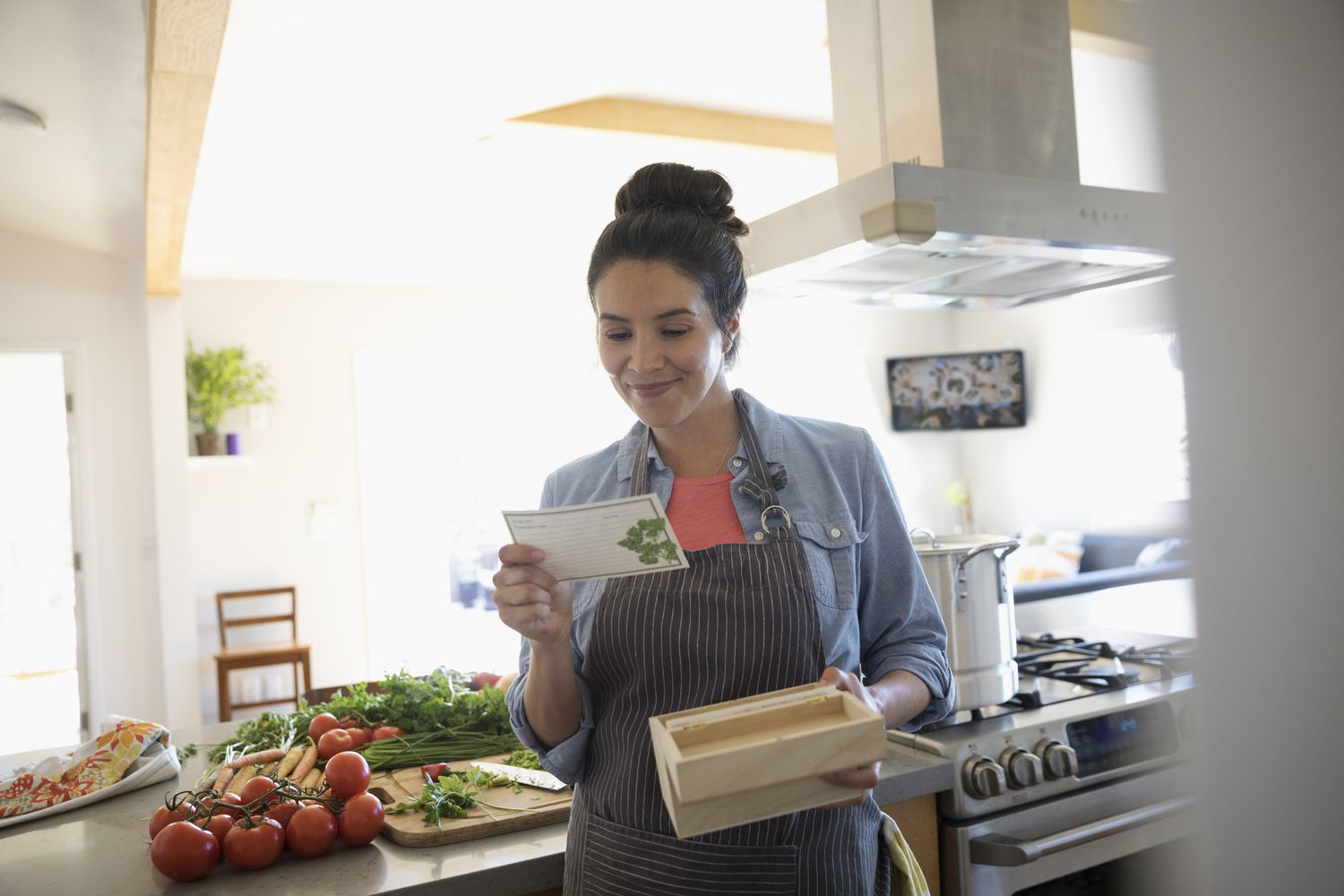
If you have ever started cooking with the confidence of a TV chef and ended up staring at a smoking pan, one lonely onion, and a sentence that says “stir in remaining ingredients,” congratulations: you have discovered that cooking is not just about heat. It is also about reading. A recipe is part instruction manual, part treasure map, and part tiny legal document written by someone who assumes you know the difference between chopped walnuts and walnuts, chopped. Spoiler: those are not the same thing.
Learning how to read a cooking recipe is one of the fastest ways to become a better home cook. It helps you avoid mistakes, manage your time, understand ingredients, and cook with a lot more confidence. And once you know how to decode a recipe properly, the whole kitchen becomes less intimidating and far more fun.
In this guide, you will learn how to read a recipe from top to bottom, what the ingredient list is really telling you, how to interpret cooking terms, and which details are most likely to trip up beginners. Think of it as recipe-reading glasses for your brain.
Why Reading a Recipe Matters More Than Most People Think
A recipe is not just a list of ingredients followed by a few casual suggestions. It is usually written in a specific order for a reason. The ingredient list often matches the order of use. The method tells you when heat matters, when timing matters, and when texture matters. If you skip ahead or improvise too early, you can run into problems fast.
For example, maybe step three says to add softened butter, but yours is still refrigerator-brick status. Maybe the pan should have been preheated before the chicken went in. Maybe the onions should have been diced small so they cook in five minutes instead of remaining crunchy little rebellion cubes. When you read the whole recipe first, you see these details before they become dinner drama.
Good recipe reading also helps you answer practical questions before you begin. How long will this really take? Do you need a sheet pan, skillet, blender, or baking dish? Does anything need to marinate, chill, rest, or thaw first? Is this a weeknight recipe or a “why did I start this at 8:15 p.m.” recipe? Reading ahead saves time, stress, and the occasional emotional support snack.
Start at the Top: The Recipe Header Is Doing More Work Than You Think
Before you even look at the ingredients, scan the top section of the recipe. This is where recipe writers usually tell you what the dish is, how many servings it makes, and how long it takes to prepare and cook. Sometimes there are notes about difficulty level, special equipment, make-ahead options, or storage tips.
Do not treat this section like decorative wallpaper. It tells you whether the recipe fits your situation. A stew that serves eight may not be ideal if you are cooking for one and hate leftovers. A “30-minute meal” may still require 15 minutes of chopping if you move through vegetables like a thoughtful turtle. A cake recipe might call for two 9-inch pans, which is useful information if your kitchen owns exactly one pan and a dream.
This is also the best place to spot hidden prep needs. If the recipe says “active time: 20 minutes, total time: 2 hours,” something important is happening during those missing 100 minutes. Chilling, rising, resting, marinating, or baking all count. Read that now, not when your guests are already asking what smells good.
How to Decode the Ingredient List
The ingredient list is where recipes become sneaky in a very polite way. Every word matters. The quantity matters. The order matters. Even the commas matter. Yes, punctuation has entered the chat.
Pay attention to the order of words
Here is a classic example:
1 cup walnuts, chopped
This means measure 1 cup of walnuts first, then chop them.
1 cup chopped walnuts
This means chop the walnuts first, then measure 1 cup of the chopped pieces.
That difference changes volume, texture, and sometimes the final outcome. The same rule applies to fruits, vegetables, cheese, and even flour. If a recipe says 1 cup flour, sifted, you measure first and sift after. If it says 1 cup sifted flour, you sift first and then measure. Tiny wording shift. Big baking consequences.
Watch for words like “divided”
If an ingredient says “2 tablespoons olive oil, divided,” that is the recipe politely warning you not to dump all of it in at once. Part of it will be used in one step, and the rest later. Ignore that word and you may end up with a dry pan in step two and regret in step four.
Know what counts as prep
Recipes often tell you the condition an ingredient should be in before it goes into the bowl or pan: softened butter, room-temperature eggs, drained beans, minced garlic, grated cheese, melted chocolate, peeled shrimp, or packed brown sugar. These are not optional personality traits. They affect how the recipe works.
Softened butter creams differently from cold butter. Room-temperature eggs blend more smoothly into batters. Drained beans keep soups and salads from becoming swampy. Packed brown sugar is denser than loosely spooned sugar. Reading these cues helps you understand not just what to use, but how to prepare it before cooking starts.
The Directions Are a Map, Not a Suggestion Box
Once you move into the method, read every step all the way through. Then read it again, because that is where the details hide. Directions tell you not only what to do, but also how fast, how gently, and in what order.
Verbs matter
Stir, fold, whisk, beat, simmer, boil, saute, and roast are not interchangeable. Each one describes a different action. If a cake batter says “fold in the whipped cream,” that means be gentle so you do not knock out the air. If a sauce says “whisk,” that means combine it thoroughly and smoothly. If a recipe says “simmer,” do not let the pot rage at a full boil like it is angry about your utility bill.
Adverbs matter too
Recipe writers use words such as slowly, gently, gradually, finely, or thinly for a reason. “Gradually add broth” means the liquid should go in over time, not all at once like a dramatic splash scene. “Thinly sliced onions” cook differently from thick slices. “Gently mix” is often code for “please do not destroy the texture we worked so hard to build.”
Time and temperature are guides, but context matters
If a recipe says bake for 20 minutes, treat that as a target, not a law written on a stone tablet. Ovens vary. Stove burners vary. Pan materials vary. Even your ingredient temperature can change cooking time. That is why good cooks also watch for visual and texture cues: golden edges, bubbling sauce, fork tenderness, glossy frosting, or dough that springs back lightly when touched.
Still, do not get too casual. If the recipe gives you a temperature, use it. If it tells you to preheat, do that before the food goes in. If it calls for a certain pan size, use it whenever possible. A brownie batter in the wrong pan may still become brownies, but it might also become a science experiment.
How to Read Measurements Without Starting a Kitchen Feud
One reason beginners struggle with recipes is that measuring sounds simple until flour, brown sugar, and sticky honey all show up with different rules.
Use the right tool for the job
Dry measuring cups are for ingredients like flour, sugar, oats, and chopped nuts. Liquid measuring cups are for water, milk, broth, and oil. Liquid cups should be checked on a flat surface at eye level. Dry cups should usually be filled and leveled.
This sounds fussy until you realize that eyeballing liquid from above can throw off the amount, while packing dry ingredients too tightly can make baked goods dense or dry. Suddenly the measuring cup seems less like a tool and more like a very judgmental life coach.
For baking, accuracy is everything
Cooking allows some improvisation. Baking allows improvisation in the same way that a math test allows interpretive dance. For baked recipes, measuring accurately matters a lot. A kitchen scale is often the easiest and most precise option, especially for flour. If you do not have one, spoon flour into the measuring cup and level it off instead of plunging the cup straight into the bag like a tiny snow shovel.
Notice when ingredients are packed, heaped, or leveled
A tablespoon can be level, rounded, or heaping. Brown sugar is often packed. Flour usually should not be packed. Salt measured loosely is not the same as salt measured precisely. These small details can change flavor, texture, and consistency more than you might expect.
Build a Before-You-Cook Routine
The easiest way to read a recipe well is to create a simple ritual before you start. Professional cooks call this preparation style mise en place, which basically means having everything in place before the real action begins. Fancy French phrase, very practical idea.
Try this routine:
- Read the recipe once for the big picture.
- Read it again while checking ingredients and tools.
- Wash, chop, measure, drain, or soften what needs prep.
- Preheat the oven or heat the pan only when you are truly ready.
- Set out bowls, spoons, pans, and anything else you will need.
This routine prevents the classic home-cook panic move: trying to mince garlic while butter burns, pasta boils over, and the recipe casually asks you to “stir constantly for 2 minutes.”
Common Recipe-Reading Mistakes to Avoid
Skipping the full read-through
This is the number one mistake. It leads to missed steps, missing ingredients, wrong equipment, and cooking surprises that are only funny later.
Substituting too early
Once you understand how a recipe works, substitutions get easier. But the first time you make something, follow it closely when you can. Swapping ingredients, changing pan sizes, lowering sugar, or increasing liquid all at once makes it difficult to know what caused success or failure.
Ignoring yield and serving size
A recipe that serves four may not magically stretch to feed eight unless you want everyone to split one brave little chicken thigh. Check serving size before you shop and cook.
Not translating the recipe into real time
Recipes often assume ingredients are already prepped. If your knife skills are still developing, add extra time. There is no shame in that. A 20-minute recipe can become a 40-minute recipe when your onion chopping style is “careful documentary pace.”
A Quick Example of Reading a Recipe the Smart Way
Imagine a recipe for roasted vegetables that says:
2 cups carrots, sliced
2 tablespoons olive oil, divided
1 teaspoon kosher salt
Roast at 425 degrees for 25 to 30 minutes, stirring halfway through
Here is what a smart reader notices:
- The carrots should be measured first and then sliced.
- The oil is divided, so it will be used in more than one step.
- The oven must be preheated before the pan goes in.
- The cooking time is a range, so texture and browning should be checked.
- “Stirring halfway through” means the vegetables need attention, not a total oven vacation.
That is the heart of recipe reading: noticing the instructions behind the instructions.
Conclusion: Read First, Cook Better
Once you know how to read a cooking recipe, the kitchen gets less mysterious. You stop seeing recipes as intimidating walls of text and start seeing them as organized, helpful roadmaps. You learn that commas matter, order matters, pan size matters, and words like fold and divided are not there to decorate the page.
Most of all, you become a calmer, smarter cook. You make fewer mistakes, waste fewer ingredients, and gain the confidence to improve with every meal. So the next time you open a recipe, do yourself a favor: read it all the way through before the burner clicks on. Your future self, your dinner, and your smoke alarm will all appreciate it.
Real Kitchen Experiences: What Reading a Recipe Teaches You Over Time
The funny thing about learning how to read a cooking recipe is that most people do not realize they are bad at it until a recipe humbles them. Maybe it happens with pancakes that turn out rubbery because the batter was overmixed. Maybe it is cookies that spread into one giant sugary continent because the butter was too soft and the flour was measured too heavily. Or maybe it is a stir-fry that goes from “quick and easy” to “why is nothing chopped and why is the garlic already burning?” in about 90 seconds.
That is why recipe reading is not just a skill for beginners. It becomes more valuable the more you cook. Over time, you start noticing patterns. You realize that recipes are written with little clues tucked everywhere. You begin to understand that if onions go into the pan first, the recipe is probably building flavor. If lemon juice is added at the end, it is there to brighten the dish instead of disappearing into the background. If a dough needs to rest, that pause is part of the process, not an inconvenient plot twist.
Many home cooks also discover that recipe reading helps with confidence. When you understand what each step is doing, you stop feeling like you are blindly obeying instructions. You start cooking with intention. You know why a soup is simmered gently instead of boiled hard. You know why a roast rests before slicing. You know why a muffin batter should look slightly lumpy instead of perfectly smooth. Suddenly, the recipe is no longer bossing you around. It is teaching you how food behaves.
There is also a practical side to the experience. Reading recipes carefully can save money. Fewer mistakes mean fewer ruined ingredients. It can save time because you stop starting recipes without enough butter, enough bowls, or enough patience. It can even make cooking more relaxing. A well-read recipe turns chaos into rhythm: chop, heat, stir, taste, finish. That rhythm is part of what makes cooking satisfying.
And then there is the best part: eventually, reading recipes well gives you the freedom to move beyond them. Not in a reckless “I replaced the flour with optimism” way, but in a smart way. You can tell when a recipe allows flexibility and when it does not. You can double a soup without fear, swap herbs with confidence, or add extra vegetables because you understand the structure of the dish. That is when cooking becomes truly enjoyable. You are still following the recipe, but now you are also having a conversation with it.
So yes, reading a recipe sounds basic. But in real kitchens, it is one of those small skills that quietly changes everything. It makes weeknight dinners easier, baking projects less risky, and special meals more successful. It turns confusion into clarity. And it reminds you that great cooking does not always start with talent. Sometimes it starts with reading the whole recipe before you touch the olive oil.