The U.S. housing market has always inspired strong opinions. Your uncle may be convinced prices are about to collapse. Your neighbor may still be talking about the offer they beat by $80,000 in 2021. And someone on social media is almost certainly announcing that the “great housing crash” will begin next Tuesday.
Mike Simonsen’s approach is a refreshing antidote to all that noise. In Talk Your Book: The Housing Market with Mike Simonsen, the housing-data expert makes a simple but powerful case: do not wait for old headlines to tell you what happened months ago. Watch the market signals that are moving right now.
That means paying attention to active inventory, new listings, pending sales, asking prices, and price reductions. It is less dramatic than yelling “bubble!” into the void, but it is much more useful for buyers, sellers, agents, investors, and anyone who would like to make a housing decision without accidentally turning it into a horror movie.
The Big Lesson: Housing Is a Local, Living Market
One of the clearest takeaways from Mike Simonsen’s housing-market discussion is that real estate data is no longer locked inside a dusty filing cabinet somewhere behind a real estate broker’s desk. Buyers and sellers can see listings, price changes, days on market, neighborhood inventory, mortgage rates, and comparable sales in real time.
That access has changed behavior. Buyers can identify when a home has been sitting for three weeks, dropped its price twice, and suddenly developed a suspiciously enthusiastic listing description. Sellers can see whether competing homes are piling up nearby. Agents can compare current market conditions with the slow-moving closed-sale reports that often describe a market that has already changed.
Simonsen’s core argument is not that every person needs to become a spreadsheet wizard who dreams in pivot tables. It is that the most valuable housing indicators are often the ones that arrive first.
Closed Sales Are Useful, but They Are Rearview-Mirror Data
Closed sales and recorded home prices matter. They show where the market has been. The problem is timing. A house that closes today may have gone under contract a month or two earlier, after negotiations that began even earlier. By the time the transaction is counted, buyer demand, mortgage rates, and available inventory may have shifted.
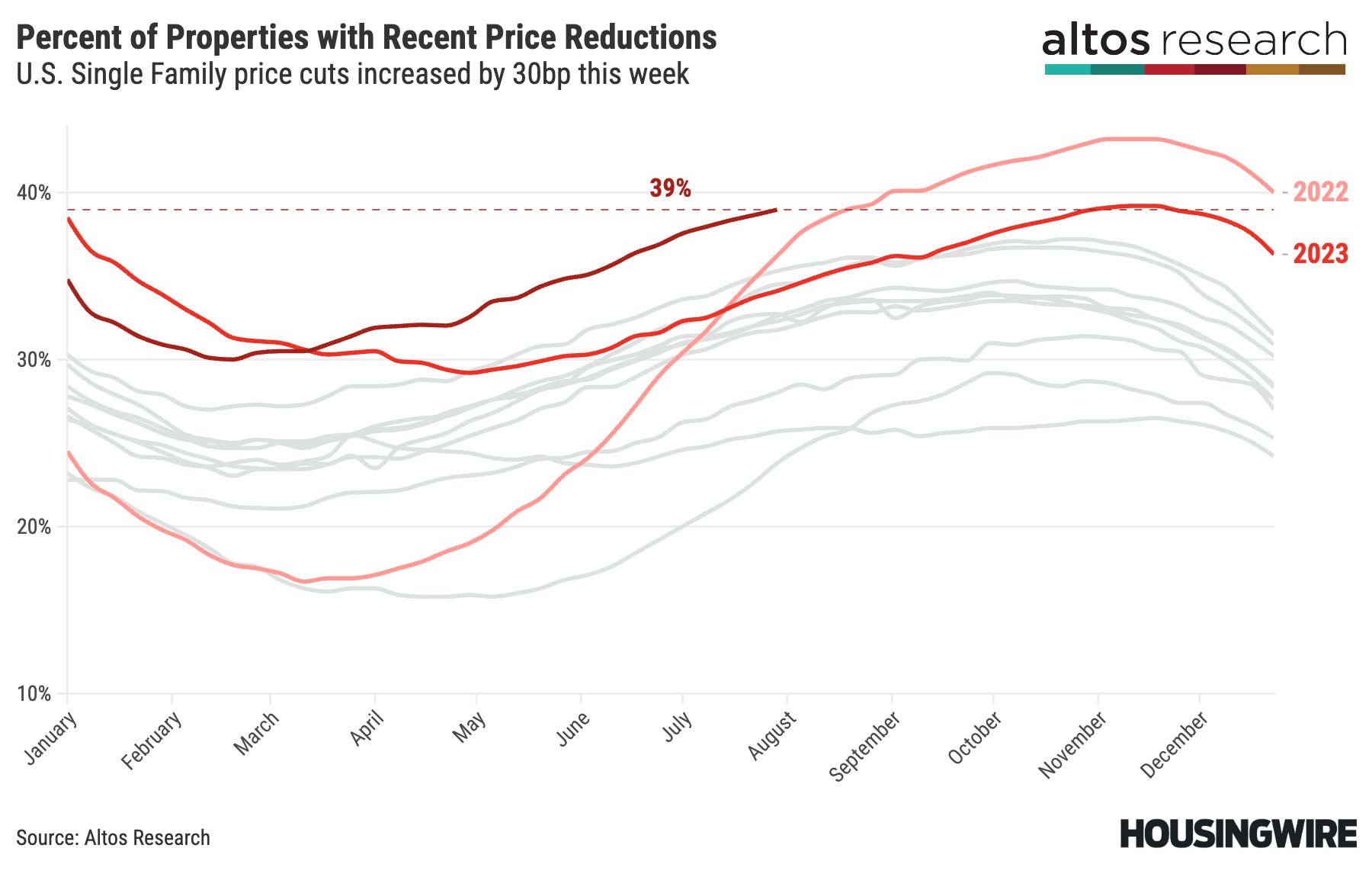
That is why real-time housing data matters. New listings show whether sellers are entering the market. Pending sales reveal whether buyers are stepping up. Price reductions expose whether sellers are meeting resistance. Together, these indicators can tell a more current story than a headline announcing what happened last quarter.
Mortgage Rates Move Demand Faster Than Supply
Mortgage rates are the thermostat of the housing market. They do not determine everything, but they influence how comfortableor uncomfortablealmost everyone feels.
When rates fall, buyers often react quickly because monthly payments become more manageable. A modest rate change can alter purchasing power enough to bring buyers off the sidelines. That is why a dip in mortgage rates can produce an immediate burst of showings, preapprovals, and open-house traffic.
Sellers, however, are a different story. Many homeowners have low fixed mortgage rates from earlier years. Selling means giving up that mortgage and potentially replacing it with a much more expensive one. This is the famous “lock-in effect,” although it sounds less like a housing-market concept and more like a theme-park ride designed by accountants.
As of late June 2026, the average 30-year fixed mortgage rate remained around the mid-6% range. That keeps affordability challenging even when house-price growth is relatively modest. The result is a market where buyers may become more active when rates ease, while many potential sellers still hesitate to list.
Why Lower Rates Do Not Automatically Flood the Market With Homes
A common assumption is that lower mortgage rates will instantly create a huge wave of new listings. Sometimes they help, but the response is not always symmetrical. Buyers may rush in because affordability improves immediately. Sellers may still wait because they love their existing rate, their current neighborhood, their low property taxes, or the fact that moving involves packing 47 boxes labeled “miscellaneous cables.”
This is why rate changes often stimulate demand more quickly than supply. If demand rises faster than inventory, competition can return quickly. If listings rise while buyer demand stays weak, sellers may need to negotiate. The direction of the market depends on both sides of that equation.
A Housing Correction Is Not Always a Housing Crash
One of the smartest parts of the conversation is the distinction between a correction and a crash. These words are often used interchangeably, but they are not the same thing.
A housing crash usually requires widespread forced selling, major credit distress, a severe employment shock, excessive speculative construction, or some ugly combination of all four. The 2008 housing crisis had a unique cocktail of weak lending standards, overbuilding in certain markets, distressed mortgages, and collapsing confidence. It was not simply a case of home prices being high.
A correction can look much less cinematic. It may involve flat prices, smaller annual gains, longer selling times, seller concessions, more price cuts, and notable declines in markets that became overheated or oversupplied. In other words, the correction may arrive wearing khaki pants instead of kicking down the door.
How a Realistic Correction Might Appear
Nationally, the housing market can look stable while individual metros move in very different directions. Areas with strong job growth, limited construction, and tight inventory may remain resilient. Markets with a surge of new supply, expensive insurance, declining migration, or affordability problems may see larger price adjustments.
That is why national averages can mislead. A national home-price index may show slight appreciation while a specific Sun Belt metro sees more listings, longer days on market, and frequent seller concessions. Meanwhile, a supply-constrained Northeast market may still feel competitive. Housing is local enough to make weather jealous.
The 2026 Housing Market: More Choice, Still Expensive
The current market supports Simonsen’s point about watching the leading indicators. Existing-home sales remain subdued compared with the unusually active pandemic-era market, but inventory has improved in many locations. Buyers have more options than they did during the frenzy, even though affordability remains a serious obstacle.
Recent national data show an existing-home market with millions of annualized transactions, a median sale price above $400,000, and months of supply that are healthier than the ultra-tight conditions of 2021 and 2022. Home-price growth has also cooled substantially from the double-digit gains seen during the pandemic boom.
Meanwhile, new construction has become a more important competitor for resale homes. Builders can use incentives, rate buydowns, upgrades, and pricing flexibility to attract buyers. In some markets, a buyer comparing a resale home with a new build may discover that the “new house smell” comes with a more attractive financing package.
| Market Signal | What It Can Suggest | Why It Matters |
|---|---|---|
| Active inventory | More or fewer choices for buyers | Rising supply can reduce seller leverage |
| New listings | Seller confidence and market participation | Shows whether supply is likely to expand |
| Pending sales | Current buyer demand | Often changes before closed-sale data |
| Price reductions | Gap between seller expectations and buyer willingness | Can signal softening demand or unrealistic pricing |
| Days on market | How quickly homes are finding buyers | Longer timelines may create room for negotiation |
The iBuyer Lesson: Houses Are Not Just Bigger Stocks
The conversation also touches on the iBuyer phenomenon, which offered an important lesson for anyone tempted to believe software can magically remove risk from real estate.
iBuyers tried to make home selling faster and more convenient by using data models to offer sellers a quick price. The concept had appeal: fewer open houses, fewer strangers opening closets, fewer weekends pretending the dog does not live there. But the business model had a brutal weakness. Housing transactions are expensive, homes are not perfectly interchangeable, and market conditions can shift faster than an algorithm expects.
Buying thousands of homes is not the same as buying shares of a liquid company. Homes need repairs, carry taxes and insurance costs, differ block by block, and can take time to sell. A pricing model may be excellent at estimating value under normal conditions but still struggle when demand changes quickly.
The iBuyer story does not mean technology is useless in housing. Far from it. Better data helps consumers, agents, lenders, and investors make smarter decisions. The lesson is that technology can improve judgment, but it cannot repeal transaction costs, local market risk, or the laws of supply and demand.
What Buyers Should Learn From Mike Simonsen’s Framework
For buyers, the right question is not, “Will the national housing market crash before I buy?” The better question is, “What is happening in the specific market where I want to live, and can I comfortably afford the payment?”
Start with the monthly payment, not just the purchase price. Include principal, interest, property taxes, homeowners insurance, maintenance, association fees, and the possibility that insurance costs may rise. Then study local inventory, recent price reductions, days on market, and the number of comparable homes available.
Buyers should also compare resale homes with new construction. Builders may offer financing incentives that change the math significantly. A resale seller may be willing to negotiate on price, closing costs, repairs, or a rate buydown. The best deal is not always the house with the lowest sticker price; it is the one with the most sustainable total cost.
What Sellers Should Learn From the Same Data
Sellers should avoid pricing their homes based on nostalgia. A neighbor’s sale from the peak frenzy may be interesting, but it is not automatically a pricing strategy. If active inventory is rising, buyers are taking longer to make decisions, and comparable homes are cutting prices, a seller must enter the market with realistic expectations.
The first few weeks of a listing are especially important. A home that launches too high can lose momentum quickly. Buyers notice when a property sits. They may assume something is wrong, even when the only problem is that the price was auditioning for a luxury-home reality show.
A well-priced home, strong presentation, flexible showing schedule, and willingness to negotiate can matter more than trying to squeeze out the final theoretical dollar. In a balanced market, the goal is not to win an argument with the spreadsheet. The goal is to close a successful transaction.
Experience-Based Lessons From a Data-First Housing Market
The examples below are composite experiences based on common buyer, seller, agent, and investor situations. They are intended to illustrate how a real-time housing-data mindset can influence decisions.
The Buyer Who Stopped Waiting for a National “Signal”
A young couple spent nearly two years waiting for the perfect moment to buy. Every month, they watched national headlines predicting lower rates, lower prices, or an imminent correction. Meanwhile, they renewed their lease twice and became experts in moving boxes without ever moving anywhere.
Eventually, they shifted from national predictions to neighborhood data. In the area where they wanted to live, inventory had increased, several homes had been on the market for more than 30 days, and sellers were beginning to offer closing-cost credits. The couple found a home they liked, negotiated repairs and a credit toward their rate buydown, and bought a property that fit their budget.
The lesson was not that timing the market is impossible. It was that local conditions mattered more than waiting for a television commentator to ring a ceremonial housing bell.
The Seller Who Learned That Yesterday’s Price Was Not Today’s Plan
A homeowner listed a property based on what similar homes had sold for during a much faster market. The house received online views but few showings. After three weeks, competing homes had adjusted their prices, while this listing remained stubbornly unchanged.
Once the seller reviewed current listings, recent reductions, and buyer feedback, the picture became clear. The market had not disappeared; the original price simply did not match current demand. A strategic price adjustment brought more traffic, generated offers, and eventually led to a successful sale.
The experience reinforced a simple truth: buyers do not care what a seller hoped the market would be. They care what else they can buy this weekend.
The Agent Who Watched the Weekly Data
A local agent began sharing a short weekly market update with clients. Instead of sending generic messages about whether it was “a good time to buy,” the agent explained how many homes had come on the market, how many had gone under contract, and whether price cuts were increasing.
The update was not flashy. It did not include fireworks, stock photos of luxury kitchens, or a Labrador wearing sunglasses. But clients found it useful because it answered practical questions. Were buyers gaining leverage? Were homes still selling quickly? Was the neighborhood becoming more competitive?
Over time, the agent became more valuable not because they predicted the future perfectly, but because they helped clients understand the present more clearly.
The Investor Who Respected Liquidity Risk
An investor considered buying several homes quickly after noticing that prices had cooled in a once-hot market. The deal looked attractive on a spreadsheet, especially with optimistic rent assumptions and future appreciation included like a motivational quote.
Before buying, the investor reviewed inventory trends, rental competition, insurance costs, days on market, and the pace of price reductions. The conclusion was not that the market was uninvestable. It was that the margin for error was thinner than it first appeared.
The investor purchased fewer properties, negotiated harder, and kept more cash available for repairs and vacancy periods. That decision may not sound exciting, but boring risk management has an underrated charmespecially when the alternative is explaining a bad investment at Thanksgiving dinner.
Final Thoughts: Watch the Direction, Not Just the Headlines
Mike Simonsen’s housing-market framework is valuable because it encourages people to replace dramatic predictions with observable evidence. Inventory, new listings, pending sales, price reductions, and mortgage rates do not tell us everything. But together, they offer a much better view of market direction than a single national headline.
The housing market does not move in one clean, synchronized line. It moves neighborhood by neighborhood, price range by price range, and buyer by buyer. For anyone trying to make a smart decision, the goal is not to predict every twist. It is to understand the local conditions, protect the budget, and act when the numbers support the decision.