Bugs and rodents aren’t “random.” They’re opportunists with a simple business plan: find food, find water, find shelter, move in fast.
And the modern home (warm! cozy! full of snacks!) can accidentally feel like an all-inclusive resortminus the “no vacancy” sign.
The good news: you don’t need to live in a sterile lab or spray your house into a chemical fogbank. The most reliable strategy is what pest pros call
Integrated Pest Management (IPM): prevention first (sanitation + repairs + exclusion), then targeted control only when you truly need it.
In plain English: stop feeding them, stop watering them, and stop letting them stroll in through tiny gaps like they pay rent.
Why pests move in: the “Food + Water + Hideouts + Highways” formula
Most infestations boil down to four conditions:
food crumbs and stored goods, moisture, cluttered hiding spots, and easy entry points.
Remove even one of those, and many pests struggle. Remove two or three, and they’ll go looking for an easier addresslike your neighbor’s garage
(sorry, neighbor).
30 things in your house that attract bugs and rodents
Below are 30 common “pest magnets” found in everyday homes, organized by the places pests love most. Each item includes what it attracts and the simplest fix.
Pick the few that match your house and start thereyou’ll get faster results than trying to overhaul everything in one weekend.
Kitchen & pantry: where snacks never sleep
-
Crumbs under appliances
Why it attracts pests: Roaches, ants, and mice treat the space under your fridge and stove like a 24/7 buffetquiet, warm, and rarely disturbed.
Fix: Pull appliances quarterly (or at least twice a year), vacuum, and wipe the floor edges. One deep clean can remove months of invisible “free samples.” -
Dirty dishes left overnight
Why it attracts pests: Food residue and grease are prime fuel for ants and roaches, especially when the kitchen becomes a dark, quiet feeding zone.
Fix: Rinse and load the dishwasher at night. If you can’t wash, at least remove food bits and keep the sink drain clear. -
Unsealed dry goods (cereal, flour, rice, pet treats)
Why it attracts pests: Pantry moths, beetles, ants, and rodents can chew into thin boxes and bags. “Cardboard” is basically “welcome mat” in packaging form.
Fix: Move dry goods into hard, tight-lidded containers (glass or thick plastic). Label them so your pantry looks organized instead of suspiciously… prepared. -
Fruit ripening on the counter
Why it attracts pests: Fruit flies and ants love sugary aromas. Overripe fruit is a neon sign that says “party in the kitchen.”
Fix: Store ripe fruit in the fridge, rinse produce, and compost scraps promptly. If fruit flies appear, check for one forgotten banana living its best life behind the toaster. -
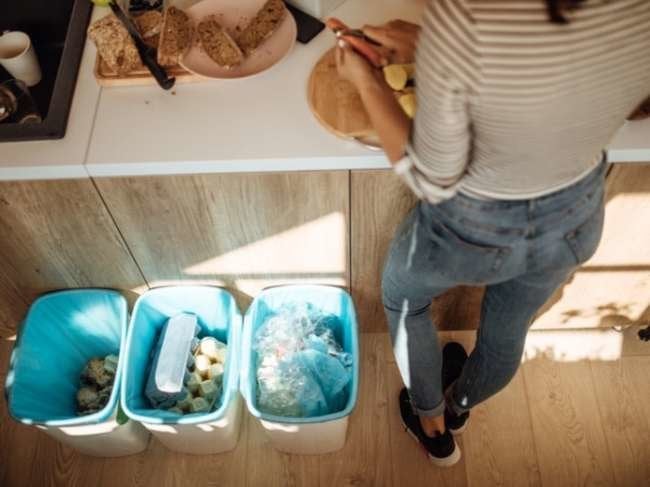
Sticky recycling bins (especially cans and bottles)
Why it attracts pests: Dried soda, beer, and juice residue is still food. Roaches and ants don’t care that you plan to recycle “soon.”
Fix: Quick rinse recyclables and keep them in a lidded bin. Take recycling out regularlyespecially in warm weather. -
Overflowing trash or a trash can without a lid
Why it attracts pests: Garbage is an all-you-can-eat feast and a scent beacon. Flies, roaches, raccoons (if accessible), and rodents all approve.
Fix: Use a tight lid, bag wet waste, wipe the can, and take it out before it becomes “fermented leftovers.” Your future self will thank you. -
Greasy stovetop and backsplash splatter
Why it attracts pests: Grease is calorie-dense and persistent. Roaches in particular thrive when there’s a thin film of food on surfaces you don’t notice anymore.
Fix: Degrease weekly (a simple dish-soap solution works for routine cleaning). Don’t forget cabinet pullspests follow touch zones like tiny detectives. -
Pet food bowls left out overnight
Why it attracts pests: Pet kibble is basically “rodent trail mix.” Ants and roaches also love itplus the water bowl is a bonus hydration station.
Fix: Pick up bowls at night, store kibble in a sealed container, and wipe feeding areas. (Your pet won’t starve. They’ll just judge you.) -
Cracked or missing caulk around countertops and cabinets
Why it attracts pests: Tiny gaps become travel lanes and hiding spots, especially around sinks and food-prep zones.
Fix: Re-caulk gaps and seal seams. It’s one of the cheapest “renovations” that immediately makes your home harder to invade. -
Open snack wrappers in drawers, backpacks, and “mystery corners”
Why it attracts pests: Ants and rodents don’t care if it’s a pantry or a backpack pocket. Food is food.
Fix: Do a weekly sweep of common stash zones: couch cushions, kids’ rooms, cars, desk drawers, and gym bags.
Moisture & plumbing: the invisible “water bar”
-
Leaky faucets and slow drips
Why it attracts pests: Many pests can survive on tiny water sources. Roaches, ants, and rodents are drawn to consistent moisture.
Fix: Repair drips quickly. Even a “small” leak can become a daily water supply that keeps pests alive long enough to multiply. -
Damp sponges and wet dish rags left out
Why it attracts pests: Moisture + food residue = pest comfort food. Sponges also smell like a restaurant kitchen to insects.
Fix: Wring them out, replace often, and let them dry fully. Consider switching to a brush that dries faster. -
Clogged drains and gunky sink pipes
Why it attracts pests: Drain flies and other insects breed in organic sludge inside pipes and P-traps.
Fix: Clean drains mechanically (a brush or drain snake) and keep them flowing. Avoid turning your drain into a “science project exhibit.” -
Bathroom humidity and poor ventilation
Why it attracts pests: Silverfish, roaches, and mold-loving insects thrive in damp bathroomsespecially when towels never dry and fans never run.
Fix: Run the fan during showers and afterward, wipe wet surfaces, and hang towels to dry fully. -
Basement dampness and musty storage areas
Why it attracts pests: Moist basements create ideal conditions for insects and provide sheltered nesting spots for rodents.
Fix: Improve airflow, fix seepage, and keep boxes off the floor. If moisture is persistent, consider a dehumidifier and address drainage outside. -
HVAC condensate issues (overflow pans, clogged lines)
Why it attracts pests: Hidden water around air handlers can feed pests quietly for months, especially in basements, closets, and attics.
Fix: Inspect and service condensate lines and pans. If you see standing water, treat it as urgentlike a slow leak you can’t ignore. -
Water pooling near your foundation from downspouts
Why it attracts pests: Moist soil near foundations is a red-carpet condition for subterranean termites and other moisture-seeking pests.
Fix: Extend downspouts away from the house and keep gutters clear so water doesn’t hug your foundation like an overly attached ex. -
Overwatered houseplants (constantly wet soil)
Why it attracts pests: Fungus gnats and other small insects love damp potting mix and decaying plant matter.
Fix: Let the top of the soil dry between waterings, remove dead leaves, and use well-draining potting mix.
Clutter & storage: five-star hiding spots for freeloaders
-
Stacks of cardboard boxes
Why it attracts pests: Cardboard is both shelter and nesting material. Roaches especially love the warm, layered corrugation.
Fix: Replace cardboard with plastic totes with tight lids. Recycle boxes quickly instead of letting them form a “box apartment complex.” -
Paper bags, newspapers, and packed closets
Why it attracts pests: Paper piles provide harborage for roaches and nesting material for rodents. Also: you can’t clean what you can’t reach.
Fix: Reduce paper storage, elevate items, and keep floors visible so you can spot droppings or insect activity early. -
Cluttered garage corners and storage rooms
Why it attracts pests: Garages are calm, dark, and full of hideoutsperfect for mice and insects seeking shelter.
Fix: Keep items on shelving, use sealed bins, and leave a small “inspection lane” along walls so you can actually see what’s going on. -
Stored fabrics (blankets, rugs, seasonal decor) left unsealed
Why it attracts pests: Rodents use soft materials for nesting; some insects can damage natural fibers or hide in folds.
Fix: Store textiles in sealed bags or bins. Bonus: it also prevents that “closet smell” that haunts your winter coats. -
Firewood and kindling stored indoors or against the house
Why it attracts pests: Wood can harbor insects, and stacking it against the home provides cover and easy access to entry points.
Fix: Keep only a small indoor supply in a closed container; store the main stack outdoors, elevated and away from the foundation. -
“I’ll deal with it later” piles (laundry, bags, random stuff)
Why it attracts pests: Piles create harborage and make it harder to spot early signs of pests. Rodents also love undisturbed corners.
Fix: Use a weekly reset routine: floors clear, trash out, food put away, laundry contained. The goal isn’t perfectionjust visibility. -
Open indoor compost pails or food-scrap containers
Why it attracts pests: Fruit flies and ants love decomposing organic matter and sweet or starchy scraps.
Fix: Use a sealed compost container, empty it often, and rinse it. If you compost outdoors, keep indoor storage time short.
Entry points: the “tiny gaps, big problems” department
-
Gaps under exterior doors (worn sweeps and weatherstripping)
Why it attracts pests: Even small gaps become highways for insects, and larger ones can allow rodents to squeeze in.
Fix: Install a door sweep and replace weatherstripping. If light can get in, pests can get in. (They don’t even need a key.) -
Torn window screens and unsealed window frames
Why it attracts pests: Flying insects and crawling pests use damaged screening and frame gaps as an open invitation.
Fix: Patch or replace screens and seal frame gaps. It’s one of the simplest “whole-house” pest barriers. -
Gaps around pipes, cables, and utility lines
Why it attracts pests: Utility penetrations are classic entry points because they connect outdoors to interior voids behind walls.
Fix: Seal gaps with appropriate materials (and consider professional help for larger openings). Pay special attention under sinks and behind appliances. -
Unscreened vents (attic, crawlspace, soffit) or damaged vent covers
Why it attracts pests: Vents are meant for airflow, but they can also become entry points for insects and small animals if screens are missing or broken.
Fix: Repair vent screens and covers. Maintain airflow while blocking entrytwo things can be true. -
Garage door gaps and the habit of leaving it open “for just a minute”
Why it attracts pests: Garages often connect to the home and offer warmth, shelter, and access to stored food (think birdseed and pet supplies).
Fix: Add bottom seals and side weatherstripping; keep the door closed. “A minute” is plenty of time for a determined mouse with big dreams.
A quick prevention plan that actually works
1) Starve them (food control)
Wipe counters nightly, store food in sealed containers, rinse recycling, and pick up pet bowls after feeding. Focus on hidden crumbs
(under appliances and in couch cushions), because pests specialize in finding what you forget.
2) Dehydrate them (moisture control)
Fix drips, clear drains, run bathroom fans, and keep basements dry. Moisture is the silent enablerremove it, and many pests can’t thrive.
3) Shut them out (exclusion)
Seal gaps, repair screens, and close entry points around pipes and doors. Many infestations aren’t “inside problems”they’re “easy access” problems.
When to call a professional
If you’re seeing repeated activity (droppings, gnaw marks, frequent sightings, or recurring roaches/termites), call a licensed pest professional.
Ask about an IPM-style approach that prioritizes inspection, exclusion, and targeted treatment. And if pesticides are used, follow the label
and keep products away from kids and petsmore is not better.
of “Real Life” Experiences: the patterns homeowners keep running into
When people talk about pests, the story is rarely “my house is dirty.” More often it’s, “My house is normal… so why is this happening?”
That’s the tricky part: pests don’t need a messy housejust a few reliable resources.
One of the most common scenarios goes like this: someone swears they keep a clean kitchen, but the infestation keeps coming back. The “aha” moment
usually isn’t a dramatic disasterit’s micro-food. A spoonful of cereal dust under the pantry shelf. A thin ring of grease behind the stove knobs.
A recycling bin that “looks empty” but smells like yesterday’s soda. These are the tiny leftovers humans ignore and pests celebrate.
Once the hidden snacks disappear, sightings often drop fastbecause you removed the reason they were visiting in the first place.
Another recurring pattern is the slow leak that becomes a lifestyle. A drip under the sink isn’t just annoying; it turns a cabinet into a humid cave.
In that damp, dark space, pests have water, cover, and usually a few crumbs. People fix the leak eventually, but by then the pests have already decided
the neighborhood is promising. The best results come when repairs and cleanup happen together: dry the area, remove wet cardboard or paper, and seal gaps.
Then there’s the “we’re organized… mostly” situation. The home is tidy in the living areas, but the garage or basement is packed with boxes and bags.
That’s prime real estate for rodents: nesting material, hiding places, and minimal human traffic. Homeowners often notice the problem only when it’s loud
(scratching sounds) or gross (droppings). But long before that, the conditions were quietly perfect. Switching cardboard to sealed bins and keeping items off
the floor doesn’t just look nicerit makes the space easier to inspect, clean, and defend.
A big surprise for many people is how often pests are “imported” rather than “born” in the house. Bed bugs are a classic example:
travelers come home, set luggage on the bed, and unknowingly create the fastest possible shortcut for a hitchhiker to enter sleeping areas.
The same idea applies to secondhand furniture: most items are fine, but upholstered pieces can hide unwanted passengers.
A little cautioninspection, isolation, and sensible cleaningprevents a small risk from becoming a large, expensive problem.
Finally, there’s the emotional side: people delay action because they feel embarrassed. But pests don’t measure your worth; they measure your
available resources. The most successful “pest-free homes” aren’t perfectthey’re simply boring to pests:
little food left out, minimal moisture, fewer hiding spots, and fewer ways to get inside. That’s a goal anyone can reach, one small fix at a time.
Conclusion: make your home boring to pests
You don’t have to outsmart natureyou just have to stop running a free buffet with complimentary bottled water.
Start with the biggest wins: food control, moisture fixes, and sealing entry points. Then keep your storage areas visible and dry.
Do that, and bugs and rodents will have a much harder time turning your home into theirs.