DIY potting soil sounds like something only people with greenhouse benches, Latin plant labels, and mysterious bags of “horticultural grit” would attempt. Good news: it is much simpler than that. If you can measure ingredients, stir a big tub, and resist the urge to dump backyard dirt into everything like it is magic garden dust, you can make a dependable homemade potting mix.
The main keyword here is DIY potting soil, but the real goal is healthier plants. A good potting mix supports roots, holds enough moisture, drains excess water, allows air movement, and provides nutrients without turning into a swampy brick. That balance matters because plants in containers cannot send roots far and wide searching for better conditions. They live in the little world we build for them, so the “soil” in the pot has to do a lot of jobs at once.
This guide explains what potting soil is, what ingredients work best, how to make different recipes for houseplants, vegetables, herbs, succulents, seed starting, and container flowers, plus how to avoid common mistakes. Think of it as meal prep for plants: fewer plastic bags, more control, and less wondering why your basil looks like it just read bad news.
What Is DIY Potting Soil?
DIY potting soil is a homemade growing medium designed for containers. Despite the name, it often contains little or no actual soil. Many container mixes are technically “soilless mixes,” made from materials such as peat moss, coconut coir, compost, pine bark, perlite, vermiculite, sand, or pumice.
The reason is practical. Garden soil may work beautifully in the ground, where worms, microbes, rainfall, and deep root zones help manage structure and drainage. In a pot, however, regular garden soil can compact quickly. Once compacted, it drains poorly, holds too much water, and limits oxygen around the roots. Roots need air as much as they need moisture. A pot with soggy, airless media is not a home; it is a tiny root basement with plumbing problems.
A high-quality homemade potting mix should be light enough for containers, firm enough to support plants, and porous enough to prevent water from lingering too long. The best recipe depends on what you are growing, because a tomato in a patio pot has different needs from a cactus on a windowsill.
Why Make Your Own Potting Soil?
Buying a bag of commercial potting mix is convenient, and there is nothing wrong with that. But making your own potting soil gives you more control over texture, drainage, fertility, sustainability, and cost. Once you understand the ingredients, you can adjust the recipe instead of hoping the bag from the garden center understands your spider plant’s emotional needs.
1. You Control Drainage and Moisture
Some plants hate wet feet. Others dry out faster than a joke at a tax seminar. By adjusting perlite, vermiculite, compost, coir, bark, or sand, you can create a mix that holds moisture for thirsty vegetables or drains fast for succulents and herbs.
2. You Can Match the Mix to the Plant
Seedlings need a fine, light, sterile mix. Mature vegetables need more nutrients. Cacti and succulents need extra mineral material. Acid-loving plants such as blueberries prefer a lower pH mix. One all-purpose bag rarely fits every plant perfectly.
3. It Can Save Money Over Time
If you garden in several containers, buying individual bags gets expensive. Purchasing base ingredients in larger quantities can lower the cost per pot, especially if you reuse safe components and refresh old mix properly.
4. You Reduce Mystery Ingredients
Commercial mixes vary widely. Some are excellent. Others contain large chunks, too much wood material, too little drainage, or fertilizer levels that are not ideal for your plants. DIY potting soil lets you know exactly what is going into the container.
The Core Ingredients in Homemade Potting Mix
Peat Moss or Coconut Coir
Peat moss and coconut coir are common base materials. They help hold moisture while keeping the mix lighter than garden soil. Peat moss is naturally acidic, which can be useful for some plants, but it is a limited resource. Coconut coir is often used as a more renewable alternative, though it may contain salts if not properly rinsed by the manufacturer.
For most general mixes, either peat or coir can work. Coir tends to rewet more easily after drying out, while peat may become stubbornly dry if neglected. If a peat-based mix turns bone dry and water runs off the surface, let it soak slowly until it accepts moisture again.
Perlite
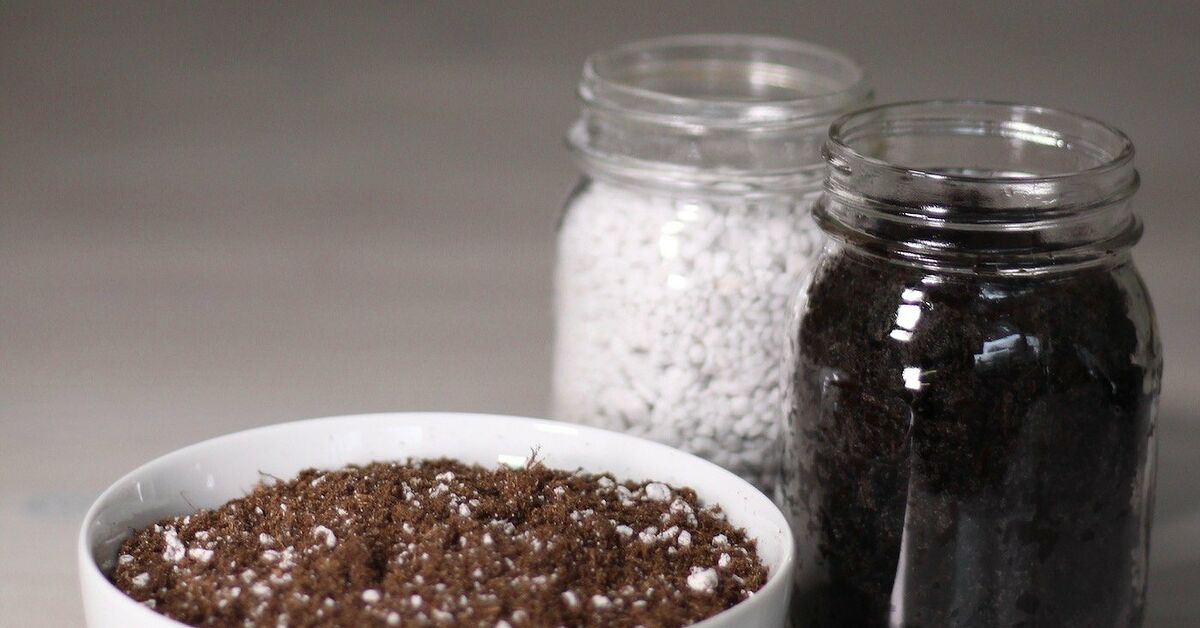
Perlite is the lightweight white material that looks like tiny foam beads but is actually expanded volcanic rock. It improves drainage and air space, making it one of the most useful ingredients in DIY potting soil. Add more perlite for plants that need fast drainage, such as rosemary, lavender, succulents, and many houseplants prone to root rot.
Vermiculite
Vermiculite holds more water than perlite and can help keep seed-starting mixes evenly moist. It is useful for seedlings and plants that dislike drying out too quickly. However, too much vermiculite in a container mix can make the medium stay wet longer than desired.
Compost
Finished compost adds nutrients, improves water retention, and introduces organic matter. The key word is finished. Compost should smell earthy, not sour or rotten. It should be crumbly, dark, and free of large chunks. Unfinished compost can tie up nitrogen, heat up, or invite pests. For container mixes, compost is usually best used as part of the recipe, not the whole recipe.
Pine Bark Fines
Pine bark fines add structure and air space. They are especially useful in mixes for longer-term container plants, shrubs, tropicals, and some houseplants. Bark also helps prevent the mix from collapsing too quickly over time.
Coarse Sand, Pumice, or Grit
Coarse sand, pumice, and grit improve drainage and add weight. This is helpful for tall plants that tip over easily or for cactus and succulent mixes. Avoid fine play sand, which can make a potting mix dense. Think “coarse and chunky,” not “beach vacation in a bucket.”
Lime and Fertilizer
Peat-based mixes often need lime to raise pH for many common plants. Some recipes also include a slow-release fertilizer or organic fertilizer blend. If you are new to DIY potting soil, it is safest to keep fertilizer moderate and feed plants later according to their needs. Too much fertilizer in a small container can burn roots.
Basic DIY Potting Soil Recipe
This all-purpose homemade potting mix works for many container flowers, leafy herbs, and general houseplants.
All-Purpose Potting Mix
- 2 parts peat moss or coconut coir
- 1 part finished compost
- 1 part perlite
- Optional: 1 part pine bark fines for extra structure
- Optional: slow-release fertilizer, used according to label directions
Moisten the peat or coir before mixing. Dry peat and coir can be dusty and hard to blend evenly. Add the ingredients to a wheelbarrow, storage tote, tarp, or large bucket. Mix until the texture is consistent from top to bottom. The final mix should feel springy and moist, not muddy.
DIY Potting Soil Recipes by Plant Type
For Vegetables in Containers
Container vegetables need moisture, nutrients, and enough structure to support vigorous roots. Tomatoes, peppers, cucumbers, eggplants, and leafy greens all perform better in a mix that does not dry out every five minutes but still drains freely.
- 2 parts peat moss or coconut coir
- 1 part finished compost
- 1 part perlite or pumice
- 1 part pine bark fines or high-quality potting soil
- Slow-release fertilizer, added according to label directions
For heavy feeders like tomatoes, plan on feeding during the growing season. Container nutrients leach out with repeated watering, especially during hot weather. A plant in the ground can explore for nutrients; a tomato in a bucket is basically living in a studio apartment with room service.
For Seed Starting
Seed-starting mix should be fine-textured, clean, light, and evenly moist. Young seedlings do not need a rich mix at first. In fact, too much fertilizer can harm tender roots.
- 2 parts coconut coir or peat moss
- 1 part vermiculite
- 1 part perlite
Screen the mix if needed to remove large pieces. Moisten it before filling trays. After seeds germinate and develop true leaves, begin feeding lightly or transplant seedlings into a richer potting mix.
For Succulents and Cacti
Succulents and cacti need excellent drainage. A regular all-purpose mix often holds too much water for them, especially indoors where evaporation is slower.
- 1 part potting soil or compost-based mix
- 2 parts mineral material such as perlite, pumice, coarse sand, or fine gravel
The finished texture should feel gritty and loose. Water should move through quickly. Use containers with drainage holes and let the mix dry between waterings. Decorative pots without drainage may look cute, but they are basically tiny bathtubs wearing a nice outfit.
For Herbs
Many herbs, especially Mediterranean types like rosemary, thyme, oregano, sage, and lavender, prefer leaner, well-drained soil. Basil, parsley, cilantro, and mint appreciate more moisture and compost.
For woody herbs, try:
- 2 parts coconut coir or peat moss
- 1 part compost
- 2 parts perlite, pumice, or coarse sand
For leafy herbs, try:
- 2 parts coconut coir or peat moss
- 1 part compost
- 1 part perlite
For Indoor Houseplants
Most houseplants prefer a mix that holds some moisture but does not stay soggy. Aroid plants such as pothos, philodendron, and monstera often enjoy extra bark and perlite for chunky aeration.
- 2 parts peat moss or coconut coir
- 1 part pine bark fines
- 1 part perlite
- Small amount of compost or worm castings
For moisture-loving houseplants, reduce perlite slightly. For plants prone to root rot, increase bark and perlite.
How to Mix DIY Potting Soil Step by Step
Step 1: Choose a Mixing Area
Use a wheelbarrow, large plastic tote, cement mixing tray, tarp, or clean bucket. Avoid mixing directly on dirty ground if you are preparing seed-starting mix or indoor plant media.
Step 2: Moisten Dry Ingredients
Peat moss and coir are easier to mix when slightly damp. Add water slowly and fluff the material with your hands or a trowel. Wear a dust mask if ingredients are very dry, because perlite and peat dust are not exactly spa-grade aromatherapy.
Step 3: Measure by Volume
Use a scoop, bucket, or container to measure parts. A “part” can be one cup, one gallon, or one bucket. The ratio matters more than the exact size of the scoop.
Step 4: Blend Thoroughly
Mix until the color and texture look even. Break up clumps. Large dry pockets can cause uneven watering later.
Step 5: Test the Texture
Squeeze a handful. It should hold together lightly when moist but crumble when poked. If it forms a sticky ball, add perlite or bark. If it falls apart instantly and feels dusty, add compost or coir.
Step 6: Store Properly
Keep extra mix in a lidded bin or heavy bag. Store it off the ground and away from rain, pests, and weed seeds. Label specialty mixes so you do not accidentally plant cactus in tomato soil or basil in a gravel party.
Common DIY Potting Soil Mistakes
Using Too Much Garden Soil
Garden soil is heavy in containers and can compact after watering. It may also bring in weed seeds, insects, or disease organisms. If you include garden soil in a recipe, use it sparingly and only when it is clean, loamy, and appropriate for the plant.
Forgetting Drainage
No potting mix can rescue a container with no drainage hole. Excess water must be able to escape. A layer of gravel at the bottom does not fix a drainage-free pot; it often just creates a perched wet zone above the gravel.
Overloading Compost
Compost is valuable, but too much can make a mix dense and water-retentive. For most containers, compost works best as one component among several. Use mature compost and avoid fresh manure in potting mixes.
Ignoring Plant Differences
A fern, tomato, cactus, and lavender plant should not all receive the same mix. Adjust the recipe based on water needs, root structure, and container location.
Adding Fertilizer Without Measuring
More fertilizer does not mean more plant. It can mean burned roots, weak growth, or salt buildup. Follow label rates and remember that containers require regular but sensible feeding.
Can You Reuse Old Potting Soil?
Yes, but with caution. Old potting mix can be reused if the previous plants were healthy and the mix still has good structure. Remove old roots, stems, and debris. Refresh the media with compost, perlite, and fresh base material. If the old mix smells sour, contains pests, or came from diseased plants, do not reuse it for prized containers.
Old potting soil can also be added to outdoor garden beds, compost piles, or raised beds in moderate amounts. For seed starting, use fresh, clean media. Seedlings are too delicate for mystery leftovers.
How to Adjust DIY Potting Soil Like a Pro
If the mix dries too fast, add more coir, peat, compost, or vermiculite. If it stays wet too long, add perlite, pumice, bark, or coarse sand. If it shrinks away from the pot edges after drying, rehydrate slowly and consider adding coir next time. If plants grow pale, they may need fertilizer, not a new personality.
Container size also changes how a mix behaves. Small pots dry quickly. Large pots hold moisture longer. Clay and fabric pots dry faster than plastic or glazed ceramic. Full-sun containers need more water than shaded ones. A perfect recipe indoors may need adjustment outdoors in July.
My Practical Experience With DIY Potting Soil
The biggest lesson from making DIY potting soil is that texture matters more than fancy ingredients. Early on, many gardeners make the same mistake: they create a mix that looks rich but behaves like a wet brownie. It feels promising in the bucket, then two weeks later the plant is drooping, the surface is crusty, and the roots are sitting in a damp mess wondering who approved this floor plan.
A better approach is to start with a simple recipe and adjust slowly. For example, an all-purpose mix of coir, compost, and perlite is reliable for many patio containers. But when growing herbs like rosemary or thyme, adding more perlite or coarse sand makes a noticeable difference. The plants look sturdier, the stems stay cleaner, and the soil surface dries at a healthier pace. Herbs generally do not want to live in a luxury swamp.
For vegetable containers, compost quality makes a huge difference. Finished compost gives tomatoes, peppers, and leafy greens a stronger start, but too much compost can make the mix heavy. A good vegetable container mix should feel fluffy even after watering. If you fill a pot, water it thoroughly, and the surface still looks like a dense mud pie the next morning, add more aeration material next time.
Seed starting is where cleanliness really matters. A fine, light mix based on coir or peat with perlite and vermiculite helps seeds germinate evenly. Garden soil in seed trays often causes problems because it can compact, crust over, or introduce pests. Seedlings are tiny optimists; they deserve a clean apartment before being moved into the big world.
Another useful experience: always moisten the mix before planting. Dry potting ingredients can repel water at first, especially peat. If you plant into a dry mix and then water from the top, the water may run down the sides and out the bottom while the root zone stays dry. Pre-moistening prevents that drama. The mix should feel like a wrung-out sponge, not soup.
Storage also matters more than people expect. A beautiful homemade potting mix can become contaminated if stored open under a tree, next to weeds, or in a damp corner where insects move in like they signed a lease. A lidded bin keeps the mix clean, dry enough, and ready for the next planting session.
Finally, DIY potting soil teaches you to observe plants more closely. If leaves yellow, check watering and fertility. If stems collapse, check drainage. If the mix pulls away from the pot, it may have dried too far. If fungus gnats appear, the surface may be staying too wet. Homemade potting mix is not just a recipe; it is a feedback system. The plants will review your work daily, silently, and sometimes with crispy brown edges.
Conclusion
DIY potting soil is one of the most useful skills a container gardener can learn. Once you understand the purpose of each ingredient, you can build a mix that fits your plants instead of forcing every plant into the same bagged blend. Start with a simple base, adjust for drainage and moisture, use finished compost wisely, and remember that containers need both air and water.
Whether you are growing tomatoes on a balcony, herbs on a sunny windowsill, pothos in the living room, or succulents that prefer life on the dry side, the right homemade potting mix gives roots a healthier place to grow. And healthier roots usually mean healthier leaves, better flowers, stronger harvests, and fewer moments where you stare at a plant and whisper, “What do you want from me?”