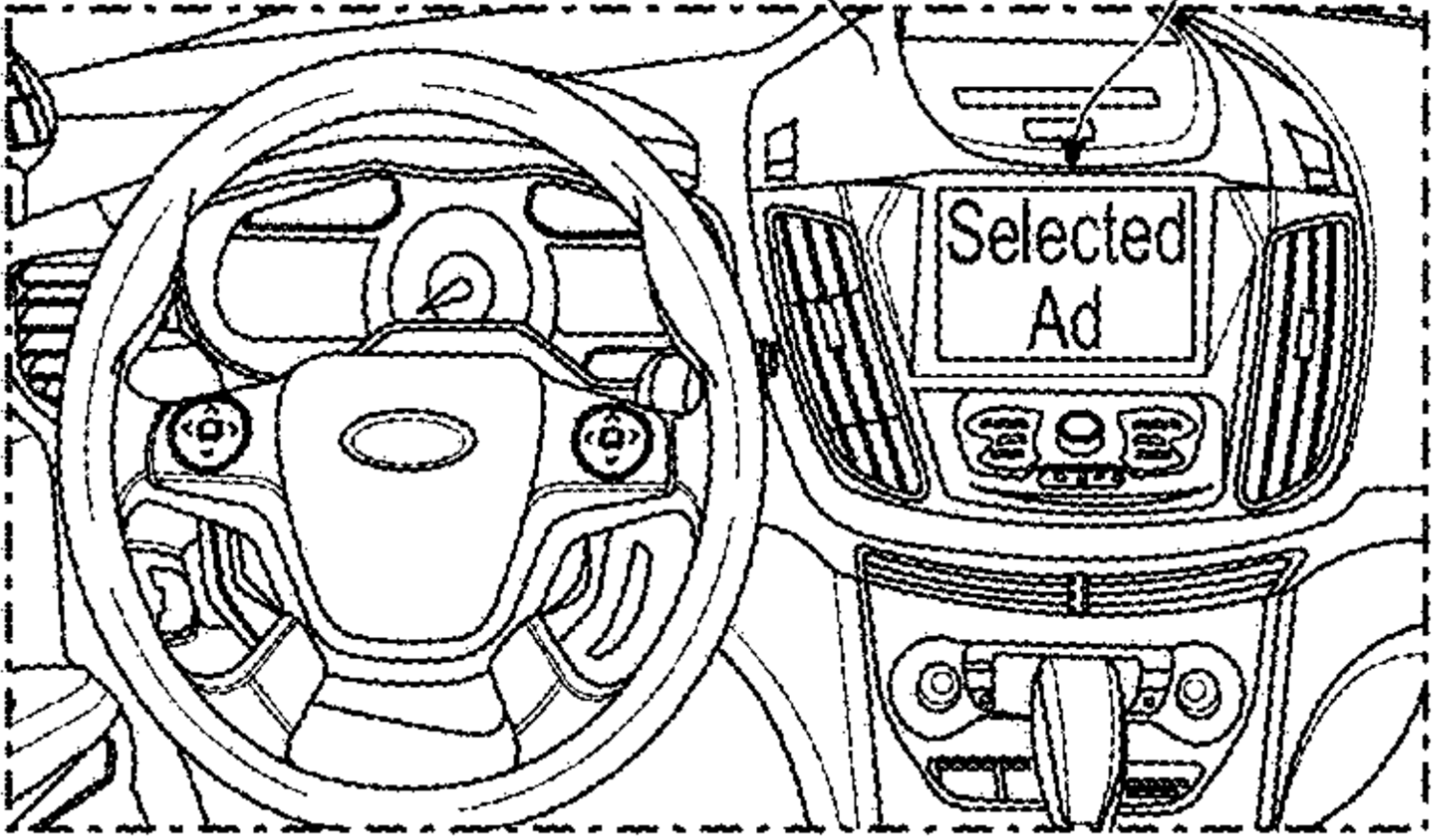
There was a time when the most annoying thing inside a car was a mystery french fry wedged between the seats. Today, the dashboard is starting to look less like a tool for driving and more like a living room TV, a smartphone, a subscription portal, and a tiny shopping mall that happens to travel at 70 miles per hour. So the strange question is no longer science fiction: will you need ad block for your car?
The answer is not as silly as it sounds. Modern vehicles are connected computers on wheels. They collect data, receive over-the-air updates, run apps, offer paid software upgrades, and increasingly treat the driver as a user rather than simply an owner. That shift brings convenience, safety features, navigation, voice assistants, streaming, remote start, and predictive maintenance. It also brings a new temptation for automakers and tech partners: if the car has screens, sensors, identity data, location data, and a captive audience, why not monetize the ride?
This does not mean tomorrow morning your sedan will shout, “This left turn is sponsored by tacos.” But the pieces are already on the board. In-car promotions, connected-service upsells, infotainment pop-ups, software subscriptions, data-driven personalization, insurance scoring, and patent filings for targeted advertising all point to a future where drivers may need not just seat belts and airbags, but digital boundaries.
The Car Has Become a Screen With Wheels
For decades, car dashboards were mostly practical. Speedometer. Fuel gauge. Radio. Maybe a CD player if you were fancy and had strong opinions about burned playlists. Now the dashboard is a software interface. Many new vehicles have large touchscreens, digital clusters, embedded app stores, built-in navigation, cloud-connected voice assistants, streaming services, and user profiles that follow the driver.
Automakers call this the software-defined vehicle. In plain English, it means the car is no longer finished when it leaves the factory. Features can be added, changed, locked, unlocked, improved, or monetized after purchase. That can be genuinely useful. Over-the-air updates can fix bugs, improve battery management, refresh maps, and add convenience features without a service visit. But the same pipeline that sends useful updates can also send promotions, reminders, paywall offers, or messages that feel a lot like ads.
The business logic is obvious. Selling a car once is nice. Earning money from that same car every month is nicer. Automakers are under pressure to find new revenue streams as electric vehicles, software costs, and competition reshape the industry. Connected services, subscriptions, apps, data products, and advertising all look attractive in a spreadsheet. Unfortunately, drivers do not live inside spreadsheets. They live inside traffic.
What Would “Car Ad Block” Even Mean?
A browser ad blocker hides banners, pop-ups, trackers, and scripts that follow you around the web. A car ad blocker would be more complicated because the “browser” is your vehicle’s operating system, and the ads may be mixed with official messages, safety alerts, navigation prompts, dealership offers, subscription reminders, and infotainment content.
In practical terms, “ad block for your car” could mean several things. It might be a setting that turns off promotional messages. It might be a privacy mode that limits targeted offers. It might be a rule that prevents nonessential pop-ups while driving. It might be a stronger legal requirement that automakers separate safety notifications from marketing. Or, in the more chaotic version of the future, it might become a third-party tool drivers wish they had but cannot easily install because the car’s software is locked down.
The key issue is control. Drivers are not upset because a company wants to sell them something. We all understand commerce. The problem appears when a product you already bought becomes a private billboard, data collector, and subscription salesperson without clear permission.
Why Automakers Are Interested in Your Attention
Your car knows a lot. It may know where you live, where you work, which school you drive past every morning, how fast you accelerate, how hard you brake, which phone you pair, which contacts sync, which routes you prefer, and when you stop for coffee. If the vehicle has cameras, microphones, driver monitoring, connected apps, or voice controls, the data picture can become even richer.
That data can support useful services. Emergency crash response needs location. Navigation needs routes. Maintenance alerts need diagnostic information. Usage-based insurance can reward careful driving when it is transparent and voluntary. But when data collection becomes confusing, buried in privacy policies, or shared beyond what drivers reasonably expect, trust disappears faster than a phone battery using GPS in the summer.
Privacy researchers and regulators have already raised concerns about connected vehicles. The most serious cases are not about a harmless coupon for windshield wipers. They involve location data, driving behavior, third-party data brokers, and insurance-related use. That matters because targeted ads are rarely just ads. They depend on tracking, profiling, measurement, and sometimes data sharing. The advertisement is the visible leaf; the data system is the root.
In-Car Ads Are Not Just a Theory
Drivers have already reported promotional messages appearing on infotainment screens. Some examples involve service offers, warranty promotions, loyalty bonuses, or discounts for new vehicles. Automakers often describe these as owner communications rather than advertising. That distinction may make sense inside a corporate meeting, but to a driver trying to reverse out of a parking space, a pop-up is a pop-up.
The most concerning scenario is not a parked-car message that says, “Your free trial is ending.” It is a message that interrupts the driving experience, blocks useful information, requires a tap to dismiss, or appears so frequently that it feels like spam wearing a seat belt. Cars are not phones. If a phone notification annoys you, you can put the phone down. If a dashboard notification annoys you, it is sitting in the same visual field as speed, navigation, climate controls, and safety warnings.
There have also been patent filings exploring targeted in-vehicle advertising based on vehicle data, route information, user behavior, or other signals. A patent does not always become a product, and companies patent plenty of ideas they never commercialize. Still, patents reveal what businesses are imagining. When the imagination includes personalized ads in a cabin, drivers are right to ask who gets the mute button.
The Safety Problem: Ads Compete With the Road
Online advertising is annoying because it competes with content. In-car advertising is different because it competes with driving. That raises a safety concern that should not be treated as a tiny footnote written in legal-font size.
Driver distraction can be visual, manual, or cognitive. A visual distraction takes your eyes off the road. A manual distraction takes your hands off the wheel. A cognitive distraction takes your mind off the task. A dashboard ad can potentially trigger all three: you look at it, reach to close it, and spend the next ten seconds thinking, “Did my car seriously just try to upsell me?”
Automakers have spent years adding advanced driver assistance systems, lane alerts, automatic emergency braking, and driver monitoring. It would be deeply ironic to build vehicles that warn drivers not to look away, then place more nonessential content on the screen. That is like hiring a lifeguard and then covering the pool with coupons.
The safest version of connected messaging is simple: no intrusive marketing while driving, no screen-blocking promotions, no dark patterns, no confusing buttons, and no mixing commercial offers with safety-critical alerts. If a message is not urgent, it can wait until the car is parked. Your extended warranty will survive until the engine is off.
The Privacy Problem: Ads Need Data to Become “Relevant”
A generic ad is annoying. A targeted ad can be useful, creepy, or both, depending on how it got there. If your car recommends a nearby charging station when your EV battery is low, that feels like a service. If your car recommends a restaurant because it analyzed your conversations, destination history, and spending profile, that feels like your dashboard needs a hobby.
The line between personalization and surveillance depends on consent, transparency, data minimization, and control. Drivers should know what is collected, why it is collected, who receives it, how long it is stored, and how to say no. Consent should not be hidden inside a 9,000-word policy that appears after the buyer has already signed the paperwork and named the car “Betsy.”
Automakers also need to consider passengers. A connected car may collect information from people who never agreed to anything: friends, kids, rideshare passengers, mechanics, valets, or the unlucky person who borrowed your truck and got judged by its acceleration score. Privacy cannot depend entirely on the owner clicking “agree” once at delivery.
Subscriptions Opened the Door
The rise of automotive subscriptions made drivers more sensitive to digital monetization. Some subscriptions are reasonable. Real-time traffic, satellite radio, cloud navigation, remote connectivity, and premium entertainment services have ongoing costs. People understand paying for a service that requires servers, licensing, cellular data, or fresh content.
The anger begins when subscriptions appear to lock hardware already built into the car. Heated seats became the famous example because it felt absurd: the hardware exists, the buyer paid for the vehicle, and now warmth wants a monthly plan? Automakers have learned that customers are far more open to software services than to paying rent on physical features already under their backside.
Ads could trigger the same reaction. A driver may accept a discount-supported free streaming app in the back seat. But ads on the main infotainment screen of a privately owned vehicle feel different. The car is expensive, insurance is expensive, maintenance is expensive, and fuel or charging is not exactly free. After all that, seeing a dashboard promotion can feel like buying a house and discovering the refrigerator wants to show pre-roll video before making ice.
Where In-Car Advertising Might Actually Make Sense
Not every commercial message in a vehicle is automatically evil. Context matters. A parked EV showing charging discounts could be helpful. A navigation app listing sponsored gas stations might be acceptable if clearly labeled and not prioritized in a misleading way. A rental car offering an optional toll package before the trip begins could be useful. A back-seat entertainment screen playing ads in a free video app is not shocking; passengers already understand that model.
The best-case version of in-car advertising would follow strict rules. It would be opt-in, easy to disable, clearly labeled, limited to parked or passenger-focused experiences, never based on sensitive data, and never allowed to interfere with driving information. It would also provide real value, such as lower service costs, free connectivity, or discounts drivers actually choose.
The worst-case version is a rolling pop-up machine: targeted messages based on location and behavior, difficult opt-outs, promotions disguised as system alerts, and ads that interrupt navigation or climate controls. That is the version that makes people joke about installing uBlock Origin on a pickup truck.
Could Drivers Install Their Own Car Ad Blocker?
Probably not in the simple browser-extension sense. Vehicle software is usually closed, security-sensitive, and tied to safety functions. Automakers are unlikely to let random third-party tools modify infotainment behavior, and there are good reasons for caution. Nobody wants a sketchy plug-in breaking the backup camera because it promised to remove dealership ads.
However, drivers may still gain more control through official settings, privacy dashboards, state privacy laws, app permissions, phone projection systems, and consumer pressure. Apple CarPlay and Android Auto already give many drivers a way to use familiar phone-based interfaces instead of relying entirely on built-in automaker software. That does not solve every data issue, but it gives users a degree of choice.
A realistic “car ad block” future may look less like a downloadable app and more like a bundle of rights: the right to turn off marketing messages, the right to opt out of targeted advertising, the right to delete driving data, the right to use safety features without unnecessary tracking, and the right to keep essential vehicle functions separate from commercial content.
What Drivers Should Look For Before Buying a Connected Car
Shoppers already compare horsepower, range, cargo room, safety ratings, and cupholders large enough to hold an iced coffee that has achieved architectural status. Now they should also compare digital policies.
1. Check the privacy settings before you drive away
During delivery, ask the dealer to show you privacy controls, connected-service settings, data-sharing options, and marketing preferences. Do not wait until the car starts sending cheerful notifications like a toaster with ambition.
2. Read the connected-services trial terms
Many vehicles include free trials for navigation, remote access, driver assistance, entertainment, or concierge services. Find out what happens when the trial ends, which features stop working, and whether promotional reminders can be disabled.
3. Ask whether marketing messages can be turned off
This should become a normal buying question, right beside “Does it have blind-spot monitoring?” and “Why is the documentation fee wearing a tuxedo?” If enough buyers ask, automakers will notice.
4. Separate safety from convenience
Emergency services, recalls, and safety alerts are important. Coupon-like promotions, upgrade offers, and subscription nudges are not the same thing. A good system should make that separation obvious.
5. Use phone projection when it gives you more control
CarPlay and Android Auto are not perfect privacy shields, but many drivers prefer them because the interface is familiar and app permissions are easier to manage. If a vehicle removes those options, ask what replaces them and how your data is handled.
What Automakers Should Do Now
Automakers can avoid a backlash by treating the cabin as a trust zone, not an ad inventory slot. The driver’s seat is not the same as a web page. It is a safety-critical environment where attention matters.
First, marketing should be opt-in, not opt-out. Second, ads should never appear while the vehicle is moving unless they are part of a passenger-only entertainment system. Third, the close button should not be a scavenger hunt. Fourth, privacy settings should be written in plain English. Fifth, automakers should avoid collecting data that is not needed for the service being provided.
Most importantly, car companies should remember that trust is a feature. A quiet, respectful interface may not produce an immediate advertising metric, but it can influence brand loyalty. People keep cars for years. Every annoying pop-up is not just a message; it is a tiny withdrawal from the customer’s patience account.
Real-World Experience: What “Ads in the Car” Feels Like
Imagine starting your morning commute. You are already five minutes late because your coffee machine decided to perform experimental theater. You start the car, wait for the screen to boot, shift into reverse, and suddenly the infotainment display shows a promotional message about a service plan. It may not be dangerous if you are parked, but emotionally, it lands like someone knocking on the bathroom door to offer a credit card.
The first reaction is not technical. It is personal. This is your space. Your car is where you sing badly, think quietly, take calls, transport groceries, argue with navigation, and occasionally eat fries with the seriousness of a raccoon guarding treasure. When advertising enters that space without a clear invitation, it feels more intrusive than the same message on a website.
Now imagine the message is relevant. Maybe your car knows your oil life is low and offers a dealer service coupon. That could be helpful. But even then, timing matters. A useful reminder at startup is one thing. A recurring pop-up every time you brake, park, or open navigation is another. The difference between service and spam is often frequency.
Drivers also worry about what the message implies. If the car recommends a tire shop after detecting low pressure, that is logical. If it recommends a fast-food restaurant near your route, you may wonder whether your location is being used for marketing. If it suggests insurance products after tracking braking behavior, you may wonder who else has seen that data. The ad itself may be small, but the questions behind it are huge.
Families may feel the issue even more strongly. Parents do not want another screen asking for attention while they are managing traffic, directions, and a child in the back seat asking whether clouds are made of mashed potatoes. Teen drivers need fewer distractions, not more branded interruptions. Older drivers may already find complex infotainment systems frustrating. Adding pop-up promotions to that environment is like putting a maze inside a maze and then charging admission.
There is also the ownership problem. When someone buys a vehicle, they expect the cabin to serve them. If the interface starts serving advertisers, dealers, data partners, or subscription departments first, the relationship changes. The car begins to feel less like property and more like a platform you are allowed to operate under terms and conditions that keep evolving.
The best experiences will come from brands that give drivers calm control. A simple setting labeled “Marketing messages: off” would do more for customer happiness than a dozen glossy promises about innovation. Clear privacy controls would make connected features easier to trust. Respectful design would let useful alerts through while keeping commercial noise out of the driving experience.
So, will you need ad block for your car? Maybe not as a literal app. But you will absolutely need the mindset behind ad blocking: protect your attention, limit tracking, question defaults, and demand control over the screens you paid for. The future car can be smart without becoming pushy. It can be connected without becoming creepy. And it can offer helpful services without turning every commute into a sponsored content opportunity.
Conclusion: The Dashboard Needs Boundaries
The question “Will you need ad block for your car?” sounds funny until you realize how much of the modern driving experience now depends on software, data, screens, subscriptions, and cloud services. In-car advertising is not inevitable in its worst form, but the incentives are real. Automakers want recurring revenue. Tech partners want engagement. Advertisers want attention. Drivers want to get where they are going without arguing with a pop-up.
The winning approach is not to ban every helpful message. It is to build strong boundaries. Marketing should be optional. Data collection should be limited and transparent. Safety information should never compete with promotions. Drivers should be able to turn off nonessential messages without calling customer service, decoding legal documents, or performing a ritual sacrifice of the owner’s manual.
Cars are becoming smarter, but smart should not mean noisier. The best digital cabin will be the one that respects the driver’s attention. Because when you are behind the wheel, the most important content is still the road.