Note: This article is written for web publication and synthesizes real information from reputable U.S.-based references on internet culture, language, media, psychology, copyright, marketing, and digital communication.
What Are Memes, Really?
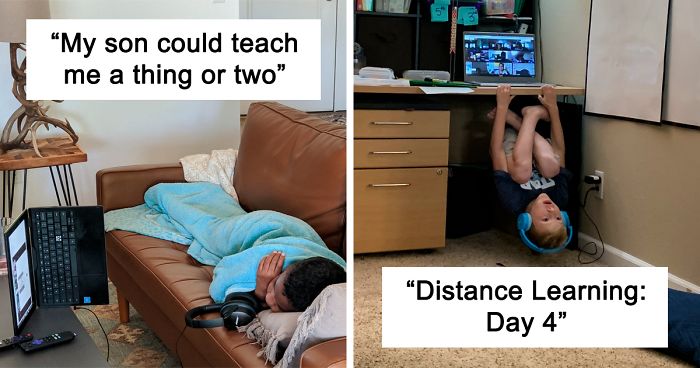
Memes are the internet’s favorite way of saying, “I have a complicated feeling, but I only have three seconds and a picture of a cat.” At their simplest, memes are ideas, jokes, images, videos, phrases, behaviors, or formats that spread from person to person. Online, they usually appear as captioned images, GIFs, short videos, reaction screenshots, remixable templates, or strange phrases that make perfect sense to one group of people and absolutely no sense to everyone else.
The word “meme” did not begin as a social media term. It was introduced in the 1970s to describe how cultural ideas spread through imitation. Long before someone added bold white text to a stock photo, humans were already copying songs, sayings, gestures, fashion trends, recipes, myths, and jokes. The internet simply gave those cultural particles rocket fuel, a ring light, and a comments section.
Today, memes are more than disposable entertainment. They are digital folklore, social commentary, marketing tools, political weapons, emotional support snacks, and sometimes the only thing holding a group chat together during a stressful week. A good meme can summarize a mood faster than a paragraph, travel across platforms in minutes, and mutate into dozens of variations before lunch.
A Brief History of Memes
Before the modern internet, memes moved slowly. A joke spread at school, a catchphrase jumped from a TV show into everyday speech, or a fashion trend wandered through a neighborhood like it had misplaced its map. Then came message boards, email chains, forums, early blogs, image-sharing sites, and social networks. Suddenly, a joke could leave one bedroom computer and appear in thousands of inboxes before anyone had time to say, “Why is there a dancing baby on my screen?”
Early Internet Memes
Early web culture gave us many of the basic ingredients of modern memes: inside jokes, repeated images, low-resolution chaos, and a special appreciation for things that looked accidentally funny. Viral videos, animated GIFs, LOLcats, image macros, reaction faces, and absurd forum jokes helped create a shared internet language. These memes often spread through niche communities first, then escaped into the mainstream like raccoons discovering an unlocked pantry.
By the mid-2000s and early 2010s, social platforms accelerated meme culture. Facebook, Twitter, Tumblr, Reddit, Instagram, YouTube, and later TikTok transformed memes from static jokes into fast-moving formats. A meme was no longer just one image. It could be a dance, a sound, a duet, a stitched video, a green-screen reaction, a comment format, or a perfectly timed screenshot from a reality show.
Memes as Digital Folklore
Memes work like folklore because they are created, shared, adapted, and owned collectively by communities. Nobody needs formal permission to understand the joke, but everyone needs context. That is why memes often feel like secret handshakes. If you recognize the format, you are “in.” If you do not, you are standing outside the digital party wondering why everyone is laughing at a frog, a distracted boyfriend, or a dog sitting in a burning room saying everything is fine.
Why Memes Spread So Fast
Memes spread because they are compact, emotional, repeatable, and easy to remix. They turn complex feelings into simple signals. Instead of writing, “I am overwhelmed by responsibilities and coping through denial,” someone posts a meme of a cartoon character smiling while disaster unfolds. Message delivered. Therapy postponed.
1. Memes Are Instantly Recognizable
Many memes rely on familiar templates. Once people understand the structure, they can create endless versions. The top text sets up a situation; the bottom text delivers the twist. A reaction image shows the mood. A video sound becomes the punchline. This template-based design lowers the creative barrier. You do not need to be a professional comedian. You only need timing, context, and the courage to post something at 1:13 a.m.
2. Memes Trigger Emotion
Humor is the obvious engine, but memes also spread because they express frustration, nostalgia, anxiety, embarrassment, pride, confusion, and outrage. People share memes that make them feel seen. A meme about procrastination works because millions of people have opened a deadline document, stared at it, and decided the refrigerator needed urgent inspection.
3. Memes Build Community
Every community has its own meme language. Gamers, students, parents, nurses, programmers, sports fans, book lovers, office workers, and exhausted adults who mysteriously now own back pain all use memes to signal belonging. Sharing the right meme says, “You understand this world too.” It is a tiny flag planted in the chaos.
4. Memes Reward Speed
The best memes often arrive while a cultural moment is still warm. A strange celebrity quote, a sports mishap, a product launch, a political debate, or a viral video can become meme material almost instantly. Speed matters because memes age quickly. Yesterday’s perfect joke can become today’s fossil, sitting in the feed like a flip phone at a tech conference.
The Main Types of Memes
Memes come in many forms, and the internet keeps inventing new ones because apparently humanity looked at thousands of joke formats and said, “Good start.” Here are the most common types.
Image Macro Memes
These are classic captioned images, often with bold text. They are easy to read, easy to edit, and still useful for quick jokes. Think of them as the peanut butter sandwich of meme culture: simple, reliable, and occasionally stuck to the roof of your brain.
Reaction Memes
Reaction memes use faces, screenshots, animals, celebrities, or fictional characters to express a mood. They are popular because online conversations need emotional punctuation. A reaction image can say “same,” “absolutely not,” “I regret everything,” or “please delete this before my relatives learn the internet exists.”
GIF Memes
GIFs add motion and timing. A perfectly chosen GIF can replace an entire paragraph. Eye rolls, dramatic exits, awkward smiles, victory dances, and slow blinks all become reusable emotional tools. GIFs are especially powerful in chats, workplace messages, and comment threads where words alone feel too formal.
Video Memes
Short-form video platforms pushed memes into a new era. A video meme may use a sound clip, dance, transition, caption style, filter, or repeated scenario. TikTok and similar platforms made meme creation more physical and performative. Instead of only sharing a joke, users can embody it, lip-sync it, act it out, or remix it with their own identity.
Text Memes
Some memes are almost entirely language-based. They might be repeated phrases, sentence formats, screenshots of posts, mock conversations, or intentionally awkward wording. Text memes prove that the internet can turn grammar into comedy, then drag punctuation into the group chat for questioning.
AI Memes
Artificial intelligence has added another layer to meme culture. AI-generated images, voice clips, fake posters, surreal edits, and impossible mashups now circulate widely. Some are clearly jokes; others raise questions about misinformation, authenticity, and whether we really needed a photorealistic raccoon giving a quarterly business presentation. The answer is yes, but also maybe no.
Memes and Social Media Culture
Social media did not invent memes, but it gave them the perfect habitat. Platforms reward content that is fast, visual, emotional, and shareable. That is basically a meme’s dating profile. Memes thrive because they match the way people scroll: quickly, casually, and with one thumb while pretending not to be tired.
Different platforms shape different meme styles. Reddit favors community-specific humor, layered references, and fast commentary. Instagram pushes visual polish, carousel memes, and creator pages. TikTok encourages audio-based trends, performances, and rapid remixing. X-style platforms favor short text jokes, screenshots, quote posts, and real-time reactions. Messaging apps turn memes into private social glue, where one image can keep a friendship alive between actual conversations.
The result is a constantly shifting meme ecosystem. A joke may start on one platform, get reposted on another, become a video trend somewhere else, and finally appear in a family group chat three weeks later with the caption “Is this funny?” At that point, the meme has completed its life cycle and may be released into the wild.
Why Memes Matter
It is tempting to dismiss memes as silly internet leftovers, but that misses their real power. Memes are how people process culture in public. They help audiences interpret news, criticize institutions, cope with stress, build identity, and communicate emotions. They are small, but they travel far.
Memes as Commentary
Memes can turn complicated events into accessible commentary. A political debate, economic crisis, celebrity scandal, sports disaster, or workplace trend can become a meme because people need a way to respond quickly. Memes simplify, exaggerate, and dramatize. That makes them funny, but it also makes them influential.
Memes as Coping Tools
Humor helps people manage stress, and memes often function as tiny emotional pressure valves. During difficult times, people share jokes not because everything is fine, but because laughing together makes the situation feel less isolating. A meme cannot fix your inbox, your bills, or your mysterious knee pain, but it can make the day slightly more survivable.
Memes as Identity
What people share says something about who they are, or at least who they want the algorithm to believe they are. Memes can signal taste, politics, age, profession, fandom, lifestyle, and emotional state. A person’s meme folder is basically a personality test with worse file names.
Memes as Memory
Memes also preserve moments. They capture the way people talked, joked, feared, hoped, complained, and bonded at a particular time. This is why archivists and researchers study digital culture. Today’s silly meme may become tomorrow’s historical artifact. Somewhere, a future scholar may analyze a blurry reaction image and whisper, “This explains the entire decade.”
Memes in Marketing and Branding
Brands love memes because memes look cheap, fast, human, and fun. Audiences love roasting brands that use memes badly because justice still exists. Meme marketing can work, but only when a brand understands timing, tone, platform culture, and audience expectations.
The best brand memes feel native to the conversation. They do not sound like a committee of twelve people approved a joke after three meetings and a spreadsheet titled “Youth Humor Initiative.” Successful meme marketing usually has three ingredients: relevance, restraint, and self-awareness. If a brand joins a trend too late, the result feels stale. If it tries too hard, the audience smells desperation. If it jokes about something serious without care, the backlash arrives wearing running shoes.
Brands should also remember that not every meme needs a logo. Sometimes the smartest move is listening. Meme culture is conversational, not billboard-shaped. A company that understands its audience can use memes to entertain, explain, and connect. A company that does not understand its audience may accidentally create a second meme, and not the flattering kind.
The Dark Side of Memes
Memes are funny, but they are not harmless by default. Because they spread quickly and simplify ideas, they can also carry misinformation, harassment, stereotypes, propaganda, and dehumanizing jokes. A meme can make a false claim feel familiar before anyone checks whether it is true. That is the sneaky part: the joke lowers your guard.
Misinformation and Manipulation
Memes can distort reality by mixing humor with misleading context. A fake quote, edited image, or exaggerated claim may spread because it feels emotionally satisfying. People often share memes because they agree with the feeling, not because they verified the fact. That creates a problem in politics, health communication, finance, and any topic where truth matters more than vibes.
Harassment and Dehumanization
Memes can also reduce real people to caricatures. Satire has a long tradition, but online meme cycles can become cruel when thousands of users repeat a joke at one person’s expense. What begins as commentary can become dogpiling. The difference between punching up and simply punching is worth noticing.
Copyright and Ownership
Many memes remix existing images, videos, songs, screenshots, and characters. In the United States, fair use may protect some commentary, parody, criticism, education, or transformative uses, but it is not a magic shield. Commercial use, large-scale copying, market harm, and lack of transformation can create legal risk. In plain English: just because a meme is funny does not mean copyright law packed up and moved to a cabin.
How to Make a Good Meme
A good meme does not need expensive software. It needs a sharp observation. The best memes often come from noticing a shared feeling and packaging it in a format people immediately understand.
Start With a Relatable Truth
Great memes usually begin with “Why is this so true?” Think about a common situation: waking up before an alarm, pretending to understand office jargon, checking the fridge repeatedly, or opening a streaming app and spending thirty minutes choosing nothing. Relatability is the fuel.
Choose the Right Format
The format should match the joke. A reaction image works for a mood. A two-panel meme works for contrast. A video sound works for performance. A screenshot works for commentary. A meme format is like a pan: use the wrong one and the pancake becomes modern art.
Keep It Tight
Memes are not essays wearing sunglasses. Shorter usually works better. Cut extra words. Make the setup clear. Let the punchline arrive fast. If the reader needs a user manual, the meme may be trying to become a podcast.
Respect Context
Before posting, ask whether the meme is funny, fair, and understandable. Is it mocking a powerful target or humiliating someone vulnerable? Is it based on a false claim? Is the reference too obscure for the intended audience? Memes move fast, but consequences sometimes jog behind them carrying paperwork.
Experiences and Lessons From Meme Culture
Anyone who has spent enough time online has lived through the strange emotional weather of memes. One day, a meme feels like the funniest thing ever created by human civilization. Two days later, it is everywhere. Four days later, brands are using it. One week later, your uncle sends it with “LOL” and the meme quietly retires to a farm upstate.
One of the most memorable experiences with memes is how they turn private feelings into shared jokes. A student posts a meme about studying for an exam at the last possible moment, and suddenly thousands of people recognize themselves. An employee shares a joke about pretending to be enthusiastic during a Monday meeting, and entire departments feel spiritually exposed. A parent posts a meme about stepping on a toy in the dark, and other parents nod with the haunted eyes of people who have met a plastic dinosaur barefoot at midnight.
Memes also teach us how quickly language evolves. Phrases that once sounded random can become common shorthand. A single line from a video can become a response to everything. A facial expression can become a complete sentence. This is not laziness; it is compression. Online communities develop efficient symbols because speed matters. The meme becomes a shortcut through the crowded airport of communication.
Another lesson is that humor depends heavily on timing. A meme posted during the perfect cultural moment can explode. The same meme posted too late feels like showing up to a costume party the morning after, still dressed as a pirate and asking where the snacks went. This is why meme creators often pay close attention to trends, comments, news cycles, and platform behavior. They are not just joking; they are reading the room at high speed.
Memes also reveal the difference between participation and exploitation. When regular users remix a meme, it often feels playful. When a brand forces itself into the same trend without understanding the community, the result can feel awkward. People do not hate brands being funny; they hate being treated like a target demographic with Wi-Fi. The best meme use comes from genuine cultural fluency, not panic-posting because the marketing calendar says “relatable content.”
There is also a personal side to memes. Many people save memes the way previous generations saved postcards, newspaper clippings, or photo albums. A meme folder can become a diary of moods: jokes about burnout, screenshots about friendship, absurd animals, oddly specific workplace pain, and inspirational chaos disguised as comedy. Looking back through old memes can feel like opening a time capsule. You remember what you were laughing about, what you were surviving, and who you were sending those jokes to.
The healthiest way to enjoy memes is to treat them as seasoning, not the entire meal. They can make life funnier, help people bond, and offer relief during stressful moments. But they should not replace careful thinking, real conversation, or fact-checking when the topic is serious. A meme can open the door to an idea. It should not always be trusted to drive the car.
In the end, memes matter because they are human. They are messy, fast, clever, repetitive, emotional, and occasionally ridiculous beyond explanation. They prove that people will always find ways to imitate, remix, joke, protest, flirt, cope, and complain creatively. The tools change, but the impulse remains the same: “I felt something, I made a joke about it, and now I hope strangers understand.”
Conclusion
Memes are not just funny pictures floating around the internet. They are a living language of digital culture. They help people communicate quickly, bond with communities, react to news, process stress, and turn ordinary moments into shared comedy. From early internet GIFs to AI-generated video jokes, memes continue to evolve because people keep finding new ways to copy, remix, and laugh together.
The best memes are simple but not empty. They carry context, emotion, timing, and identity. They can entertain, persuade, comfort, criticize, and occasionally confuse everyone over the age of the platform’s target demographic. Used wisely, memes are creative tools. Used carelessly, they can spread misinformation or harm. Either way, they are now part of how modern culture talks to itself.
So the next time you send a meme instead of a full explanation, do not feel lazy. You may be participating in a long tradition of cultural transmission, digital folklore, and social bonding. Or you may just be sending a raccoon in sunglasses because it “feels right.” Honestly, both explanations are valid.