Note: This article is written in a fresh, original style inspired by the joy of tiny everyday wonders. It synthesizes real information about White Christmas climatology, snow science, holiday nostalgia, and winter safety without copying source text.
The Quiet Miracle Outside the Window
There are ordinary snowfalls, and then there is snow falling on Christmas Eve. Regular snow says, “Good luck with your commute.” Christmas Eve snow says, “Cancel your plans, warm your socks, and stare out the window like you are in the opening scene of a holiday movie.”
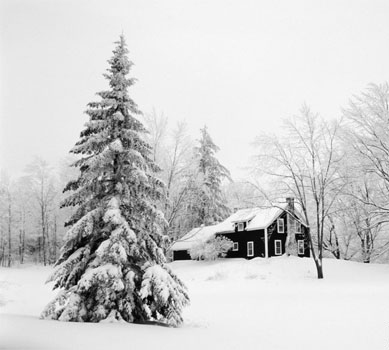
It starts gently. A few flakes drift through the porch light. One lands on the railing. Another floats sideways like it forgot where gravity lives. Then, before anyone has finished saying, “Is that snow?” the whole sky turns into a giant shaken snow globe. Streets soften. Rooflines disappear under powdered sugar. The world looks freshly wrapped, as if nature stayed up late doing gift presentation.
That is the magic of snow falling on Christmas Eve. It does not need a big speech. It does not require a reservation, a promo code, or a sweater that lights up and plays “Jingle Bells” at suspicious volume. It simply arrives, quietly and beautifully, making even trash cans look sentimental.
Why Christmas Eve Snow Feels Different
Scientifically, snow is frozen precipitation. Emotionally, Christmas Eve snow is a full orchestra wearing mittens. The difference is timing. A snowstorm in February may feel like winter has overstayed its welcome and started eating your cereal. But snow on December 24 feels like the universe remembered the dress code.
Part of the charm comes from anticipation. Christmas Eve is already a night of almosts. Gifts are almost open. Cookies are almost gone. Children are almost asleep, although “almost” can stretch until 1:47 a.m. Parents are almost done assembling toys with 473 pieces and one deeply mysterious screw. Into that charged little pocket of waiting comes snow, turning the whole evening into a scene worth pausing for.
Snow also changes the sound of the world. Fresh snow can absorb sound waves, which is why a snowy night often feels unusually calm. Cars hush. Footsteps soften. Even loud neighbors seem to become limited-edition indoor people. The result is a rare kind of quiet: not empty, but full. Full of warmth behind windows, full of glowing lights, full of the feeling that the outside world has agreed to whisper for once.
The White Christmas Dream: Real Weather Meets Big Feelings
In the United States, a “White Christmas” is commonly defined as having at least one inch of snow on the ground on Christmas morning. The odds vary wildly by region. Northern New England, the Upper Midwest, the Rockies, and parts of Alaska have much better chances. Many Southern, coastal, and warmer urban areas usually have to settle for white frosting, white lights, or a white-knuckled attempt to untangle last year’s decorations.
That regional difference may explain why Christmas Eve snow feels so precious. For some Americans, it is a dependable annual guest. For others, it is a celebrity cameo. If you live somewhere that rarely gets snow, even a few flakes can cause the entire neighborhood to behave like explorers discovering a new planet. People step outside in pajamas. Phones appear. Someone says, “It’s sticking!” in the tone usually reserved for lottery numbers and medical miracles.
The dream of a White Christmas is bigger than the forecast. It has been shaped by songs, movies, greeting cards, books, and decades of holiday advertising. The classic song “White Christmas,” written by Irving Berlin and famously performed by Bing Crosby, helped make snowy Christmas imagery part of American popular culture. Since then, holiday films have been very committed to the idea that every small town should have perfect snow, charming bakeries, and at least one emotionally available person wearing a scarf.
Why Snowflakes Make the Night Look Magical
Snowflakes are tiny weather sculptures. A snowflake begins when a very cold water droplet freezes onto a small particle, such as dust or pollen, creating an ice crystal. As it moves through clouds, water vapor freezes onto it, growing arms and branches. Temperature, humidity, wind, and the flake’s path through the atmosphere all shape the final design.
That is why snow falling on Christmas Eve looks so alive. The flakes do not drop like pebbles. They wander. They spin. They hesitate near streetlights like they are reading the mood. Big, fluffy flakes make the evening feel theatrical, while fine, glittery snow gives everything a delicate sparkle. Either way, the sky becomes part of the celebration.
And because snow reflects light, a snowy Christmas Eve can seem brighter than an ordinary winter night. Street lamps glow wider. Red bows pop against white railings. Evergreen branches become postcard material. Even a parked car with questionable bumper stickers suddenly looks peaceful under a soft white blanket. Snow is the great holiday equalizer. It makes the fancy house and the messy shed both look like they belong in a charming village where everyone owns matching mugs.
The Nostalgia Machine Turns On
Christmas Eve snow also works because it wakes up memory. Nostalgia is not just “thinking about old stuff.” Research suggests it can support feelings of social connection, meaning, and emotional comfort. That is exactly what a snowy Christmas Eve tends to do. It pulls together childhood, family, music, food, lights, and the strange annual belief that this is the year someone will finally label the storage bins correctly.
Maybe snow reminds you of sledding until your gloves became damp little freezer bags. Maybe it brings back the sound of relatives arriving late, stamping boots at the door. Maybe it recalls a childhood bedroom where you watched flakes fall and wondered if Santa had snow tires. These memories do not need to be perfect. In fact, many holiday memories are charming because they were not perfect at all. The lopsided tree. The burnt rolls. The uncle who treated thermostat settings like a political debate.
Snow softens all of it. It gives memory a gentle filter. It turns the past into something glowing at the edges. That is why people stop mid-conversation when they notice snow on Christmas Eve. For a second, everyone becomes ten years old again, standing near a window, hoping the magic sticks until morning.
Small Rituals That Become Big Memories
The best part of snow falling on Christmas Eve is that it invites tiny rituals. Nobody has to plan an elaborate itinerary. The snow gives everyone something to do.
1. The Window Watch
This is the classic. You turn off a few lights inside, stand near the window, and watch flakes pass through the glow of a porch lamp. Bonus points if you are holding cocoa. Extra bonus points if the cocoa has marshmallows slowly melting into a delicious little raft.
2. The Five-Minute Walk
A Christmas Eve snow walk does not need to be ambitious. In fact, ambition ruins it. You are not training for a polar expedition. You are strolling down the block, admiring lights, listening to the soft crunch under your shoes, and pretending you are the main character in a deeply cozy movie.
3. The First Footprint
Fresh snow on a driveway is basically a blank canvas. The first footprint feels ceremonial. Children understand this immediately. Adults pretend they do not care, then quietly step in the untouched corner because the human soul is not immune to perfect snow.
4. The Cookie-and-Snow Combination
Holiday cookies taste better when snow is falling. This is not a medical claim, but it feels spiritually accurate. Gingerbread, sugar cookies, shortbread, peanut butter blossomsevery cookie becomes more powerful when eaten near a window during snowfall.
5. The “Look Outside!” Announcement
Every household has someone who becomes the official snow reporter. This person spots the flakes first and announces the event with the urgency of breaking news. “Look outside!” they shout, even though outside is, historically speaking, always there.
Christmas Eve Snow and the Art of Slowing Down
Modern holidays can become a sport. There are lists, budgets, shipping deadlines, school events, office parties, airport delays, menu planning, and the emotional endurance test known as “finding tape when you just had it.” By Christmas Eve, many people are running on caffeine, sentiment, and one heroic cookie.
Then snow starts falling, and everything slows. You cannot rush a snowfall. You cannot refresh it. You cannot skip to the end. You simply watch. That is a rare gift. Snow asks nothing except attention. It gives adults permission to stop managing and start noticing.
That pause is why this small thing deserves a place among the “1000 Awesome Things.” It is not awesome because it is expensive or impressive. It is awesome because it is available to anyone lucky enough to notice it. It reminds us that wonder is often not hidden in grand events, but sitting quietly in plain sight, wearing a tiny frozen hat.
A Practical Word: Keep the Magic, Respect the Weather
Of course, snow on Christmas Eve is romantic until someone has to drive in it. Winter weather can create dangerous road conditions, especially when snow mixes with ice, sleet, low visibility, or holiday traffic. The cozy scene outside the window may be less cozy from behind a windshield with wipers doing their best impression of panic.
If travel is necessary, prepare the vehicle, clear snow and ice from windows and lights, slow down, increase following distance, and keep emergency supplies on hand. If travel is not necessary, staying home is a very underrated holiday tradition. There is no shame in choosing pajamas over pavement.
Safety does not ruin the magic. It protects it. The goal is to enjoy the snow, not become a cautionary tale told every December by relatives who begin with, “Remember when you thought all-season tires meant all planets?”
Why This Awesome Thing Still Matters
Snow falling on Christmas Eve matters because it turns a familiar night into something cinematic. It gives families a shared moment. It gives lonely people a quiet companion. It gives busy people a reason to pause. It gives children proof that the world still has surprises, and it gives adults permission to believe that, too.
In a culture obsessed with bigger, faster, brighter, and newer, snowfall is wonderfully old-fashioned. It does not ask to be upgraded. It does not need a subscription. It has no premium version, although lake-effect snow sometimes behaves like it purchased extra storage. It simply falls, flake by flake, covering sharp edges and ordinary surfaces until the world looks kinder.
That is the heart of this awesome thing: transformation. A regular street becomes a winter lane. A tired yard becomes a postcard. A busy mind becomes a little quieter. Christmas Eve becomes not just the night before Christmas, but a memory forming in real time.
Experience: The Night the Snow Made Everything Pause
Imagine this: it is Christmas Eve, and the house is in that familiar pre-holiday condition best described as “festive chaos with snacks.” Wrapping paper curls across the floor. Someone has misplaced the scissors again. The oven timer keeps beeping like it has urgent gossip. A half-decorated plate of cookies sits on the counter, and one cookie has mysteriously disappeared even though everyone insists they “only had one.”
Outside, the sky has been gray all afternoon, but nobody expected much. Maybe rain. Maybe a few dramatic flakes that melt immediately and leave everyone feeling emotionally tricked. Then, just after dinner, someone glances out the window and freezes. Not from cold. From wonder.
Snow is falling.
At first, everyone gathers casually. Then the room gets quiet. The flakes are huge, the kind that look like torn pieces of tissue from a very fancy angel craft project. They drift through the streetlight and land on the dark lawn. Within minutes, the grass turns pale. The mailbox gets a white cap. The parked cars become soft lumps. The neighborhood, which an hour earlier looked like normal suburbia with extension cords, now looks like it has been selected for a holiday postcard audition.
Someone opens the front door. Cold air rushes in, carrying that clean snow smell: crisp, metallic, piney, and somehow quiet. A child steps onto the porch in socks because children respect neither weather nor flooring. An adult says, “Shoes!” with the weary authority of someone who has fought this battle before. Boots appear. Coats get zipped. Hats are found, except one hat that has entered the holiday witness protection program.
Outside, the first steps make that perfect soft crunch. The snow is not deep, but it is fresh enough to feel untouched. Everyone walks slower than usual. No one says much at first. There is just breathing, laughing, and the faint sound of music leaking from a house down the street. Colored lights glow under the snowfall. Red, green, gold, and blue blur together like watercolor.
A neighbor waves from across the road. Another family comes outside, too, pulled by the same invisible string. Nobody planned a gathering, but the snow organizes one anyway. Someone throws a tiny snowball that falls apart midair, which is probably for the best because peace on earth should include not getting hit in the ear. A child tries to catch flakes on their tongue. An adult pretends not to do the same, then absolutely does.
After ten minutes, cheeks are pink, fingers are cold, and everyone goes back inside. The house feels warmer than before. The lights seem softer. The cookies taste better. The mess on the floor looks less like a problem and more like evidence that people are here, together, making a life. Outside, snow keeps falling, covering footprints almost as quickly as they were made.
That is what snow on Christmas Eve does. It does not fix everything. It does not make every family simple or every holiday easy. But it gives the night a shared point of beauty. It says, “Look. Stop for a second. This is happening.” And sometimes that is enough. Sometimes awesome is not a grand miracle. Sometimes it is a quiet snowfall, a warm window, a half-eaten cookie, and the sudden feeling that the world has become gentle just when you needed it to.
AWESOME.
Conclusion: A Little Weather, A Lot of Wonder
Snow falling on Christmas Eve is one of those small wonders that feels bigger than it looks. It blends science, memory, tradition, and pure atmosphere into one quiet, glittering moment. The flakes may melt by morning. The forecast may change. The driveway may need shoveling. But for a little while, everything feels still, bright, and possible.
That is why this belongs on any list of awesome things. Not because every Christmas needs snow to be meaningful, but because when snow does fall on Christmas Eve, it gives the night a soft kind of magic. It turns waiting into wonder. It turns weather into memory. It turns an ordinary window into the best seat in the house.