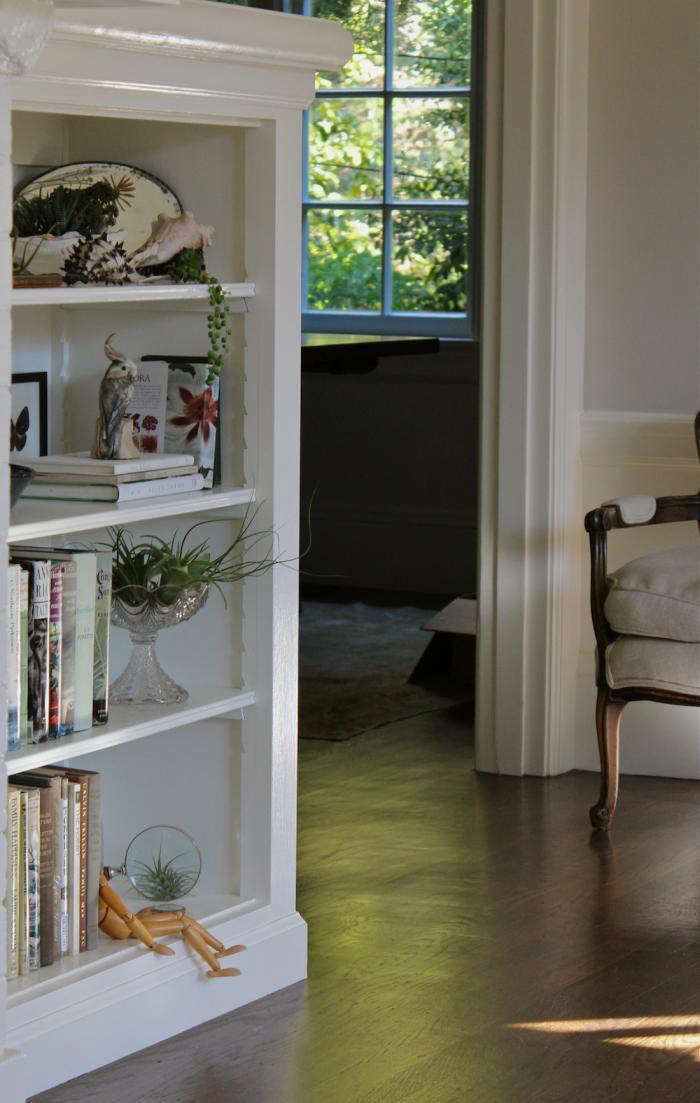
If Miss Havisham had kept houseplants, you can bet they would not have been cheerful little daisies in a sunny yellow pot. No, ma’am. They would have been trailing, moody, slightly theatrical plantsthe kind that look as if they know a family secret and are waiting for the wallpaper to peel before revealing it. Inspired by the faded grandeur of Great Expectations, this look combines Victorian drama, old-house mystery, and surprisingly practical indoor gardening.
The phrase “Miss Havisham’s house plants” suggests a room where time has stopped but the vines have not. Think parlor palms beside tarnished mirrors, English ivy creeping from a stone urn, ferns softening a dark corner, and a peace lily adding one ghostly white bloom to the scene. It is romantic, a little dusty, and completely stylishprovided the dust is optional and the plants are alive.
What Is the Miss Havisham House Plant Aesthetic?
Miss Havisham, Charles Dickens’s unforgettable abandoned bride, lives in a decaying mansion where clocks have stopped and the wedding feast has gone tragically stale. For interior design, that translates into a world of faded fabrics, dim light, antique furniture, lace, silver, old portraits, and objects that look as if they have stories to tell. Add houseplants, and the effect becomes less “haunted attic” and more “literary greenhouse with excellent bone structure.”
This aesthetic is not about neglecting your home or your plants. It is about creating atmosphere. The goal is controlled decay: patina, texture, trailing greenery, sculptural leaves, and containers that look collected rather than freshly scanned at checkout. A Miss Havisham-inspired plant corner should feel like it belongs in an old parlor, library, entry hall, or bedroom where the curtains are heavy and the light arrives dramatically.
The Best House Plants for a Miss Havisham-Inspired Room
The best plants for this look have three things in common: they tolerate indoor conditions, they bring texture, and they look good in vintage-style containers. Since many old homes have filtered light rather than blazing sun, low-light and medium-light houseplants are the backbone of the design.
1. Parlor Palm: The Victorian Classic
The parlor palm is practically wearing a waistcoat. Popular in Victorian interiors, it has graceful fronds that instantly soften a room without shouting for attention. It works beautifully beside a carved wooden chair, a marble-topped table, or a fireplace that has not seen a fire since someone last wrote with a quill.
Place a parlor palm in bright, indirect light if possible, though it can tolerate lower light. Keep the soil lightly moist but never soggy. In design terms, choose a weathered terracotta pot, a footed planter, or a dark ceramic cachepot. The plant should look established, not freshly plopped into the room five minutes before guests arrive.
2. English Ivy: The Elegant Overachiever
English ivy is the plant version of a Gothic subplot. It trails, climbs, spills, and generally behaves as if it has a plan. For a Miss Havisham house plant look, ivy is ideal on a mantel, bookshelf, tall cabinet, or hanging planter. Let it drape naturally over the edges for that “nature is slowly reclaiming the estate” mood.
Indoors, ivy prefers bright, indirect light and evenly moist soil. It dislikes hot, dry air, so keep it away from heating vents. For maximum drama, place it in an aged urn, a dark metal wall pocket, or a shallow bowl on a pedestal. Just remember: ivy is not a prop. Trim it when needed, and do not let it stage a full botanical takeover unless you have signed the mansion over to it.
3. Boston Fern: Soft, Shaggy, and Spectacular
A Boston fern brings instant Victorian romance. Its arching fronds look perfect in a hanging basket or on a plant stand near a window with filtered light. Ferns add movement and softness, which balances the hard surfaces of antiques, mirrors, stone, and old wood.
Ferns do require more attention than some beginner plants. They like humidity, consistent moisture, and indirect light. If your home is dry, group the fern with other plants or use a humidifier. A crispy fern is not “Miss Havisham chic.” It is simply a plant asking for help in a language made of brown tips.
4. Cast Iron Plant: The Survivor
The cast iron plant earns its name honestly. It tolerates lower light, inconsistent attention, and the sort of indoor conditions that make fussier plants write farewell letters. Its long, dark green leaves are elegant without being fragile, making it a smart choice for hallways, shaded corners, and rooms with old-house lighting.
For styling, place it in a heavy ceramic planter, a black urn, or a basket with a liner. Its upright leaves make it especially useful beside furniture, where trailing plants may get tangled in lamp cords, curtain tassels, or your own ambitions.
5. Peace Lily: One White Bloom for the Drama
The peace lily delivers the perfect ghostly flourish. Its glossy leaves and white spathes look graceful in a dark room, especially near black furniture, smoky mirrors, or old books. It tolerates low light, though it grows and blooms better in bright, indirect light.
Water when the top layer of soil begins to dry, and avoid placing it in direct sun. A peace lily wilts theatrically when thirsty, which makes it very on-theme, but do not let the drama continue for too long. Even literary plants prefer not to suffer for art.
6. Pothos: The Practical Trailing Vine
Pothos is one of the easiest ways to create a lush, timeworn look. Its vines can trail from shelves, curtain rods, cabinets, or hanging baskets. Golden pothos adds a touch of light, while darker varieties feel more mysterious and restrained.
This plant is forgiving, adaptable, and easy to propagate in water. Use cuttings in old glass bottles for a “botanical experiment found in a forgotten study” effect. Pothos does best in bright, indirect light but handles lower light better than many plants. Let the soil dry slightly between waterings.
7. ZZ Plant: Dark, Sculptural, and Nearly Indestructible
The ZZ plant is sleek enough for modern homes but moody enough for a gothic parlor. Its shiny, upright leaves provide structure among softer plants like ferns and ivy. Raven ZZ, with its near-black foliage, is especially effective if you want a darker, more dramatic plant palette.
ZZ plants tolerate low light and drought, which makes them excellent for busy people, forgetful people, and people who bought a plant because it matched the curtains. Allow the soil to dry between waterings. Too much water is the villain here, not too little.
How to Style the Look Without Turning Your Home Into a Haunted Storage Unit
The Miss Havisham plant look works best when it is layered but edited. You want atmosphere, not clutter with leaves. Start with three levels: one tall plant on the floor, one medium plant on a table or stand, and one trailing plant placed high. This creates a visual rhythm that feels collected and natural.
Containers matter. Choose aged terracotta, antique brass, dark ceramic, stone, iron, or woven baskets. Avoid shiny plastic nursery pots unless they are hidden inside cachepots. The goal is to make every plant look as if it has lived in the room for years, quietly observing everyone’s poor decisions.
Use Mirrors for Moody Green Reflections
An old mirror behind plants doubles the greenery and adds that slightly eerie, time-stopped quality associated with Miss Havisham’s world. Foxed glass, antique-style frames, and tarnished metallic finishes work especially well. Place a fern or ivy near the mirror and let the reflection create depth.
Add Books, Candlesticks, and Lace Carefully
A stack of old books, a brass candlestick, or a lace runner can enhance the literary mood. The trick is restraint. One dramatic object is charming. Twelve dramatic objects can look like the props department lost a bet. Let the plants remain the stars.
Choose a Color Palette That Feels Faded, Not Flat
Good colors for this look include moss green, ivory, charcoal, tobacco brown, dusty rose, tarnished gold, oxblood, and muted plum. These tones support the plants without competing with them. If your room already has white walls, add depth through dark planters, wood furniture, patterned textiles, and leafy shadows.
Light, Water, and Care: Keeping the Romance Alive
A Miss Havisham-inspired room may look dim and dreamy, but plants still need real light. Low light does not mean no light. A good rule is that if you can comfortably read in the room during the day without turning on a lamp, many low-light plants may survive there. If the corner is darker than a family secret, add a grow light.
Watering should be based on the plant, not the calendar. Many indoor plants suffer more from overwatering than underwatering. Before watering, check the soil with your finger. If the top inch is still damp, wait. Drainage is essential, especially if you use decorative cachepots.
Humidity also matters. Ferns, palms, and many tropical plants appreciate moisture in the air, particularly during winter when heating systems dry everything out. Grouping plants together can help create a slightly more humid microclimate. A small humidifier is even better and far less dramatic than misting leaves like you are blessing them before a séance.
Room-by-Room Ideas for Miss Havisham’s House Plants
In the Living Room
Place a parlor palm beside an armchair, a pothos on a high shelf, and a peace lily on a small table near a window. Add an antique mirror, a patterned rug, and warm lamps. This creates a space that feels literary and layered without becoming gloomy.
In the Entryway
A cast iron plant in a tall urn makes a strong first impression. If there is a console table, add a small ivy plant trailing from one side. The entry should feel like the beginning of a story, preferably one where everyone remembers to water on Tuesday.
In the Bedroom
Try a ZZ plant on a dresser, a small fern near a humid corner, or a pothos trailing from a shelf. Keep the palette soft: ivory bedding, dark wood, faded florals, and one moody plant grouping. Avoid overcrowding the bedroom with plants unless you enjoy waking up in what appears to be a polite jungle.
In the Bathroom
Bathrooms can be excellent for ferns and peace lilies if they have enough natural light. The extra humidity helps, and the plants add softness to tile, porcelain, and metal. A fern near a frosted window is practically begging to be painted in watercolor.
Common Mistakes to Avoid
The first mistake is confusing “old-world” with “dead.” A yellowing, collapsing plant is not atmospheric. It is a cry for better drainage. The second mistake is buying only delicate plants for a difficult room. Start with hardy plants like pothos, ZZ plant, cast iron plant, or parlor palm, then add ferns once you understand the light and humidity.
The third mistake is styling without function. A gorgeous antique pot is useless if it traps water around the roots. Use nursery pots inside decorative containers, and remove them when watering so excess water can drain. Finally, do not place tropical plants near cold drafts, heating vents, or blazing direct sun. Even gothic plants have boundaries.
My Experience Creating a Miss Havisham-Inspired Plant Corner
The first time I tried to create this look, I made the classic mistake of thinking “moody” meant “dark enough to develop its own weather system.” I placed a fern in a dim corner beside an old chair, added a stack of books, admired my tragic little masterpiece, and then watched the fern slowly become a Victorian hand broom. Lesson learned: atmosphere is wonderful, but photosynthesis still has a job.
The second attempt was much better. I moved the plant grouping closer to an east-facing window where the light was gentle but steady. I used a parlor palm as the tallest plant, a pothos on a shelf, and a small peace lily on a side table. The combination immediately worked because each plant had a different shape. The palm added height, the pothos added movement, and the peace lily provided a clean white accent that looked elegant against darker furniture.
Containers made a bigger difference than expected. When the plants were sitting in plastic nursery pots, the look felt unfinished. Once I slipped them into aged terracotta, a dark ceramic pot, and a woven basket, the whole corner looked intentional. Nothing was expensive, but the materials felt warm and believable. That is the secret: you do not need actual antiques. You need texture, weight, and colors that do not scream “fresh from aisle seven.”
I also learned that trailing plants need editing. At first, I let the pothos vines grow in every direction because I wanted that overgrown mansion feeling. Within a few weeks, the plant looked less like a poetic symbol and more like it was reaching for the Wi-Fi router. A little pruning made the plant fuller and more graceful. The cuttings went into old glass bottles, which became one of the best details in the room.
The final touch was lighting. A warm lamp near the plants transformed the corner in the evening. The leaves cast soft shadows on the wall, the brass pot picked up a little glow, and the whole area felt cozy instead of gloomy. That balance matters. A Miss Havisham-inspired room should have mystery, but it should still feel livable. You want guests to say, “What a beautiful plant corner,” not “Should we call someone about this house?”
The biggest takeaway is simple: start with practical plants, then build the mood around them. Choose hardy varieties, give them the right light, water only when needed, and use containers that support the story. The look becomes richer over time as the plants grow, trail, and settle into the room. Unlike Miss Havisham’s clocks, your plant corner should keep moving forward.
Conclusion
“Steal This Look: Miss Havisham’s House Plants” is really about borrowing the drama of literature without borrowing the despair. With parlor palms, ivy, ferns, cast iron plants, pothos, peace lilies, and ZZ plants, you can create a room that feels romantic, historic, and alive. The best version of this style is not dusty or neglected. It is layered, textured, and cared forlike an old story retold with better drainage.
If your home has a shadowy corner, a lonely mantel, or a bookshelf that needs a little botanical melodrama, this look is worth trying. Start small, choose plants that match your light, and let the room develop character over time. A little mystery is charming. A healthy root system is even better.