Barrett’s esophagus sounds like a condition named after a tired office manager who drinks too much coffee, but it is actually a serious change in the lining of the esophagusthe tube that carries food from your mouth to your stomach. It is most often linked to long-term acid reflux, also known as gastroesophageal reflux disease or GERD. When stomach acid repeatedly splashes upward, the lower esophagus may try to protect itself by changing its normal cell lining. Unfortunately, that “home renovation project” can raise the risk of esophageal cancer over time.
The good news is that Barrett’s esophagus is not cancer, and most people who have it never develop cancer. The even better news is that doctors can monitor it, treat reflux, remove abnormal tissue when needed, and help reduce the chance of progression. This guide explains the symptoms, causes, risk factors, diagnosis, treatments, lifestyle changes, and real-life experiences related to Barrett’s esophagus in plain American Englishwith just enough humor to keep your esophagus from stealing the spotlight.
Medical note: This article is for educational purposes only and should not replace care from a qualified healthcare professional. Seek urgent medical help for severe chest pain, trouble swallowing, vomiting blood, black stools, unexplained weight loss, or symptoms that feel like a heart attack.
What Is Barrett’s Esophagus?
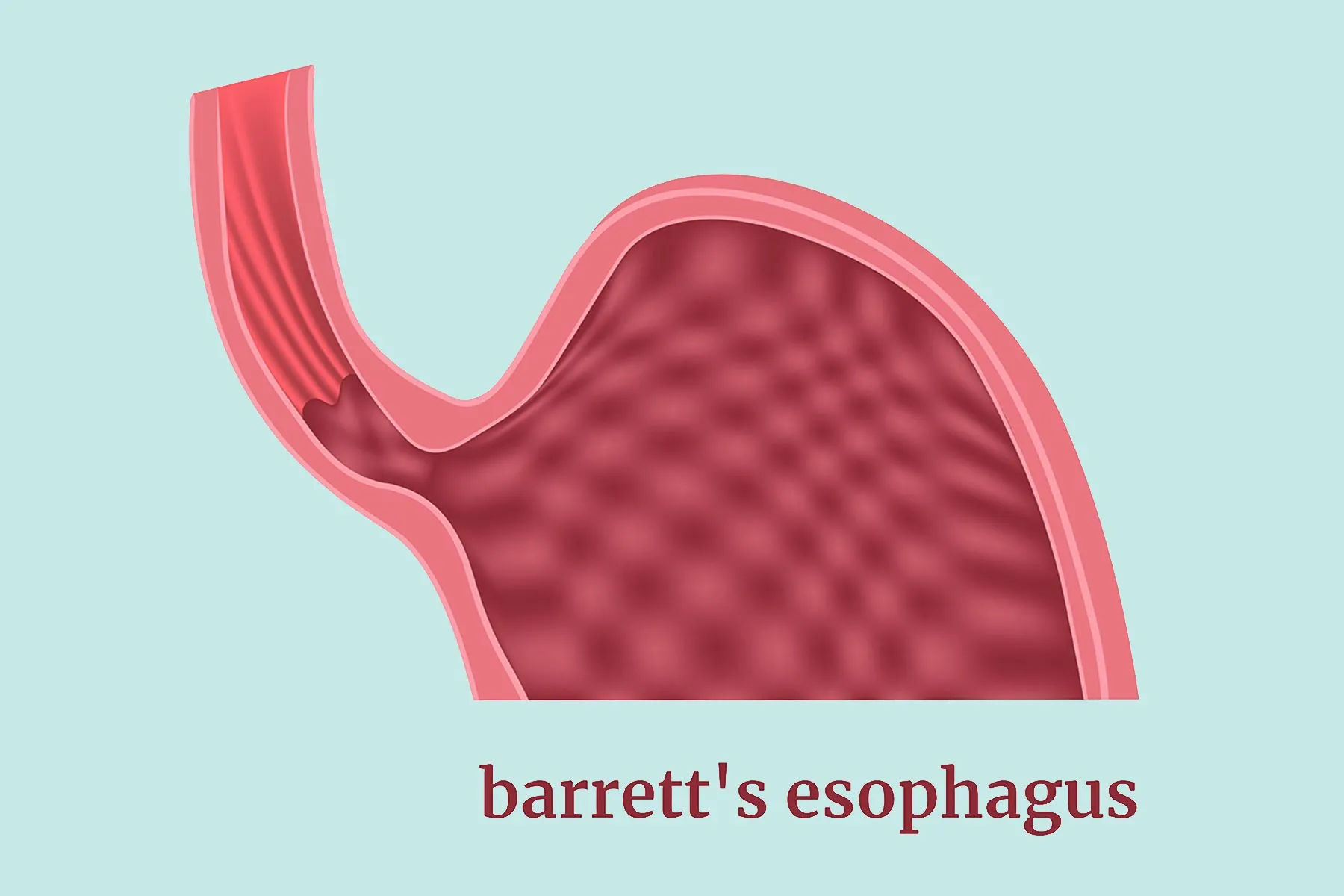
Barrett’s esophagus is a condition in which the normal flat cells lining the lower esophagus are replaced by cells that look more like the lining of the intestine. Doctors call this process intestinal metaplasia. In simple terms, the esophagus gets irritated so often that it changes its “wardrobe.” Instead of wearing its usual smooth lining, it starts wearing something tougher but not necessarily safer.
This change usually happens near the area where the esophagus meets the stomach. The condition is strongly associated with chronic GERD, especially when reflux has been happening for years. Acid, bile, and digestive fluids can irritate the esophagus repeatedly, and the body responds by changing the tissue. That adaptation may protect against acid injury, but it can also create cells that are more likely to become abnormal.
Does Barrett’s Esophagus Cause Symptoms?
Here is the tricky part: Barrett’s esophagus often causes no symptoms of its own. Many people only discover they have it after an upper endoscopy performed for chronic heartburn, reflux, difficulty swallowing, or another digestive complaint. In other words, Barrett’s can be quietlike a smoke alarm with no batteries, which is exactly why screening matters for certain higher-risk people.
When symptoms are present, they usually come from GERD rather than Barrett’s itself. Common reflux-related symptoms may include frequent heartburn, a sour or bitter taste in the mouth, regurgitation of food or stomach acid, chest discomfort, nausea, chronic cough, hoarseness, sore throat, or the feeling that food is sticking when swallowing.
Common Symptoms Linked to Barrett’s Esophagus and GERD
- Frequent heartburn: A burning feeling behind the breastbone, often after meals or when lying down.
- Acid regurgitation: Stomach contents backing up into the throat or mouth.
- Difficulty swallowing: Food may feel stuck or slow moving through the chest.
- Chest discomfort: Sometimes reflux pain can mimic heart-related pain, so never guess with chest symptoms.
- Chronic cough or hoarseness: Acid irritation can affect the throat and voice box.
- Nausea or indigestion: Some people feel bloated, queasy, or uncomfortable after eating.
Warning Signs That Need Medical Attention
Some symptoms should never be brushed off as “just reflux.” Call a healthcare professional promptly if you have trouble swallowing, pain with swallowing, vomiting blood, black or tarry stools, unexplained weight loss, persistent vomiting, worsening chest pain, or reflux symptoms that do not improve with treatment. Your esophagus is not being dramatic; it is asking for a manager.
What Causes Barrett’s Esophagus?
The exact cause of Barrett’s esophagus is not fully understood, but the strongest known connection is long-term GERD. GERD happens when the lower esophageal sphincterthe muscular valve between the stomach and esophagusdoes not close properly. When that valve gets lazy, stomach acid can travel upward, irritating the esophageal lining.
Over time, repeated exposure to acid and bile can damage the lower esophagus. The body may respond by replacing the normal lining with a different type of cell. This process does not happen overnight. It is usually associated with years of reflux, although some people with Barrett’s esophagus do not remember having major heartburn. Yes, the body sometimes keeps secrets, and the esophagus is apparently excellent at it.
Main Risk Factors
Not everyone with GERD develops Barrett’s esophagus. Certain factors increase the odds, especially when they appear together. These include chronic acid reflux, being over age 50, being male, being White, having obesityparticularly abdominal obesitysmoking, having a hiatal hernia, and having a family history of Barrett’s esophagus or esophageal adenocarcinoma.
Obesity increases pressure inside the abdomen, which can push stomach contents upward. Smoking can weaken the lower esophageal sphincter and may contribute to cellular changes. A hiatal hernia, in which part of the stomach pushes upward through the diaphragm, can make reflux easier and more persistent. Genetics may also play a role, especially when close relatives have Barrett’s esophagus or esophageal cancer.
Barrett’s Esophagus and Cancer Risk
Barrett’s esophagus is considered a precancerous condition, meaning it can increase the risk of esophageal adenocarcinoma, a type of cancer that usually develops in the lower esophagus. However, “increased risk” does not mean “cancer is inevitable.” Most people with Barrett’s esophagus do not develop esophageal cancer.
The level of risk depends greatly on whether abnormal precancerous changes, called dysplasia, are present. Dysplasia means the cells look abnormal under a microscope. Doctors usually classify Barrett’s esophagus as no dysplasia, indefinite for dysplasia, low-grade dysplasia, or high-grade dysplasia. The more abnormal the cells look, the more aggressive monitoring or treatment may be recommended.
Types of Dysplasia
- No dysplasia: Barrett’s cells are present, but they do not show precancerous changes.
- Indefinite for dysplasia: Cells look unusual, but inflammation may make the result unclear.
- Low-grade dysplasia: Early precancerous changes are present.
- High-grade dysplasia: More advanced abnormal changes are present and require prompt treatment planning.
How Barrett’s Esophagus Is Diagnosed
The main test for Barrett’s esophagus is an upper endoscopy. During this procedure, a doctor passes a thin, flexible tube with a camera through the mouth and into the esophagus. The camera lets the doctor inspect the lining for inflammation, abnormal color, visible lesions, narrowing, or other changes.
If the doctor sees tissue that may be Barrett’s esophagus, small samples called biopsies are taken. A pathologist examines those samples under a microscope to confirm whether intestinal metaplasia is present and whether dysplasia exists. The biopsy is important because the diagnosis cannot be made by symptoms alone. Your heartburn may be loud, but it is not a microscope.
Who Should Ask About Screening?
Screening is not recommended for everyone with occasional heartburn. However, people with chronic GERD and multiple risk factors should talk with a gastroenterologist. Screening may be especially relevant for adults over 50 with long-standing reflux plus additional risks such as male sex, White race, smoking history, obesity, or a family history of Barrett’s esophagus or esophageal adenocarcinoma.
Treatment Options for Barrett’s Esophagus
Treatment depends on the biopsy results, the length of Barrett’s tissue, the severity of GERD, and the person’s overall health. The goals are to control reflux, heal irritation, monitor for abnormal changes, remove or destroy precancerous tissue when needed, and reduce the risk of progression to cancer.
1. Acid-Suppressing Medications
Most people with Barrett’s esophagus are treated with acid-reducing medicine. Proton pump inhibitors, often called PPIs, are commonly used because they strongly reduce stomach acid. Examples include omeprazole, esomeprazole, lansoprazole, pantoprazole, and similar medicines. Some people may also use H2 blockers or antacids for additional symptom relief, depending on their doctor’s advice.
Medication does not always make Barrett’s tissue disappear, but it can reduce acid exposure, improve GERD symptoms, help heal esophagitis, and support safer long-term management. People should take these medicines exactly as prescribed and discuss long-term use, side effects, and monitoring with their healthcare provider.
2. Surveillance Endoscopy
If Barrett’s esophagus is present without dysplasia, doctors often recommend periodic surveillance endoscopy. This means repeating endoscopy at intervals to check for changes before they become dangerous. The timing depends on medical guidelines, the length of Barrett’s tissue, biopsy results, and individual risk factors.
Surveillance is like checking the weather before a road trip. You are not expecting a tornado every time, but you still want to know if the clouds are getting suspicious.
3. Endoscopic Resection
If there are visible abnormal areas, nodules, or early cancer concerns, a doctor may perform endoscopic mucosal resection. This technique removes targeted abnormal tissue through the endoscope. It can help diagnose the depth and severity of abnormal cells and may also treat early disease without major surgery.
4. Radiofrequency Ablation
Radiofrequency ablation, or RFA, uses controlled heat energy to destroy abnormal Barrett’s tissue. After treatment, healthy tissue may grow back in its place while acid suppression continues. RFA is commonly used for confirmed dysplasia and may be recommended after endoscopic resection removes visible lesions.
5. Cryotherapy
Cryotherapy uses extreme cold to damage abnormal cells. During endoscopy, cold gas or liquid is applied to the Barrett’s tissue. The freeze-thaw cycle injures the unwanted cells, allowing healthier lining to replace them. Cryotherapy may be used in certain cases, including when other ablation methods are not ideal or have not fully worked.
6. Surgery
Surgery is less common today because advanced endoscopic therapies can treat many cases of dysplasia or very early cancer. In severe cases, or when cancer is more advanced, doctors may consider an esophagectomy, which removes part of the esophagus. This is a major operation and is usually reserved for selected situations.
Lifestyle Changes That Help Manage Reflux
Lifestyle changes cannot replace medical care for Barrett’s esophagus, but they can reduce reflux and make daily life more comfortable. Think of them as giving your stomach fewer chances to act like a volcano with poor boundaries.
Helpful Daily Habits
- Maintain a healthy weight, especially if you carry extra weight around the abdomen.
- Avoid lying down for at least two to three hours after eating.
- Eat smaller meals instead of large, stomach-stretching feasts.
- Raise the head of the bed if nighttime reflux is a problem.
- Stop smoking and avoid nicotine products.
- Limit foods and drinks that trigger reflux, such as fatty meals, chocolate, peppermint, coffee, alcohol, spicy foods, tomatoes, or citrus.
- Wear looser clothing around the waist if tight belts worsen symptoms.
Trigger foods vary from person to person. One person may get reflux from salsa; another may be betrayed by coffee; a third may be fine with both but defeated by late-night pizza. Keeping a food and symptom journal can help identify patterns without turning meals into a detective drama.
What to Eat With Barrett’s Esophagus
There is no single “Barrett’s esophagus diet,” but an anti-reflux eating pattern may help. Many people do better with lean proteins, vegetables, oatmeal, bananas, melons, whole grains, low-fat dairy, non-citrus fruits, and meals that are baked, grilled, steamed, or roasted instead of fried.
Try eating slowly, chewing well, and stopping before you feel stuffed. If dinner makes you feel like a swallowed bowling ball, it is probably too much. Hydration also matters, but drinking large amounts during meals may worsen reflux for some people. Experiment gently and discuss major diet changes with your clinician, especially if you have diabetes, kidney disease, food allergies, or unintentional weight loss.
Can Barrett’s Esophagus Be Reversed?
In some people, endoscopic eradication therapy can remove or destroy Barrett’s tissue, and normal-appearing lining may return. However, recurrence can happen, which is why follow-up surveillance remains important. Acid control also continues to matter after successful treatment. The goal is not only to make the tissue look better today, but to keep tomorrow’s biopsy from causing unnecessary excitement.
Living With Barrett’s Esophagus: Real-World Experiences and Practical Lessons
Living with Barrett’s esophagus often begins with confusion. Many people hear the word “precancerous” and immediately imagine the worst-case scenario. That reaction is understandable. The word has emotional fireworks attached to it. But after the first appointment, many patients learn that Barrett’s esophagus is usually managed carefully over time, not treated like an instant emergency.
A common experience is the surprise diagnosis. Someone may schedule an endoscopy because of years of heartburn, trouble swallowing, or reflux that stopped responding to over-the-counter medicine. They wake up from the procedure expecting to hear “acid reflux,” and instead hear “Barrett’s esophagus.” The first lesson is that asking questions matters. Patients should know whether dysplasia was found, how long the Barrett’s segment is, when the next endoscopy is recommended, and whether their medication plan should change.
Another common experience is learning that symptom control and tissue risk are not always the same thing. Some people with terrible heartburn do not have Barrett’s esophagus, while some people with Barrett’s have surprisingly mild symptoms. That can feel unfair, like your body forgot to send a warning email. This is why biopsy results and surveillance plans are so important. Decisions should be based on what the doctor sees and what the pathologist confirms, not only on how spicy dinner felt last night.
Daily life often improves when people make reflux management boringin the best possible way. Eating dinner earlier, choosing smaller portions, elevating the head of the bed, reducing alcohol, quitting smoking, and taking PPIs correctly may not sound glamorous, but they can make nights much easier. Many patients discover that the biggest reflux trigger is not one food but a combination: a large meal, late at night, followed by lying flat. In other words, the stomach dislikes being treated like a storage unit.
There can also be anxiety before surveillance endoscopies. That is normal. Some people call it “scope season,” the digestive version of waiting for exam results. A helpful approach is to keep a written timeline: diagnosis date, biopsy findings, medication dose, procedures performed, and next follow-up. This turns a scary unknown into a manageable checklist. It also helps if care changes between doctors or clinics.
For people who need ablation or endoscopic resection, the experience is often less dramatic than expected, though recovery instructions matter. There may be temporary chest discomfort, sore throat, swallowing changes, or diet restrictions after treatment. Patients should follow the exact post-procedure plan, take acid-suppressing medication as directed, and report severe pain, fever, bleeding, or inability to swallow.
The biggest practical lesson is this: Barrett’s esophagus rewards consistency. Consistent medication use, consistent follow-up, consistent reflux control, and consistent communication with a gastroenterologist can make a major difference. You do not need to live in fear of your esophagus. You do need to respect it, monitor it, and stop pretending that midnight chili fries are a neutral life choice.
Conclusion
Barrett’s esophagus is a change in the lining of the lower esophagus, most often connected to long-term GERD. It usually does not cause symptoms by itself, but it is important because it raises the risk of esophageal adenocarcinoma. Fortunately, most people with Barrett’s esophagus never develop cancer, and modern diagnosis, surveillance, medication, and endoscopic treatments give doctors powerful tools to manage risk.
If you have chronic acid reflux, difficulty swallowing, persistent heartburn, or risk factors such as age over 50, obesity, smoking history, or family history of Barrett’s esophagus or esophageal cancer, talk with a healthcare professional. Your esophagus may not be the chattiest organ, but with the right screening and care, it does not have to surprise you.