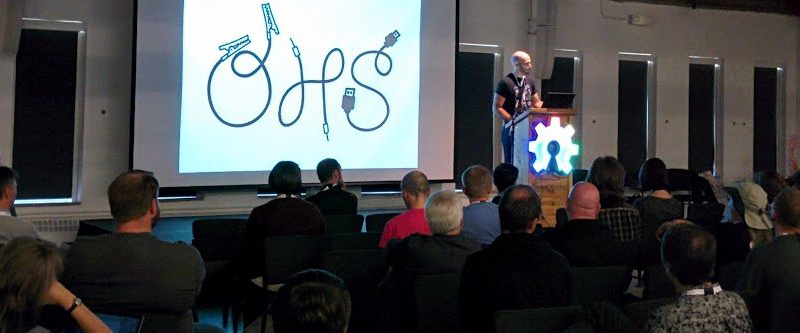
If you love circuit boards, clever prototypes, open documentation, and the kind of community where someone can explain a sensor bus over coffee without making it sound like a tax audit, the Open Hardware Summit is your kind of gathering. The headline says it all: Join Hackaday and Tindie this Thursday at Open Hardware Summit. But behind that simple invitation is a bigger story about how open hardware turns small ideas into shared tools, community projects, educational platforms, and sometimes even real businesses.
The Open Hardware Summit has long been one of the most important meeting points for the open source hardware community. Organized around the belief that technology should be easier to study, modify, build, and improve, the Summit brings together engineers, artists, educators, researchers, founders, hackers, makers, and the occasional person carrying a badge that appears to have more computing power than a 1990s office.
For Hackaday and Tindie, attending the Summit is a natural fit. Hackaday is where many hardware ideas get discovered, documented, debated, and celebrated. Tindie is where many of those small-batch inventions can find buyers, testers, fans, and fellow weird-hardware enthusiasts. Together, they represent two essential parts of the maker journey: sharing the build and getting it into people’s hands.
Why the Open Hardware Summit Matters
Open hardware is not simply “hardware with a nice blog post.” It is a serious design philosophy. At its best, an open source hardware project includes accessible design files, schematics, documentation, firmware or software when needed, licensing information, and enough clarity that another person can understand how the thing works. That does not mean every project is polished like a consumer gadget unboxed by a suspiciously excited YouTuber. It means the knowledge is available, reusable, and community-friendly.
The Open Hardware Summit exists because hardware is hard. Software can be copied, forked, and rebuilt with a laptop and enough caffeine. Hardware has atoms. Atoms have shipping costs. Atoms break in transit. Atoms also have supply chains, connectors, tolerances, sourcing problems, and that one tiny component that vanishes from stock the moment your board design is finalized. The Summit gives people a place to talk about those practical realities while still protecting the larger ideal: technology should not be locked away behind mystery boxes and “trust us” labels.
That is why the event attracts a wide mix of people. You will find open hardware companies, PCB services, educators, tool builders, embedded developers, robotics folks, conservation technologists, artists, and independent makers. The conversations range from certification and licensing to manufacturing, documentation, repairability, accessibility, community building, and the eternal question: “Why did this board work perfectly yesterday?”
Hackaday’s Role in the Open Hardware World
Hackaday has become a major gathering place for people who enjoy taking technology apart, putting it back together, and occasionally improving it in ways the original manufacturer definitely did not plan. The site covers hardware hacks, reverse engineering, embedded systems, retrocomputing, tools, scientific instruments, robotics, radio, 3D printing, and all manner of beautifully unreasonable projects.
More importantly, Hackaday is not just about finished objects. It celebrates process. A messy prototype, a clever failure, or an unfinished build log can be just as valuable as a polished product. That attitude is deeply aligned with open hardware. Open development lets others learn from the wrong turns, not just the victory lap. In hardware, that matters. A single note about a noisy regulator, a fragile connector, or a misbehaving footprint can save another maker several evenings of dramatic sighing.
Hackaday.io extends that spirit by giving builders a place to document projects, form teams, share logs, and get feedback. For anyone attending the Summit, that matters because the event is not only about listening to talks. It is about finding collaborators and turning hallway conversations into real projects. A person you meet at a booth may become a contributor, customer, reviewer, beta tester, or the only person in the room who understands why your I2C bus is haunted.
Why Tindie Belongs at the Summit
Tindie fills a different but equally important role. It is a marketplace built around independent hardware products, small-batch electronics, kits, modules, tools, and maker-built devices. In the open hardware ecosystem, this is a big deal. Many makers do not begin with a polished factory line. They begin with a prototype, a few extra boards, a shipping label printer, and an optimistic spreadsheet.
A marketplace like Tindie helps bridge the gap between “I built this thing” and “other people can actually use this thing.” That gap is wider than beginners expect. Selling hardware involves documentation, packaging, support, testing, version control, sourcing, and clear communication. A beautiful board with no instructions is less a product and more a tiny green puzzle with pins.
At the Open Hardware Summit, Tindie’s presence is valuable because it reminds builders that open projects can also be sustainable. Open hardware does not mean creators cannot sell products. In fact, one of the strengths of the movement is that shared designs can support education, repair, customization, and commerce at the same time. A maker can publish design files, sell assembled units, offer kits, build a user community, and still maintain a recognizable brand.
What Attendees Can Expect
The Open Hardware Summit is not a typical tech conference where everyone politely nods at slides and then disappears into hotel Wi-Fi. The best parts often happen between sessions: at demo tables, during coffee breaks, near badges, over lunch, or while someone is carefully explaining why their project needed a custom enclosure shaped like a friendly robot.
Talks That Go Beyond the Usual Buzzwords
Open hardware talks tend to be refreshingly practical. Speakers often discuss what worked, what broke, what was expensive, what documentation saved the project, and what they would never do again unless chased by a deadline. Topics may include certification, manufacturing, open design files, community governance, environmental sensing, disaster response, education, robotics, connected devices, digital fabrication, right to repair, and open scientific tools.
People Who Actually Build Things
The biggest draw is the community. Attendees are often the people behind the boards, kits, tools, frameworks, and platforms that appear in maker spaces and engineering benches around the world. Meeting them in person changes the relationship. A project stops being just a product page or a GitHub repository and becomes a story told by someone who survived revision three.
Open Hardware Certification Conversations
Certification is one of the most important topics in modern open hardware. OSHWA certification helps users identify projects that follow the community definition of open source hardware. That matters because “open” can become fuzzy if nobody defines it. Good certification practices help creators communicate clearly and help users understand what files, rights, and freedoms are actually available.
Open Hardware Is Bigger Than Hobby Electronics
It is easy to think of open hardware as a world of blinking LEDs and desktop gadgets. Those are wonderful, and frankly, society could use more tasteful blinking. But the movement is much larger. Open hardware shows up in education, environmental monitoring, assistive technology, agriculture, scientific research, low-cost laboratory equipment, communications, robotics, and repair culture.
For example, an open environmental sensor can be studied, repaired, localized, and improved by communities that need it. An open lab instrument can lower the cost of science education. An open robotics platform can help students learn control systems without treating the hardware as a sealed box. A documented PCB design can help a small company manufacture locally or adapt a device for a specialized need.
This is one reason events like the Open Hardware Summit feel different from ordinary product showcases. The focus is not only “look what we made.” It is also “look what others can do with it.” That distinction changes everything.
Why “This Thursday” Is More Than a Calendar Reminder
The phrase “this Thursday” gives the event a sense of immediacy. It says: show up, meet people, ask questions, bring your curiosity, and maybe pack a few stickers. But it also reflects a deeper truth about maker communities. Momentum matters. Open hardware grows when people participate, not when they quietly bookmark interesting pages and forget them until 2029.
Attending the Summit, following the talks, visiting booths, or joining related online conversations helps keep the ecosystem alive. The value is not only in expert presentations. It is in the exchange of details: which connector is reliable, which fabrication process saved money, which license caused confusion, which documentation format helped contributors, and which tiny design choice prevented a customer support avalanche.
For Hackaday and Tindie, being there is a way to connect the storytelling side of open hardware with the marketplace side. Hackaday helps surface projects and ideas. Tindie helps independent hardware creators reach real users. The Open Hardware Summit sits in the middle, reminding everyone why openness, documentation, and community trust matter.
How Makers Can Get the Most Out of the Summit
If you are attending an Open Hardware Summit or following one online, treat it as more than a conference. Treat it as a project accelerator. Bring questions. Bring a notebook. Bring photos of your prototype. Bring the courage to admit that your enclosure still looks like it was designed during a thunderstorm.
Prepare Your Project Story
When someone asks what you are building, avoid launching directly into a 14-minute explanation of voltage domains. Start with the problem. Who is the project for? What does it do? Why does openness matter? Then you can talk about the clever technical bits. People remember stories before they remember pinouts.
Ask About Documentation
Documentation is the secret infrastructure of open hardware. Good documentation explains how to build, use, modify, repair, and contribute. Ask other attendees how they organize design files, bills of materials, firmware, assembly instructions, test procedures, and release notes. A clean repository can be just as impressive as a clean solder joint.
Think About Sustainability
Open hardware communities need sustainable models. Some creators sell assembled products. Some sell kits. Some offer consulting, workshops, support, or custom versions. Others use grants, memberships, institutional backing, or community funding. Tindie’s relevance is especially strong here because it shows how small hardware products can exist outside the giant-retail pipeline.
Common Misunderstandings About Open Hardware
One common misunderstanding is that open hardware means “free product.” It does not. Open refers to access, rights, and transparency around design information. Creators still need to buy components, assemble boards, maintain documentation, answer support questions, and occasionally replace a reel of parts that seemed affordable until the invoice arrived.
Another misunderstanding is that open hardware destroys business value. In reality, many open hardware businesses create value through quality, trust, availability, support, brand reputation, manufacturing skill, and community participation. A design file alone does not equal a finished, tested, packaged product. Anyone who has hand-soldered a batch of boards at 1:00 a.m. understands this deeply.
A third misunderstanding is that open hardware is only for experts. The movement certainly includes brilliant engineers, but it also welcomes beginners, educators, artists, students, repair advocates, and curious tinkerers. Open documentation lowers the barrier to learning. It gives people permission to ask, inspect, modify, and understand.
Why This Event Is Worth Watching Even If You Cannot Attend
Even if you are not physically at the Summit, the ideas travel. Talks become videos. Project notes become build logs. Products appear on marketplaces. Documentation gets updated. New collaborations emerge. A person who sees a talk about open environmental monitoring may adapt the idea for a school project. A hardware startup may rethink its documentation. A maker may finally certify a board that has been sitting one checklist away from release.
Following Hackaday and Tindie around the Summit is a practical way to spot trends early. Which tools are makers using? Which problems keep coming up? Which boards are people excited about? Which open hardware projects are moving from hobby bench to real-world deployment? The answers can help developers, educators, journalists, founders, and buyers understand where the community is heading.
Experience Notes: What It Feels Like to Join Hackaday and Tindie at Open Hardware Summit
Imagine walking into a room where nearly every table has something worth asking about. One person has a sensor board designed for field research. Another has a badge with more features than your first laptop. Someone else is explaining a manufacturing mistake with the calm wisdom of a person who has already cried about it and moved on. This is the charm of the Open Hardware Summit: the atmosphere is technical, but not cold; serious, but not stiff; ambitious, but still full of jokes about solder bridges.
The first experience many attendees notice is how approachable the community feels. You do not need to pretend you know everything. In fact, pretending is usually less useful than asking a direct question. Open hardware people tend to appreciate curiosity. Ask why a creator selected a particular microcontroller, and you may get a short answer. Ask what went wrong in revision one, and you may get the real story, complete with supplier surprises, layout regrets, and one component that behaved like it had personal issues.
Hackaday’s presence adds energy because the platform is built around discovery. People who read Hackaday often arrive ready to talk about projects, not just products. They want the backstory. They want to know what was repurposed, what was reverse engineered, what was learned, and whether the design files are available. That makes conversations more generous. Instead of a sales pitch, you get a build narrative.
Tindie adds another practical layer. Around Tindie-minded makers, the question becomes: how does a clever project become something other people can buy and use? That conversation is priceless for independent creators. It covers packaging, support burden, realistic pricing, small-batch assembly, customer expectations, and the emotional roller coaster of shipping your first real hardware order. Spoiler: the first sale feels amazing; the first support email arrives shortly afterward carrying a tiny thundercloud.
The Summit also teaches humility. Hardware has a way of making even experienced people respect details. A beautiful design can fail because of heat, vibration, unclear assembly instructions, a missing test pad, a confusing connector, or a part that goes out of stock at the worst possible moment. Listening to other creators talk openly about these issues is encouraging. It reminds you that mistakes are not proof you are bad at hardware. They are part of the tuition.
The best strategy is to treat the day like a living library. Attend talks, but also spend time at demo tables. Ask creators what they would improve. Ask what tool they wish existed. Ask how they handle documentation. Ask what licensing question confused them most. These answers often contain more practical value than a polished slide deck.
By the end, the biggest takeaway is not only technical. It is cultural. Open hardware works because people choose to share enough information for others to learn, repair, adapt, and build forward. Hackaday, Tindie, and the Open Hardware Summit each support that culture in different ways. Together, they make the hardware world feel less like a locked cabinet and more like a workbench with extra chairs.
Conclusion
Join Hackaday and Tindie this Thursday at Open Hardware Summit is more than an event invitation. It is a reminder that open hardware thrives when builders meet, document, question, sell, repair, teach, and collaborate. Hackaday brings the stories and project culture. Tindie brings the independent hardware marketplace mindset. OSHWA and the Summit bring the shared values, definitions, and community structure that help open hardware stay meaningful.
Whether you are an engineer, student, educator, artist, founder, hobbyist, or someone who simply believes technology should be understandable, the Open Hardware Summit is worth your attention. It is where tiny boards lead to big conversations, where documentation becomes a superpower, and where the future of hardware looks a little more open, a little more repairable, and a lot more fun.