Every holiday season has its official soundtrack: the rustle of wrapping paper, the pop of a cookie tin lid, the suspiciously dramatic sigh of someone untangling lights, and the soft clink of ornaments finding their place on the tree. But for our Editor-in-Chief, the season does not truly begin with a shopping list, a party invite, or even the first peppermint-flavored something appearing in a mug. It begins with garland.
Not just any garland. Her favorite holiday tradition is hanging antique beaded garlands passed down from her grandparents, a small ritual that turns decorating the tree into a family history lesson with better lighting. Each strand carries a little sparkle, a little nostalgia, and a whole lot of “please do not let the cat discover this.”
That is the magic of a great holiday tradition: it does not have to be expensive, elaborate, or perfectly styled for a magazine spread. It simply has to mean something. A box of old decorations can become a time machine. A handmade garland can become a conversation starter. A quiet evening with friends, snacks, and craft supplies can become the memory everyone asks to repeat next year.
Why This Holiday Tradition Still Feels So Special
In a season famous for rushing, buying, planning, and occasionally pretending that a slightly burned casserole is “rustic,” this tradition slows everything down. Hanging antique beaded garlands is not a task to check off. It is a ritual. It asks everyone in the room to pause, look closely, and remember the people who made the holidays feel warm long before today’s trends arrived.
Holiday decorating has always been about more than making a room look festive. Christmas trees themselves have a long history of being dressed with meaningful objects, from candles and sweets to fruit, paper decorations, tinsel, and ornaments. Over time, garlands became one of the easiest ways to add movement, texture, and personality to a tree. A garland can be elegant, homemade, colorful, minimal, nostalgic, or delightfully chaotic. In other words, it is basically the family group chat of holiday décor.
For our Editor-in-Chief, the antique beads do what the best decorations do: they connect generations. They remind her of grandparents, family gatherings, and the kind of seasonal beauty that does not need to be replaced every December. The beads are not just pretty; they are proof that objects can hold memory. When they catch the light, they also catch the feeling of holidays past.
The Charm of Beaded Garlands
Beaded garlands have a special kind of holiday glamour. They are less loud than tinsel, more refined than plastic ribbon, and easier to love than that one ornament shaped like a pickle that no one remembers buying but everyone defends with surprising passion. Draped loosely around a tree, beaded strands create a vintage look that feels both classic and personal.
The key is imperfection. A garland should not look like it was measured by a committee. It should swoop a little. It should curve naturally around branches. It should look like a human being placed it there while balancing cocoa in one hand and answering a question from across the room. That gentle looseness is what gives a tree life.
How to Style Antique Beaded Garlands
Start with the lights first, then the garland, then ornaments. This order matters because garlands help define the shape of the tree. Wrap the strands in soft, wide loops rather than tight rings. If the beads are old or delicate, handle them with clean, dry hands and avoid tugging. Vintage decorations deserve respect, even when they are being supervised by a playlist that insists on playing the same holiday song four times in one hour.
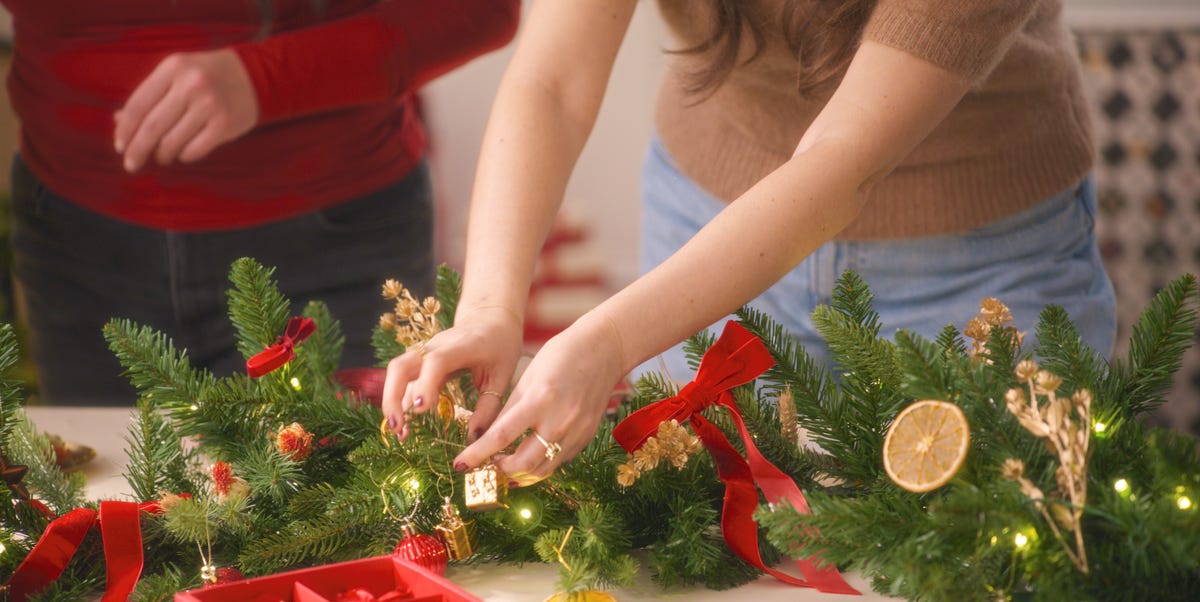
If the garlands are short, feature them on the front-facing side of the tree where they can shine. If they are long, let them travel from top to bottom in diagonal swags. For a collected look, mix antique beads with simple glass ornaments, dried orange slices, velvet bows, or handmade paper accents. The goal is not to create a perfect store display. The goal is to create a tree that looks like it has lived a little.
Turning One Family Memory Into a New Gathering
The beauty of this tradition is that it can grow. What began as a treasured family ritual can become a garland-making night with friends, relatives, neighbors, or coworkers. The idea is simple: gather materials, clear a table, put out snacks, and let everyone make a seasonal decoration to take home. It is a craft night, a mini party, and a memory factory all in one.
Homemade garlands are especially wonderful because they welcome every skill level. The perfectionist can measure every inch. The free spirit can attach dried flowers, ribbon, and beads with the confidence of a Renaissance artist who has misplaced the instructions. Children can help sort materials. Adults can pretend they are “just supervising” while becoming emotionally invested in the placement of one tiny gold bead.
Garland Ideas Inspired by Tradition
A beaded garland is the star, but it does not have to perform alone. A holiday craft table can include wooden beads, metallic beads, velvet ribbon, dried citrus slices, cranberries, cinnamon sticks, paper stars, felt shapes, and small bells. Popcorn garlands are another nostalgic option, long loved for their homespun look and budget-friendly charm. Dried orange garlands bring color and a light citrus scent. Paper chains add a playful touch that feels especially good in homes with children.
For a more polished version, choose a color palette before the night begins. Cream, gold, and cranberry create a classic look. Silver, white, and blue feel wintry. Natural wood, dried flowers, and linen ribbon make the garland feel rustic and cozy. The best palette, of course, is the one that uses supplies you already own, because holiday creativity should not require taking out a tiny festive loan.
What Makes a Holiday Tradition Worth Keeping?
A tradition survives because people want to return to it. It does not have to be grand. In fact, the smaller ones often last the longest. Baking the same cookies, watching the same movie, walking through the neighborhood to see lights, hanging a family ornament, writing cards, making a wreath, or stringing garland can all become anchors in a busy season.
Holiday rituals matter because they create rhythm. They tell us, “We are here again. We made it to another season. Let’s mark it together.” Research and expert commentary on rituals often point to their ability to support emotional connection, reduce stress, and give people a sense of meaning. That may sound fancy, but anyone who has ever cried over a familiar ornament knows it is true.
Traditions also make room for storytelling. One person remembers who bought the beads. Another remembers the year the tree leaned dramatically to the left. Someone else remembers a grandparent’s house, a favorite dessert, or the exact sound of old decorations being unwrapped from tissue paper. Suddenly, a strand of garland is not just decoration. It is a family archive with sparkle.
How to Host a Garland-Making Night
A garland-making night should feel joyful, not like a corporate team-building exercise wearing a Santa hat. Keep it simple. Choose a date, set up one large table, and place supplies in bowls or trays. Add scissors, twine, floral wire, ribbon, needles for popcorn or cranberries, and small storage bags so guests can carry their creations home safely.
Food should be easy to eat and far away from glue. This is not a warning from a lawyer, just wisdom from anyone who has ever mistaken a craft bead for a candy sprinkle. Put out cheese, crackers, fruit, cookies, warm cider, cocoa, tea, or festive mocktails. If guests are arriving after work or school, consider ordering snacks or supplies ahead of time so the evening feels relaxed instead of frantic.
Make It Comfortable, Not Perfect
The fastest way to ruin a holiday tradition is to make it feel like a performance. Let people make crooked garlands. Let the kids use too much ribbon. Let someone create a design that looks less “heirloom holiday” and more “craft drawer explosion.” The point is participation. The memories come from laughing, helping, sharing stories, and leaving with something handmade.
Set the mood with music, but do not make it so loud that conversation disappears. Keep lighting warm. Place a finished sample on the table for inspiration, but avoid making it the standard everyone must copy. A good holiday craft night should feel like a kitchen-table gathering, not an audition for a lifestyle show.
Modern Convenience Meets Old-Fashioned Meaning
One reason this tradition feels so current is that it blends old and new beautifully. The heart of the activity is old-fashioned: handmade décor, family objects, shared time, and a decorated tree. The modern twist is convenience. Today, many hosts can order craft supplies, snacks, and last-minute essentials without turning the afternoon into a scavenger hunt through crowded stores.
That convenience matters. The holidays can be wonderful, but they can also become a maze of errands. When the practical parts get easier, people have more energy for the meaningful parts. Nobody remembers the traffic jam on the way to buy ribbon fondly. People do remember sitting around a table with friends, making something pretty, and laughing when one garland becomes mysteriously twice as long as planned.
The lesson is not that every tradition needs an app, a delivery window, or a perfectly curated supply list. The lesson is that traditions can evolve. A family heirloom can inspire a new gathering. A vintage look can be recreated with modern materials. A quiet childhood memory can become a fresh ritual for a new circle of people.
How to Start Your Own Meaningful Holiday Tradition
If you do not already have a signature holiday tradition, start small. Pick one activity that feels doable and repeatable. The repeatable part is important. A tradition that requires seventeen ingredients, matching outfits, and emotional courage from the entire household may not make it to year two.
Try choosing a decoration night, a cookie recipe, a family walk, a charity project, a handmade gift exchange, or a yearly ornament. Give the tradition a name. Take one photo each year. Save a small piece of it, such as a ribbon, recipe card, tag, or note. Over time, these simple details become part of the tradition’s identity.
Let the Tradition Belong to Everyone
The best traditions leave room for other people’s ideas. If one person controls every detail, the tradition can feel like homework with cinnamon. Ask family members or guests what they would like to add. Someone may want to bring a dessert. Someone may want to choose the music. Someone may want to make the first garland of the night in colors that do not match anything, and honestly, that is how legends begin.
Children especially love traditions when they are allowed to participate instead of just observe. Let them sort beads, choose ribbon, count ornaments, or hang a garland on a smaller tree. Their version may be uneven, but it will be memorable. Besides, children have a decorating confidence adults could learn from. They do not ask, “Is this too much?” They ask, “Can I add more glitter?” Admirable.
Preserving Holiday Heirlooms
If your tradition includes antique garlands, ornaments, linens, recipes, or handwritten notes, treat them with care. Store fragile items in acid-free tissue or soft cloth. Keep beads and glass ornaments in sturdy containers. Label items with names and dates when possible, because future generations should not have to guess whether “Grandma’s special beads” were from 1948 or last Tuesday.
It is also wise to record the story behind each object. A simple note can turn a decoration into family history. Write who owned it, how it was used, and why it mattered. The note does not need to be poetic. “These beads belonged to Grandma and were hung on the tree every December” is enough. Future family members will thank you, possibly while trying to untangle the same beads with heroic patience.
Experience Notes: What This Tradition Teaches Us
The more you think about this Editor-in-Chief holiday tradition, the more it becomes clear that garland is only part of the story. The deeper experience is about making space for memory in a season that often pushes people toward speed. Holiday culture can sometimes feel like a race: decorate faster, shop earlier, host better, photograph everything, and somehow remain cheerful while doing it. A tradition like hanging antique beaded garlands gently argues for another way.
It says that beauty can be slow. It says that the old box in the closet may matter more than the newest trend. It says that a family object does not have to be flawless to be treasured. In fact, the tiny signs of age may be the point. A faded bead, a slightly uneven strand, or an old clasp that requires careful handling can remind us that traditions survive because people keep choosing them.
There is also something powerful about making the tradition social. When friends gather to create garlands, they are not only decorating. They are practicing the art of being present. Hands stay busy, which makes conversation easier. People tell stories while threading beads or tying ribbon. Someone asks about a grandparent. Someone remembers a childhood tree. Someone admits they once wrapped a gift so badly it looked like it had been assembled during an earthquake. These are the moments that turn an evening into a memory.
A garland-making tradition is also wonderfully forgiving. It does not require a huge home, a professional craft room, or a perfect family situation. It works in an apartment, a kitchen, a classroom, a shared office, or a living room where half the chairs do not match. It can be done with heirloom beads or inexpensive paper. It can be elegant, silly, sentimental, or all three before dessert.
Most importantly, this tradition reminds us that holidays are not built from perfection. They are built from repetition, affection, and attention. The same people may not always be in the room. The house may change. The menu may change. The tree may be bigger one year and tabletop-sized the next. But if the garland comes out, if the stories return, if someone laughs while trying to find the end of the strand, the tradition is alive.
That is why our Editor-in-Chief’s favorite holiday tradition feels so relatable. It honors the past without getting stuck there. It invites creativity without demanding expertise. It makes decorating feel personal again. And in a season crowded with noise, it offers something simple and rare: a reason to gather, remember, and make something beautiful together.
Conclusion
Our Editor-in-Chief’s favorite holiday tradition proves that the most meaningful seasonal rituals are often the simplest. Hanging antique beaded garlands from her grandparents is more than a decorating habit; it is a way of keeping family stories visible, year after year. By turning that memory into a modern garland-making night, the tradition becomes even richer, inviting friends, coworkers, and loved ones to create something new while honoring something old.
Whether you use vintage beads, popcorn, dried citrus, ribbon, paper stars, or whatever charming craft supplies happen to be within reach, the real goal is connection. A handmade holiday garland brings people to the table, gives them something joyful to do with their hands, and sends everyone home with a decoration that means more than anything bought in a hurry. That is the kind of tradition worth keeping, repeating, and passing along.