Creativity has always been a kind of superpower, but in 2021 it felt especially necessary. After a year of too many sourdough starters, unfinished home projects, and suspiciously ambitious “I’ll totally learn pottery this weekend” plans, people were hungry for makers who could do more than post pretty pictures. We needed creators with heart, perspective, skill, humor, and the rare ability to make a recipe, a dress, a room, or an illustration feel like a tiny door into a bigger, brighter world.
That is exactly why LGBTQ+ makers matter. Their work is not only beautiful; it is personal, cultural, practical, and often quietly revolutionary. A cookbook can normalize queer family life at the dinner table. A dress can make the body feel powerful instead of policed. A DIY home account can remind renters that “temporary” does not have to mean “tragically beige.” A digital illustration can make queer joy visible in a world that too often spotlights queer struggle first.
The five inspiring LGBTQ+ makers below built loyal audiences by doing what great makers do best: turning lived experience into something other people can use, taste, wear, hang on a wall, or carry into their own lives. From food science to handmade fashion, from New Orleans interiors to radiant queer art, these creators gave 2021 a much-needed dose of color, comfort, and creative permission.
Why LGBTQ+ Makers Deserve a Bigger Spotlight
The maker world is wonderfully broad. It includes cooks, designers, painters, illustrators, woodworkers, sewists, decorators, gardeners, bakers, stylists, and anyone else brave enough to say, “I can probably make that,” moments before the glue gun starts smoking. But for LGBTQ+ makers, creativity often carries another layer of meaning. Making becomes a way to tell stories that mainstream culture has ignored, flattened, or edited into something more convenient.
In 2021, the rise of creator platforms made it easier to discover independent voices outside traditional gatekeeping. Instagram, TikTok, blogs, newsletters, Etsy shops, and small creative studios gave makers direct access to audiences. For LGBTQ+ creators, that access was powerful. It allowed them to build communities around authenticity instead of asking permission to be included.
The makers on this list are not inspiring because they fit one narrow definition of queer creativity. They are inspiring because they refuse to be boxed in. Their work is funny, elegant, practical, joyful, deeply personal, sometimes glamorous, sometimes cozy, and occasionally the exact reason you suddenly believe you need a better spice drawer.
1. Nik Sharma: The Food Scientist Who Makes Flavor Feel Magical
Why follow him?
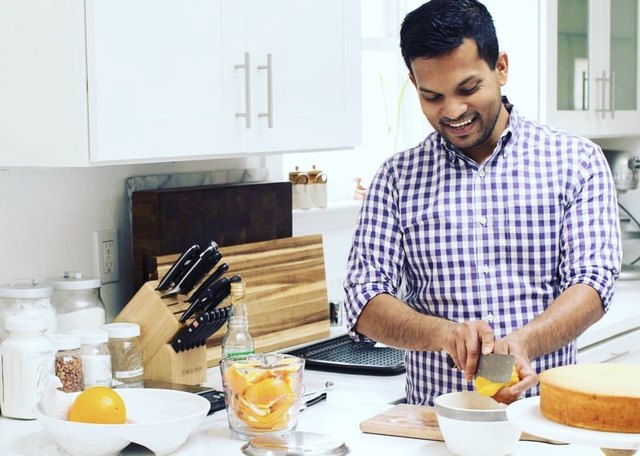
Nik Sharma is the kind of food creator who makes cooking feel like both a science class and a dinner party where everyone actually likes each other. A former molecular biologist turned cookbook author, photographer, and recipe developer, Sharma brings an unusual mix of precision and poetry to the kitchen. His work is especially compelling because he does not treat flavor like a mystery reserved for chefs with tweezers and intimidating aprons. Instead, he breaks it down with clarity, warmth, and gorgeous visuals.
Sharma’s cookbook The Flavor Equation: The Science of Great Cooking Explained became a standout title for home cooks who wanted to understand why food tastes good, not just how to follow instructions. He explores ideas such as brightness, bitterness, saltiness, sweetness, savoriness, richness, and fieriness, making the chemistry of flavor feel useful rather than academic. In other words, he is the rare person who can discuss molecular structure and still make you crave dinner.
What makes his work special?
Sharma’s recipes are influenced by his life across cultures, including his upbringing in India and his career in the United States. That background gives his food writing a layered perspective. He is not simply blending ingredients for novelty; he is thinking about memory, migration, technique, and identity. His photography is equally important. A Nik Sharma dish often looks dramatic without feeling fussy, like it wandered out of a still-life painting and kindly agreed to become lunch.
For LGBTQ+ readers and makers, Sharma’s career is a reminder that creative lives rarely follow straight lines. He moved from biomedical research into food writing, built a platform through blogging, and turned curiosity into a full-time creative practice. That arc matters. It shows that expertise from one field can become a secret ingredient in another.
What makers can learn from Nik Sharma
The biggest lesson from Sharma’s work is that depth can be accessible. You do not have to choose between serious craft and welcoming storytelling. Whether he is explaining how acid changes a dish or photographing a vegetable with the drama of a movie poster, he proves that technical knowledge becomes more powerful when it is shared generously.
2. Julia Turshen: The Cookbook Author Making Food More Welcoming
Why follow her?
Julia Turshen has built a career on making cooking feel less like a performance and more like an act of care. She is a bestselling cookbook author, food writer, podcast host, and food equity advocate whose work consistently centers accessibility, generosity, and inclusion. Her cookbook Simply Julia is a great example of her style: practical, warm, personal, and refreshingly free of kitchen snobbery.
Turshen’s voice stands out because she understands that cookbooks are never just about food. They live in intimate spaces. They sit on counters, get splattered with sauce, and become part of family rituals. When a queer author writes openly about her life, her wife, and her values inside that format, the result is more than representation. It is normalization at the level of everyday life.
What makes her work special?
Turshen is especially gifted at reducing anxiety around cooking. Her recipes often feel like a calm friend saying, “You’ve got this,” instead of a culinary judge tapping a clipboard. She has also used her platform to support broader conversations about equity in food media, including visibility for people historically left out of professional food spaces.
Her podcast work and community projects show another important side of being a maker: influence is not only about what you create yourself. It is also about who you invite into the room. Turshen’s creative practice includes amplifying others, asking thoughtful questions, and building resources that help more people see themselves in food culture.
What makers can learn from Julia Turshen
Turshen teaches that kindness is not the opposite of excellence. Her work is polished, useful, and deeply considered, but it never loses its human touch. For bloggers, cookbook writers, DIY creators, and small creative business owners, that is a powerful model. The internet rewards speed and spectacle, but Turshen’s work reminds us that trust is built through clarity, consistency, and care.
3. Denisio Truitt: The Designer Celebrating the Body in All Its Forms
Why follow her?
Denisio Truitt is a Liberian-American visual artist, designer, dressmaker, and founder of Dopeciety, an apparel brand rooted in original artwork and bold personal style. Her work lives at the intersection of fashion, visual art, performance, and identity. She creates garments that feel intentional, expressive, and alive, the kind of clothing that enters a room before the wearer even clears their throat.
Truitt’s background in studio art, English literature, and costume design gives her fashion practice a strong narrative quality. Her pieces are not just “outfits.” They feel like characters, moods, declarations, and sometimes elegant warnings. If a garment could say, “Yes, I look amazing, and yes, I know exactly what I’m doing,” it would probably be one of hers.
What makes her work special?
Truitt’s clothing has been connected to television, film, stage performance, weddings, formal events, and custom wardrobes. Her design focus includes bespoke fashion, red carpet looks, and performance pieces, but the emotional center of her work is the body itself. She has described her aim as making garments that celebrate and exalt the human body in its infinite forms, with an emphasis on the feminine.
That philosophy matters in a fashion world that has often treated bodies as problems to solve. Truitt’s work flips the script. The body is not something to hide, shrink, correct, or apologize for. It is the starting point for beauty, drama, strength, and self-expression.
What makers can learn from Denisio Truitt
Truitt’s creative path is a masterclass in building a world around a clear point of view. Her work does not chase bland universality. It has attitude, sensuality, cultural memory, and specificity. For makers, that is a crucial lesson: the more honestly you define your creative language, the easier it becomes for the right audience to find you.
She also shows the value of craft discipline. Behind every striking garment is patterning, sewing, fitting, sourcing, adjusting, and problem-solving. Glamour may get the photograph, but skill does the heavy lifting. As every maker knows, the final product may look effortless only because someone fought a very private battle with measurements, fabric behavior, and deadlines.
4. Beau and Matt of Probably This: Making Home Design Feel Fun, Gay, and Actually Possible
Why follow them?
Beau Ciolino and Matt Armato, the creative duo behind Probably This, became known for their approachable mix of home design, DIY projects, recipes, entertaining ideas, travel, and New Orleans charm. Their work has long appealed to people who want beautiful spaces but do not have unlimited money, unlimited time, or a secret warehouse full of antique French mirrors.
In the 2021 maker landscape, Probably This stood out because it made homemaking feel personal and playful. Their content did not present design as a rigid list of rules. Instead, it treated the home as a living, evolving reflection of the people inside it. That message was especially welcome during a period when many people were spending more time at home than ever and realizing, with mild horror, that their walls had been staring back at them for months.
What makes their work special?
Probably This combines practical DIY with personality. The projects are stylish, but they do not feel cold. The recipes are inviting, but not precious. The interiors are aspirational, but not so perfect that you are afraid to sit down. Their creative world is full of warmth, humor, and lived-in beauty.
Their New Orleans base also gives their work a strong sense of place. You can feel the influence of old houses, layered rooms, hospitality, color, and a city that understands the importance of both drama and dinner. For LGBTQ+ audiences, their visibility as queer home and lifestyle creators added another layer of resonance. They showed that domestic creativity can be stylish, modern, openly queer, and deeply joyful.
What makers can learn from Probably This
The biggest lesson from Probably This is that relatability and taste can absolutely share the same sofa. Too often, design content swings between two extremes: impossibly expensive perfection or chaotic “budget hacks” involving contact paper and optimism. Beau and Matt built an audience by finding the sweet spot: make it beautiful, make it doable, and make it feel like real people live there.
For makers and bloggers, their work is a reminder that voice matters. A tutorial can teach, but a strong voice makes people come back. Their humor, honesty, and conversational style helped turn projects into a community.
5. Ggggrimes: The Digital Artist Painting Queer Joy in Full Color
Why follow them?
Ggggrimes, the creative moniker of Theodoor Gabriella Malaika Grimes, is a Black gender-expansive digital artist known for vibrant illustrations that center queer experience, trans people of color, intimacy, softness, spirituality, and joy. Their work is lush, colorful, and emotionally direct. It does not whisper queer visibility from the corner; it puts it in the center of the frame, lights it beautifully, and lets it breathe.
In a media environment that often portrays LGBTQ+ life through conflict, trauma, or debate, Ggggrimes offers something necessary: images of queer people of color living, loving, resting, flirting, healing, and existing beautifully. That kind of visual storytelling is not decorative. It is world-building.
What makes their work special?
Ggggrimes is self-taught, and that independence gives their style a distinct emotional confidence. The figures in their work often feel tender and powerful at the same time. Their compositions celebrate bodies, relationships, and interior lives with a palette that can feel dreamy, electric, and calming all at once.
The work is also important because it expands what queer art can look like online. It is not limited to slogans or Pride-month branding. It is intimate, spiritual, stylish, romantic, and community-rooted. For viewers who rarely see themselves represented with beauty and softness, that can be profound.
What makers can learn from Ggggrimes
Ggggrimes shows that art can be both personal and widely resonant. Their illustrations are grounded in specific experiences, but the emotions they communicatelove, safety, desire, tenderness, self-recognitionare deeply human. Makers sometimes worry that being too specific will limit their audience. Ggggrimes proves the opposite. Specificity can be the very thing that makes the work powerful.
Common Threads Between These LGBTQ+ Makers
At first glance, these five creators work in very different mediums. One builds flavor through science. One writes cookbooks that feel like invitations. One creates garments with body-centered drama. Two turn interiors, food, and entertaining into a warm lifestyle universe. One uses digital art to celebrate queer life in radiant color. But their work shares several important themes.
They make identity visible without reducing the work to identity
Each maker brings LGBTQ+ visibility into their creative practice, but none of them produces work that can be flattened into a label. Their queerness informs their perspective; it does not replace their craft. That distinction matters. Representation is most powerful when creators are allowed to be complex, skilled, funny, ambitious, messy, elegant, practical, and fully human.
They turn personal experience into public usefulness
Great makers do not simply express themselves; they create bridges. Sharma helps people understand flavor. Turshen helps people cook with less fear. Truitt helps people imagine clothing as celebration. Probably This helps people make home feel more like themselves. Ggggrimes helps viewers see queer joy as vivid and worthy of beauty.
They prove that creativity is community work
The best maker accounts are not just portfolios. They are gathering places. Followers come for a recipe, pattern, room idea, illustration, or dress, but they stay because the creator has built a recognizable world. In that world, people learn not only how to make things, but how to see themselves differently.
How to Support LGBTQ+ Makers Beyond Pride Month
Following LGBTQ+ makers in June is lovely. Following, buying from, crediting, recommending, hiring, and sharing them all year is better. Pride Month can introduce audiences to new creators, but real support lasts longer than a rainbow logo with a corporate approval chain.
Start by engaging with their work in ways that matter. Save posts. Leave thoughtful comments. Share their projects with proper credit. Buy books, prints, patterns, courses, recipes, garments, subscriptions, or original work when possible. If you are not in a position to spend money, word-of-mouth still helps. A genuine recommendation can introduce a maker to a future client, editor, collaborator, or customer.
It is also important to respect boundaries. Makers are people, not endless content machines powered by iced coffee and emotional availability. Support their work without demanding personal disclosure, free advice, or instant replies. Creative labor is labor, even when it arrives in your feed looking beautiful.
Personal Experiences and Reflections: What These Makers Teach Us About Creative Courage
One of the most useful experiences anyone can have with maker culture is the moment you realize inspiration is not passive. It is not just scrolling through a beautiful feed, sighing dramatically, and whispering, “Must be nice to have natural talent.” Real inspiration should make your hands itch a little. It should make you want to try something, even if the first attempt looks like it was assembled during a mild earthquake.
Following LGBTQ+ makers like these can change the way people approach creativity because their work carries permission. Nik Sharma gives permission to be curious and analytical, to ask why a dish works instead of pretending cooking is magic available only to a chosen few. That kind of permission is useful in everyday life. It encourages experimentation. You may burn the first batch of spices or over-salt a sauce, but you learn. The kitchen becomes a lab, and suddenly failure is data with better snacks.
Julia Turshen offers another kind of permission: the permission to make things easier without making them less meaningful. Many people avoid cooking because they believe every meal has to be impressive. Turshen’s approach suggests that feeding yourself and others can be flexible, forgiving, and still beautiful. That lesson applies beyond food. A creative project does not have to be grand to matter. Sometimes the simple, repeatable, welcoming thing is the thing that changes someone’s day.
Denisio Truitt’s work brings a powerful lesson about confidence. Clothing is one of the most immediate ways people negotiate identity in public. A handmade garment can protect, reveal, exaggerate, soften, sharpen, or transform the wearer. Seeing a designer celebrate bodies in many forms can help makers think differently about what they create. The goal is not always to make something universally flattering, a phrase that often means “approved by someone else’s rules.” The goal can be to make something alive.
Beau and Matt’s Probably This universe speaks to anyone who has ever looked around a rental apartment and thought, “Well, I guess this is my personality now.” Their work shows that home is not reserved for homeowners, millionaires, or people who somehow keep fresh flowers alive for more than three days. Home can be built gradually. A painted wall, a thrifted chair, a better dinner setup, a weekend DIY, or one excellent lamp can shift how a space feels. The deeper experience here is agency: the realization that you can participate in shaping your environment.
Ggggrimes offers perhaps the most emotional lesson: visibility can be nourishing. Art that shows queer people of color in joy, tenderness, beauty, and fantasy gives viewers images they may not have received growing up. That matters because imagination is part of survival. People need to see possibilities before they can fully believe in them. A colorful digital illustration may seem simple at first glance, but for the right viewer, it can feel like a mirror, a window, and a small act of care all at once.
The shared experience of following these makers is the reminder that creativity does not need to be separated from identity, humor, politics, love, practicality, or daily life. In fact, the best creative work usually refuses that separation. It says: here is who I am, here is what I know, here is what I made, and here is how it might help you make something too. That is the real gift of LGBTQ+ maker culture. It does not simply decorate the world. It expands it.
Conclusion
The phrase “makers to follow” can sound casual, like a quick social media recommendation before lunch. But the five LGBTQ+ makers highlighted here offer much more than pleasant content. Nik Sharma, Julia Turshen, Denisio Truitt, Beau and Matt of Probably This, and Ggggrimes each show how creative work can become a form of storytelling, representation, education, and community-building.
Their mediums differ, but their impact shares a common heartbeat. They make room for more flavor, more tenderness, more color, more body confidence, more domestic joy, and more honest self-expression. In 2021, that felt especially inspiring. Today, it still does.
Note: This article is original editorial content synthesized from publicly available creator profiles, publisher bios, interviews, community features, and maker-focused references. Source links are intentionally not inserted into the article body so the HTML remains clean for publication.