A horseshoe fairy door is exactly the kind of garden project that makes adults say, “This is for the kids,” while secretly rearranging tiny pebble pathways at 10 p.m. with the seriousness of a city planner. It blends three things people already love: rustic farmhouse charm, fairy garden whimsy, and the old-fashioned good-luck symbolism of a horseshoe. The result is a miniature doorway that looks as if a very responsible woodland fairy signed a lease at the base of your oak tree.
Unlike mass-produced garden ornaments, a horseshoe fairy door feels personal. It can be made from a real horseshoe, reclaimed wood, bark, twigs, clay, pebbles, moss, paint, and a small handful of imagination. You can mount it to a tree, tuck it against a fence post, place it in a fairy garden container, or build an entire miniature scene around it with stepping stones, tiny benches, lanterns, and plants that look like they were grown for someone the size of a teacup.
This guide explores what a horseshoe fairy door is, why it has become such a charming DIY garden decor idea, how to design one, what materials work best outdoors, and how to turn it into a tiny story that visitors notice. Yes, even the visitors who claim they are “not really into cute stuff.” They will notice. They may pretend not to. But they will.
What Is a Horseshoe Fairy Door?
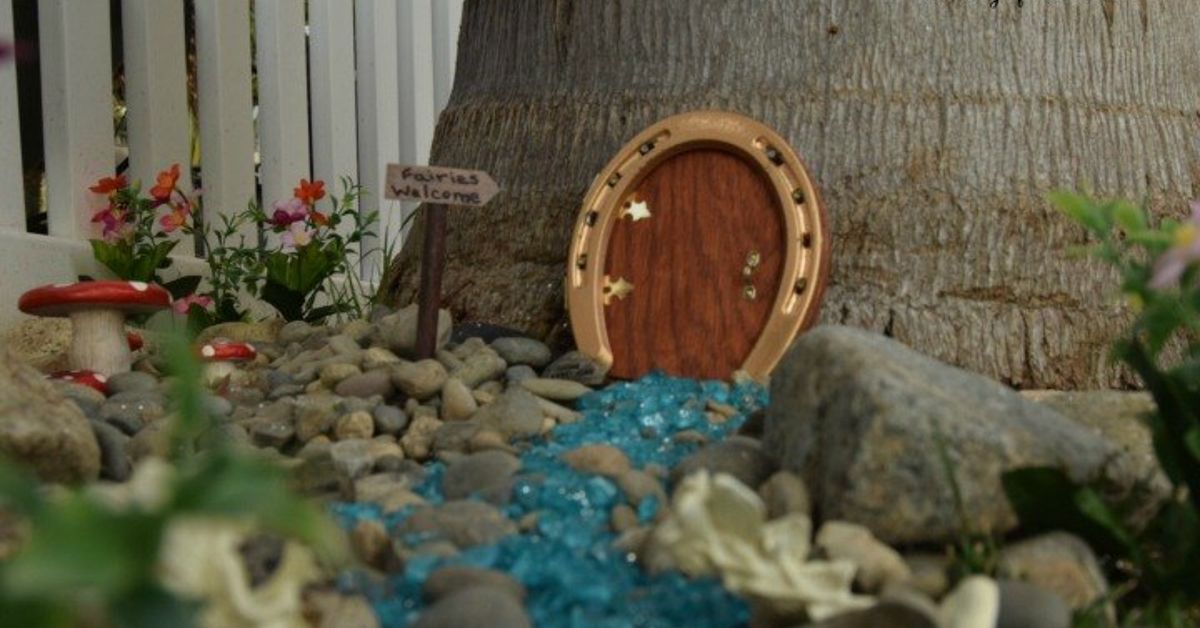
A horseshoe fairy door is a miniature decorative door framed, shaped, or inspired by a horseshoe. It is usually placed outdoors as part of a fairy garden, secret garden corner, woodland display, porch planter, or rustic yard decoration. The horseshoe can act as the outer arch of the door, giving the piece a strong curved shape and a built-in sense of folklore.
Traditional fairy doors are often made from wood, resin, clay, or metal. A horseshoe version adds a rustic twist. The iron curve creates a sturdy frame, while the open space inside the horseshoe can be filled with small wood planks, painted clay, bark, or decorative backing. Add a tiny knob, miniature hinges, a pebble path, and perhaps a “No Soliciting, Unless You Have Moonbeams” sign, and suddenly your backyard has an address for magical tenants.
Why the Horseshoe Works So Well in Fairy Garden Decor
It Brings Good-Luck Symbolism
Horseshoes have long been associated with good luck, protection, and welcome. Many people hang horseshoes near doors, barns, entryways, and garden gates because the shape feels inviting and symbolic. Some traditions prefer the ends facing upward, as if the horseshoe is holding luck like a cup. Others hang it downward, as if good fortune is pouring over everyone who walks beneath it. For a fairy door, either direction can work, but the upward arch usually makes the most natural doorway shape.
That symbolism is part of the appeal. A horseshoe fairy door does not just say, “Here is a cute garden accessory.” It says, “Something lucky lives here, and apparently it has excellent taste in rustic architecture.”
It Creates a Natural Door Shape
The U-shape of a horseshoe already looks like the arched top of a cottage door. This saves you from having to carve a perfect curve from wood. The metal frame gives structure, weight, and visual contrast. If the horseshoe is weathered, even better. Scratches, nail holes, and patina make the door look as if it belongs in the garden, not as if it just escaped from a craft store shelf.
It Mixes Farmhouse, Woodland, and Fantasy Styles
A horseshoe fairy door works with several popular outdoor decor styles. In a farmhouse garden, it feels rustic and practical. In a fairy garden, it becomes magical. In a cottage garden, it looks storybook sweet. In a western-inspired yard, it adds equestrian charm. In a child’s garden corner, it becomes a portal to imagination. That flexibility makes it more useful than many niche decorations.
Best Places to Put a Horseshoe Fairy Door
At the Base of a Tree
The classic location is the base of a tree. The bark becomes the “wall,” the roots become natural landscaping, and the door looks like it has always been there. Choose a tree with a visible flat or slightly curved surface where the door can rest securely. Avoid damaging living bark with deep nails or screws. Instead, consider using removable outdoor mounting strips, wire around a dead branch, a freestanding backing stake, or a small wooden support placed in the soil.
On a Fence or Garden Gate
A wooden fence is a practical option because it gives you a stable surface. A horseshoe fairy door mounted low on a fence can make a side yard, vegetable garden, or patio corner feel playful without taking up planting space. Add a tiny ladder, a miniature mailbox, or a pebble doorstep to complete the illusion.
Inside a Container Fairy Garden
If you do not have a yard, use a container. A wide planter, half barrel, old wheelbarrow, broken terracotta pot, or shallow garden bowl can hold a complete miniature landscape. Make sure the container has drainage holes, use quality potting mix, and choose slow-growing plants so your fairy neighborhood does not turn into a jungle by Thursday.
Near a Porch, Patio, or Walkway
Placing a horseshoe fairy door near a seating area makes it easier to enjoy. A tiny door tucked beside a porch step, under a bench, or along a garden path rewards people who pay attention. That small moment of discovery is the whole point. Big garden decor shouts; fairy doors whisper, “Look closer.”
Materials You Can Use for a DIY Horseshoe Fairy Door
The Horseshoe
You can use a new craft horseshoe, a decorative horseshoe, or a cleaned reclaimed horseshoe. A real used horseshoe gives the project character, but clean it carefully before crafting. Brush away loose rust and dirt, wash it with mild soap and water, dry it fully, and seal it if you want to slow further rusting. Some rust is charming. Too much rust is tetanus with a Pinterest account, so handle it responsibly and wear gloves when needed.
The Door Backing
For the door itself, thin wood strips are a popular choice. Craft sticks, cedar scraps, balsa wood, plywood, popsicle sticks, or small lath pieces can be cut and glued into the open space of the horseshoe. Bark, polymer clay, air-dry clay, and resin blanks also work. If the fairy door will live outdoors, choose weather-resistant materials and seal porous surfaces.
Paint and Finish
Outdoor acrylic paint, exterior paint, or spray paint designed for metal and wood can help the door survive weather. A clear outdoor sealant adds protection against moisture and sun. Matte finishes look more natural, while glossy finishes make the piece pop. If you want a woodland style, use greens, browns, cream, mossy gray, or weathered blue. If you want fantasy drama, try gold, deep purple, ruby red, or fairy-tale teal.
Miniature Details
The best horseshoe fairy doors usually have one or two tiny details that make them memorable. A bead can become a doorknob. A pebble can become a doorstep. A small key charm can hang near the entrance. Twigs can frame the doorway. A bottle cap can become a tiny table. A seashell can become a porch light. The secret is restraint. Add enough detail to tell a story, but not so much that the door looks like a craft drawer sneezed.
How to Make a Horseshoe Fairy Door
Step 1: Choose the Style
Before gluing anything, decide what kind of fairy lives behind the door. A woodland fairy might prefer bark, moss, twig trim, and a natural brown door. A garden fairy might choose floral colors, painted vines, and a pebble path. A western fairy might like raw wood, rope trim, and a tiny star. A fancy fairy, naturally, will require gold accents and possibly a mailbox for fan mail.
Step 2: Clean and Prep the Horseshoe
Wipe down the horseshoe and remove loose debris. If it has rough edges, smooth them with sandpaper or a wire brush. Dry the metal completely. If you want to paint it, apply a suitable primer or use paint designed for metal. If you love the aged look, seal it with a clear outdoor protective finish.
Step 3: Create the Door Insert
Lay the horseshoe on a piece of cardboard and trace the inside shape. Use that template to cut a backing from thin wood, foam board for indoor use, or another sturdy material. Glue small vertical wood strips across the backing to create the look of planks. Trim the edges so the insert fits neatly behind or inside the horseshoe frame.
Step 4: Add Texture and Color
Paint the door insert before attaching it permanently. Dry brushing is a great technique for creating an aged effect: dip the brush lightly in paint, wipe most of it off, and drag the brush over the wood so the grain still shows. You can paint faux hinges, add tiny nail dots, or draw climbing vines around the arch.
Step 5: Attach the Door to the Horseshoe
Use a strong adhesive suitable for metal and your backing material. For outdoor pieces, choose weather-resistant glue. Let the project cure fully according to the product instructions. This is not the moment to rush. Fairies may be magical, but glue still has rules.
Step 6: Decorate the Door Scene
Once the door is assembled, add a knob, hinge accents, a welcome sign, tiny stones, moss, miniature plants, or a small pathway. Keep scale in mind. If the doorknob is the size of a pumpkin compared with the door, your fairy may need a building permit.
Step 7: Install It Safely
Place the door where it will be visible but protected from heavy foot traffic, lawn equipment, and constant sprinkler spray. If installing near children or pets, avoid sharp pieces, loose choking-size decorations, or toxic finishes. A freestanding door attached to a small wooden stake is often safer than fastening directly into a living tree.
Design Ideas for a Horseshoe Fairy Door
Rustic Woodland Door
Use a weathered horseshoe, bark backing, twig trim, and a mossy doorstep. Add a tiny acorn cap as a porch bowl or a smooth pebble as a welcome mat. This style looks especially good at the base of a tree or beside ferns, hostas, Irish moss, and creeping thyme.
Golden Lucky Fairy Door
Paint the horseshoe metallic gold and use a deep green or red door insert. Add a small key charm, a tiny lantern, and a curved pebble path. This design leans into the lucky horseshoe theme and makes a cheerful gift for gardeners, horse lovers, or anyone who needs a little backyard sparkle.
Cottage Garden Fairy Door
Paint the door soft blue, lavender, sage, or butter yellow. Add painted flowers, a tiny wreath, and a miniature bench nearby. Surround the scene with small-scale plants and low-growing ground covers. The look is gentle, bright, and charming without feeling too flashy.
Western Ranch Fairy Door
Keep the horseshoe natural and use stained wood for the door. Add rope trim, a small star, and a pebble “dirt road.” This style is perfect for equestrian families, barn gardens, farmhouse porches, or anyone who believes even fairies deserve a little ranch energy.
Holiday Horseshoe Fairy Door
A horseshoe fairy door can change with the seasons. Add tiny pumpkins in fall, a mini wreath in winter, pastel flowers in spring, or a red-white-and-blue bunting in summer. Seasonal updates make the door feel alive, as if the residents are decorating, hosting, and possibly arguing about where to store the tiny holiday bins.
Best Plants to Pair With a Horseshoe Fairy Door
Plants make the scene believable. Choose small, slow-growing plants that match the scale of the fairy door. Miniature gardens often use tiny ground covers, dwarf plants, succulents, mosses, and plants with small leaves because they help the display feel like a real landscape in miniature.
Good options may include Irish moss, elfin thyme, baby tears, dwarf mondo grass, small sedums, hens and chicks, creeping Jenny, miniature ferns, and compact herbs. The best choice depends on your climate, sunlight, container size, and watering habits. For sunny, dry areas, succulents and sedums are usually easier. For shady, moist corners, mosses and small ferns create a woodland mood.
Drainage matters. If your fairy garden is in a pot, make sure water can escape. Most container plants dislike sitting in soggy soil. Add mulch, pea gravel, or small stones to reduce splash and help the scene look finished. Just avoid burying tiny decorations too deeply, unless your goal is fairy archaeology.
How to Make the Door Look Like It Belongs
Use a Pathway
A miniature path is one of the easiest ways to sell the illusion. Line up small flat stones, gravel, shells, broken tile pieces, or wood slices leading to the door. A path tells the eye, “This door goes somewhere.” Without it, the door may look decorative. With it, the door looks occupied.
Add One Human-Scale Surprise
A tiny mailbox, bench, broom, lantern, flowerpot, or welcome sign makes the scene feel lived-in. One detail is often more powerful than ten. The viewer imagines the rest.
Let Nature Participate
Do not make everything too perfect. A little moss, leaf litter, bark texture, and uneven stonework help the horseshoe fairy door blend into the garden. Fairy decor works best when it looks discovered, not installed by a committee with clipboards.
Maintenance Tips for Outdoor Fairy Doors
Outdoor decor faces sun, rain, wind, mud, insects, sprinklers, and the occasional squirrel with interior design opinions. To keep your horseshoe fairy door looking good, check it every few weeks. Wipe off dirt, reposition loose stones, trim overgrown plants, and refresh sealant when the finish starts to fade.
If your winters are harsh, bring the door indoors or move the container to a protected spot. Freeze-thaw cycles can crack glue, lift paint, and damage miniature accessories. In hot climates, afternoon shade helps preserve paint and keeps container plants from drying out too quickly.
Also, keep safety in mind. Make sure the horseshoe is stable and not where someone can trip over it. If children help with the project, supervise cutting, sanding, painting, and gluing. The goal is enchantment, not a dramatic family story involving emergency tweezers.
Why a Horseshoe Fairy Door Makes a Great Gift
A horseshoe fairy door is a thoughtful gift because it feels handmade, symbolic, and flexible. It works for gardeners, horse lovers, cottagecore fans, kids, grandparents, teachers, and anyone who likes tiny charming things. It can be given as a finished piece, a DIY kit, or part of a larger fairy garden basket with moss, pebbles, miniature accessories, and small plants.
For a housewarming gift, the horseshoe suggests luck and welcome. For a birthday gift, it feels personal and playful. For a child, it can inspire storytelling and outdoor curiosity. For an adult, it offers a small creative escape from email, errands, and the tragic reality that laundry returns every week like a villain in a sequel.
Common Mistakes to Avoid
Using Indoor Materials Outdoors
Paper, untreated cardboard, delicate foam, and non-weatherproof glue may look great on day one and sad by day three. If the door will live outside, choose outdoor-friendly materials or seal everything carefully.
Ignoring Scale
Scale makes miniature scenes magical. A tiny bench, tiny door, and tiny path should look like they belong to the same world. Mixing oversized accessories with delicate details can make the scene feel cluttered.
Overdecorating
It is tempting to add every adorable item you find. Resist. A horseshoe fairy door needs breathing room. Let the arch, door color, pathway, and plants do the heavy lifting.
Forgetting the Viewing Angle
Place the door where people can actually see it. A beautiful fairy door hidden behind a shrub may be realistic for shy fairies, but less satisfying for humans.
Experience Notes: Living With a Horseshoe Fairy Door in the Garden
The best part of a horseshoe fairy door is not only making it. It is watching how the garden changes around it. A tiny door has a strange power: it turns an ordinary patch of dirt into a place with a plot. Before the door, a tree is just a tree. After the door, the tree has tenants, secrets, and possibly a very small homeowners association.
One practical experience is that placement matters more than people expect. A door placed too high looks like decoration. A door placed low, close to roots, stones, moss, or ground cover, feels like an entrance. The most convincing fairy doors usually sit where nature already creates a little nook. A tree root curve, a hollow near a fence post, or the shaded edge of a planter can make the door look intentional without forcing the design.
Another useful lesson is that weather adds character, but only if the piece is prepared. A sealed wood door develops a lovely aged look over time. An unsealed door may warp, peel, or fall apart. The same goes for paint. Outdoor paint and sealant help, especially if the door receives morning dew or sprinkler mist. If the horseshoe is real iron, a little rust can look rustic, but it should not be flaky or sharp. Cleaning and sealing the metal before assembly makes the door easier to handle and longer lasting.
Children tend to interact with horseshoe fairy doors differently than adults. Kids often want to add notes, acorns, flower petals, and “furniture.” Adults usually start by saying the project is for the children, then quietly adjust the pebble walkway so it curves more naturally. Both reactions are excellent. A fairy door invites collaboration without needing rules. It becomes a gentle outdoor ritual: check the door, add a leaf, move a stone, invent a story.
Seasonal decorating also keeps the project fresh. In spring, tiny flowers and pastel paint make the door feel cheerful. In summer, small shells, bright stones, and solar fairy lights create a vacation mood. In fall, acorns, mini pumpkins, and orange leaves make the doorway look cozy. In winter, a tiny wreath or a dusting of artificial snow can turn it into a holiday scene. The horseshoe frame ties every version together, so the door can change without losing its identity.
For small spaces, a container horseshoe fairy door may be the easiest option. A wide planter on a balcony or patio can hold the door, a path, and a few miniature plants. It is portable, easier to maintain, and safer from lawn tools. A container also lets you control drainage and soil quality, which helps the plants stay healthy. If you are new to fairy gardens, start with a container before creating a permanent garden scene.
Finally, the real charm of a horseshoe fairy door is emotional. It gives people permission to be playful. It says the garden does not have to be only about pruning schedules, mulch depth, and whether the tomatoes are judging you. It can also be about wonder. A small handmade door framed by a lucky horseshoe reminds visitors to slow down, look closer, and enjoy the delightful possibility that something magical might be living just under the ferns.
Conclusion
A horseshoe fairy door is a small project with big personality. It combines rustic metalwork, good-luck folklore, miniature gardening, and creative storytelling in one charming piece of outdoor decor. Whether you mount it at the base of a tree, tuck it into a container garden, or give it as a handmade gift, it brings a sense of discovery to any space.
The best designs are not necessarily the most complicated. A weathered horseshoe, a simple wooden door, a tiny knob, a curved pebble path, and a few well-chosen plants can create more magic than a crowded display. Keep the scale consistent, choose weather-friendly materials, and let the garden do part of the decorating. Nature is very good at set design.
Note: This article is a fully rewritten synthesis based on real craft, gardening, folklore, miniature garden, and outdoor decor information from reputable U.S.-focused sources. No source links or citation placeholders are included so the content is clean for web publishing.