Buying wholesale sounds like the financial equivalent of discovering a secret tunnel behind the cereal aisle. You walk into a warehouse club, see a mountain of paper towels, a tub of peanut butter large enough to have its own ZIP code, and suddenly feel like a budget genius. “Look at me,” you whisper to your cart. “I am saving money.”
But is buying wholesale really cheaper than shopping at regular grocery stores, big-box retailers, discount chains, or online marketplaces? The honest answer is: sometimes, absolutely. Other times, wholesale shopping quietly steals your money while distracting you with free samples and a 48-pack of croissants.
This guide breaks down when wholesale prices are genuinely lower, when bulk buying becomes budget quicksand, and how to shop smarter without turning your pantry into a small distribution center.
What Does “Buying Wholesale” Really Mean?
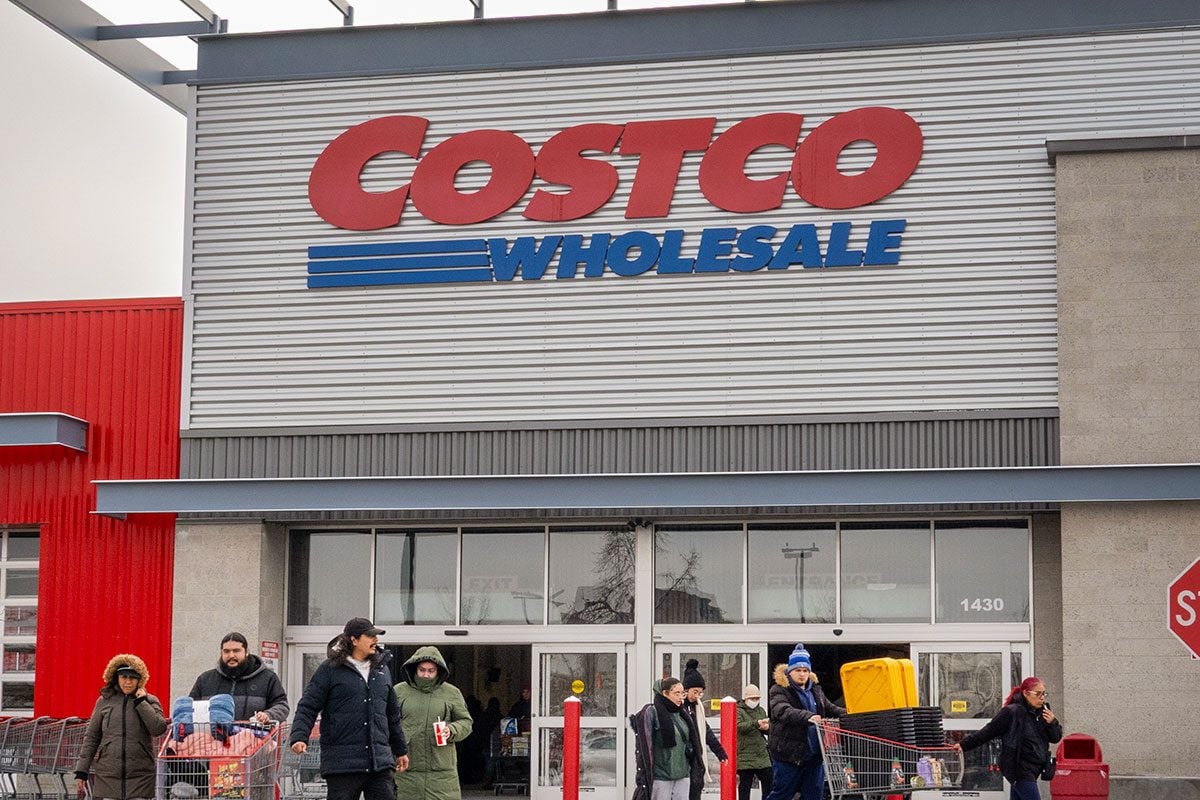
In everyday shopping, “buying wholesale” usually means purchasing larger quantities at a lower unit price. For consumers, this often happens at membership warehouse clubs such as Costco, Sam’s Club, and BJ’s Wholesale Club. For small businesses, it may mean buying directly from distributors, restaurant suppliers, liquidation sellers, or B2B wholesalers.
The key idea is simple: the more you buy, the less you may pay per ounce, pound, roll, bottle, or piece. That “may” is important. Wholesale shopping is not automatically cheaper. It only becomes cheaper when the lower unit price beats every hidden cost attached to the purchase.
The Real Secret: Unit Price Is the Only Price That Matters
The sticker price can be sneaky. A 30-ounce jar of pasta sauce for $7.99 may look expensive next to a 15-ounce jar for $4.99. But the bigger jar costs about 27 cents per ounce, while the smaller one costs about 33 cents per ounce. In that case, the larger size wins.
Unit price is the price per ounce, pound, gallon, square foot, diaper, tablet, or serving. It is the shopping math that tells the truth after the marketing department has finished wearing jazz hands.
Simple unit price formula
Item price ÷ item size = unit price
For example, if a 12-pound bag of rice costs $14.40, the unit price is $1.20 per pound. If a regular store sells a 5-pound bag for $6.75, the unit price is $1.35 per pound. Wholesale wins by 15 cents per pound.
That difference may sound tiny, but small savings become meaningful on products you buy repeatedly. A family that eats rice, oats, pasta, coffee, eggs, chicken, or snacks every week can save real money by watching the unit price instead of the package price.
When Buying Wholesale Is Usually Cheaper
Wholesale shopping tends to work best for items that meet three conditions: you use them often, they store well, and the unit price is clearly lower than other stores.
1. Paper goods and household basics
Toilet paper, paper towels, trash bags, aluminum foil, laundry detergent, dish soap, and cleaning supplies are classic wholesale winners. They do not spoil, most households use them regularly, and larger packages often offer lower unit costs.
The only catch is storage. A 30-roll pack of toilet paper is not a problem if you have a closet. It is a problem if you live in a studio apartment and your guests must sit next to it like it is a decorative ottoman.
2. Pantry staples
Rice, beans, flour, sugar, oats, pasta, canned tomatoes, broth, cooking oil, coffee, tea, spices, and baking supplies can be cheaper in bulk. These items are especially useful for families, meal preppers, frequent home cooks, and anyone who has ever looked at takeout prices and whispered, “Maybe I should learn soup.”
Still, pantry staples are not immortal. Flour can attract pests. Oils can go rancid. Spices lose flavor. Buying a five-pound container of paprika only makes sense if your kitchen runs like a barbecue restaurant or you are secretly feeding a paprika-loving dragon.
3. Meat, poultry, and seafood you can freeze
Wholesale clubs often offer competitive prices on chicken, ground beef, pork, salmon, shrimp, and other proteins. The savings become stronger if you portion and freeze the food immediately.
The mistake is buying a large tray of meat with a heroic plan and then letting it sit in the refrigerator until it becomes a science project. Bulk protein only saves money when you have freezer space, freezer bags, labels, and the discipline to divide it before your motivation evaporates.
4. Baby products and pet supplies
Diapers, wipes, formula, dog food, cat litter, and pet treats can be strong wholesale purchases because they are used consistently. The best deals usually depend on the brand, coupon availability, and whether your baby or pet suddenly changes preferences like a tiny, expensive executive.
Before buying a huge box of diapers, make sure the size will still fit long enough to use the whole package. Babies grow fast. They do not care about your unit-price spreadsheet.
5. Gas, prescriptions, and optical services
Warehouse clubs can sometimes save members money beyond groceries. Gasoline, pharmacy items, eyeglasses, contacts, tires, and travel services may offer competitive pricing. These categories can help justify the annual membership fee, especially for households that drive frequently or need recurring services.
When Wholesale Is Not Cheaper
Buying wholesale can absolutely cost more than shopping elsewhere. The problem is not just price. It is waste, storage, impulse buying, membership fees, and the psychological thrill of pushing a cart the size of a fishing boat.
1. Perishable food you cannot finish
Fresh berries, salad greens, avocados, bakery items, dips, dairy, and prepared foods are risky bulk purchases. A giant container of spinach may be cheaper per ounce, but if half of it turns into green sadness in the fridge, you did not save money. You sponsored compost.
Food waste is one of the biggest enemies of bulk savings. If you throw away 30% of what you buy, your “deal” may become more expensive than a smaller package from a regular grocery store.
2. Products you use slowly
Vitamins, over-the-counter medicine, sunscreen, skincare, makeup, spices, cooking oils, and specialty condiments can expire or degrade before you finish them. A giant bottle of ibuprofen may look practical until you realize it expires before your household can safely use it.
Bulk buying works best for predictable consumption. If you only use sesame oil twice a year, the gallon jug is not a bargain. It is a long-term roommate.
3. Items that are cheaper on sale elsewhere
Traditional grocery stores, Walmart, Target, Aldi, Lidl, dollar stores, and online retailers can beat wholesale prices during sales. Coupons, loyalty programs, cashback apps, clearance deals, and store-brand promotions can make smaller packages cheaper per unit than warehouse sizes.
This is why the smartest shoppers compare unit prices across stores. Wholesale clubs often win, but they do not win every aisle.
4. Trendy, seasonal, or impulse buys
Warehouse clubs are masters of temptation. You walk in for eggs and leave with a patio umbrella, a robot vacuum, a fleece-lined jacket, and a cheesecake big enough to settle a neighborhood dispute.
Seasonal items, limited-time foods, electronics, books, clothing, and home décor can be good deals. They can also be purchases you never planned to make. A discount is not savings if you would not have bought the item otherwise.
The Membership Fee Changes the Math
Wholesale shopping is not free. Most warehouse clubs require an annual membership. Standard memberships commonly cost around $60 to $65 per year, while premium memberships may cost around $120 to $130 per year. Premium tiers often include rewards, cashback, free shipping perks, or extra services.
To know whether membership is worth it, divide the annual fee by your expected savings. If your membership costs $65 and you save $10 per month, you save $120 per year before the fee. After subtracting the membership cost, your net savings are $55. Good deal.
But if you only shop there four times a year and save $8 per trip, you save $32 total. After a $65 membership fee, you are down $33. Congratulations, your bargain wore a fake mustache.
Break-even example
If a warehouse membership costs $65 per year and your average savings are 15% compared with other stores, you need to spend about $434 annually on qualifying purchases to break even. That is because 15% of $434 is about $65.
If your savings are only 8%, you need to spend about $813 to break even. If your savings are 20%, you need about $325 in purchases. The higher your real savings rate, the easier it is to justify the membership.
Wholesale vs. Grocery Stores: Which Is Better?
Regular grocery stores often win on flexibility. You can buy smaller quantities, use weekly coupons, choose from more brands, and avoid paying a membership fee. They are also better for fresh produce if you shop for one or two people and do not want your refrigerator packed like a vegetable nightclub.
Wholesale clubs often win on staples, household goods, meat, dairy, frozen foods, party supplies, and high-volume products. They are especially helpful for large families, small businesses, shared households, home cooks, and anyone who hosts often.
The best answer is not “wholesale or grocery store.” It is “use each store for what it does best.” Buy bulk paper towels at the warehouse. Buy one bunch of cilantro at the grocery store. Nobody needs three pounds of cilantro unless they are opening a taco truck or apologizing to a salsa competition.
Wholesale vs. Walmart, Target, Aldi, and Online Stores
Big-box and discount stores are serious competition. Walmart and Target often have strong prices on household basics, personal care items, pantry goods, and store brands. Aldi and Lidl can be extremely competitive on groceries, especially smaller packages and private-label foods.
Online stores may win on subscribe-and-save discounts, specialty products, and price tracking. However, shipping costs, minimum purchase requirements, and dynamic pricing can make online deals less predictable.
Wholesale clubs are not always the cheapest store in town. They are often the cheapest for certain categories, especially when you compare unit prices and avoid waste.
Best Things to Buy Wholesale
- Toilet paper and paper towels
- Laundry detergent and dish soap
- Trash bags and food storage bags
- Rice, beans, oats, and pasta
- Canned goods and broth
- Coffee and tea
- Frozen fruit and vegetables
- Meat and seafood you can portion and freeze
- Eggs, cheese, and butter for households that use them often
- Pet food and litter
- Baby wipes and diapers, if the size is right
- Gas, tires, prescriptions, and optical services when priced competitively
Worst Things to Buy Wholesale
- Fresh produce you cannot finish quickly
- Large bakery items without a plan
- Spices you rarely use
- Cooking oils that may go rancid
- Vitamins and medicine near expiration
- Skincare, sunscreen, or cosmetics in oversized packages
- Trendy snacks you have never tried before
- Clothing bought only because it is “a deal”
- Electronics without comparing prices elsewhere
- Anything that requires storage space you do not have
How to Tell If a Wholesale Deal Is Actually a Deal
Step 1: Compare unit price
Always compare cost per ounce, pound, gallon, serving, roll, sheet, tablet, or diaper. Ignore the dramatic size of the package. Big does not automatically mean cheap.
Step 2: Subtract waste
If you expect to throw away 20% of a product, increase the real cost by 20%. That giant salad mix is not cheaper if half of it becomes refrigerator confetti.
Step 3: Add the membership fee
Spread your annual membership cost across your purchases. If you shop monthly, a $60 membership adds about $5 per trip before you save anything.
Step 4: Consider storage
If you need to buy shelving, freezer bags, containers, or a second freezer, those costs matter. Bulk buying requires a system.
Step 5: Check sale prices elsewhere
Before assuming wholesale wins, compare against local grocery sales, discount stores, and online prices. A smaller sale item may beat a warehouse pack.
Who Saves the Most by Buying Wholesale?
Wholesale shopping usually works best for larger households, families with children, pet owners, small businesses, meal preppers, home bakers, and people with enough storage space. These shoppers can use products before they expire and spread the membership cost across frequent purchases.
It can also work well for roommates or extended families who split bulk purchases. Two households sharing a large pack of toilet paper, chicken, rice, or snacks may get the benefits of wholesale pricing without the chaos of storing everything alone.
Who Should Be Careful With Wholesale Shopping?
Single shoppers, couples with limited storage, people who travel often, and anyone on a tight weekly cash budget should be careful. Wholesale shopping often requires more money upfront. A product may be cheaper per unit but still cost more today.
For example, spending $42 on a bulk pack of household supplies may save money over three months. But if your grocery budget for the week is $75, that purchase could crowd out fresh food, transportation, or other essentials. Saving money later is helpful only if it does not make this week harder.
The Psychology of Wholesale Shopping
Warehouse clubs are designed to make you feel like every purchase is smart. The high ceilings, giant carts, limited-time items, and treasure-hunt layout create excitement. You feel productive just being there. Even the cereal boxes look like they have been working out.
This can lead to “deal justification,” where you buy something because the discount feels too good to ignore. But the best shoppers do not ask, “Is this cheap?” They ask, “Would I buy this anyway, and will I use all of it?”
That question alone can save more money than any membership card.
A Practical Wholesale Shopping Strategy
Start with a short list of products your household uses every month. Track the regular store price and the wholesale unit price. Focus on ten to fifteen repeat purchases, such as toilet paper, detergent, rice, eggs, chicken, coffee, canned tomatoes, dog food, or diapers.
Next, estimate how often you will shop at the warehouse club. If you go once a month and stick to your list, the membership may pay off. If you go once a quarter and treat every trip like a treasure hunt with fluorescent lighting, the savings may disappear.
Finally, build storage habits. Label freezer items with dates. Keep older pantry goods in front. Split purchases with friends when needed. Make a “use first” shelf for foods close to expiration. Wholesale shopping rewards organization. It punishes chaos with stale crackers.
Real-Life Experience: What Buying Wholesale Feels Like After the Receipt
The first time many shoppers try buying wholesale, the experience feels oddly powerful. You are not merely buying groceries. You are acquiring supplies. You are preparing. You are becoming the kind of person who owns backup ketchup.
At checkout, though, the total can be shocking. A regular grocery run might cost $85. A wholesale run can easily hit $250 because the cart contains larger quantities. This is where many people panic and assume wholesale is expensive. But the better question is not, “Was this trip expensive?” It is, “How long will this trip last?”
For example, a household might spend $260 at a warehouse club on toilet paper, detergent, eggs, frozen berries, chicken breasts, coffee, rice, snacks, and dog food. That sounds high. But if those items replace several weeks of smaller purchases, the monthly average may be lower. The problem happens when the household still makes normal grocery trips afterward and treats the wholesale haul as “extra.” Then wholesale does not replace spending. It multiplies it.
One of the most common lessons is that bulk shopping changes your kitchen behavior. If you buy a large bag of frozen vegetables, you are more likely to toss vegetables into soups, stir-fries, and rice bowls. If you buy a huge pack of chicken and portion it properly, dinner becomes easier. But if you buy a giant tray of muffins, the household may suddenly discover a deep emotional commitment to eating muffins at 10 p.m.
Another real experience is storage pressure. Bulk products look smaller in the store because the building is massive. At home, the same package looks like it has expanded during the car ride. A case of paper towels that seemed reasonable under warehouse lighting can dominate a hallway closet like a fluffy white fortress.
Many shoppers also learn that variety matters. Buying one huge box of a snack can become boring halfway through. Smaller packages from regular stores may cost more per ounce, but they allow variety and reduce waste. This is especially true for kids, who may love granola bars on Monday and declare them “ancient history” by Thursday.
The best wholesale experience comes from treating the warehouse like a tool, not a theme park. Go in with a list. Eat before you shop. Compare unit prices. Skip products you cannot store, freeze, or finish. Avoid buying new foods in giant quantities unless you have tried them before. A 48-pack is not the ideal format for discovering that your family hates something.
Over time, smart shoppers develop a personal wholesale list. Maybe coffee is always cheaper there. Maybe eggs are worth it, but produce is not. Maybe gas savings alone justify the membership. Maybe the bakery section is delicious but financially dangerous because no one in the house has ever shown restraint around cake.
The real magic is not buying everything wholesale. It is knowing which things deserve bulk treatment and which things should stay small. Wholesale shopping can save money, time, and stress when it matches your household habits. But when it fights your habits, it becomes expensive clutter with a membership card.
Conclusion: Is Buying Wholesale Really Cheaper?
Yes, buying wholesale can be cheaper than other stores, but only when the lower unit price survives the real-world test: membership fees, storage space, expiration dates, waste, and impulse spending.
Wholesale is usually a smart move for non-perishables, household staples, frequently used pantry items, freezer-friendly foods, pet supplies, baby products, and services like gas or optical care. It is usually risky for fresh produce, oversized snacks, unfamiliar foods, slow-use products, and anything bought just because it looks like a bargain.
The golden rule is simple: buy wholesale only when you know you will use it, store it, and pay less per unit than you would elsewhere. Otherwise, that “deal” may just be an expensive pile of good intentions wearing a bulk-size label.
Note: This article is based on current U.S. consumer shopping guidance, warehouse club membership information, food safety recommendations, unit-pricing principles, and real-world price comparison practices. Prices and promotions can vary by location, date, membership tier, and retailer.