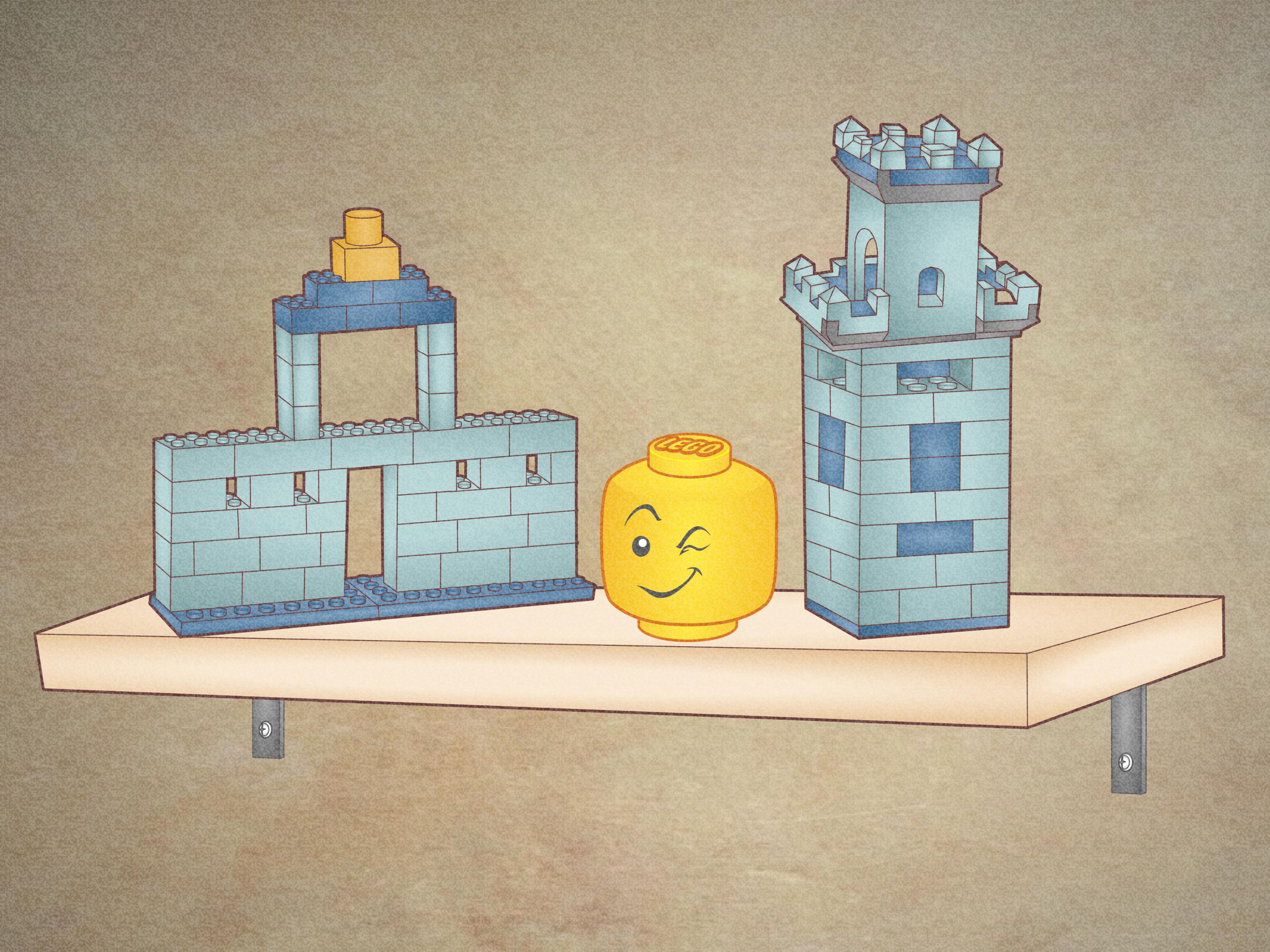
There are two kinds of LEGO builders: the ones who finish a set, admire it for five minutes, and then casually move on with life, and the ones who stand in front of a completed build like it just won an architectural award. If you are reading this, there is a strong chance your LEGO spaceship, city block, castle, botanical bouquet, or tiny plastic sports car has become part of the household. The only problem? Built LEGO sets do not magically come with extra square footage.
Learning how to store LEGO sets that are built is different from organizing loose bricks. A finished set needs protection, display space, stability, dust control, and a plan for what happens when the collection grows from “just one shelf” to “why is there a pirate ship in the dining room?” Whether you are organizing a child’s bedroom, an adult LEGO collection, a family playroom, or a serious display wall, the goal is simple: keep the builds safe, visible, and easy to enjoy without turning your home into a colorful obstacle course.
The best LEGO storage ideas for completed sets combine practical organization with a little showmanship. Built sets deserve to be seen, but they also need to be protected from direct sunlight, heat, dust, curious pets, enthusiastic kids, and the occasional sleeve-swipe disaster. Below are nine smart, realistic, and good-looking ways to store built LEGO sets while keeping your space tidy and your builds intact.
1. Use Floating Shelves for Clean, Vertical LEGO Display
Floating shelves are one of the easiest ways to store built LEGO sets because they use vertical wall space instead of valuable floor space. They also make finished builds look intentional, like curated collectibles rather than toys that accidentally wandered onto a bookcase and never left.
This method works especially well for medium-size LEGO sets such as LEGO Architecture skylines, LEGO Ideas builds, LEGO Botanical Collection sets, Star Wars helmets, small vehicles, and modular mini displays. Floating shelves create a clean visual line, and you can install them above desks, beds, dressers, or reading corners.
How to make floating shelves work better
Choose shelves that are deep enough for the set’s footprint. A narrow shelf may look sleek, but if the front wheels of a LEGO car are hanging over the edge, that is not storage; that is suspense. Measure the length, width, and height of your builds before buying shelves. Leave extra space around each set so you can dust it, pick it up, or add small accessories without bumping neighboring builds.
For rooms used by children, secure shelves properly and avoid placing heavy sets high above beds or play areas. In family spaces, arrange built LEGO sets by theme or color. A row of botanical builds can look surprisingly elegant, while a Star Wars shelf can become a mini galaxy that does not require its own zip code.
2. Store Built LEGO Sets in Glass Display Cabinets
If your biggest enemy is dust, a glass display cabinet may be your best friend. Cabinets with glass doors allow you to enjoy completed LEGO sets while keeping them protected from everyday dust, pet hair, and accidental contact. This is a strong option for collector sets, retired sets, delicate builds, and display-worthy models that took many hours to assemble.
Glass cabinets are ideal for adult LEGO collectors, shared living spaces, home offices, and hobby rooms. They give built LEGO sets a museum-like feeling without requiring museum-level security. A cabinet also helps create boundaries: when the cabinet is full, it is time to rotate, reorganize, or accept that your LEGO hobby has entered its “needs a floor plan” era.
Best sets for glass cabinets
Use display cabinets for fragile or detailed builds such as LEGO Icons vehicles, LEGO Ideas sets, LEGO flowers, modular buildings, display helmets, and limited-edition collectibles. If the cabinet has adjustable shelves, customize the spacing so taller builds have breathing room. For very large sets, check weight limits and shelf depth carefully before committing.
To reduce fading or discoloration, keep the cabinet away from direct sunlight and heat sources. LEGO recommends storing bricks somewhere dry, away from direct sun, and away from temperatures above 104°F. That rule matters even more when the set is built and displayed long-term.
3. Turn Bookcases Into LEGO Display Zones
A sturdy bookcase is one of the most flexible LEGO set storage solutions. It can hold small builds, large sets, instruction binders, minifigure cases, storage bins, and decorative items all in one place. Unlike floating shelves, bookcases are easy to rearrange and do not require drilling into every available wall.
Bookcases are especially useful for families because they can combine display and function. The top shelves can hold finished builds, while lower shelves can store loose bricks, unfinished projects, extra pieces, and instruction manuals in labeled containers. This keeps the LEGO system together instead of spreading bricks, books, and builds across five rooms like a plastic treasure hunt.
Make bookcases safer and neater
Anchor tall bookcases to the wall, especially in homes with young kids or pets. Place heavier LEGO builds on lower shelves and lighter sets higher up. Do not overload shelves, and avoid stacking built sets directly on top of each other unless they are designed to connect that way.
For a polished look, group sets by theme. For example, one shelf can hold city buildings, another can hold vehicles, and another can hold fantasy or space builds. Add a little empty space between displays. Your LEGO collection should look exciting, not like every minifigure is waiting in line at airport security.
4. Use Cube Storage for Built Sets and Supplies
Cube storage units are popular for toy organization because they are simple, modular, and easy to adapt. They work beautifully for built LEGO sets, especially when you want a mix of open display and hidden storage. A cube shelf can hold completed builds in open compartments while fabric bins or clear containers hide loose bricks and spare parts.
This method is great for kids’ rooms, playrooms, apartments, and shared spaces where the LEGO collection needs to look tidy fast. Cube units also make it easier to create zones. One cube can be for finished builds, one for “currently building,” one for extra pieces, and one for instruction manuals.
How to organize a cube unit
Use open cubes for display-worthy sets and bins for the messier parts of the hobby. Clear bins are useful when you want to see what is inside, while fabric bins create a calmer look in living rooms or bedrooms. Add labels so everyone knows where things belong. Labels may sound boring, but they are the tiny superheroes of home organization.
If you have a child who loves rebuilding sets, keep each set’s spare pieces and instruction booklet in a labeled bag or container near the displayed model. That way, if a roof tile pops off or a spaceship loses a wing, the repair kit is not buried under a mountain of unrelated bricks.
5. Protect Valuable Builds With Acrylic Display Cases
Acrylic display cases are excellent for storing special built LEGO sets that need extra protection. They keep dust off, reduce accidental touching, and give a collectible feel to favorite builds. Acrylic cases are especially useful for sets with many small exposed details, such as display cars, architecture models, spacecraft, dioramas, and minifigure-heavy scenes.
Unlike a large cabinet, an acrylic case can protect one specific set. That makes it ideal when you have one star of the collection, such as a LEGO Millennium Falcon, a detailed sports car, a modular building, or a delicate floral arrangement. The case becomes a clear little force field against dust, paws, and the mysterious household phenomenon known as “I barely touched it.”
What to consider before buying a case
Measure the completed set carefully, including height, width, depth, and any pieces that extend outward. Leave a little clearance on every side so the model does not scrape against the case. If the set sits on a custom base, measure the base too.
Place acrylic cases away from windows and direct sunlight. Although cases help protect against dust, they do not automatically solve heat or UV exposure. For long-term storage, a dry, stable indoor location is still the safest choice.
6. Create a Dedicated LEGO Closet With Shelves
If your LEGO collection has outgrown casual display space, a dedicated closet can be a game changer. A closet with built-in shelves or adjustable shelving gives you a protected storage zone for built sets, unfinished projects, boxes, instructions, and spare parts. Close the door, and suddenly the room looks clean. Open it, and there is your tiny plastic kingdom.
This is one of the best options for collectors who rotate displays. Not every set needs to be out all the time. Some built LEGO sets can rest safely in a closet while others take the spotlight. This keeps your home from feeling cluttered and makes older builds feel fresh again when you bring them back out.
How to set up a LEGO closet
Use adjustable shelves so you can change the height as your collection changes. Store the largest and heaviest sets on lower shelves. Keep instruction manuals in magazine holders or binders. Place spare parts in labeled bags or small containers by set number or theme.
For extra protection, use clear lidded bins for smaller completed builds that are not currently on display. If a set is too fragile to move often, photograph it before storing so you remember how it should look if pieces shift. This is especially helpful for kids’ custom builds, which often come with titles like “Super Mega Dragon Base 3000” and absolutely no instructions.
7. Use Under-Bed Storage for Low-Profile Built LEGO Sets
Under-bed storage is not just for seasonal blankets and forgotten socks. It can also work for low-profile built LEGO sets, especially flat builds, small vehicles, baseplate scenes, and partially completed projects. This method is useful in small bedrooms, dorm-style spaces, apartments, and kids’ rooms where vertical display space is limited.
The key is to choose shallow, sturdy containers with lids. The container should be tall enough that the build does not press against the lid. Clear rolling bins are especially convenient because you can see what is inside and slide the container out without shaking the set like a snow globe.
What works best under the bed
Use this storage method for builds that are stable and not too tall: LEGO city roads, small houses, race cars, flat dioramas, or sets on baseplates. Avoid storing fragile towers, tall ships, or models with delicate antennas under the bed unless they are in a custom-height container.
Add a label to each bin so you do not have to open everything to find one set. If the build has loose accessories, place them in a small zippered bag inside the same container. That way, the tiny coffee mug, sword, croissant, or one mysterious gray connector does not vanish into the carpet dimension.
8. Rotate Built LEGO Sets Seasonally
One of the smartest ways to store built LEGO sets is not to display all of them at once. Rotating sets seasonally keeps your home organized and makes the collection more fun. You might display winter village sets during the holidays, flowers and garden builds in spring, beach or travel sets in summer, and spooky castles or haunted houses in fall.
This strategy works well for both kids and adults. It reduces visual clutter, protects sets from constant exposure, and gives every build a chance to shine. It also helps prevent shelf overcrowding, which is where good LEGO displays go to become plastic traffic jams.
How to rotate without losing pieces
Before storing a set, dust it gently and check for loose parts. Take a quick photo from the front, back, and sides. Store the set in a labeled container, cabinet, or closet shelf. Keep the instruction booklet and extra pieces nearby.
Create a simple rotation schedule if your collection is large. For example, display ten favorite sets for three months, then swap five of them. This keeps the room fresh without requiring a full weekend of reorganizing. For families, let kids choose a “featured build of the month.” It gives them ownership and makes cleanup feel less like a chore and more like managing a tiny art gallery.
9. Store Built LEGO Sets on Display Tables or Activity Tables
A display table or activity table is perfect for built LEGO sets that are still being played with. Some LEGO creations are not meant to sit untouched behind glass. They need roads, battles, gardens, train tracks, secret bases, and dramatic minifigure conversations. A table gives these builds a dedicated home while keeping them off the floor.
This method works especially well for LEGO City layouts, train sets, castle scenes, Minecraft worlds, and custom builds. A table can be placed in a playroom, bedroom, basement, or hobby space. Add storage underneath for loose bricks, extra baseplates, instruction manuals, and repair pieces.
Make the table more organized
Use trays, shallow bins, or drawer units under the table to separate accessories. Keep frequently used bricks within reach and less-used parts in labeled storage. If the table is for kids, make sure it is at a comfortable height so they can build and clean up independently.
For adults, a display table can become a serious layout zone. Add risers to create levels, use baseplates to stabilize scenes, and leave enough space around each model so it does not feel cramped. Just remember: every LEGO table starts as “a small setup” and somehow becomes a city with zoning laws.
Extra Tips for Keeping Built LEGO Sets Safe
Storing built LEGO sets is not only about where they go. It is also about how well they survive once they get there. A few habits can help keep your completed builds looking clean, stable, and display-ready.
Keep LEGO away from direct sunlight and heat
LEGO bricks can discolor or become brittle over time when exposed to direct sunlight or high heat. Avoid windowsills, hot attics, garages, and spaces near radiators or heating vents. A cool, dry indoor room is best for long-term storage.
Dust gently and regularly
Dust is the silent villain of LEGO display. Use a soft makeup brush, small paintbrush, microfiber cloth, or gentle air blower to remove dust from studs and small details. Avoid aggressive scrubbing while the model is assembled, especially on fragile sections.
Store instructions and spare parts together
Every built set should have a backup plan. Keep instruction manuals in binders, magazine files, or labeled folders. Store spare pieces in small bags labeled by set name or number. When a tiny piece falls off, you will thank yourself for not creating a mystery parts drawer.
Do not overcrowd displays
A crowded shelf makes it hard to see individual builds and increases the chance of accidental damage. Leave space between models. If you cannot see the set clearly, it may be time to rotate or store a few builds elsewhere.
Real-Life Experience: What Actually Works When Storing Built LEGO Sets
In real homes, LEGO storage has to survive real life. That means pets jump, kids reach, shelves get dusty, and adults swear they are “only buying one more set” before somehow needing another bookcase. The best storage system is not always the most expensive one. It is the one that matches how the LEGO sets are actually used.
For families with younger builders, open shelves and cube storage usually work better than sealed display cabinets. Kids want to touch their builds, change them, rebuild them, and proudly show them to anyone who enters the room, including delivery drivers. In that situation, a low bookcase or cube unit is practical because completed sets stay visible but reachable. The lower shelves can hold active builds, while higher shelves can protect special creations that are “look but do not launch across the room” models.
For adult collectors, dust control becomes much more important. A large detailed set can look incredible on an open shelf for the first month, then slowly collect dust in every tiny stud, grille, and flower petal. Glass cabinets and acrylic cases are worth considering for collector builds because they reduce maintenance. They also make a LEGO display look more intentional in shared spaces. A living room shelf with one carefully displayed LEGO typewriter or orchid can look stylish. A living room shelf crammed with twelve unrelated sets can look like the toys held a meeting and forgot to leave.
One practical lesson is to measure before buying storage. Built LEGO sets are often wider, taller, or more awkwardly shaped than expected. A spaceship may have wings that extend beyond the main body. A modular building may fit in height but not in depth. A car may need extra space so mirrors and spoilers do not scrape the side of a cabinet. Measuring prevents the classic mistake of buying a beautiful shelf and then realizing your favorite set hangs off the edge like it is contemplating escape.
Another lesson is to store by “use level.” Display favorites where they can be admired every day. Put seasonal sets in labeled bins or closets. Keep fragile collector sets protected. Keep play sets accessible. This approach works better than trying to treat every build the same. A LEGO holiday village and a LEGO race car used for daily play do not need identical storage.
Finally, build in room for growth. LEGO collections almost never stay the same size. A storage system that is already full on day one will become frustrating quickly. Leave at least one empty shelf, one spare bin, or one flexible zone for future builds. Think of it as breathing room for creativity. Or, more honestly, as a safe landing zone for the next set you promised you were not going to buy.
Conclusion
Storing built LEGO sets is part organization, part display design, and part emotional support for people who cannot bear to take apart a finished masterpiece. The best solution depends on your space, collection size, budget, and how often the sets are played with. Floating shelves are great for vertical display. Glass cabinets and acrylic cases protect valuable builds. Bookcases and cube units offer flexible everyday storage. Closets, under-bed bins, and seasonal rotation help manage larger collections without overwhelming your home.
The main rule is simple: protect the build, respect the space, and make the system easy to maintain. Keep LEGO sets away from heat and direct sunlight, dust them gently, label spare parts, and avoid overcrowding. Whether you are displaying one favorite set or managing a growing LEGO empire, smart storage helps your builds stay beautiful, safe, and ready to impress. After all, you spent hours assembling those tiny bricks. They deserve better than being shoved behind a laundry basket.