Note: This original, publish-ready article synthesizes real feline behavior, kitten safety, indoor enrichment, and animal-welfare information from reputable veterinary and cat-care resources.
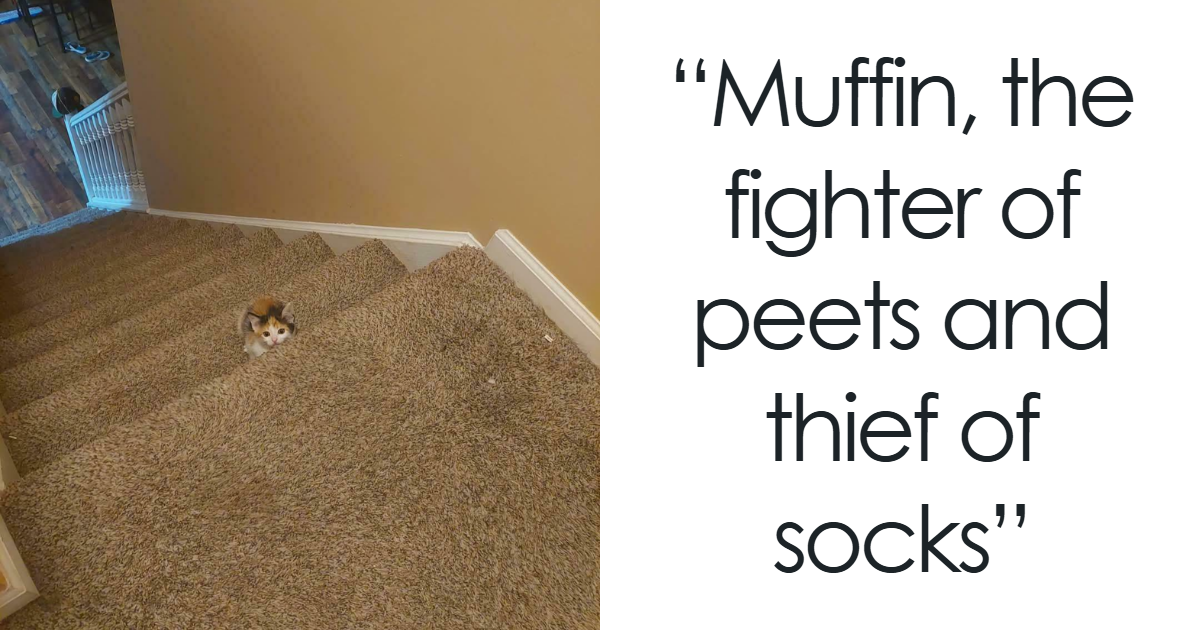
There are few internet experiences more emotionally dangerous than seeing a tiny cat in a comically oversized space. A kitten sitting in the middle of a staircase like a lost bread crumb. A baby tabby swallowed by a giant dog bed. A small orange fluffball tucked into a laundry basket with the confidence of a CEO and the physical presence of a warm biscuit. These images are funny, yes, but they also activate something deeper: the immediate human urge to whisper, “I would defend you with my life,” even if the cat is currently plotting to attack a shoelace.
The appeal of tiny cats in big spaces is not just about cuteness. It is contrast. It is vulnerability. It is the dramatic difference between a kitten’s microscopic paws and the huge world around them. A tiny cat on a big couch looks like a brave explorer crossing the tundra. A kitten in a huge kitchen looks like a chef who forgot the recipe but remembered the attitude. The scale makes them look fragile, heroic, ridiculous, and precious all at once.
But behind the humor is real feline behavior. Cats naturally seek secure spaces, soft resting spots, high perches, hiding areas, and places where they can observe without feeling exposed. Kittens, especially, are learning how the world works through exploration, play, scent, texture, and cautious little missions that often end with them falling asleep in the least convenient location possible.
Why Tiny Cats Look So Emotional in Big Spaces
Human brains are highly responsive to baby-like features: small bodies, round faces, large eyes, soft movements, and obvious dependence. Tiny kittens deliver all of that in one fuzzy package. Now place that kitten in a large hallway, an empty room, a full-sized bed, or a giant pet carrier, and the emotional volume goes from “cute” to “somebody get this baby a tiny crown and a security detail.”
The big space makes the cat look smaller than it actually is. A normal kitten becomes a heroic speck. A small cat in a giant chair becomes a living optical illusion. That contrast creates a protective response because the animal appears more vulnerable, even when the cat itself is probably feeling completely fine and judging everyone silently.
The Comedy of Scale
Scale is one of the oldest tricks in visual humor. A tiny cat on a massive sofa is funny for the same reason a toddler wearing adult sunglasses is funny: the proportions are wrong in the best possible way. The cat does not know it looks tiny. It sits there with full dignity, as if the entire room was built for its personal use. That is the magic. The cat is small; the confidence is skyscraper-sized.
The Protective Instinct
When a kitten appears alone in a large environment, we instinctively imagine danger, even if the danger is just a throw pillow. This is why photos of tiny cats in big spaces feel bittersweet. We laugh, then immediately want to pick them up, warm them like a pastry, and make sure nobody has ever said a rude word to them.
50 Tiny Cat Moments That Belong in the Hall of Small Fame
Not every adorable cat photo needs a complicated caption. Sometimes the visual does all the work. Still, if you are building a gallery, blog post, or social feature around tiny cats in big spaces, these are the kinds of moments that make readers stop scrolling and emotionally sign adoption papers for a cat they have never met.
- A kitten sitting in the center of a king-size bed like it has conquered a snowy kingdom.
- A tiny ginger cat curled inside a giant bean bag, legally classified as a cheese puff.
- A baby tabby peeking from a wardrobe drawer, looking like a secret discovered by accident.
- A kitten sleeping on a large dog’s back, because luxury bedding has four legs.
- A small cat on a wide staircase, giving “lost prince in a dramatic fantasy movie.”
- A tiny black kitten in an empty bathtub, questioning the architecture.
- A little calico in a huge cardboard box, already planning real estate expansion.
- A kitten on a massive windowsill, watching birds like a tiny neighborhood detective.
- A small white cat in a laundry basket, blending in like a sock with opinions.
- A kitten in a giant pet bed, using one corner and ignoring the rest for artistic reasons.
- A tiny cat standing in the middle of a living room rug as if preparing a speech.
- A kitten under a dining table, surrounded by chair legs like a wooden forest.
- A small tabby in a kitchen cabinet, officially promoted to snack inspector.
- A kitten stretched across one square of a huge blanket, exhausted from being adorable.
- A tiny cat in a suitcase, ready for a business trip to the snack bowl.
- A kitten on a large bookshelf, looking like the author of several mysterious novels.
- A small orange cat in a sink, because water is terrifying but porcelain is premium.
- A kitten in a hallway, walking toward the camera like a tiny celebrity on a red carpet.
- A little tuxedo cat inside a large paper bag, pretending this is a normal lifestyle choice.
- A baby cat on a huge office chair, ready to approve zero emails.
- A kitten beside a full-grown cat, looking like the “before” photo in a magic spell.
- A small cat inside a closet, surrounded by shoes like a dragon guarding treasure.
- A tiny kitten curled in a human hoodie, becoming fashion and emotional support at once.
- A cat barely visible in a giant cat tree, proving vertical space matters.
- A kitten on a porch step, bravely inspecting the outside world one whisker at a time.
- A tiny gray cat on a large couch cushion, resembling a dust bunny with ambitions.
- A kitten inside a cereal box, making breakfast more emotionally complicated.
- A little cat in a shopping tote, ready to be carried like royalty.
- A kitten in a large play tunnel, visible only as two glowing eyes and a questionable plan.
- A small cat hiding behind curtains, convinced nobody can see the tail.
- A kitten in a large crate with one toy, acting like it owns a studio apartment.
- A tiny cat on a piano bench, preparing a dramatic ballad called “Where Is My Food?”
- A kitten in the middle of a hardwood floor, looking too small for gravity.
- A baby cat asleep in a mixing bowl, accidentally becoming dessert.
- A tiny cat in a stroller basket, supervising errands with tiny royal seriousness.
- A kitten sitting on a huge pillow, sinking gently into cloud life.
- A small cat in a large garden pot, now identifying as a rare houseplant.
- A kitten in a wide doorway, deciding whether adventure is worth leaving the room.
- A tiny cat under a bed, visible only by ears and confidence.
- A baby cat on a large desk, interrupting productivity with illegal levels of charm.
- A kitten inside a delivery box, proving shipping delays can be adorable.
- A tiny cat beside a giant water bowl, staring at it like a mysterious lake.
- A small cat on a yoga mat, refusing to stretch but accepting praise.
- A kitten in a big carrier, turning travel anxiety into a pocket-sized opera.
- A tiny cat in a hallway corner, pretending to be furniture.
- A kitten on a huge blanket pile, living inside a mountain range of fleece.
- A small cat beside a vacuum cleaner, bravely confronting the household dragon.
- A baby cat on a large windowsill at sunset, looking like the final scene of a tiny movie.
- A kitten in a massive cardboard fort, clearly the mayor of Box City.
- A tiny cat asleep in the center of a room, reminding everyone that peace can be very small.
Why Cats Love Small Spots Inside Big Places
One of the funniest things about cats is that they may live in an entire house but choose one shoebox as headquarters. This is not random. Cats are both predators and animals that can feel vulnerable, especially when young, stressed, or adjusting to a new environment. A hiding spot lets them watch the world without feeling fully exposed.
Cardboard boxes, carriers, covered beds, tunnels, and blanket forts offer what many cats crave: security, warmth, texture, and control. The big room may be interesting, but the small nook is safe. That is why a kitten may explore the living room for two minutes, then sprint back into a box as if returning to a secret military base.
Safe Spaces Help Cats Feel Confident
A healthy indoor environment gives cats choices. They need places to eat, drink, scratch, climb, hide, rest, and play. For kittens, a large home can feel overwhelming at first. A small “safe room” with food, water, litter, bedding, toys, and a hiding spot can help them settle in gradually. Once they feel secure, they can explore more space at their own pace.
This is especially important for newly adopted kittens or shy cats. Throwing a tiny cat into a huge house and expecting instant confidence is like dropping a human into an airport and saying, “Good luck, you live here now.” Cats appreciate territory they can understand. Start small, let them sniff, let them observe, and let them decide when the kingdom should expand.
The Big Space Should Be Safe, Not Scary
Those viral photos of tiny cats in big spaces are adorable, but real-life kitten safety matters. Before allowing a kitten to roam widely, remove hazards such as loose cords, toxic plants, sharp objects, small items they could swallow, open appliances, unstable furniture, and gaps behind cabinets where a curious cat could get stuck. Kittens are basically tiny scientists with no funding, no supervision, and a shocking willingness to test gravity.
Kitten-Proofing Tips for Big Rooms
Large rooms should include cat-friendly “landmarks” that make the space easier to navigate. Add a scratching post, a cozy bed, a water bowl placed away from food, a clean litter box in an accessible area, and a few safe hiding spots. If the room has tall furniture, make sure anything climbable is stable. If the kitten can get under something, check that it can also get back out.
Vertical space is also helpful. Cat trees, window perches, sturdy shelves, and climbing structures give cats a sense of control. A tiny kitten on a big cat tree may look hilarious, but that perch can become a confidence-building lookout tower. From up high, even the smallest cat can survey the land and decide whether the dust bunny under the sofa is friend, foe, or lunch.
How to Photograph Tiny Cats in Big Spaces
If you want to capture adorable cat moments without stressing your pet, patience is everything. Never force a cat into a scene just for a photo. Instead, create safe, inviting spaces and let the cat explore naturally. Put a soft blanket in a large basket. Leave a cardboard box open. Place a toy near a sunny patch of floor. Then wait. Cats are much funnier when they believe the idea was theirs.
Use Natural Light and Give Them Room
Natural light makes cat photos warmer and softer. Big spaces such as bedrooms, staircases, hallways, and living rooms work well because they exaggerate the kitten’s size. Shoot from a low angle to make the space feel even larger. Keep the background uncluttered so the tiny cat remains the emotional star of the scene.
Most importantly, watch body language. A relaxed kitten may have soft eyes, a loose body, forward or neutral ears, and playful curiosity. A stressed kitten may crouch, hide tightly, flatten the ears, tuck the tail, hiss, or avoid interaction. Cute photos are not worth making a cat uncomfortable. The best image is one where the kitten feels safe enough to be its weird, tiny self.
Why These Photos Go Viral
Photos of tiny cats in big spaces are perfect internet fuel because they combine three powerful ingredients: cuteness, humor, and emotional storytelling. You do not need a long explanation to understand a kitten sitting in a giant shoe. The image creates an instant story. Is the kitten moving in? Is the shoe now a studio apartment? Has the cat defeated the human foot and claimed the territory? The possibilities are endless.
These images are also highly shareable because they are gentle. They do not require controversy, outrage, or complicated context. They simply offer a tiny living creature being impossibly small in a world that looks too large. In a noisy online environment, that kind of softness feels like a warm blanket for the brain.
What Tiny Cats Teach Us About Care
The best part of loving tiny cat photos is that they can make us better cat people. When we notice how small a kitten looks in a big space, we are reminded that animals experience the world differently than we do. A room that feels normal to us may feel enormous to a new kitten. A loud vacuum may feel like thunder. A hallway may feel like a marathon. A cardboard box may feel like home.
Good cat care is not about filling a house with expensive products. It is about understanding feline needs. Cats need safety, choice, routine, enrichment, play, scratching surfaces, clean resources, gentle handling, and respect for their boundaries. A kitten who has places to retreat will often become more confident, not less. A cat who can climb, hide, scratch, chase, and rest is more likely to thrive indoors.
Experience Section: Living With the Drama of Tiny Cats in Big Spaces
Anyone who has lived with a kitten knows that big spaces turn ordinary life into a miniature adventure film. The first time a tiny cat enters a living room, the room suddenly looks enormous. The sofa becomes a cliff. The rug becomes a continent. The coffee table becomes a suspicious structure that must be inspected from every angle, preferably at 2 a.m. with the urgency of a detective solving a very fluffy crime.
One of the most relatable experiences is watching a kitten discover a large bed. At first, the kitten may approach the bed like it is a mountain. Then comes the jump attempt. Sometimes it succeeds. Sometimes it becomes a soft, silent bounce against the mattress followed by an offended stare, as if gravity has personally betrayed the family. Once the kitten finally reaches the top, the entire bed becomes a luxury resort. Naturally, the cat chooses the smallest corner or sleeps directly on the human’s pillow, because boundaries are a decorative concept.
Big spaces also reveal how cats build confidence. A shy kitten may begin by hiding under a chair, then move to the edge of the rug, then finally cross the room with the slow determination of a tiny explorer. Every successful trip matters. The kitten learns the sound of the refrigerator, the shape of the hallway, the safe route to the litter box, and the exact spot where sunlight appears in the afternoon. These little discoveries are not just cute; they are part of adjustment, learning, and trust.
There is also a special kind of comedy in watching a tiny cat claim objects that are wildly too large. A full-sized dog bed? Perfect. A laundry basket? A palace. An empty suitcase? Obviously a vacation home. A cardboard box big enough for groceries? Now a fortress with strict immigration policy. Humans see clutter. Cats see opportunity. This is why even the most expensive cat bed can lose to a shipping box with one torn flap and excellent vibes.
Living with tiny cats in big spaces teaches patience. It reminds us not to rush them, not to laugh too loudly when they misjudge a jump, and not to assume independence means they do not need comfort. Kittens may act fearless, but they still benefit from soft places, predictable routines, and gentle people. The goal is not to protect them from every harmless surprise, but to create a world where they can explore safely. When a tiny cat finally sprawls confidently in the middle of a huge room, belly up, paws loose, completely unbothered, it feels like a small victory. The baby has claimed the kingdom. The kingdom is covered in fur now. Everyone must accept this.
Conclusion
50 Tiny Cats In Big Spaces That Make You Want To Cry And Protect Them Forever is more than a cute internet theme. It captures everything people love about cats: their vulnerability, confidence, mystery, comedy, and talent for turning ordinary household objects into emotional landmarks. A tiny kitten in a giant room can make us laugh, melt, and suddenly reconsider every life priority we have ever had.
These moments also remind us that cats need environments designed with their instincts in mind. Big spaces are wonderful when they include safe hiding spots, cozy resting areas, climbing opportunities, clean resources, gentle play, and freedom to explore at the cat’s own pace. The tiniest cat may look lost in a giant world, but with the right care, that little creature can become the bold ruler of every room.