That first suspicious itch can turn an ordinary Tuesday into a full-time investigation. Is it a yeast infection? A reaction to a new body wash? Bacterial vaginosis? Something else entirely?
Although people often talk about “stopping” a developing yeast infection, there is no proven kitchen-cabinet trick that reliably shuts one down before it gets going. Once symptoms begin, the practical goal is to identify the cause early, use an evidence-based antifungal when appropriate, and avoid habits that make irritation worse.
Vaginal yeast infections, also called vulvovaginal candidiasis, happen when Candida yeast grows out of balance. Typical symptoms include intense itching, redness, soreness, burning with urination or sex, and thick white discharge that usually has little or no odor. The awkward catch is that several other vaginal conditions can produce overlapping symptoms, so guessing incorrectly can delay the treatment you actually need.
Can You Really Stop a Yeast Infection Before It Fully Develops?
You may be able to keep a mild, uncomplicated infection from becoming more uncomfortable by acting promptly, but hygiene changes alone do not cure an active fungal infection. Proven treatment usually involves an antifungal medicine. Breathable clothing, gentle cleansing, and avoiding irritants can support comfort and reduce favorable conditions for yeast, but they are supporting playersnot the lead actor.
The phrase “developing yeast infection” is also tricky because early symptoms are not specific. Itching can come from contact dermatitis, eczema, hormonal dryness, bacterial vaginosis, trichomoniasis, genital herpes, or another problem. Treating every itch as yeast is like using a fire extinguisher because the smoke alarm needs a new battery: enthusiastic, but not necessarily useful.
Common signs that fit a vaginal yeast infection
- Strong itching in or around the vagina
- Vulvar redness, swelling, soreness, or small irritated cracks
- Thick, white, clumpy discharge with little or no bad odor
- Burning or discomfort during urination
- Pain or irritation during sex
Symptoms can range from mild irritation to extensive swelling and painful skin fissures. Having one or two signs does not confirm the diagnosis by itself.
Clues that may point to another condition
A strong fishy odor or thin gray discharge is more typical of bacterial vaginosis. Frothy, yellow-green, or noticeably smelly discharge can occur with trichomoniasis. Sores, blisters, bleeding, fever, chills, pelvic pain, or lower abdominal pain are not classic signs of a simple yeast infection and deserve medical evaluation. Symptoms alone cannot always separate these conditions, which is why testing can be valuable.
Way 1: Confirm That Yeast Is the Likely Cause
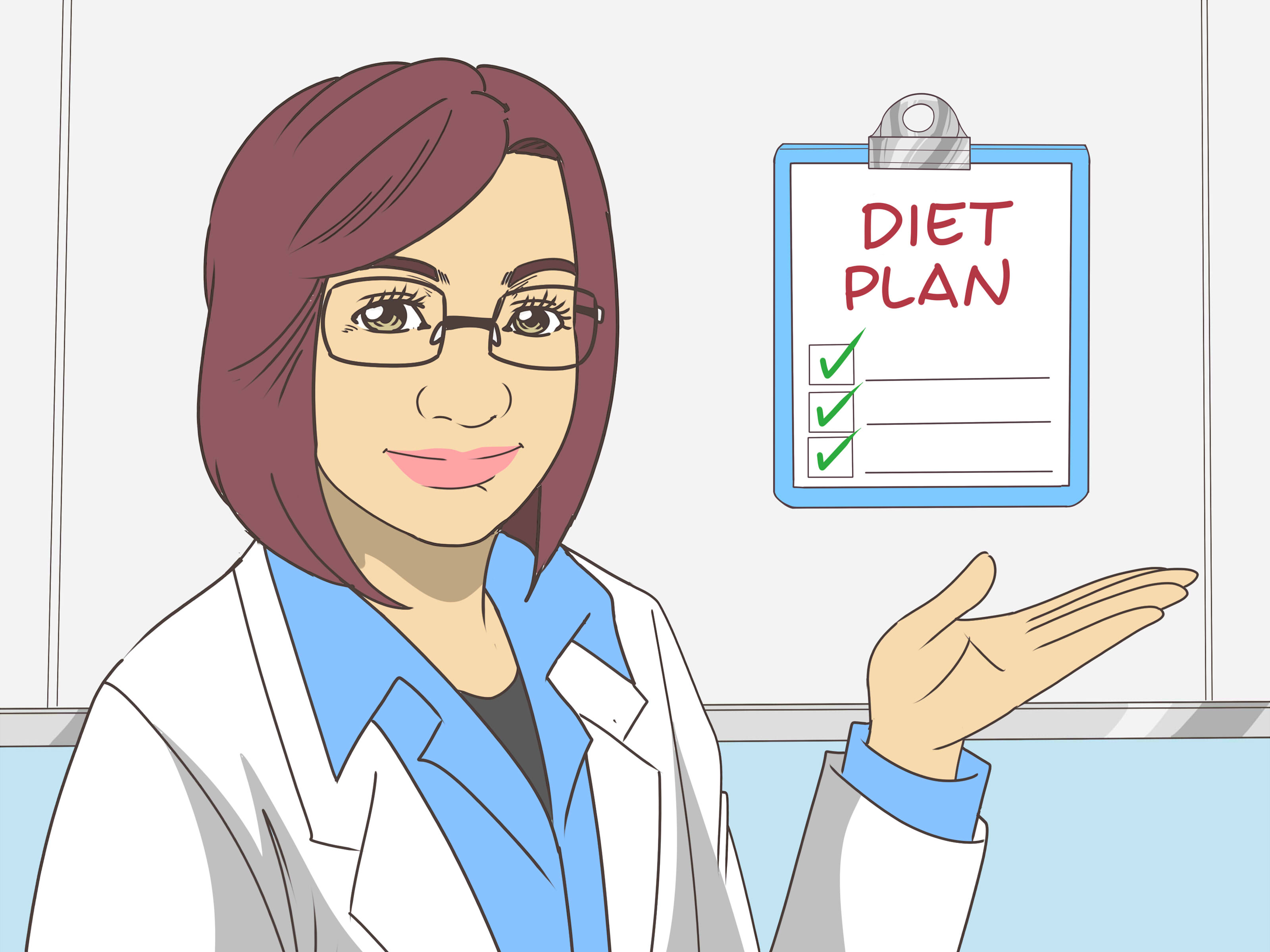
The fastest route to relief is not necessarily the fastest trip to the pharmacy. It is choosing the right treatment. If this is your first episode of vaginal itching and discharge, contact a clinician rather than self-diagnosing. A healthcare professional may review your symptoms, perform an exam, and test vaginal fluid to look for yeast or another cause of vaginitis.
Self-treatment is more reasonable when a clinician has previously diagnosed a yeast infection and the current symptoms are genuinely the same. Even then, stay alert for anything unusual. A different odor, new sexual exposure, sores, fever, pelvic pain, or symptoms that feel significantly worse than past episodes changes the equation.
Call a healthcare professional before treating yourself if:
- This is the first time you have had these symptoms.
- You are pregnant, might be pregnant, or are breastfeeding.
- You have diabetes that is not well controlled.
- You have a weakened immune system or take immune-suppressing medication.
- You have fever, chills, nausea, vomiting, pelvic pain, sores, bleeding, or foul-smelling discharge.
- Your symptoms are severe, keep returning, or return within two months after treatment.
- An over-the-counter antifungal does not improve the symptoms or makes them worse.
These situations can require testing, a longer course of treatment, a different antifungal, or treatment for an entirely different condition.
Why accurate diagnosis matters
Antifungal medicine treats fungi; it does not treat bacterial vaginosis or an STI. Unnecessary treatment can also irritate already-sensitive skin and mask the pattern of the real problem. In recurrent or stubborn cases, testing may identify a less common Candida species that does not respond as well to standard short-course products.
Way 2: Start a Proven Antifungal and Use It Correctly
For an uncomplicated infection that matches a previously confirmed yeast infection, over-the-counter vaginal antifungals such as miconazole or clotrimazole are common options. Depending on the product, treatment may last one, three, or seven days. Follow the package directions exactly. More medicine is not more heroic, and stopping early because the itching improved can leave the job unfinished.
Topical treatments may come as creams, ointments, tablets, or suppositories placed in the vagina. Some products also include an external cream for irritated vulvar skin. Use only the amount and schedule listed on the label or prescribed by a clinician. MedlinePlus advises contacting a clinician if symptoms fail to improve or worsen during treatment; with miconazole or clotrimazole, improvement should generally begin within the first three days.
Do not casually borrow oral fluconazole
Oral fluconazole is a prescription option for some nonpregnant patients, but it is not appropriate for everyone and can interact with other medicines. During pregnancy, current CDC guidance recommends a seven-day course of a topical azole rather than oral fluconazole. Anyone pregnant or possibly pregnant should check with a healthcare professional before treatment.
Finish the full courseeven if you feel better
Symptom relief and complete treatment are not the same event. Continue for the full labeled duration unless a clinician tells you to stop. Short-course azole treatments clear most uncomplicated infections when used properly, while severe, recurrent, or medically complicated infections may require longer therapy and professional supervision.
Read the fine print about sex and contraception
Many vaginal creams and suppositories are oil based and may weaken latex condoms or diaphragms. Product instructions may also advise avoiding vaginal intercourse, tampons, douches, spermicides, and other vaginal products during treatment. Sex can add friction to already-inflamed tissue, so postponing it until treatment is complete and symptoms have resolved may be more comfortable.
Skip unproven “natural cures”
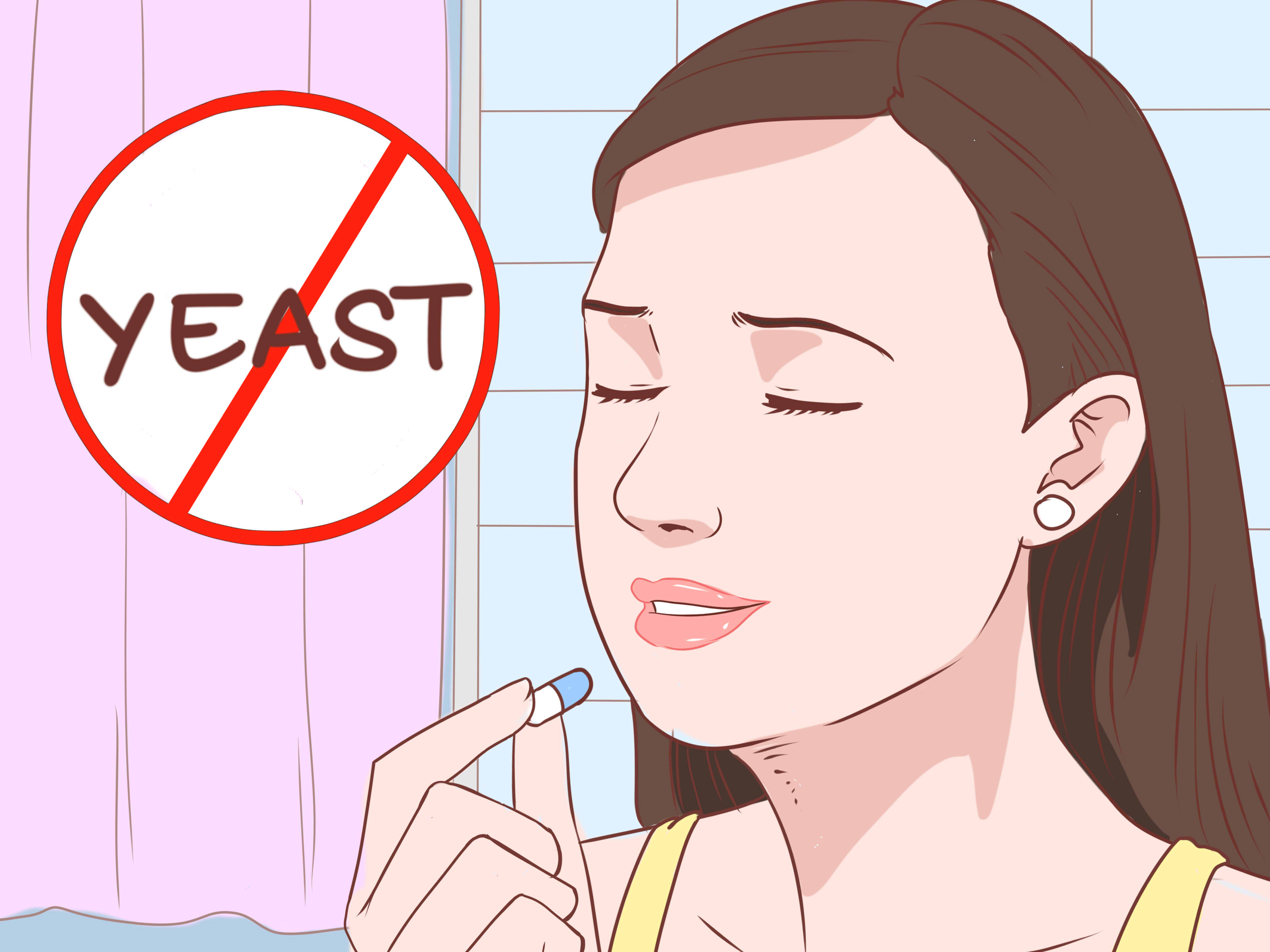
The CDC reports no substantial evidence that probiotics or homeopathic products treat vulvovaginal candidiasis. Do not insert garlic, essential oils, yogurt, vinegar, or other household substances into the vagina. “Natural” is not a synonym for “non-irritating,” and an inflamed vulva is a terrible place to begin a chemistry experiment.
Boric acid is used in selected recurrent or non-albicans cases under clinical guidance, but it is not a casual first-line home remedy. It must never be swallowed, and it should not be used during pregnancy without explicit medical direction.
Way 3: Reduce Moisture and Irritation While Treatment Works
Comfort measures will not replace antifungal medicine, but they can keep a developing episode from feeling like it has hired a marching band. The basic strategy is simple: keep the external area dry, reduce friction, and stop applying products that can disrupt or inflame delicate tissue.
Keep cleansing simple
Wash the external genital area gently with lukewarm water. Avoid douching, vaginal deodorants, fragranced wipes, scented pads or tampons, bubble baths, and perfumed soaps. The vagina cleans itself; it does not need an internal rinse cycle. Douching can remove protective bacteria and worsen vaginal imbalance.
Choose breathable clothing
Wear cotton underwear or underwear with a cotton crotch, and choose clothing that does not trap heat and moisture. Change promptly after swimming or exercising. Sitting in a wet swimsuit or sweaty leggings for hours does not automatically cause an infection, but warm, damp conditions and friction can aggravate irritated skin.
Pause anything that increases friction
If intercourse, cycling, tight shapewear, or a particular workout worsens burning, take a temporary break. Cool compresses applied over clean underwear may soothe external discomfort. Avoid scratching, which can damage the skin and intensify the itch-scratch cycle. Planned Parenthood also advises avoiding vaginal sex or inserting products until treatment is finished and the irritation has cleared.
Address repeat triggers with a clinician
Recent antibiotics, pregnancy, higher estrogen exposure, poorly controlled blood sugar, and immune suppression can increase yeast infection risk. Never stop a prescribed antibiotic on your own, but take it only as directed. If you have diabetes, improving blood sugar control may reduce recurrence risk. Frequent infections deserve evaluation instead of an endless pharmacy subscription.
What Not to Do When Symptoms Are Just Starting
- Do not assume every itch is yeast. Odor, discharge changes, irritation, and burning have several possible causes.
- Do not douche. It can disturb protective vaginal bacteria and worsen symptoms.
- Do not use leftover prescription medicine. The dose, expiration date, and diagnosis may be wrong.
- Do not stop treatment early. Complete the labeled or prescribed course.
- Do not repeatedly self-treat recurrences. Persistent or returning symptoms require testing.
- Do not treat a partner automatically. Routine partner treatment is not recommended for uncomplicated yeast infections, although a symptomatic partner should seek care.
Repeatedly using over-the-counter products without confirming the cause can delay treatment of bacterial vaginosis, an STI, dermatitis, hormonal dryness, or another condition.
How Quickly Should a Yeast Infection Improve?
With the correct treatment, many uncomplicated yeast infections begin feeling better within a few days. Complete resolution may take longer, sometimes up to one or two weeks. The exact timeline depends on symptom severity, the Candida species, the medicine used, and whether another condition is present.
Contact a healthcare professional if symptoms worsen, fail to improve after the expected treatment window, or return within two months. Recurrent vulvovaginal candidiasis generally requires a longer initial course and sometimes maintenance treatment. Severe redness, swelling, skin fissures, or repeated infections should not be managed with an increasingly creative pile of drugstore boxes.
Practical Experiences: What Early Action Often Looks Like
Because health articles can make treatment sound as tidy as assembling a bookshelf, it helps to describe the real-world experience. Early yeast infection symptoms often begin subtly: mild itching after a workout, tenderness noticed while showering, or a small change in discharge. The first useful move is not panic. It is a quick inventory. Is there a strong odor? Is the discharge different from a previously diagnosed infection? Are there sores, pelvic pain, fever, or a recent STI exposure? That two-minute check can prevent several days of treating the wrong condition.
A common scenario involves someone who has had a clinician-confirmed yeast infection before and recognizes the same pattern after a course of antibiotics. She chooses an over-the-counter azole, reads the entire label, starts it at bedtime, switches to loose cotton sleepwear, and skips scented wash. The next morning, she may still itch. That does not automatically mean the medicine failed. Antifungals need time to suppress fungal growth, and irritated tissue needs time to calm down. Improvement is often gradual rather than cinematic; there is rarely a dramatic “before lunch, after lunch” transformation.
Another common experience is choosing a one-day product because it sounds efficient, then being surprised by temporary burning or irritation. Product strength and personal sensitivity differ. The lesson is not that all one-day products are bad, but that “shortest” is not always the same as “most comfortable” for every person. A pharmacist or clinician can help compare formulations, especially when previous products have caused irritation. Whatever regimen is chosen, finishing it exactly as directed matters more than winning an imaginary speed contest.
People also learn quickly that comfort habits make a noticeable difference. Changing out of damp gym clothes, avoiding tight jeans for a few days, and pausing sex can reduce friction. A cool compress over underwear may feel soothing. By contrast, repeatedly washing with fragranced soap often makes burning worse. When skin is inflamed, aggressive cleaning can create the bizarre situation in which an attempt to feel “extra clean” leaves the area extra angry.
The most valuable experience may come from a treatment that does not work. Suppose symptoms persist after a complete antifungal course, or disappear and return a few weeks later. That is not a cue to buy three more boxes and start a small antifungal museum. It is a reason to schedule an evaluation. Testing may show bacterial vaginosis, an STI, dermatitis, hormonal dryness, or a less common yeast species. The apparent setback becomes useful information because it redirects care toward the correct cause.
Recurrent episodes can also reveal broader patterns. Some people notice infections after antibiotics; others have poorly controlled diabetes, immune-suppressing treatment, or repeated irritation from personal-care products. Tracking dates, symptoms, medicines, menstrual timing, antibiotic use, and treatment response gives a clinician better evidence than “this keeps happening and I hate it,” although that statement is also completely understandable.
The overall experience of stopping a developing yeast infection is less about a miracle hack and more about disciplined early action: recognize the familiar pattern, confirm uncertain symptoms, use a proven medicine correctly, simplify skin care, and reassess if the expected improvement does not arrive. It is not glamorous, but neither is itching through a meeting while pretending to be fascinated by a spreadsheet.
Conclusion
The three best ways to stop a developing yeast infection are to confirm that yeast is the likely cause, begin an appropriate antifungal promptly, and reduce moisture and irritation while the medicine works. Avoid douching and unproven vaginal remedies, complete the full treatment course, and seek professional care for first-time, severe, recurrent, pregnancy-related, or persistent symptoms. Early action helps most when it is accurate action.