A dental abscess is one of those oral health problems that rarely whispers. It usually knocks on the door with a throbbing toothache, swollen gums, a strange taste in the mouth, and the unmistakable feeling that your tooth has officially filed a complaint. In simple terms, a dental abscess is a pocket of pus caused by a bacterial infection. It can form inside the tooth, around the tooth root, or in the gum tissue beside a tooth.
The important thing to know is this: a dental abscess is not just a “bad toothache.” It is an active infection. While pain relievers and home care may help you survive the next few hours, they do not remove the source of the infection. That job belongs to a dentist, who may drain the abscess, perform a root canal, remove the tooth, clean the gum area, or prescribe antibiotics when they are truly needed.
This guide explains dental abscess symptoms, treatment options, causes, risk factors, warning signs, prevention tips, and real-life experiences that help readers understand what an abscess can feel like before, during, and after treatment.
What Is a Dental Abscess?
A dental abscess is a localized collection of pus that forms when bacteria invade oral tissues. The body sends white blood cells to fight the infection, and the mixture of dead cells, bacteria, and tissue debris creates pus. That buildup creates pressure, swelling, and pain. Think of it as your immune system building a tiny, angry pressure cooker in your mouth. Very rude, very painful, and definitely not something to ignore.
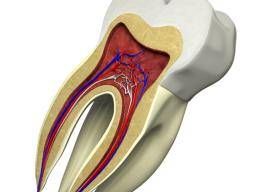
Dental abscesses are commonly linked to untreated tooth decay, cracked teeth, gum disease, dental trauma, or prior dental work that leaves a pathway for bacteria. Once bacteria reach the tooth pulp, the soft inner area containing nerves and blood vessels, the infection can spread down the root and into surrounding bone or gum tissue.
Types of Dental Abscess
Periapical Abscess
A periapical abscess forms at the tip of a tooth root. This is often caused by a deep cavity, a cracked tooth, or trauma that allows bacteria to enter the pulp. As the pulp becomes infected and dies, the infection can move through the root canal system and collect near the root tip.
Periodontal Abscess
A periodontal abscess develops in the gum tissue beside a tooth root. It is often related to gum disease, deep periodontal pockets, trapped food, or tartar buildup. Instead of starting inside the tooth, this infection begins in the supporting tissues around the tooth.
Gingival Abscess
A gingival abscess affects only the gum tissue and usually does not involve the tooth root or supporting bone at first. It can happen when something sharp, such as a popcorn hull, fish bone, or toothbrush bristle, gets stuck in the gum and triggers infection.
Dental Abscess Symptoms
The most classic symptom of a dental abscess is a severe, constant, throbbing toothache. The pain may radiate to the jaw, ear, neck, or side of the face. Some people describe it as a heartbeat inside the tooth. Others say it feels like the tooth is “too tall” or being pushed out of place. Neither description is dramatic when you are the one holding an ice pack and negotiating with your molar at 2 a.m.
Common dental abscess symptoms include:
- Severe, persistent, or throbbing tooth pain
- Pain when chewing or biting
- Sensitivity to hot or cold temperatures
- Swollen, red, or tender gums
- A gum bump that looks like a pimple or boil
- Swelling in the cheek, jaw, face, or neck
- Bad breath or a foul taste in the mouth
- Fever or general illness
- Tender lymph nodes under the jaw or in the neck
- Difficulty opening the mouth, swallowing, or breathing
- A loose or raised-feeling tooth
Sometimes an abscess ruptures and releases fluid into the mouth. This may cause a sudden bad taste and temporary pain relief because pressure has decreased. However, this does not mean the infection is gone. It means the infection found an exit door. The source still needs professional treatment.
When a Dental Abscess Is an Emergency
A dental abscess should always be evaluated by a dentist promptly, but certain symptoms require urgent medical attention. Go to an emergency room or seek immediate care if you have facial swelling that is spreading, fever, trouble breathing, trouble swallowing, confusion, severe weakness, or swelling under the jaw or around the neck. These signs may mean the infection is spreading beyond the tooth area.
Dental infections can, in rare cases, spread to the jaw, soft tissues of the face and neck, bloodstream, or other serious areas. That is why dentists treat abscesses seriously, even when the swelling seems small. Teeth may be tiny, but infections do not care about square footage.
What Causes a Dental Abscess?
The main cause of a dental abscess is bacteria entering a space where they do not belong. The most common doorway is tooth decay. When a cavity grows deep enough, it can break through enamel and dentin and reach the pulp. Once bacteria enter the pulp, infection can develop quickly.
Other common causes include:
- Untreated cavities: Deep decay allows bacteria to reach the inner tooth.
- Cracked or chipped teeth: Even small cracks can create a pathway for bacteria.
- Gum disease: Periodontal pockets can trap bacteria and debris.
- Dental trauma: A hit to the tooth can damage pulp tissue even if the tooth looks normal.
- Failed or aging dental work: Old fillings, crowns, or restorations may leak or break down.
- Poor oral hygiene: Plaque buildup increases the risk of cavities and gum infection.
- Dry mouth: Saliva helps protect teeth, so reduced saliva can raise decay risk.
- Frequent sugar exposure: Sugary snacks and drinks feed acid-producing bacteria.
Risk Factors for Dental Abscess
Some people are more likely to develop a dental abscess because of oral hygiene habits, medical conditions, or lifestyle factors. Poor brushing and flossing habits allow plaque to build up. A high-sugar diet increases acid attacks on tooth enamel. Skipping dental checkups gives small cavities a chance to grow into big problems with excellent villain energy.
People with weakened immune systems may also be at higher risk for serious infection. Diabetes, certain medications, cancer treatment, or immune-suppressing conditions can make it harder for the body to control bacteria. Gum disease is another major risk factor because infected gum pockets can become abscessed if bacteria multiply below the gumline.
How Dentists Diagnose a Dental Abscess
A dentist will usually begin by asking about symptoms, examining the tooth and gums, checking swelling, and gently tapping the tooth. If tapping makes you want to levitate out of the chair, that response can help identify the affected tooth.
Dental X-rays are commonly used to look for infection around the root, bone changes, deep decay, or spread of infection. In more serious cases, advanced imaging may be needed if the infection appears to involve the jaw, neck, or deeper tissues. The goal is to find the source of infection, determine whether the tooth can be saved, and choose the safest treatment.
Dental Abscess Treatment Options
Treatment focuses on eliminating infection, draining pus when needed, preserving the tooth if possible, and preventing the infection from spreading. The right treatment depends on the type of abscess, severity, tooth condition, gum health, and overall health of the patient.
1. Draining the Abscess
If pus has collected in the gum or tissue, the dentist may make a small incision to drain it. This can relieve pressure and reduce pain. The area may be rinsed with saline, and in some cases a small drain may be placed temporarily. Drainage helps, but it is usually only part of treatment. The underlying source still needs to be handled.
2. Root Canal Treatment
If the abscess started inside the tooth and the tooth can be saved, root canal treatment may be recommended. During a root canal, the dentist or endodontist removes infected pulp, cleans and shapes the canals, disinfects the inside of the tooth, and seals the space. A crown may be placed afterward to protect the tooth, especially if it is a back tooth used for heavy chewing.
Root canals have an unfair reputation, mostly because people associate them with the pain that came before the procedure. In reality, root canal treatment is designed to remove the infection and relieve pain. Modern anesthesia and techniques make the process much more comfortable than the horror stories suggest.
3. Tooth Extraction
If the tooth is too damaged to save, extraction may be necessary. Removing the tooth also removes the source of infection. After extraction, the dentist may discuss replacement options such as an implant, bridge, or partial denture. Leaving a missing tooth untreated can affect chewing, bite balance, and neighboring teeth over time.
4. Periodontal Cleaning or Gum Treatment
If the abscess is related to gum disease, treatment may involve deep cleaning around the tooth, scaling and root planing, drainage, and improved periodontal care. Advanced gum disease may require referral to a periodontist. Treating only the swelling without addressing gum pockets can allow the infection to return.
5. Antibiotics When Needed
Antibiotics may be prescribed if the infection has spread, if there is fever or facial swelling, if the patient has a weakened immune system, or if immediate dental treatment is not available. However, antibiotics alone usually do not cure a dental abscess. They may reduce bacterial spread, but the infected pulp, pus pocket, or periodontal source must still be treated.
This is an important point for readers searching “dental abscess antibiotics.” Antibiotics are not magic erasers for infected teeth. They are more like backup singers. Helpful in the right situation, but not the main performance.
Can a Dental Abscess Go Away on Its Own?
No, a dental abscess should not be expected to go away on its own. Pain may decrease if the abscess drains, but the infection can remain. The tooth nerve may also die, reducing pain while the infection continues quietly. That calm period can be misleading. A tooth infection can flare again and may become more serious if untreated.
Home remedies may help manage discomfort temporarily, but they cannot remove infected pulp, clean root canals, drain deeper infection safely, or repair gum disease. A dentist is needed to treat the source.
Home Care While Waiting for the Dentist
While waiting for a dental appointment, gentle home care may help reduce discomfort. Rinsing with warm salt water, brushing gently, avoiding chewing on the painful side, and using over-the-counter pain relievers as directed on the label may provide temporary relief. Cold compresses can help with swelling on the outside of the cheek.
Avoid placing aspirin directly on the gum or tooth. This old-school trick can burn the tissue and create a new problem, because apparently one oral disaster was not enough. Also avoid trying to pop, cut, or drain an abscess at home. That can worsen infection and damage tissue.
How to Prevent a Dental Abscess
The best way to prevent a dental abscess is to prevent the conditions that allow bacteria to invade teeth and gums. Good oral hygiene may not sound glamorous, but it is cheaper and less dramatic than emergency dental care.
- Brush twice daily with fluoride toothpaste.
- Floss once daily to clean between teeth.
- Limit frequent sugary snacks and drinks.
- Drink water, especially after meals and acidic drinks.
- Visit the dentist regularly for exams and cleanings.
- Treat cavities early before they reach the pulp.
- Replace worn fillings or cracked crowns when recommended.
- Wear a mouthguard during contact sports if advised.
- Manage dry mouth with professional guidance.
- Seek care quickly for cracked teeth, gum swelling, or persistent tooth pain.
Fluoride toothpaste, dental sealants for children and teens when appropriate, professional cleanings, and early cavity treatment all reduce the risk of tooth decay progressing into infection. Gum health matters too. Bleeding gums, loose teeth, and deep pockets are not just “normal aging.” They are signs that the mouth needs attention.
Dental Abscess in Children and Teens
Children and teenagers can develop dental abscesses from cavities, dental injuries, or poor oral hygiene. Baby teeth can abscess too, and they still require treatment. An infected baby tooth can affect eating, sleep, speech, and the developing permanent tooth underneath.
Parents should pay attention to swelling, fever, chewing pain, gum bumps, bad breath that does not improve, or a child refusing certain foods. Teens who play sports should wear mouthguards when recommended because tooth trauma can damage the pulp and lead to infection later, even if the tooth does not break immediately.
Possible Complications of an Untreated Dental Abscess
An untreated dental abscess may spread to nearby bone, surrounding teeth, the jaw, soft tissues of the face, or deeper spaces of the neck. In rare cases, serious systemic infection can occur. The risk is higher when swelling spreads, fever develops, or the person has immune system problems.
Other complications include tooth loss, chronic drainage through the gum, worsening gum disease, sinus involvement for upper back teeth, and recurring pain. Treating the abscess early gives the dentist more options and improves the chance of saving the tooth.
Common Myths About Dental Abscesses
Myth: If the pain stops, the infection is gone.
Not necessarily. Pain may stop if the nerve dies or the abscess drains. The infection can still remain and spread.
Myth: Antibiotics always fix a tooth abscess.
Antibiotics may help in certain cases, but dental treatment is usually needed to remove the source of infection.
Myth: A gum pimple is harmless.
A pimple-like bump on the gum can be a draining abscess. It should be checked by a dentist.
Myth: Root canals cause illness.
Modern root canal therapy is a standard dental treatment used to remove infection and save natural teeth. If you have concerns, discuss them with a licensed dentist or endodontist.
Conclusion
A dental abscess is a serious bacterial infection that can cause intense tooth pain, gum swelling, bad taste, fever, facial swelling, and difficulty chewing. The most common causes include untreated cavities, cracked teeth, gum disease, and dental trauma. Treatment may involve drainage, root canal therapy, extraction, periodontal cleaning, and antibiotics when appropriate.
The smartest move is not to wait for the tooth to “calm down.” Teeth are not known for writing apology letters. If symptoms suggest an abscess, contact a dentist promptly. Early treatment can relieve pain, stop infection, protect nearby teeth, and sometimes save the affected tooth.
Experience-Based Insights: What a Dental Abscess Often Feels Like in Real Life
Many people do not realize they have a dental abscess at first. The story often begins with a small sensitivity to cold drinks or a dull ache when chewing. Someone bites into toast, feels a sharp zing, and thinks, “Interesting. My tooth has chosen violence today.” Then the discomfort fades, so they ignore it. A few days or weeks later, the ache returns stronger, especially at night when there are fewer distractions and the tooth suddenly becomes the loudest object in the room.
A common experience is pressure. People describe it as a deep, pulsing sensation rather than a simple surface-level toothache. The gum may feel swollen or tight. The tooth may feel taller than the others, as if it no longer fits correctly when biting down. Chewing on that side becomes uncomfortable, so the person starts eating like a cautious squirrel, moving food to the opposite side of the mouth and hoping nobody notices.
Another experience is the “false improvement” stage. Sometimes the abscess drains through a small bump on the gum, and the pain suddenly decreases. The person feels relieved and may decide the problem has solved itself. Unfortunately, this is where many abscesses become sneaky. Drainage can reduce pressure, but bacteria may still be present in the tooth, root, or gum pocket. The infection can return later with more swelling and more pain.
People who finally visit the dentist often report that the anxiety before the appointment was worse than the treatment itself. The fear of a root canal, extraction, or dental bill can be powerful. But after numbing, drainage, or the first stage of treatment, many patients feel immediate relief because pressure is reduced and the source of pain is being addressed. It is not unusual for someone to say, “I wish I had come in sooner.” That sentence may be the unofficial national anthem of dental emergencies.
Recovery experiences vary depending on the treatment. After drainage or root canal therapy, soreness may remain for a few days, but the severe throbbing usually improves. After an extraction, healing involves following aftercare instructions carefully, eating soft foods, avoiding smoking or straws if instructed, and keeping the area clean without disturbing the clot. With periodontal abscesses, improvement may depend on ongoing gum care and better cleaning habits.
The biggest lesson from real-world experience is that a dental abscess rewards quick action. Waiting often turns a manageable dental visit into an emergency. A small cavity may need a filling. A deeper infection may need a root canal. A badly damaged tooth may need removal. The earlier the problem is treated, the more choices a patient usually has. So if your tooth is throbbing, your gum has a bump, or your jaw is swelling, do not try to negotiate with bacteria. Call a dentist and let the professionals evict the tiny troublemakers.