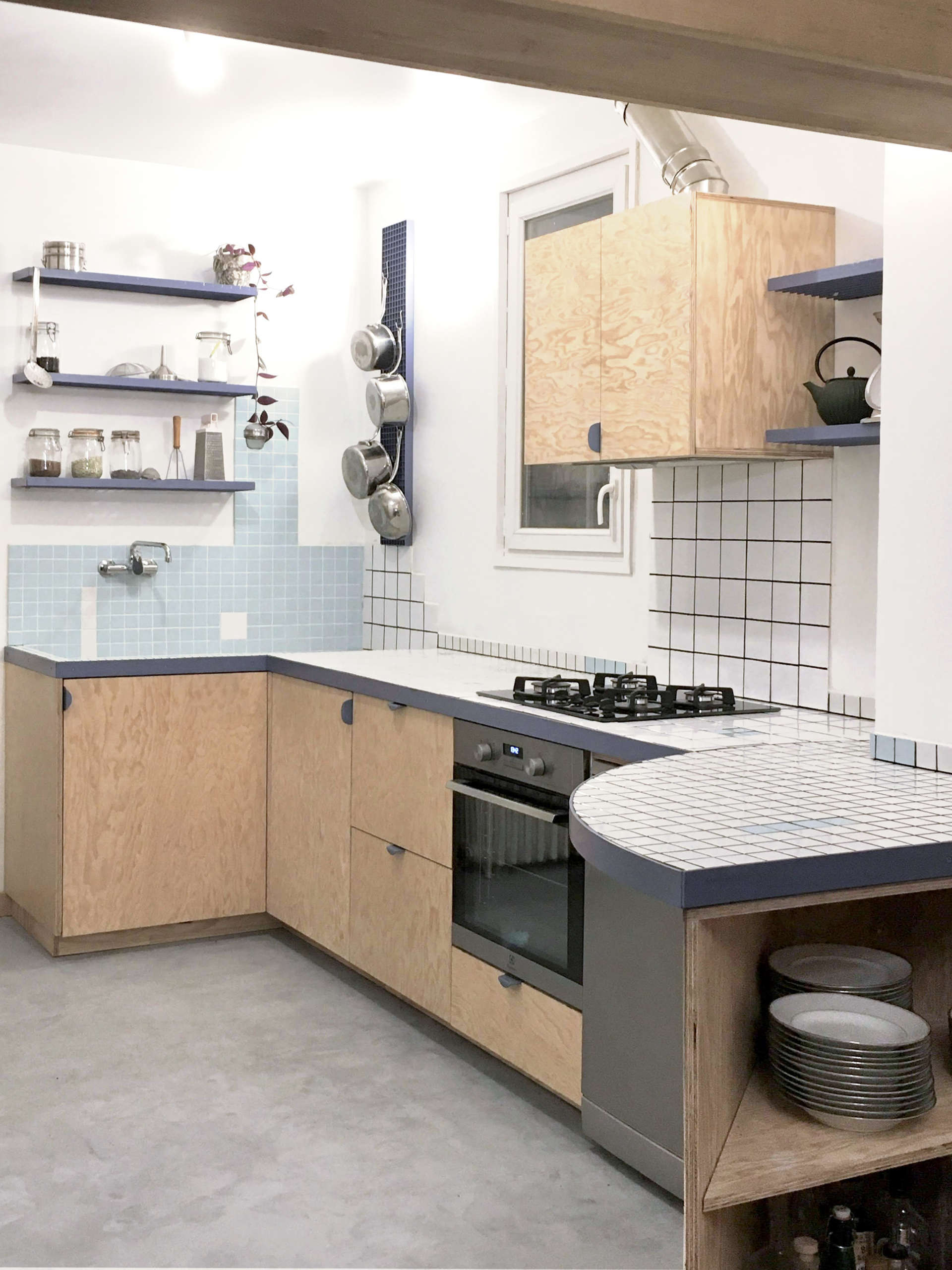
There are two kinds of kitchen makeovers. The first kind begins with a giant budget, a giant contractor packet, and a giant espresso machine because everyone involved is going to be awake for weeks. The second kind begins with a smart idea, a sharp eye, and the magical phrase: Wait, these surplus tiles are gorgeous. This article is for the second kind.
A kitchen built from surplus tiles can look polished, custom, and surprisingly high-end without requiring a dramatic conversation with your savings account. Whether the tiles come from overstock, discontinued lines, leftovers from a larger project, salvage shops, or a Habitat ReStore, they offer a rare mix of personality and practicality. In other words, they are the design world’s version of finding a cashmere coat in the clearance bin that still has the tags on.
The trick is not just buying affordable tile. The trick is using it in a way that feels intentional. Done well, surplus tile can create a kitchen that feels fresh, layered, and deeply personal. It can also reduce waste, stretch your renovation budget, and give you the kind of backsplash guests ask about while pretending they came over for pasta.
Why Surplus Tiles Make So Much Sense in a Kitchen
Kitchen tile works hard. It protects walls from splashes, adds texture and color, and helps define the mood of the room. But tile can also become one of the sneakiest line items in a renovation budget. That is why surplus tile is such a smart move. You get the durability and easy-clean benefits people love about tile, but often at a much lower cost than ordering a full-price designer collection.
Surplus tiles usually come from overstock inventory, canceled orders, discontinued styles, or leftover lots from previous jobs. That means you may find premium looks at a friendlier price, especially if you are tiling a backsplash, a coffee nook, a pantry wall, or just the area behind the range. Since backsplashes are relatively small compared with flooring, they are one of the easiest places to use limited-quantity tile without running into disaster halfway through the project and whispering, “We need twelve more boxes and a miracle.”
There is also a sustainability angle that makes this approach even better. Reuse centers and salvage outlets often resell surplus construction products and reusable building materials, giving them a second life instead of sending them to the landfill. So yes, your backsplash can look chic and quietly smug in an environmentally responsible way.
What Kind of Surplus Tile Works Best?
Ceramic Tile for Budget-Friendly Style
If your goal is affordable kitchen design, ceramic tile is often the easiest starting point. It is typically more budget-friendly than porcelain and generally easier to cut, which makes it a favorite for DIY-friendly wall applications. For a kitchen backsplash, ceramic can deliver classic style without acting like a diva during installation.
Glossy ceramic subway tile is especially useful when you are shopping surplus stock. It reflects light, brightens the room, and gives even a small kitchen a cleaner, more open feel. If you find a surplus batch in white, cream, sage, pale blue, or soft greige, congratulations: your kitchen just got a promotion.
Porcelain Tile for Durability and Low Maintenance
Porcelain is denser and tougher, which is great for long-term performance. It is especially attractive if your surplus tile will be used in a heavy-splash zone behind the cooktop or as part of a larger kitchen remodel that includes walls and floors. It can cost more, and it may require better tools and more patience, but it rewards that effort with durability and cleanability.
Porcelain also shines when you want large-format tile. Fewer grout lines mean less visual clutter and less maintenance. If you want a kitchen that reads calm, sleek, and easy to wipe down after taco night gets emotionally intense, large-format porcelain is a strong option.
Handmade-Look, Textured, or Mixed-Lot Tile for Character
One of the joys of surplus tile is that you can afford to be interesting. Handmade-look tile, zellige-inspired finishes, fluted textures, elongated subway tile, penny rounds, mosaics, and patterned accent pieces can all show up in surplus inventory. These styles add personality fast, but they need a little discipline.
If the tile has heavy variation in color, sheen, or shape, use it where that variation feels intentional. A backsplash niche, a framed panel behind the range, or a compact wall section can turn a small batch into a design highlight. Limited quantity becomes an asset, not a problem.
How to Design a Kitchen Around Surplus Tiles
Start with the Tile, Then Let Everything Else Behave
When you score a special surplus tile, let it take the lead. Do not force the tile to fight ten other visual decisions at once. If your backsplash has movement, shine, or pattern, keep cabinetry and counters relatively calm. If the tile is simple and understated, that is your chance to play with grout color, hardware finish, or lighting.
A smart rule of thumb is this: bold tile loves quiet neighbors. Your kitchen does not need twenty performers. It needs one headliner and a very supportive cast.
Use Expensive-Looking Tile as an Accent
Some of the best kitchen tile ideas come from using a small amount of a beautiful tile rather than trying to cover every surface with it. Better Homes & Gardens has long pushed the idea that accent tile can deliver visual spark without blowing the budget, and this works perfectly with surplus stock. If you find a gorgeous marble-look mosaic or a handmade-style green tile but only have enough for the stove wall, that is not a limitation. That is a strategy.
Try these design moves:
- Tile only the wall behind the range and keep the rest painted.
- Create a full-height splash just behind open shelving.
- Use surplus tile as a framed inset above a standard field tile.
- Mix simple white field tile with a decorative surplus border or niche.
- Build a half backsplash when you want budget, proportion, and visual breathing room.
Think About Grout Early, Not at the Last Minute in a Hardware Store Aisle
Grout is not a side character. It changes everything. Matching grout creates a softer, more seamless look. Contrasting grout highlights the shape and pattern of the tile. White or very light grout can look crisp, classic, and bright, but it often needs sealing and more maintenance to stay that way. Darker grout is more forgiving and can make a kitchen feel more grounded and modern.
With surplus tile, grout is also the secret weapon that helps different shades feel unified. If your overstock tiles vary slightly from box to box, a well-chosen grout color can smooth out those differences and make the entire installation feel cohesive rather than chaotic.
Smart Budget Moves That Make the Kitchen Look More Expensive
Buy Small, Style Big
You do not need a massive quantity of tile to create impact. Since backsplash areas are smaller than floors, they are ideal for using remnants, discontinued stock, or mixed lots. This is where bargain-hunting becomes design strategy. A little tile can go a long way when the layout is thoughtful.
A few examples:
Example 1: Simple shaker cabinets, butcher block counters, matte black hardware, and a surplus batch of glossy pale green subway tile installed vertically. The effect is fresh, modern, and a little bit European café without requiring passport renewal.
Example 2: Warm white cabinets, quartz counters, and leftover patterned tile used only behind the range, framed by plain ceramic field tile. The range wall becomes the “wow” moment while the rest of the kitchen stays calm and timeless.
Example 3: A tiny galley kitchen with large-format porcelain backsplash panels in a stone look. Because there are fewer grout lines, the whole room feels cleaner, taller, and easier to maintain.
Order Extra, Even When the Price Is Good
This is not the place to get overly optimistic. Tile projects almost always need extra material for cuts, breakage, layout adjustments, and pattern matching. A common recommendation is to buy at least 10% extra. With surplus tile, this matters even more because once a lot is gone, it may be gone forever. Surplus inventory has the personality of a concert ticket: hesitate too long, and suddenly it is no longer your destiny.
If possible, buy all the boxes you need at once. Mixed lots can vary in tone or finish, especially with natural stone, handmade-look ceramic, or artisanal surfaces. Ask for the full quantity up front and sort tiles before installation so the variation looks intentional.
Installation and Maintenance Tips That Save Regret Later
Prep the Wall Properly
A beautiful tile job can be ruined by a lazy surface. Walls should be clean, dry, and properly prepared before adhesive goes on. Grease, dust, and uneven texture can create problems later, and kitchens are not known for being low-grease meditation spaces.
If you are tiling around outlets, windows, or corners, dry-fit the layout first. This helps avoid awkward slivers and keeps the finished design looking balanced. Good tile layout is like good bangs: when it is right, nobody notices why it looks so good. When it is wrong, everyone notices.
Seal Grout and Caulk the Transition Points
After the tile is installed and grouted, sealing is a very good idea, especially for cement-based grout and lighter grout colors. Sealer helps protect against staining and moisture. Also use caulk, not grout, where the backsplash meets the countertop or other change-of-plane areas. This small step helps the installation handle normal movement without cracking like a dramatic contestant on a reality show.
Choose Easy-Clean Layouts If You Actually Cook
Some tile is gorgeous in a photo and annoying in real life. Highly uneven surfaces, deep grooves, and lots of tiny grout joints can collect grease and crumbs more easily. If your kitchen sees real action, think about how often you want to clean it. Large-format tile, smooth glazed finishes, and fewer grout lines usually win the maintenance Olympics.
That does not mean texture is off limits. It just means you should place it thoughtfully. Use heavily textured surplus tile in a lower-splash area, or keep it as a feature rather than covering every wall in “beautiful but impossible to wipe.”
Why This Look Feels So Fresh Right Now
Current kitchen design trends lean toward texture, warmth, saturated color, artisanal finishes, and more personal choices rather than one-size-fits-all showroom kitchens. That is excellent news for surplus tile. A kitchen built from leftover or overstock tile feels collected, individual, and less cookie-cutter. It says, “I made choices,” not “I clicked the default package.”
There is also something inherently charming about using what is available and making it look intentional. Designers have long understood that good rooms are rarely built from endless options. They are built from smart editing. Surplus tile encourages that kind of creativity. You work with limits, and limits often make rooms better.
Instead of asking, “Can I afford a designer kitchen?” the better question becomes, “How can I make this kitchen look designed?” Surplus tile is one of the best answers because it adds story, texture, thrift, and style all at once.
The Experience of Living With a Kitchen Built From Surplus Tiles
The most interesting part of a surplus-tile kitchen is not the shopping. It is the living with it. At first, people usually focus on the money saved. That is fair. A kitchen remodel can eat through a budget like it has not had lunch. But after the project is done, the bigger reward is often how personal the room feels.
A kitchen built from surplus tiles rarely looks generic. It feels found, assembled, and a little bit lucky. Maybe the tile has a slight variation in tone that makes the wall shift beautifully from morning light to evening lamp glow. Maybe the backsplash behind the stove has a shape or finish that would have been too expensive at full retail. Maybe the whole thing started because there were only enough boxes for one wall, and that limitation ended up creating a much better focal point than a full-room tile treatment ever would have.
There is also a quiet thrill in knowing your kitchen did not come straight out of a formula. It came from good eyes and good decisions. That changes the experience of the room. Even simple routines feel more enjoyable in a space that has texture, charm, and a story. Morning coffee somehow tastes more organized. Chopping onions feels less like a household duty and more like a cooking show audition. You still cry, of course, but now it is against a very nice backsplash.
Many homeowners also discover that surplus tile makes them less afraid of style. When people pay premium showroom prices, they often play it safe. White, white, more white, and a tiny whisper of safe beige. But when the material is affordable, people are more willing to try a vertical stack, a colored grout, a moody green glaze, a handmade edge, or a patterned insert over the range. That freedom can lead to better design because it invites personality back into the room.
Then there is the maintenance side of the experience, which matters more than people admit. A well-chosen surplus tile backsplash can be easy to wipe down, durable, and forgiving. If you used smooth ceramic or porcelain with sensible grout, daily cleanup is not dramatic. A quick wipe after cooking keeps the kitchen looking crisp. And because the tile was chosen thoughtfully rather than impulsively, it tends to age well. The kitchen still feels current months later, not like a trend sprinted through it wearing glitter and bad judgment.
Emotionally, the room often carries a sense of resourcefulness too. Using surplus materials feels smart. It feels satisfying. It feels like beating the system without cheating. There is pride in telling someone that your favorite part of the kitchen came from leftover stock or a salvage source. Not because it was cheap, but because it was clever. People hear “surplus” and expect compromise. Then they see the finished wall and realize the opposite happened. The constraints sharpened the design.
That may be the real beauty of a kitchen built from surplus tiles. It proves that affordable does not have to look temporary, and practical does not have to look dull. It proves that style can come from editing, not excess. And it gives the room a feeling many expensive remodels never achieve: originality. In a home full of ordinary surfaces, that one tiled wall quietly says, “Someone paid attention here.”
Final Thoughts
If you want a kitchen that looks stylish, feels fresh, and respects your budget, surplus tile is not a compromise. It is a strategy. The key is choosing the right material, buying enough of it, planning the layout carefully, and using grout, scale, and placement to make the final result feel deliberate.
Use ceramic when you want an affordable classic. Choose porcelain when you want a denser, lower-maintenance finish. Lean into accents when you find a small batch of something special. Keep the surrounding elements simple. Seal the grout. Buy extra. And above all, trust that a smart, limited, beautifully edited choice can look far better than a big, expensive one.
A kitchen built from surplus tiles has style, story, and common sense. That is a powerful trio. Also, unlike many renovation trends, it leaves a little money for groceries. Which is useful in a kitchen. Funny how that works.