Ever had one of those days when your brain feels like 47 browser tabs are open, your confidence is hiding under the couch, and your heart has quietly put up a “back in 5–7 business days” sign? That is exactly why many people search for a “What Chakra Do I Need to Balance Quiz”. They want a simple, reflective way to understand where they feel stuck, scattered, blocked, or just spiritually undercaffeinated.
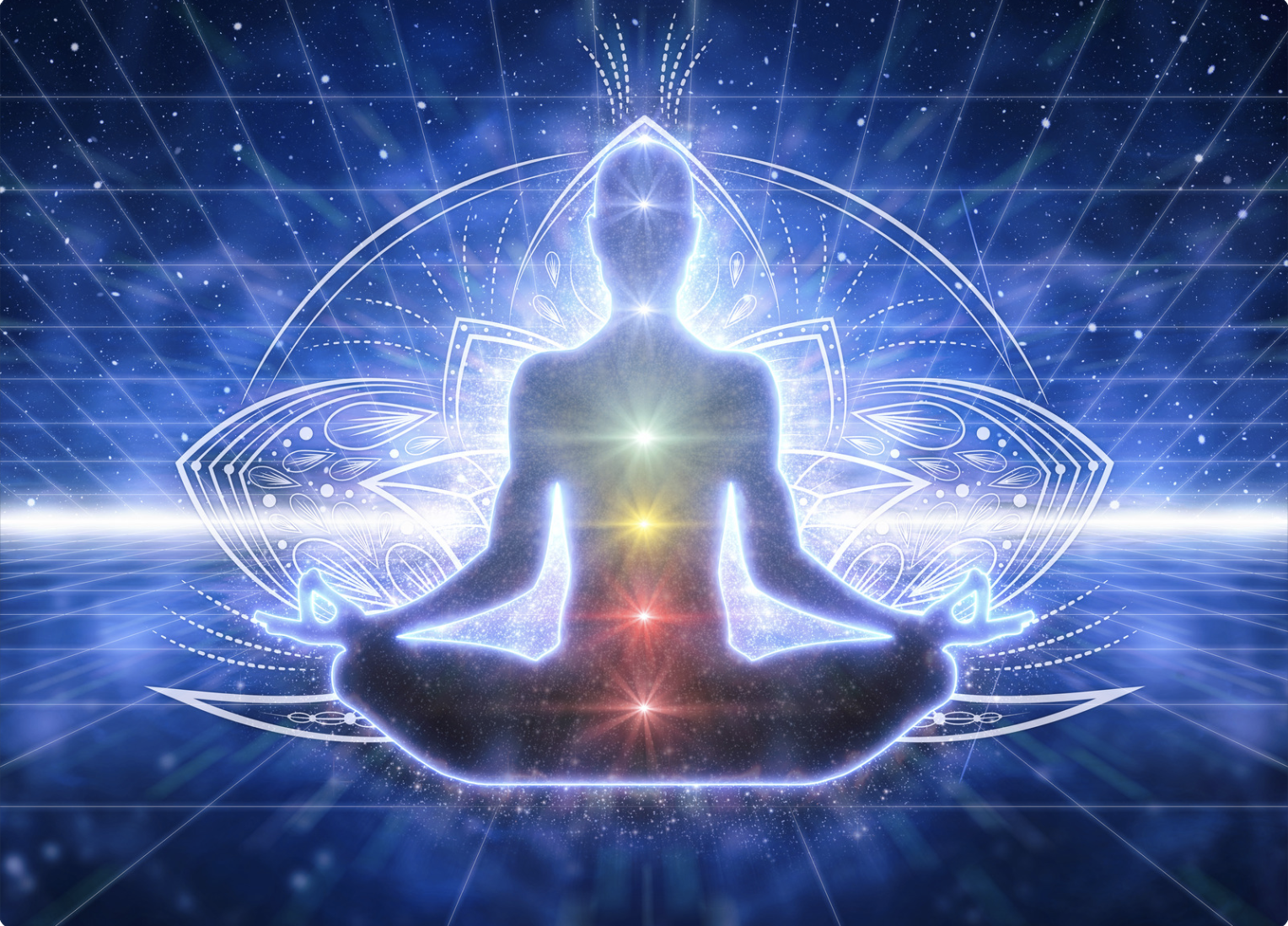
Chakras are commonly described as seven energy centers running from the base of the spine to the crown of the head. In yoga, meditation, Ayurveda-inspired wellness, and modern spiritual self-care, each chakra is associated with different emotional themes, body areas, colors, and life patterns. While chakra work is not a medical diagnosis, it can be a helpful framework for checking in with yourself. Think of it as a mirror, not a microscope.
This guide includes a full chakra balance quiz, result meanings, practical balancing tips, and real-life style experiences to help you understand how chakra awareness can fit into everyday life. No incense license required.
What Is a Chakra Balance Quiz?
A chakra balance quiz is a self-assessment that helps you notice which of the seven chakras may need more attention. It usually asks questions about your emotions, habits, stress patterns, communication style, creativity, confidence, relationships, intuition, and sense of purpose.
For example, if you often feel unsafe, anxious about money, or disconnected from your body, the quiz may point toward the root chakra. If you struggle to speak up, avoid difficult conversations, or swallow your opinions like emotional popcorn, the throat chakra may be calling for balance.
The goal is not to label you as “broken.” You are not a malfunctioning crystal lamp. The goal is to identify an area of life where more grounding, care, reflection, and intentional action may help you feel more centered.
The Seven Chakras: A Quick Beginner-Friendly Guide
1. Root Chakra: Safety, Stability, and Grounding
The root chakra, often called Muladhara, is associated with security, survival, physical stability, and feeling at home in your body. When this chakra feels balanced, you may feel steady, practical, present, and supported. When it feels out of balance, you might feel anxious, restless, financially fearful, or constantly braced for disastereven when the only disaster is that your phone battery is at 4%.
2. Sacral Chakra: Creativity, Pleasure, and Emotional Flow
The sacral chakra, or Svadhisthana, is linked with emotions, creativity, pleasure, sensuality, and flexibility. A balanced sacral chakra may feel like inspiration, healthy emotional expression, and the ability to enjoy life without guilt. An imbalanced sacral chakra may show up as creative blocks, emotional numbness, mood swings, or difficulty receiving joy.
3. Solar Plexus Chakra: Confidence, Willpower, and Identity
The solar plexus chakra, or Manipura, is associated with personal power, self-esteem, boundaries, motivation, and decision-making. When balanced, you can say “yes” with enthusiasm and “no” without writing a 900-word apology email. When blocked, you may second-guess yourself, people-please, procrastinate, or feel controlled by fear of failure.
4. Heart Chakra: Love, Compassion, and Connection
The heart chakra, or Anahata, is connected with love, compassion, forgiveness, trust, and emotional openness. A balanced heart chakra allows you to give and receive affection without losing yourself. When it needs attention, you may feel guarded, resentful, lonely, overly attached, or afraid to be vulnerable.
5. Throat Chakra: Communication and Truth
The throat chakra, or Vishuddha, relates to communication, honesty, self-expression, and listening. Balance here can feel like speaking clearly, listening deeply, and expressing your needs without turning every conversation into a courtroom drama. Imbalance may appear as silence, oversharing, fear of judgment, or difficulty naming what you really want.
6. Third Eye Chakra: Intuition, Clarity, and Insight
The third eye chakra, or Ajna, is associated with intuition, imagination, perception, and inner wisdom. When balanced, it may support clear thinking, pattern recognition, and trust in your inner guidance. When out of balance, you may feel mentally foggy, disconnected from your instincts, over-analytical, or trapped in endless “what if” spirals.
7. Crown Chakra: Meaning, Spiritual Connection, and Purpose
The crown chakra, or Sahasrara, is linked with spiritual connection, meaning, higher awareness, and a sense of belonging to something larger than yourself. When balanced, it may feel like peace, perspective, humility, and trust. When blocked, you may feel disconnected, cynical, spiritually numb, or like life is just a long to-do list wearing shoes.
Take the “What Chakra Do I Need to Balance?” Quiz
Choose the answer that feels most true right now. Do not overthink it. Your first honest response is usually more helpful than the one your inner public relations manager tries to approve.
Quiz Questions
- When stress hits, what do you notice first?
- A. I feel unsafe, tense, or worried about basic security.
- B. I feel emotionally overwhelmed or creatively stuck.
- C. I lose confidence and question my ability to handle things.
- D. I shut down emotionally or feel hurt easily.
- E. I cannot say what I really mean.
- F. I overthink everything and lose clarity.
- G. I feel disconnected from purpose or meaning.
- Which sentence sounds most like you lately?
- A. “I need to feel more grounded.”
- B. “I miss feeling inspired.”
- C. “I wish I trusted myself more.”
- D. “I want to open my heart, but it feels risky.”
- E. “I have things to say, but I hold back.”
- F. “I need mental clarity.”
- G. “I want to feel spiritually connected again.”
- What do you struggle with most?
- A. Anxiety about money, safety, or stability.
- B. Emotional ups and downs or lack of pleasure.
- C. Weak boundaries or low self-esteem.
- D. Forgiveness, trust, or emotional openness.
- E. Honest communication.
- F. Indecision or mental fog.
- G. Lack of faith, purpose, or inner peace.
- Which practice sounds most healing today?
- A. Walking barefoot, stretching, or organizing my space.
- B. Dancing, painting, cooking, or listening to music.
- C. Setting a goal and taking one brave action.
- D. Journaling about love, grief, or forgiveness.
- E. Singing, speaking affirmations, or having an honest talk.
- F. Meditating, visualizing, or reducing digital noise.
- G. Prayer, silence, gratitude, or spiritual reading.
- What would improve your life the most this week?
- A. More routine and stability.
- B. More joy and creative flow.
- C. More courage and discipline.
- D. More compassion and emotional healing.
- E. More truth and communication.
- F. More focus and intuition.
- G. More meaning and trust.
How to Score Your Chakra Quiz
Count which letter you chose most often. Your top letter points to the chakra that may need the most balance right now:
- Mostly A: Root chakra
- Mostly B: Sacral chakra
- Mostly C: Solar plexus chakra
- Mostly D: Heart chakra
- Mostly E: Throat chakra
- Mostly F: Third eye chakra
- Mostly G: Crown chakra
If you tied between two letters, congratulations: your energy has range. Read both results and start with the one that feels more urgent in your daily life.
Chakra Quiz Results and What They Mean
Mostly A: You May Need to Balance Your Root Chakra
Your answers suggest a need for grounding, safety, routine, and physical stability. You may be carrying stress in your body or feeling like life is unpredictable. To balance the root chakra, focus on simple actions: clean one small area, take a slow walk, eat nourishing meals, create a budget, or practice deep breathing with your feet firmly on the floor.
Try this affirmation: “I am safe in this moment. I can take one steady step.”
Mostly B: You May Need to Balance Your Sacral Chakra
Your sacral chakra may need attention if you feel uninspired, emotionally blocked, or disconnected from pleasure. This is not about forcing yourself to become an artistic genius overnight. It is about letting life have color again. Try dancing in your kitchen, journaling without editing, cooking something beautiful, visiting water, or making time for playful creativity.
Try this affirmation: “I allow my emotions and creativity to flow.”
Mostly C: You May Need to Balance Your Solar Plexus Chakra
If you chose mostly C, your confidence and personal power may need support. You might know what you want but hesitate to act. Solar plexus balance often begins with small promises kept to yourself. Choose one task, finish it, and let that evidence build self-trust. Practice boundaries, stand tall, and stop asking your fear to be your life coach.
Try this affirmation: “I trust myself to choose, act, and grow.”
Mostly D: You May Need to Balance Your Heart Chakra
A heart chakra result may suggest emotional protection, grief, resentment, loneliness, or a desire for deeper connection. Balancing this chakra can include compassion meditation, gratitude journaling, gentle chest-opening stretches, therapy, meaningful conversations, or writing a letter you never send. The point is not to open your heart to everyone. It is to stop locking yourself out of it.
Try this affirmation: “I can love with wisdom, openness, and healthy boundaries.”
Mostly E: You May Need to Balance Your Throat Chakra
Your throat chakra may need care if you often swallow your words, avoid conflict, or feel misunderstood. Start small. Say what you prefer for dinner. Ask one clear question. Practice writing the truth before speaking it. Healthy communication is not about being loud; it is about being honest, respectful, and present.
Try this affirmation: “My voice matters, and I can express myself clearly.”
Mostly F: You May Need to Balance Your Third Eye Chakra
A third eye result suggests a need for clarity, intuition, and mental spaciousness. You may be overthinking, scrolling too much, or ignoring your instincts. Try meditation, dream journaling, quiet time, fewer notifications, or asking yourself, “What do I already know, beneath the noise?” Your intuition usually whispers before life starts banging cymbals.
Try this affirmation: “I trust my inner wisdom and see clearly.”
Mostly G: You May Need to Balance Your Crown Chakra
If you chose mostly G, you may be craving meaning, peace, spiritual connection, or perspective. Crown chakra practices include meditation, prayer, silence, gratitude, service, reading spiritual or philosophical texts, and spending time in awe-inspiring places. The crown chakra reminds you that you are more than your inbox, your deadlines, and that one awkward thing you said in 2016.
Try this affirmation: “I am connected to wisdom, purpose, and peace.”
How to Balance Chakras Safely and Practically
Chakra balancing does not need to be dramatic. You do not have to buy a singing bowl the size of a bathtub or move to a mountain unless that was already in your five-year plan. The most effective approach is usually simple, consistent, and grounded in everyday habits.
Use Meditation and Breathwork
Meditation can help calm the nervous system, improve awareness, and create space between a feeling and a reaction. For chakra work, you can sit quietly and focus on the area associated with the chakra you want to balance. Imagine breathing into that space with patience rather than pressure.
Try Journaling Prompts
Journaling turns vague emotional fog into words you can actually work with. For the root chakra, ask, “Where do I need more stability?” For the heart chakra, ask, “What am I ready to forgive, release, or receive?” For the throat chakra, ask, “What truth have I been editing?”
Move Your Body
Yoga, walking, stretching, dancing, and gentle exercise can support body awareness. Root chakra work may benefit from grounding poses. Sacral chakra work may feel better with flowing movement. Solar plexus work may pair well with core-strengthening movement. Choose what feels safe and realistic.
Use Color and Environment
Many chakra traditions associate each chakra with a color: red for root, orange for sacral, yellow for solar plexus, green for heart, blue for throat, indigo for third eye, and violet or white for crown. You can use these colors in clothing, candles, artwork, or journaling pages as symbolic reminders of your intention.
Take Real-World Action
Energy work becomes more powerful when paired with action. If your throat chakra needs balance, have the conversation. If your solar plexus chakra needs balance, make the decision. If your root chakra needs balance, create a routine. The universe appreciates a mood board, but it also likes a calendar invite.
Common Signs You May Need Chakra Balancing
You may benefit from chakra reflection if you feel emotionally stuck, disconnected from your body, creatively blocked, afraid to speak up, low in confidence, guarded in relationships, mentally foggy, or spiritually flat. These experiences are common, and they do not mean anything is “wrong” with you.
However, if you are experiencing serious anxiety, depression, trauma symptoms, chronic pain, or ongoing health concerns, chakra practices should be supportivenot a substitute for professional medical or mental health care. A quiz can offer insight, but it cannot replace a licensed expert. Your well-being deserves both soul and science.
of Experiences Related to “What Chakra Do I Need to Balance Quiz”
Many people discover chakra quizzes during a season when they cannot quite name what feels off. They are not necessarily looking for a mystical thunderbolt. They are looking for language. One person might take a chakra balance quiz after months of feeling exhausted and insecure. Their result points to the root chakra, and suddenly their stress makes sense. They realize they have been living without routine, skipping meals, sleeping badly, and worrying about money in the background all day. The quiz does not magically fix everything, but it gives them a starting point: stabilize first, spiritualize second.
Another common experience involves the throat chakra. Someone may score high in that area and immediately think, “Well, that is rude but accurate.” They may notice that they avoid asking for help, soften every opinion, and say “no worries” when there are, in fact, several worries wearing tiny hats. After seeing the result, they might start practicing small acts of honesty: telling a friend they are tired, asking a coworker for clarification, or admitting they want a different plan. Over time, throat chakra work becomes less about dramatic speeches and more about everyday truthfulness.
The sacral chakra result often appears for people who have been functioning well on the outside but feel dull inside. They are productive, responsible, and deeply familiar with spreadsheets, but joy has left the group chat. A quiz can remind them that creativity and pleasure are not luxuries. They are part of feeling alive. Someone might begin with ten minutes of music, a weekend painting class, a walk near water, or cooking a meal that involves more than pressing “reheat.” These small choices can reopen emotional flow.
Heart chakra experiences can feel tender. A person may take the quiz after a breakup, friendship conflict, family disappointment, or long period of loneliness. Their result may show that they are protecting themselves so hard that even kindness cannot get through the door. Heart chakra balancing might include journaling, therapy, forgiveness work, loving-kindness meditation, or simply learning to receive care without suspicion. This is not about becoming endlessly available to everyone. It is about building a heart with windows and locksnot a concrete bunker.
For people who get a third eye or crown chakra result, the experience can be quieter but just as meaningful. They may feel mentally overloaded, spiritually disconnected, or unsure what direction their life should take. The quiz may encourage them to reduce noise, meditate, spend time in nature, or reconnect with values beyond achievement. Sometimes the most powerful result of a chakra quiz is not a dramatic revelation. It is a gentle pause. It asks, “What part of you has been waiting for attention?” And sometimes, that question is exactly where balance begins.
Conclusion
A “What Chakra Do I Need to Balance Quiz” can be a practical and surprisingly fun way to check in with your emotional, mental, and spiritual patterns. Whether your result points to the root, sacral, solar plexus, heart, throat, third eye, or crown chakra, the real value is not in the label. It is in what you do next.
Use your result as a gentle guide. Choose one small practice, repeat it consistently, and notice how your energy, choices, and self-awareness shift. Chakra work is not about becoming perfectly balanced every day. Humans are not smoothies. Balance is something we return to, again and again, with curiosity, humor, and care.