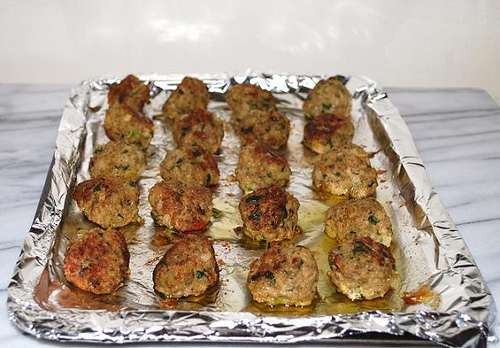
There are ordinary kitchen victories, like not burning the toast, and then there are elite-level culinary triumphs: correctly guessing the secret ingredient. This is the moment when someone hands you a brownie, a bowl of chili, a mysterious dip, or a casserole wearing its best poker face, and your brain suddenly lights up like a game show buzzer. You chew. You pause. You squint dramatically, as if the answer is hidden in the steam. Then you say it: “Cinnamon.” Or “miso.” Or “a little lemon zest.”
And when you are right? Oh, that is not just a guess. That is a tiny parade for your taste buds.
The title #363 Correctly guessing the secret ingredient – 1000 Awesome Things captures a small but deeply satisfying human experience. It is part food detective work, part memory, part bragging rights, and part “I have watched enough cooking shows to be dangerous.” This article explores why that moment feels so good, what makes secret ingredients so powerful, and how flavor science, home cooking, and nostalgia all meet in one glorious bite.
Why Correctly Guessing the Secret Ingredient Feels So Awesome
Correctly guessing the secret ingredient is satisfying because it turns eating into a puzzle. Most of the time, we enjoy food passively. We say things like “That’s good,” “That needs salt,” or “I would marry this lasagna if paperwork allowed it.” But when a dish contains something unexpected, our brains switch from snack mode to detective mode.
Suddenly, dinner becomes a mystery. The sauce has a deeper flavor than usual. The cookies taste warmer. The soup has a background richness that you cannot quite name. You start searching through your mental pantry: garlic? Nutmeg? Soy sauce? Brown butter? A splash of vinegar? Did someone sneak coffee into the barbecue rub like a smoky little genius?
When you finally identify the ingredient, the pleasure comes from recognition. Your senses solved something before anyone gave you the answer. That makes the moment feel personal. It is not just about food; it is about attention. You noticed the tiny thing that made the dish special.
The Tiny Ingredient That Changes Everything
A secret ingredient rarely works because it shouts. It works because it whispers. In the best dishes, the hidden element does not take over the room wearing tap shoes. It simply makes everything else taste better.
Think about a pinch of espresso powder in chocolate cake. Most people do not taste “coffee.” They taste deeper chocolate. A dash of fish sauce in stew does not usually announce itself as seafood. It adds savory depth. A spoonful of miso in butter, a bit of anchovy paste in pasta sauce, or a squeeze of lemon in soup can make people ask, “Why is this so good?” That question is basically the national anthem of secret ingredients.
Secret ingredients are powerful because they often improve balance. They may add saltiness, acidity, sweetness, bitterness, aroma, fat, heat, or umami. The magic is not that the ingredient is strange. The magic is that it fills a gap the dish had been quietly suffering through.
Flavor Is More Than Taste
To understand why secret ingredients are hard to guess, it helps to know the difference between taste and flavor. Taste usually refers to the basic sensations detected by taste buds: sweet, salty, sour, bitter, and umami. Flavor is bigger. Flavor includes taste, aroma, texture, temperature, and even how food feels in your mouth.
This is why food tastes dull when your nose is stuffy. Your tongue may still detect sweetness or saltiness, but your nose helps fill in the colorful details. Without smell, a strawberry and a piece of candy may seem closer than they should. With smell, the strawberry becomes bright, floral, juicy, and unmistakably itself.
That matters when guessing secret ingredients. The clue might not be on your tongue alone. It may be in the aroma rising from a warm bowl of curry, the citrus oils in a cookie, the smoky edge of paprika, or the earthy scent of mushrooms. Your brain combines all of those signals and tries to match them with previous food memories.
The Five Basic Tastes Behind the Mystery
Sweetness: The Friendly Disguise
Sweetness is one of the easiest tastes to recognize, but secret sweetness can be subtle. A bit of honey in salad dressing, maple syrup in roasted vegetables, or brown sugar in tomato sauce can soften sharp edges. The goal is not always to make the dish taste sweet. Sometimes sweetness acts like a peacekeeper at a family reunion, calming down acidity, bitterness, or heat before somebody flips a folding chair.
Saltiness: The Flavor Amplifier
Salt is not just about making food salty. Used carefully, it makes other flavors easier to notice. It can make tomatoes taste more tomato-like, chocolate taste more chocolatey, and roasted vegetables taste less like homework. If the secret ingredient is soy sauce, Worcestershire sauce, Parmesan, olives, or cured meat, salt may be doing part of the heavy lifting.
Sourness: The Brightener
Acid is one of the most common “secret” fixes in cooking. Lemon juice, lime juice, vinegar, buttermilk, yogurt, and fermented ingredients can wake up a dish that tastes flat. A soup may not need more salt; it may need a splash of vinegar. A rich sauce may not need more butter; it may need lemon. Acid is the culinary equivalent of opening a window in a stuffy room.
Bitterness: The Grown-Up Note
Bitterness can be tricky because too much of it feels harsh. But a small amount adds depth. Coffee, cocoa, charred vegetables, dark greens, citrus peel, and certain spices can add complexity. In desserts, bitterness keeps sweetness from becoming childish. In savory dishes, it can create a more mature flavor profile, like the dish put on a blazer and started reading restaurant reviews.
Umami: The Savory Secret Agent
Umami is the savory taste associated with ingredients such as mushrooms, tomatoes, aged cheeses, soy sauce, miso, meat, seaweed, and fermented foods. It is often the hardest to describe but the easiest to miss when it is gone. Umami gives food depth and fullness. It is why a tomato sauce with Parmesan rind tastes richer, why mushrooms can make a vegetarian dish feel hearty, and why a tiny amount of miso can make butter taste like it has been attending private flavor school.
Common Secret Ingredients People Love to Guess
Some secret ingredients appear again and again because they are reliable flavor boosters. Cinnamon can make chili warmer without making it taste like dessert. Cocoa powder can deepen a mole sauce or beef stew. Peanut butter can thicken sauces and add nutty richness. Mustard can sharpen dressings, marinades, and cheese sauces. Mayonnaise can make cakes moist because it contains fat and eggs, although telling people this before they eat the cake is a bold social experiment.
Other favorites include pickle juice, ranch seasoning, balsamic vinegar, smoked paprika, nutmeg, cardamom, sesame oil, fish sauce, anchovies, tomato paste, and Worcestershire sauce. These ingredients often work because they bring concentrated flavor. A little goes a long way, which is exactly what secret ingredients are supposed to do. If the secret ingredient arrives wearing a marching band uniform, it is no longer a secret. It is the main character.
Why Some People Are Better at Guessing
Some people seem naturally gifted at identifying hidden flavors, but much of that skill comes from practice. The more foods you taste, cook, smell, compare, and discuss, the better your flavor memory becomes. A person who often cooks with cumin will recognize it faster. Someone who bakes regularly may spot almond extract, browned butter, or cardamom in seconds. A person raised around certain regional dishes may detect ingredients that others completely miss.
Guessing also improves when you learn categories. Instead of asking, “What is that?” ask, “Is it sweet, acidic, savory, smoky, floral, earthy, nutty, spicy, or fermented?” This narrows the search. If the flavor is warm and sweet but not sugary, it may be cinnamon, clove, allspice, or nutmeg. If it is savory and deep, it may be soy sauce, miso, mushrooms, Parmesan, or anchovy. If it is bright and sharp, look toward citrus or vinegar.
Great tasters are not magical. They are curious. They pay attention while eating, which is a rare skill in a world where many people inhale lunch while answering emails and wondering why the printer hates them personally.
The Social Joy of the Big Reveal
The best part of correctly guessing the secret ingredient is not always being right. It is the reaction. The cook freezes. Their eyebrows lift. Someone at the table says, “Wait, how did you know?” Suddenly you are no longer just a guest. You are the Sherlock Holmes of soup.
Food is social, and secret ingredients make it playful. They create conversation. They invite people to slow down and pay attention. A simple brownie becomes a guessing game. A bowl of dip becomes a debate. A homemade sauce becomes a tiny stage where everyone performs their best “I definitely know what this is” face.
Even wrong guesses can be fun. Someone says “cumin” when it was smoked paprika. Someone guesses “orange zest” when it was cardamom. Someone confidently declares “nutmeg” in a dish that contains absolutely no nutmeg and then spends the rest of the evening explaining that their palate was “approaching the truth from an emotional angle.” This is the kind of harmless drama dinner parties were built for.
How Secret Ingredients Improve Home Cooking
Secret ingredients are not just for restaurant chefs or competitive cooking shows. Home cooks can use them to solve everyday problems. If a dish tastes flat, add acid. If it tastes thin, add umami. If it tastes harsh, add fat or sweetness. If it tastes boring, add aroma through herbs, spices, citrus zest, garlic, ginger, or toasted seeds.
For example, tomato soup can become richer with a spoonful of tomato paste, a splash of cream, or a Parmesan rind simmered in the pot. Boxed brownies can taste more homemade with espresso powder, vanilla, or browned butter. Scrambled eggs can become silkier with a little cream cheese. Mashed potatoes can get personality from roasted garlic or sour cream. Salad dressing can become memorable with Dijon mustard, honey, or a tiny bit of miso.
The key is restraint. A secret ingredient should support the dish, not hijack it. Add a little, taste, and adjust. Cooking is easier when you treat ingredients like volume knobs instead of light switches.
How to Train Yourself to Guess Better
If you want to become better at guessing secret ingredients, start tasting ingredients by themselves. Smell cinnamon, cumin, coriander, smoked paprika, oregano, thyme, vanilla, almond extract, sesame oil, and different vinegars. Notice what each one reminds you of. Then taste them in food. Your brain builds a library through repetition.
Another useful habit is comparing similar ingredients. Taste lemon juice next to lime juice. Try soy sauce next to tamari. Compare Parmesan with Pecorino Romano. Smell fresh garlic, roasted garlic, and garlic powder. Notice how one ingredient can change personality depending on preparation. Raw onion is sharp and aggressive; caramelized onion is sweet and mellow. Same vegetable, different outfit.
When eating a dish, pause before guessing. Look for the role the mystery flavor plays. Is it warming the background? Brightening the finish? Making the sauce taste meatier? Adding a floral aroma? Creating a smoky aftertaste? Once you identify the job, the ingredient becomes easier to name.
Secret Ingredients and Food Memories
Secret ingredients often matter because they connect to memory. Maybe your grandmother added nutmeg to cream sauce. Maybe your dad put a suspicious but effective splash of cola in barbecue marinade. Maybe your friend’s mother made rice with butter and soy sauce, and now that flavor combination feels like childhood wearing pajamas.
Food memories are powerful because smell and taste are tied to emotion. A single spice can bring back a kitchen, a holiday, a person, or a place. That is why correctly guessing an ingredient sometimes feels bigger than winning a small food game. You are recognizing a flavor from your own life.
This is also why different people guess differently. One person tastes cardamom and thinks of chai. Another thinks of Scandinavian pastries. Another thinks, “This tastes fancy and I am underqualified.” Our experiences shape the way we identify flavor.
Examples of Secret Ingredient Magic
Chili With Cinnamon or Cocoa
A little cinnamon or cocoa powder can add warmth and depth to chili. The dish should not taste like a cupcake wandered into a tailgate party. Instead, the spice or cocoa should make the meat, beans, tomatoes, and chiles taste rounder and more complex.
Chocolate Cake With Coffee
Coffee and chocolate are best friends who finish each other’s sentences. Espresso powder or strong coffee can deepen chocolate flavor without turning the cake into a mocha. Many people will notice the cake tastes richer, but only the sharpest dessert detectives will guess why.
Soup With Lemon Juice
A squeeze of lemon at the end of cooking can make soup taste fresher and more alive. This is especially helpful for lentil soup, chicken soup, vegetable soup, and creamy soups that need a little lift. Lemon is often the secret ingredient people feel before they identify.
Tomato Sauce With Anchovy or Miso
Anchovy and miso can add savory depth to tomato sauce. Used carefully, they do not make the sauce taste fishy or obviously fermented. They simply give the tomatoes more bass notes, like adding a subwoofer to spaghetti night.
The Etiquette of Guessing the Secret Ingredient
There is a right way to guess a secret ingredient. First, do not interrogate the cook like they are hiding state secrets in the lasagna. Keep it fun. Second, make your guess with humility. “Is there a little orange zest in this?” sounds charming. “Obviously this contains orange zest” sounds like you brought a clipboard to dinner.
Third, do not insult the dish while guessing. “What is that weird taste?” is not the compliment you think it is. Try “There’s something really interesting in herewhat is it?” Much better. Fewer emotional damages. More invitations to future meals.
Finally, if you guess correctly, celebrate lightly. A small smile is classy. A victory lap around the table may be excessive unless the secret ingredient was saffron and there were witnesses.
Why This Belongs on a List of 1000 Awesome Things
The beauty of #363 Correctly guessing the secret ingredient – 1000 Awesome Things is that it honors a tiny, everyday thrill. It is not about wealth, status, or doing something spectacular. It is about being present enough to notice a hidden detail in a bite of food.
That is the heart of many awesome things. They are small moments that make ordinary life feel more textured. Guessing the secret ingredient reminds us that food is not just fuel. It is memory, science, creativity, culture, and comedy, sometimes all inside one suspiciously good casserole.
In a world full of rushed meals and distracted snacking, taking time to taste carefully is almost rebellious. It says, “I am here. I am paying attention. Also, I know you put nutmeg in this.” That is a very specific kind of joy, and yes, it is awesome.
Extra Experiences: The Secret Ingredient Moments We Never Forget
Everyone who loves food eventually has a secret ingredient story. Mine begins with brownies. Not fancy brownies with gold leaf and a backstory, just normal kitchen brownies cut into slightly uneven squares. They looked innocent. They were not. One bite in, something felt different. The chocolate was deeper, warmer, almost darker, but not bitter. People around the table guessed extra cocoa, melted chocolate, brown sugar, and one person suggested “love,” which is sweet but not available in the baking aisle.
Then someone guessed espresso powder. The baker smiled. Case closed. For the rest of the night, that person had the calm confidence of a detective who solved a murder using only a crumb and vibes.
Another classic experience happens with chili. A pot of chili sits on the stove looking familiar: beans, tomatoes, ground beef, peppers, onions. Then you taste it and realize there is something else going on. It has warmth, but not exactly heat. It has depth, but not heaviness. After several dramatic spoonfuls, someone says, “Is there cinnamon in this?” The cook tries to hide their expression and fails. Everyone gasps as if cinnamon has just removed a mask on live television.
Secret ingredient moments are especially fun at family gatherings because every family has at least one person who guards recipes like national treasure. They will say, “Oh, it’s nothing special,” while clearly knowing it is something special. Aunt Linda’s potato salad has a mystery tang. Grandpa’s barbecue sauce has a sweetness nobody can place. A cousin’s cookies taste bakery-level, and the answer turns out to be browned butter, extra vanilla, or chilling the dough overnight. The secret ingredient is not always an ingredient. Sometimes it is a technique, which feels slightly unfair but still delicious.
Restaurants create their own version of this game. You taste a sauce and start guessing. Is that miso? Is that preserved lemon? Is there fennel pollen involved, and should we all be speaking more respectfully? Modern menus often layer flavors from different traditions, which makes guessing harder and more exciting. A burger sauce may include fish sauce. A roasted carrot dish may hide harissa, honey, and yogurt. A dessert may use olive oil, black pepper, or flaky salt. The best dishes keep you curious without making you feel like you need a culinary degree and a flashlight.
The funniest secret ingredient experiences happen when the answer is shockingly ordinary. You spend five minutes analyzing a dip like a professional judge, only to learn the secret ingredient is ranch seasoning. Or you praise the complexity of a cake and discover it came from a box mix improved with sour cream. These moments are humbling in the best way. They remind us that great food does not always require rare ingredients. Sometimes the secret is simply knowing what works.
Correctly guessing the secret ingredient also makes you a better cook. Once you identify what improved a dish, you can use that trick elsewhere. Lemon juice in soup teaches you about brightness. Coffee in chocolate teaches you about depth. Soy sauce in gravy teaches you about umami. Cinnamon in chili teaches you that rules are more flexible than they look. Little by little, your kitchen instincts grow sharper.
That is why this tiny moment deserves its place among awesome things. It is a celebration of curiosity. It rewards people who slow down, taste carefully, and enjoy the playful side of food. Whether you are right, wrong, or confidently wrong in a way your friends will mention for years, the guessing itself makes the meal more memorable. And when you do get it right, there is only one proper reaction: smile, point gently at the dish, and accept your temporary crown as ruler of the dinner table.
Conclusion
Correctly guessing the secret ingredient is a small joy with a surprisingly big flavor. It combines attention, memory, science, and social fun in one bite. Whether the answer is cinnamon in chili, espresso in brownies, lemon in soup, miso in butter, or vinegar in a sauce, the thrill comes from noticing what others might miss.
Great secret ingredients do not scream. They support, deepen, brighten, and balance. They make people lean forward and ask, “What is in this?” And when you are the person who knows the answer before the reveal, life feels briefly, wonderfully awesome.