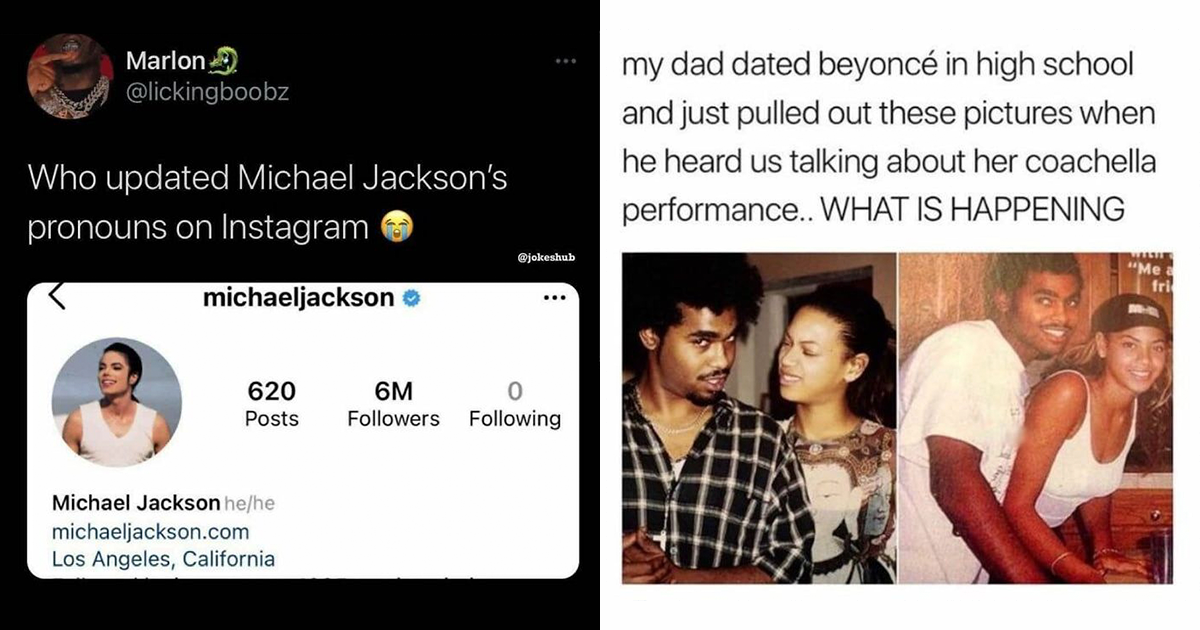
Some internet posts make perfect sense. They inform, inspire, entertain, and politely leave your brain in the same condition they found it. Then there are the other poststhe ones that kick open the door, toss a rubber chicken into the room, and disappear before anyone can ask follow-up questions. These are the hilariously confusing posts that make you pause mid-scroll and whisper, "Wait… what?"
They might be screenshots of strange conversations, oddly worded signs, chaotic marketplace listings, accidental double meanings, or photos where reality appears to have briefly forgotten its job description. At first glance, they seem normal. Then your brain processes the details, hits a pothole, reverses, checks the mirrors, and realizes something has gone wonderfully wrong.
In the noisy world of social media, confusing posts have become their own comedy category. They are short, surprising, highly shareable, and often funnier because they do not explain themselves. A regular joke walks you to the punchline. A confusing post pushes you into a hedge and says, "Figure it out, scholar."
Why Confusing Posts Are So Funny
The secret ingredient is surprise. Humor often works when expectation crashes into reality at a weird angle. You expect a normal sentence, a normal photo, or a normal comment thread. Instead, you get a post that feels like it was written by someone typing during a mild earthquake.
For example, imagine a sign outside a small store that says, "We are open every day except when we are closed." Technically, that is true. Philosophically, it is a cry for help. The humor comes from the gap between what the sign is supposed to doprovide useful informationand what it actually doesmake you question business hours, language, and perhaps time itself.
Confusing posts also invite participation. When a post is obvious, you laugh and move on. When it is strange, you stop and decode it. You zoom in. You read the comments. You send it to a friend with no context because making someone else confused is one of the internet’s oldest forms of friendship.
The Main Types of Hilariously Confusing Posts
Not all confusing posts are created equal. Some are accidental masterpieces. Others are so bizarre that they feel intentionally engineered in a laboratory by raccoons with Wi-Fi. Here are the most common categories that keep people laughing, sharing, and asking whether everyone online is doing okay.
1. The Accidental Contradiction
This type of post says two opposite things with complete confidence. Think of a restaurant update that reads, "We are permanently closed for the weekend." Permanently? For the weekend? That sentence is wearing two different shoes and somehow still made it out of the house.
Accidental contradictions are funny because they sound official. They usually appear in business signs, community notices, product descriptions, or customer service replies. The tone is calm, but the meaning is doing cartwheels. A post like "Free delivery with every pickup order" does not simply confuse readers; it turns logistics into modern art.
2. The Caption That Fights the Image
Sometimes the picture says one thing and the caption says something wildly different. A photo of a peaceful cat might be captioned, "The defendant has no remorse." A blurry plate of noodles might appear under the words, "My first attempt at fixing the printer." The mismatch is the joke.
This is especially popular on platforms driven by images and short captions. The audience expects the caption to explain the photo. When it does the opposite, confusion becomes comedy. It is the same reason a serious museum-style description under a photo of a dog stuck in a laundry basket can feel funnier than a traditional punchline.
3. The Screenshot Conversation Gone Rogue
Text-message screenshots are fertile ground for chaos. Autocorrect, missing context, family group chats, and workplace messages can all turn ordinary conversations into digital riddles.
Picture this exchange:
Person A: "Can you bring the thing?"
Person B: "The legal thing or the cheese thing?"
Now the reader has questions. Why are there multiple things? Why is cheese involved? What happened before this? Do we need a lawyer or crackers? The funniest part is that the people in the conversation may understand everything perfectly, while the rest of us are left staring at the screen like detectives who arrived 20 minutes late.
4. The Marketplace Listing From Another Dimension
Online marketplace posts may be the natural habitat of the confusing post. People sell everything online: old sofas, broken lamps, haunted-looking dolls, half-used paint cans, and mysterious objects described only as "thing."
A listing might say, "Chair for sale. No legs. Still works emotionally." Another might advertise a "gently used staircase" with the warning, "Must remove from house yourself." The best marketplace posts combine practical details with sentences that sound like they were written during a power outage.
Part of the humor comes from sincerity. The seller is not necessarily trying to be funny. They simply want someone to buy a couch that "has seen things but remains loyal." That accidental poetry is hard to beat.
5. The Sign That Raises More Questions Than It Answers
Public signs are supposed to prevent confusion. Naturally, the internet loves when they create it. A restroom sign that says, "Please do not flush anything except toilet paper and emotional baggage" might be intentionally funny. But a sign reading, "Do not enter unless you are already inside" feels like a puzzle guarding a portal.
Signs become confusing when they are poorly translated, badly edited, oddly specific, or missing the context that would make them sensible. A warning like "Do not lick the freezer" may be necessary, but once posted online, it becomes less about safety and more about the untold story. Someone licked the freezer. Someone caused policy.
6. The Too-Specific Complaint
Some posts are funny because they are suspiciously detailed. A person might write, "Reminder: whoever keeps microwaving fish in the office and then pretending it was a candle, we know." That is not just a complaint. That is a miniature crime documentary.
Too-specific posts work because they imply a larger universe. The reader gets only one clue, but it is enough to imagine an entire saga. The more precise the detail, the funnier it gets. "Please stop putting loose spaghetti in the printer tray" is funny because it suggests not one bad decision, but a pattern.
Why the Internet Loves the "Wait… What?" Moment
Online attention is short, competitive, and constantly interrupted. A confusing post has a built-in hook because it forces the viewer to slow down. People do not share it only because it is funny. They share it because they want someone else to confirm that yes, the post is as strange as it looks.
This is why comment sections often become part of the entertainment. One person says, "I read this four times." Another says, "I still do not understand, but I support it." Someone else offers an explanation that is somehow more confusing than the post itself. The original post becomes a group activity, like a tiny online escape room where the prize is laughter.
Confusing posts also fit the rhythm of modern meme culture. They are easy to screenshot, remix, caption, and repost. A bizarre line from one platform can become a reaction image on another. A typo can turn into a running joke. A strange marketplace listing can become a meme template. The internet is very good at taking accidents and giving them a second career.
Examples of Confusing Posts That Feel Instantly Shareable
To understand the appeal, let’s look at a few original-style examples inspired by the kinds of posts that often go viral.
"Please Do Not Feed the Employees"
A sign at a café reads, "Please do not feed the employees. They are on a schedule." Is it a joke? A warning? A labor policy? The wording makes the staff sound like zoo animals with name tags, which is exactly why the post works. It takes an ordinary customer-service message and tilts it just enough to become absurd.
"Looking for My Missing Cat. He Is Home, But Emotionally Unavailable."
This fake-but-believable style of pet post works because it begins like a serious lost-animal notice and then takes a hard left turn into personality analysis. Anyone who has lived with a cat understands the emotional truth. The cat is not missing. The cat has simply chosen distance, judgment, and the top shelf of the closet.
"Washer for Sale. Makes Loud Noise but Only When It’s Thinking."
Marketplace humor often comes from humanizing objects. A broken appliance becomes a complicated roommate. A noisy washer is not malfunctioning; it is processing. Suddenly, a dull sales listing becomes a character study in spin-cycle anxiety.
"Meeting Moved From 3 PM to Yesterday"
Workplace messages can become confusing comedy when scheduling language fails. This kind of post is funny because it captures the emotional reality of office life: somehow, you are already late for a meeting that should not exist yet.
"Found: One Shoe. Still Warm. No Questions."
The phrase "no questions" is the fastest way to create questions. A post like this turns a basic lost-and-found notice into a mystery thriller. Why is the shoe warm? Where is the other shoe? Is the owner running, hiding, or evolving?
The Role of Context Collapse
One big reason confusing posts thrive online is context collapse. Offline, a joke usually comes with tone, setting, facial expression, and shared background. Online, those clues are often missing. A sentence meant for five friends can be screenshotted and shown to five million strangers. Suddenly, the original context is gone, and the post becomes strange in a whole new way.
That does not always hurt the joke. In fact, missing context can make a post funnier. The audience gets just enough information to be intrigued but not enough to feel settled. It is like opening a book to a random page and reading, "That was the last time we trusted the goose." You do not know the plot, but you absolutely want the movie rights.
Why Brands Try to Sound Confusing on Purpose
Brands have noticed that chaotic humor gets attention. Some companies now post in a casual, meme-aware voice, using jokes, slang, strange comparisons, and self-aware captions. When done well, it feels playful and human. When done badly, it feels like a boardroom tried to teach a calculator how to be funny.
The difference is authenticity. A confusing post from a regular person is charming because it feels accidental. A confusing post from a brand needs timing, cultural awareness, and restraint. If the joke feels forced, audiences can smell the marketing through the screen. And nobody wants a meme that arrives wearing a blazer and asking about quarterly engagement goals.
How to Write a Confusing Post That Is Actually Funny
Confusing humor may look random, but the best examples usually have structure. They create a normal expectation, then break it in a clean, surprising way. The key is to confuse the reader without exhausting them.
Start Normal, Then Swerve
A good confusing post begins with something familiar: a sign, a complaint, a text message, a product listing, or a daily-life observation. Then it adds one unexpected detail. "Please label your lunch" is ordinary. "Please label your lunch so we know who to question" is comedy.
Keep It Short
The longer a confusing post explains itself, the less funny it becomes. Let the strangeness breathe. A single odd sentence can be more powerful than a paragraph of over-explained nonsense.
Use Specific Details
Specificity makes absurdity believable. "Stop being weird in the break room" is mildly funny. "Stop arranging the bananas by emotional maturity in the break room" is far better because it gives the imagination something to hold.
Do Not Punch Down
The best confusing posts are silly, not cruel. They laugh at language, situations, objects, awkward timing, or shared human confusion. Posts that target vulnerable people or rely on humiliation tend to age badly. A good rule: make the situation the joke, not someone’s pain.
Why We Remember These Posts
Hilariously confusing posts are memorable because they interrupt the pattern of normal scrolling. Most content online is easy to categorize: news, recipe, selfie, ad, opinion, cat, another cat, possibly the same cat in better lighting. But a confusing post resists quick categorization. It makes the brain pause.
That pause is valuable. It creates curiosity, and curiosity keeps people engaged. You may forget dozens of ordinary posts you saw today, but you will remember the sign that said, "Soup of the day: coffee." You may not know why it happened, but part of you respects the confidence.
The Joy of Being Confused Together
There is something oddly wholesome about sharing a confusing post. It says, "I found this strange little artifact, and I would like you to experience the same mental speed bump." It is a low-effort way to connect, laugh, and acknowledge that the world is often ridiculous.
In a time when online spaces can feel tense, confusing humor offers a tiny break. It does not require a political stance, a deep explanation, or a perfect punchline. It simply asks everyone to gather around the digital campfire and admire a sentence that probably should not exist.
Personal Experience: Living in the Age of "Wait… What?" Posts
After years of watching internet culture evolve, I have come to believe that confusing posts are not just a comedy genre. They are a survival tool. The internet moves fast, daily life is overloaded with information, and sometimes the only reasonable response to modern existence is laughing at a screenshot where someone asks, "Can I substitute the chicken in this recipe with printer ink?"
One of the funniest things about these posts is how universal the reaction feels. You do not need to be an expert in meme history to enjoy a confusing sign or a strange text exchange. The humor is immediate because the confusion is immediate. Your brain wants order. The post refuses to provide it. Somewhere in that little standoff, comedy appears.
I have seen people bond over the most ridiculous online fragments. A group chat can be silent for days, then one person drops in a photo of a store sign reading, "Closed due to open," and suddenly everyone is alive again. Someone replies with a crying-laughing emoji. Someone else says, "Honestly, same." Another person starts analyzing whether the sign is accidentally profound. Within seconds, a random mistake has become a shared event.
That is the charm of "Wait… what?" content. It gives people permission to be briefly unserious. It invites adults, who are usually busy answering emails and pretending to understand insurance forms, to enjoy pure nonsense for 12 seconds. There is real value in that. Not every piece of content needs to teach a lesson, sell a product, or improve your morning routine. Some posts exist simply to make you tilt your head like a confused golden retriever.
I also think confusing posts reveal how creative ordinary people are, even accidentally. A typo can become poetry. A bad translation can become surrealist comedy. A frustrated office note can become a bestselling emotional thriller in three sentences or less. The people creating these posts may not think of themselves as writers or comedians, but their wording sometimes lands better than polished ad copy. That is part of why the internet keeps recycling these moments: they feel spontaneous, human, and impossible to manufacture perfectly.
Of course, not every confusing post is harmless. Sometimes confusion comes from misinformation, missing context, or posts designed to provoke outrage. That is why it helps to keep a little media literacy in your back pocket. Laugh at the weird sign. Enjoy the absurd screenshot. But if a post makes a serious claim, especially about health, safety, money, or public events, slow down before sharing. A good confusing joke should make you question grammar, not reality.
Still, the best examples of this genre are delightful. They remind us that human communication is beautifully imperfect. We try to be clear, and instead we write, "Fresh fish sold here yesterday." We try to be professional, and instead we send an email that says, "Please ignore the previous ignore." We try to sell an old chair, and somehow we describe it as "emotionally sturdy."
That is why these posts keep working. They capture the comedy of being human in public, online, and slightly under-caffeinated. They are tiny monuments to miscommunication. They make us laugh not because they are perfectly crafted, but because they are perfectly off. And sometimes, after a long day, the best thing the internet can offer is a post so confusing that your only possible response is the most honest one: "Wait… what?"
Conclusion
Hilariously confusing posts are proof that the internet’s funniest moments are not always planned. A strange caption, a badly worded sign, an oddly specific complaint, or a screenshot with missing context can become comedy gold because it catches the brain off guard. These posts work because they are surprising, shareable, and wonderfully imperfect.
They also remind us that humor does not need to be complicated to be effective. Sometimes all it takes is one sentence that almost makes sense, one photo that raises too many questions, or one marketplace listing that sounds like it was written by a haunted toaster. In a digital world packed with polished content, confusing posts feel refreshingly human. They stumble, wobble, and somehow land the joke.
Note: This article is written as original web-publishing content and synthesizes research-based understanding of internet humor, meme culture, social media behavior, ambiguity, and online audience engagement without using copied text or citation placeholders.