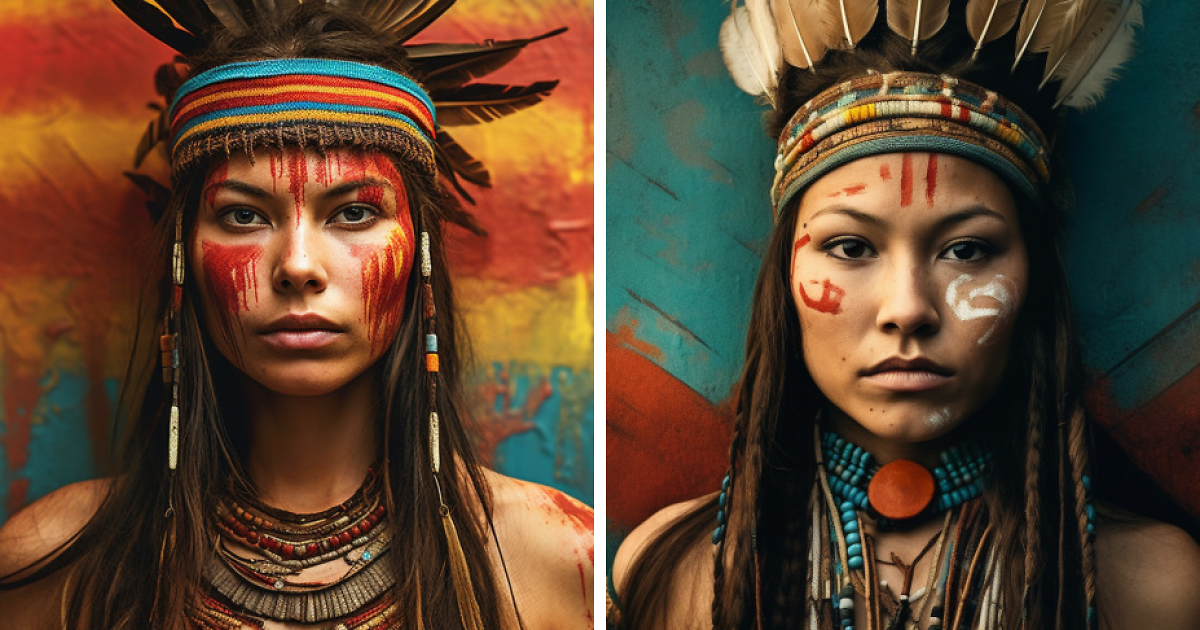
Artificial intelligence has officially entered its dramatic portrait era. Once upon a time, creating a striking image of a person required a camera, a studio, a lighting kit, a model, a stylist, a makeup artist, a patient editor, three cups of coffee, and at least one mysterious cable nobody could identify. Today, AI image generators can turn a written prompt into a cinematic portrait in seconds. The result may look like a magazine cover, a museum piece, a forgotten family photo from the future, or a fashion campaign from a planet where everyone owns excellent coats.
But “AI photos of people” are more than digital party tricks. They sit at the intersection of art, technology, identity, ethics, copyright, and visual storytelling. These images can be beautiful, strange, emotional, and technically impressive. They can also raise big questions: Who created the image? Is it photography if no camera was used? Should AI-generated portraits be labeled? And why do AI people always look like they know the secret to perfect cheekbone lighting?
This article explores five artistic styles of AI-generated people photography, how they are made, why they attract attention, and what creators should consider before publishing them online. Think of it as a gallery walk through the new world of artificial intelligence artminus the uncomfortable shoes and tiny cheese cubes.
What Are AI-Generated Photos of People?
AI-generated photos of people are images created by machine learning models from text prompts, reference images, sketches, or a mix of creative inputs. Instead of capturing a real person through a lens, the system predicts and constructs an image based on patterns it learned from vast visual datasets. The final result may look photographic, painterly, editorial, surreal, vintage, futuristic, or anything in between.
Popular AI image tools have made this process accessible to everyday users, designers, marketers, artists, bloggers, and small businesses. A prompt such as “cinematic portrait of an elderly jazz singer in a smoky blue club, soft rim light, 85mm lens style, emotional expression” can produce an image that feels like a movie still. Add more directionwardrobe, mood, color palette, background, facial expression, lighting styleand the output becomes more refined.
However, AI portrait creation is not just typing random words and waiting for digital magic to arrive wearing a velvet cape. Strong results usually require visual taste, revision, editing, ethical judgment, and a clear concept. The best AI art feels intentional, not accidental. It tells a story before the viewer starts asking how many fingers the subject has.
1. The Cinematic AI Portrait
The cinematic AI portrait is one of the most popular forms of AI-generated people photography. It borrows the language of film: dramatic lighting, shallow depth of field, moody color grading, expressive faces, and backgrounds that seem to hint at a larger story. These images often look like character posters for movies that do not exist yetbut honestly, some of them deserve a trailer.
Why It Works
Humans are naturally drawn to faces and stories. A cinematic portrait gives viewers both. The subject may be standing in a rainy city street, sitting in a quiet diner at midnight, or staring out a train window with the emotional intensity of someone who has just remembered their childhood bicycle. The image invites the viewer to imagine what happened before and what comes next.
AI tools are especially good at combining atmosphere with recognizable visual cues. Terms like “golden hour,” “film still,” “soft backlight,” “noir,” “35mm,” “editorial portrait,” and “dramatic shadows” can help shape the mood. Creators often use cinematic AI portraits for concept art, character design, book covers, music visuals, and blog illustrations.
Example Concept
Imagine an AI-generated portrait of a young violinist standing under a neon sign after a late-night performance. Her coat is slightly oversized, the pavement glows from recent rain, and the city lights blur behind her. No real person posed for the image, yet it feels emotionally specific. That is the charm of cinematic AI portraiture: it creates the suggestion of a life.
2. The Surreal Fashion Portrait
If cinematic AI portraits whisper, surreal fashion portraits arrive wearing a mirror-covered jacket and announce themselves from across the room. This style blends high-fashion photography with impossible details: dresses made of clouds, hair shaped like ocean waves, metallic skin, floating accessories, or backgrounds that look like luxury hotels designed by a very stylish dream.
AI art thrives in the space between realism and fantasy. A traditional fashion shoot is limited by materials, budget, location, gravity, and whether anyone can actually walk in the shoes. AI-generated fashion portraits cheerfully ignore several of those restrictions. Want a gown made of stained glass? A model surrounded by floating red paper cranes? A futuristic silver suit in a desert under two moons? AI says, “Absolutely, and would you like extra sparkle?”
Why It Works
Fashion has always been about imagination, identity, and transformation. AI expands that playground. Designers can test visual concepts before producing garments. Bloggers can illustrate trend pieces with unique visuals. Artists can explore body language, color, shape, and symbolism without needing a full production crew.
Still, there are important boundaries. AI-generated fashion portraits should avoid copying a living designer’s exact campaign style or using the likeness of real people without permission. The best approach is to create original visual worlds rather than asking the tool to imitate a specific photographer, celebrity, or brand too closely.
Example Concept
A striking surreal fashion image might show a person in a pearl-white sculptural coat standing inside a room filled with floating gold leaves. Their pose is calm, their expression unreadable, and the lighting is soft enough to make the whole scene feel like a luxury perfume ad from another dimension. It is not reality, but it is emotionally fashionable reality-adjacent.
3. The Vintage Memory Portrait
Some AI-generated photos of people look like they were pulled from an old shoebox in an attic. These vintage memory portraits often use black-and-white tones, faded colors, grainy textures, soft focus, or period-inspired clothing. They create nostalgia for people who never existed, which sounds strange until you realize fiction has been doing that forever.
This style became especially important in public conversations about AI and photography because AI-generated images have already entered photography competitions and sparked debate about whether such work belongs beside camera-made photographs. Many artists argue that AI images can be art, but they should not be confused with documentary photography or traditional photojournalism.
Why It Works
Vintage portraits carry emotional weight. We associate them with ancestry, memory, loss, romance, and history. When AI creates a convincing vintage-style portrait, it can feel eerily personal, as if the image came with a handwritten note and a family secret.
For storytellers, this style is powerful. A novelist might use it to visualize a fictional grandmother. A musician might create cover art inspired by 1940s jazz clubs. A history blogger might use clearly labeled AI images to evoke a time period without claiming the image is a real archival photograph.
Example Concept
Picture an AI-generated black-and-white portrait of two sisters in a small kitchen in 1938. One laughs while holding a teacup; the other looks away, half-smiling. The light falls through lace curtains. The image feels human because it borrows the emotional grammar of family photography. But transparency matters: viewers should know it is AI-generated, not historical evidence.
4. The Futuristic Identity Portrait
Futuristic AI portraits are where human identity meets technology, science fiction, and glowing blue things that probably require a charging cable. These images often feature cyberpunk cities, augmented faces, chrome materials, holographic makeup, robotic accessories, or people dressed like they are late for a meeting on Mars.
This style is popular because it visualizes questions many people are already asking: How will AI change work, beauty, creativity, privacy, and self-expression? A futuristic portrait can be more than a cool profile image. It can be a visual essay about the relationship between humans and machines.
Why It Works
AI tools are excellent at blending human features with speculative design. They can create portraits that feel both familiar and alien. A face may look realistic, but the environment, clothing, or lighting suggests a world that has not arrived yet. That contrast gives the image energy.
Futuristic portraits work especially well for tech blogs, gaming concepts, science fiction projects, album covers, and digital art collections. The trick is to avoid generic “person with neon face lines” clichés. A stronger concept gives the subject a role, emotion, and setting. Instead of “cyborg woman,” think “retired space engineer repairing a childhood robot in a quiet apartment overlooking a vertical city.” Suddenly, the portrait has a pulse.
Example Concept
An AI-generated image might show an older man with silver hair and translucent smart glasses sitting in a greenhouse filled with robotic bees. His expression is peaceful, not flashy. The scene suggests a future where technology and nature are trying to get along, possibly after several awkward meetings.
5. The Painterly Human Portrait
Not every AI portrait needs to look like a real photograph. Painterly AI portraits combine the structure of portrait photography with the texture and mood of traditional art. They may resemble oil paintings, charcoal sketches, watercolor studies, digital illustrations, or mixed-media collages. These images are ideal when the goal is not realism but interpretation.
A painterly portrait can exaggerate color, simplify facial details, distort proportions, or turn the background into symbolic shapes. It can show a person surrounded by flowers, maps, stars, birds, handwritten text, or abstract patterns. Instead of asking, “Does this look real?” the viewer asks, “What does this feel like?”
Why It Works
Painterly AI portraits leave room for emotion and metaphor. They are useful for editorial illustrations, mental health essays, poetry pages, personal branding, posters, and creative campaigns. They also reduce some of the discomfort viewers may feel with hyper-realistic AI people, because the image clearly presents itself as art rather than reality.
That said, creators should still be careful with prompts that reference living artists too directly. A healthier creative method is to describe visual qualitiesbrush texture, warm palette, loose composition, symbolic backgroundrather than demanding a copy of a specific artist’s recognizable style.
Example Concept
Imagine a painterly AI portrait of a teacher whose hair gradually turns into pages from open books. The background glows with soft amber light, and tiny paper birds lift from the margins. It is not a photo in the literal sense, but it communicates something photography also loves: personality, purpose, and presence.
How AI Creates Realistic People Without Photographing Them
Most modern AI image generators use advanced machine learning models that learn relationships between words and visual patterns. When a user writes a prompt, the model interprets the description and creates a new image based on statistical associations. It does not “remember” a person the way humans remember a face, but it can generate realistic-looking people by combining features, lighting, pose, texture, and composition.
This is why prompt writing matters. A vague prompt may produce a generic face with the emotional range of a passport photo. A detailed prompt can guide the image toward a specific mood, era, setting, and artistic purpose. Strong AI portrait prompts often include subject description, expression, environment, camera style, lighting, color palette, composition, and intended emotion.
For example, “portrait of a woman” is plain oatmeal. “Editorial portrait of a middle-aged botanist in a sunlit greenhouse, gentle smile, linen jacket, soft natural light, shallow depth of field, warm earth tones, quiet thoughtful mood” is oatmeal with cinnamon, honey, and a tiny spoon that makes you feel fancy.
SEO and Publishing Tips for AI People Images
If you plan to publish AI-generated artistic photos of people on a website, treat them like real content assets, not decorative confetti. Search engines and readers both benefit from clarity. Use descriptive file names, meaningful alt text, and captions that explain the image. If the image is AI-generated, say so clearly. Transparency builds trust, especially when the image looks realistic.
Good alt text should describe the image without overstuffing keywords. For example: “AI-generated cinematic portrait of a violinist standing in a rainy neon-lit street.” That is more useful than “best AI photo people artificial intelligence portrait image generator art photo,” which sounds like a robot fell down the stairs while holding an SEO manual.
For blog posts, pair AI images with useful context. Explain the artistic idea, the style, the ethical considerations, and how the image supports the article. Search engines increasingly reward content that helps users, not pages that simply throw trendy visuals onto a screen and hope for applause.
Ethical Questions: Beauty, Consent, Copyright, and Trust
AI-generated portraits can be fun, but they are not ethically neutral. The biggest concerns involve consent, likeness, authenticity, copyright, and public trust. Creators should avoid generating images that impersonate real people, especially private individuals. They should also avoid using AI portraits to mislead audiences into believing an invented person is real in a news, medical, financial, or political context.
Copyright is another complicated area. In the United States, purely AI-generated works have faced limits around copyright protection when there is not enough human authorship. However, works that include meaningful human creativityselection, arrangement, editing, composition, or original additionsmay be treated differently depending on the facts. For publishers, the practical lesson is simple: do not assume every AI image is automatically protectable, and do not assume every AI output is risk-free.
Transparency tools are also becoming more important. Content credentials, provenance metadata, and watermarking systems are designed to help viewers understand whether an image was generated or edited by AI. These systems are not perfect, but they are part of a broader movement toward more honest visual media.
Why People Love AI Artistic Portraits
People love AI portraits because they make imagination visible. They let creators test ideas quickly, explore styles, and build visual worlds without needing a Hollywood budget. A blogger can create a custom header image. A novelist can visualize a character. A musician can design a surreal cover concept. A teacher can make lesson visuals. A small business can develop mood boards before hiring a production team.
AI also lowers the barrier to creative experimentation. Someone who cannot draw or manage a photo shoot can still express a visual idea. That does not replace photographers, illustrators, stylists, or art directors. Instead, it creates a new toolone that can be powerful when used honestly and lazily obvious when used without taste.
The best AI-generated portraits still need human direction. The machine may produce pixels, but the person chooses the concept, edits the result, judges the meaning, and decides whether the image deserves to exist outside the drafts folder. Artistic judgment remains the secret sauce. AI is the oven; you still have to know whether you are baking bread or accidentally inventing a haunted pancake.
of Personal-Style Experience: What It Feels Like to Create AI Portraits
Working with AI-generated people images can feel like directing a photo shoot with an invisible crew that is extremely fast, wildly talented, and occasionally confused about human anatomy. The first attempt may look impressive at a glance, but then you notice a hand doing something that no hand has done in the history of hands. That is part of the experience. AI portrait creation rewards patience, revision, and a sense of humor.
The most enjoyable part is discovering how small wording changes can transform the whole image. Change “serious expression” to “quiet confidence,” and the face softens. Change “studio lighting” to “soft window light,” and the mood becomes more intimate. Add “documentary style,” and the image may feel grounded. Add “surreal editorial fashion,” and suddenly the subject looks ready to sell moon perfume.
One useful lesson is that AI responds better to direction than decoration. A prompt stuffed with too many trendy words can produce a messy image. A focused prompt with a clear subject, setting, emotion, and lighting style usually works better. Instead of asking for “beautiful artistic amazing ultra-detailed award-winning masterpiece,” describe what the viewer should actually see. Beauty is not a command; it is a result.
Another experience is learning to edit without becoming too attached to the first output. AI can generate many variations, but not all of them deserve a standing ovation. Some look polished but empty. Others have small flaws but a stronger emotional pull. The creator’s job is to choose, refine, crop, adjust, and sometimes say, “Nice try, robot Picasso, but this one goes to the digital recycling bin.”
Creating AI portraits also makes you think differently about real photography. It increases appreciation for actual photographers who understand light, timing, trust, and human presence. A real portrait session captures a relationship between photographer and subject. AI does not replace that. It creates a different kind of image: imagined, constructed, symbolic, and flexible. The two can coexist, but they should not be mislabeled as the same thing.
The biggest practical takeaway is transparency. When an AI-generated person looks real, labeling matters. Viewers deserve to know whether they are seeing a photographed human being or a synthetic portrait. Clear labeling does not make the art less valuable. In many cases, it makes the creator look more professional. Honesty is not a creativity tax; it is part of responsible publishing.
After experimenting with AI portrait styles, the strongest images tend to be the ones with a story. A face alone can be attractive, but a face with context becomes memorable. Give the person a place, a mood, a conflict, a profession, a secret, a color palette, or a symbolic object. That is where AI-generated people images move from “cool picture” to “artistic photo worth discussing.”
Conclusion: AI Portraits Are a New Creative Mirror
AI-generated artistic photos of people are changing how creators imagine portraits. They can be cinematic, surreal, nostalgic, futuristic, or painterly. They can help bloggers, designers, artists, and storytellers create visuals that would otherwise be expensive or impossible. They can also confuse audiences if used carelessly.
The future of AI people images will depend on balance. Creators should enjoy the freedom of the technology while respecting consent, originality, labeling, and trust. The goal is not to trick viewers. The goal is to make them feel something, think harder, and maybe smile at the strange fact that a sentence can now become a face.
In the end, the most artistic AI portraits are not just technically realistic. They are conceptually clear. They have mood, intention, and a reason to exist. Whether you are making a vintage memory, a futuristic identity study, or a fashion portrait featuring a coat that clearly has its own manager, the same rule applies: use AI as a creative partner, not a shortcut around taste.