Note: This article is for educational purposes only. Sublingual and buccal medications should be used exactly as directed by a licensed health care professional or the medication label. Do not change how you take a medicine, split it, chew it, swallow it early, or place it in a different part of the mouth unless your doctor or pharmacist says it is safe.
What Are Sublingual and Buccal Medications?
Sublingual and buccal medication administration may sound like something a pharmacist says before their morning coffee kicks in, but the idea is surprisingly simple. Both methods involve placing medicine inside the mouth so it can dissolve and absorb through the oral tissues instead of being swallowed like a regular tablet.
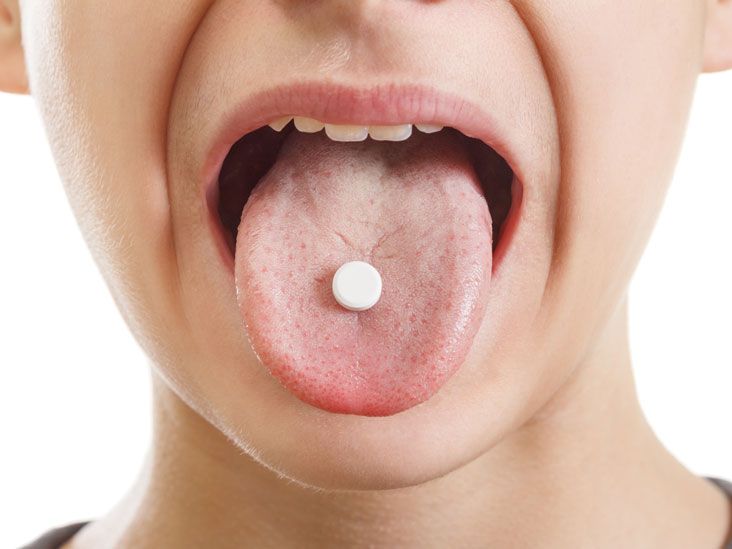
Sublingual medication administration means placing the medicine under the tongue. The word “sublingual” literally means “under the tongue,” which is refreshingly logical for medical vocabulary. Buccal medication administration means placing the medicine between the cheek and gum, usually along the inner cheek. In both cases, the medicine sits against moist tissue and enters the bloodstream through tiny blood vessels in the mouth.
These routes are often used when a medication needs to work quickly, when swallowing is difficult, or when the drug would be broken down too much in the stomach or liver if taken the usual oral way. They are not magic shortcuts, though. They work only for medicines specifically designed for this type of absorption.
How Sublingual and Buccal Absorption Works
The mouth is more than a place for snacks, awkward dentist conversations, and regrettable hot coffee decisions. It also contains mucous membranes with a rich blood supply. When a sublingual or buccal medicine dissolves, the active ingredient can move through these membranes and into the bloodstream.
This can help a medication avoid part of what is called first-pass metabolism. Normally, when you swallow a pill, it travels through the digestive system and then to the liver, where some of the medicine may be broken down before it reaches the rest of the body. Sublingual and buccal routes can reduce this early breakdown for certain drugs, which may help them act faster or more efficiently.
Sublingual vs. Buccal: The Main Difference
The sublingual area under the tongue is thin and highly vascular, so some medicines placed there may absorb quickly. Buccal tissue inside the cheek is a little thicker and may allow a slower, steadier release depending on the medication form. That is why sublingual tablets are often associated with fast action, while buccal films or tablets may be designed to stay in place longer.
The most important rule is simple: use the exact placement your medication requires. A product designed for the cheek may not work the same way under the tongue, and a sublingual tablet may lose effectiveness if swallowed too soon. Your mouth is talented, but it is not a pharmacy laboratory.
Common Reasons These Routes Are Used
Doctors and pharmacists may recommend sublingual or buccal medications for several practical reasons. Some drugs need fast absorption. Others are not ideal for the stomach. Some patients have trouble swallowing tablets or capsules. In certain situations, a medication that dissolves in the mouth can be more convenient than a pill that needs water.
Examples include certain heart medicines, medications for opioid use disorder, some medicines for mouth infections, and specific prescription films or tablets used for neurological, psychiatric, or pain-related conditions. The exact use depends on the drug, the patient’s health condition, and the prescriber’s instructions.
Benefits of Sublingual and Buccal Medication Administration
1. Faster Onset for Certain Medications
Because sublingual medications can enter the bloodstream through the tissues under the tongue, some begin working more quickly than swallowed tablets. This is one reason sublingual nitroglycerin is commonly associated with relief of angina symptoms when prescribed for that purpose.
2. Avoiding Some Digestive Breakdown
Some medications lose strength when exposed to stomach acid, digestive enzymes, or liver metabolism after swallowing. Sublingual and buccal routes may help certain drugs bypass part of that process, allowing more predictable absorption.
3. Helpful for People Who Have Trouble Swallowing
Not everyone can swallow tablets easily. Children, older adults, people with nausea, and patients with certain medical conditions may struggle with traditional pills. A dissolving film or tablet may be easier when prescribed appropriately.
4. No Needle Required
For medications that need systemic action, sublingual and buccal options can sometimes offer an alternative to injections. That does not make them suitable for every drug, but when they are available, many patients appreciate avoiding needles. Shocking news: people generally prefer not being poked.
Limitations and Possible Problems
Sublingual and buccal medication administration is useful, but it is not perfect. The mouth is a busy place. Saliva, talking, eating, drinking, chewing, and accidental swallowing can all interfere with absorption. If a tablet or film is swallowed before it dissolves, the dose may not work as intended.
Some medicines may cause a bitter taste, mouth tingling, irritation, dryness, or soreness. Certain medications that dissolve in the mouth have also been linked with dental concerns, especially when used long term. For example, the FDA has warned about dental problems reported with buprenorphine medicines that dissolve in the mouth. Patients using these products should follow oral care instructions, keep dental appointments, and report tooth or gum symptoms promptly.
How to Take Sublingual Medication Safely
Always follow your medication guide, prescription label, and pharmacist’s instructions. In general, sublingual medicine is placed under the tongue and allowed to dissolve completely. The person should avoid chewing, crushing, swallowing early, eating, drinking, or talking too much while the medicine dissolves unless the label says otherwise.
For some products, it may help to moisten the mouth first with a sip of water, then place the tablet or film under the tongue. Some medicines also include specific aftercare instructions, such as rinsing the mouth after the medicine fully dissolves or waiting before brushing teeth. These instructions vary by medication, so the label wins every argument.
How to Take Buccal Medication Safely
Buccal medicine is usually placed between the gum and cheek. Some buccal films are applied to the inside of the cheek and held there until they dissolve. Others may be placed along the upper gum. The medication should stay in contact with the cheek or gum tissue and should not be moved around like a mint.
Patients should avoid chewing or swallowing the medication unless specifically instructed. If the medicine falls off, breaks, or is swallowed too early, contact a pharmacist or prescriber for guidance. Do not simply take an extra dose unless a medical professional tells you to do so.
Sublingual and Buccal Medication Examples
Several medications are available in sublingual or buccal forms. One well-known example is nitroglycerin sublingual tablets or spray, which may be prescribed for angina. Some buprenorphine products are taken as sublingual tablets, sublingual films, or buccal films. Miconazole buccal tablets may be used for certain fungal infections in the mouth and throat. Other prescription products may come as dissolving films for specific medical conditions.
The key point is that dosage form matters. A regular tablet is not automatically safe or effective under the tongue. Likewise, a film designed for buccal use should not be treated like candy, gum, or a DIY science project. Medication design is precise, and the route is part of the prescription.
Safety Tips Patients Should Remember
Read the Medication Guide
Many sublingual and buccal medicines come with detailed patient instructions. Read them before the first dose and again if anything changes. If the instructions seem confusing, ask the pharmacist. Pharmacists enjoy preventing medication mistakes; it is practically their superhero cape.
Keep the Mouth Healthy
Good oral hygiene matters. Some medicines dissolved in the mouth may expose teeth and gums to ingredients for several minutes each dose. Depending on the product, your clinician may recommend rinsing after the medicine fully dissolves, waiting before brushing, and keeping regular dental checkups.
Avoid Food and Drink During Dissolving
Eating or drinking too soon can wash away the medicine, change absorption, or cause swallowing before the full dose has dissolved. Unless your medication instructions say otherwise, let the dose dissolve completely before eating or drinking.
Do Not Share Medication
Sublingual and buccal medications are often prescribed for very specific conditions. Sharing them can be dangerous. A medicine that is safe for one person may be risky for another, especially if they have heart disease, low blood pressure, breathing problems, allergies, or are taking interacting medicines.
When to Call a Doctor or Pharmacist
Contact a health care professional if the medication causes mouth sores, swelling, rash, dizziness, fainting, severe nausea, trouble breathing, unusual sleepiness, tooth pain, gum pain, or signs of infection. Seek urgent medical care for severe allergic symptoms, chest pain that does not improve as instructed by your clinician, or any symptom that feels sudden and serious.
You should also ask for help if you accidentally swallow a dose early, miss a dose, damage a film, vomit soon after administration, or cannot keep the medication in place. Guessing is not a great medication strategy. It ranks somewhere between “using a toaster as a foot warmer” and “assembling furniture without looking at the instructions.”
Practical Experiences Related to Sublingual and Buccal Medication Administration
In real life, sublingual and buccal medication administration is less dramatic than it sounds, but it does require patience. Many people expect a dissolving tablet or film to disappear instantly, like a breath strip in a commercial. In practice, some products take several minutes to dissolve, and those minutes can feel longer when you are trying not to talk, sip water, or check whether the medicine is still there every eight seconds.
One common experience is learning how much saliva the mouth can produce when told not to swallow. It is as if the salivary glands hear “stay still” and immediately start a tiny water park. Patients often do better after practicing a calm routine: sit upright, moisten the mouth if instructed, place the medication carefully, close the mouth gently, and avoid unnecessary movement. The less the tongue pokes at the medicine, the better.
Another real-world lesson is that placement matters. A sublingual tablet should sit under the tongue, not on top of it. A buccal film should rest against the cheek or gum as directed, not float around the mouth like a lost postage stamp. Small placement errors can lead to swallowing part of the dose, slower dissolving, or irritation in the wrong spot. Patients who struggle with placement should ask a pharmacist to demonstrate using the package directions.
Taste is another experience people notice quickly. Some sublingual and buccal medicines have a bitter, chalky, minty, or medicinal flavor. That does not always mean something is wrong. However, if the taste is unbearable, causes gagging, or makes it hard to complete doses, a clinician may be able to discuss options. Do not add food, candy, or drinks to cover the taste unless a pharmacist confirms it will not interfere with absorption.
Caregivers also learn that timing and environment help. A busy kitchen, ringing phone, barking dog, and someone asking, “Can you answer one quick question?” are not ideal conditions for medication that needs to dissolve quietly. A simple routine can reduce mistakes: wash hands, check the label, confirm the dose, place the medication, wait until it dissolves, and record the dose if needed.
Dental care is another practical issue, especially for people using long-term medications that dissolve in the mouth. Patients may not connect tooth sensitivity or gum discomfort with medication administration, so it is worth paying attention. Regular dental visits, gentle oral hygiene, and reporting mouth symptoms early can prevent small problems from becoming expensive problems. Teeth are wonderful, but they do not come with a cheap subscription plan.
Finally, people often discover that confidence improves with repetition. The first few doses may feel awkward. After a week or two, many patients develop a comfortable rhythm. The goal is not perfection; it is safe, consistent use. When in doubt, ask. A two-minute conversation with a pharmacist can prevent days of confusion and help the medication do exactly what it was designed to do.
Conclusion
Sublingual and buccal medication administration are smart, practical routes that use the mouth’s absorbent tissues to deliver certain medications into the bloodstream. Sublingual medicines dissolve under the tongue, while buccal medicines dissolve between the cheek and gum. These methods may offer faster action, avoid some digestive breakdown, and help people who have trouble swallowing traditional pills.
Still, they require careful technique. The medicine must be placed correctly, allowed to dissolve fully, and used exactly as directed. Patients should watch for mouth irritation, dental issues, side effects, and any signs that the medication is not working as expected. With clear instructions, good oral care, and help from health professionals, sublingual and buccal medications can be safe, effective, and far less mysterious than their fancy names suggest.