Note: This guide is for educational purposes and does not replace care from an exotic-animal veterinarian. Guinea pig pneumonia is not a “wait and see” problem. If your guinea pig is breathing with an open mouth, struggling to breathe, refusing food, acting extremely weak, or looking blue or pale around the mouth, treat it as an emergency and contact an exotic vet immediately.
Why Guinea Pig Pneumonia Is So Serious
Guinea pigs are adorable little hay-powered potatoes, but they are also experts at hiding illness. In the wild, looking sick makes a small animal look like lunch, so pet guinea pigs often act “mostly fine” until a respiratory infection is already advanced. That is one reason pneumonia in guinea pigs can become dangerous quickly.
Pneumonia means inflammation or infection in the lungs. In guinea pigs, it is commonly linked to bacteria such as Bordetella bronchiseptica, Streptococcus pneumoniae, Staphylococcus, and other respiratory pathogens. Some guinea pigs may carry bacteria without showing obvious symptoms, then become sick when stress, poor nutrition, damp bedding, overcrowding, or another illness weakens their defenses.
The most important rule is simple: caring for a guinea pig with pneumonia starts with veterinary treatment. Home care can make recovery smoother, but it cannot replace antibiotics, oxygen therapy, imaging, fluids, or other medical support when they are needed. Think of yourself as the recovery nurse, snack manager, cage janitor, and emotional support humannot the doctor with a tiny stethoscope.
Common Signs of Pneumonia in Guinea Pigs
Knowing the symptoms helps you act early. A guinea pig with pneumonia may show one obvious sign or several subtle ones. Do not wait for every symptom on the list to appear.
Respiratory symptoms
- Fast, heavy, or labored breathing
- Wheezing, clicking, crackling, or hooting sounds
- Sneezing or coughing-like noises
- Discharge from the nose or eyes
- Crusty nostrils or wet fur around the mouth
- Open-mouth breathing, which is an emergency
Behavior and appetite changes
- Eating less hay or refusing favorite vegetables
- Weight loss, even if it seems small at first
- Lethargy, hiding, or sitting hunched in one place
- Fluffed-up coat
- Reduced poop output
- Less interest in cage mates or normal routines
A guinea pig that stops eating is in double trouble. Pneumonia affects breathing, but poor appetite can also slow the digestive system. Guinea pigs need steady fiber intake to keep their gut moving. If your piggy is not eating, that is not a cute hunger strike. It is a medical concern.
Step 1: See an Exotic Veterinarian Immediately
The first and most important step in guinea pig pneumonia care is scheduling an urgent visit with a veterinarian who treats exotic pets or small mammals. A cat-and-dog clinic may be wonderful, but guinea pigs are not tiny dogs with dramatic haircuts. They have special medication sensitivities, diet needs, and handling concerns.
Your vet may listen to the lungs, check hydration, examine the eyes and nose, take the guinea pig’s temperature, and recommend X-rays to look for lung changes. In some cases, the vet may suggest bacterial testing, bloodwork, or other diagnostics. Treatment depends on severity, but it may include guinea-pig-safe antibiotics, anti-inflammatory medication, oxygen therapy, nebulization, fluids, and assisted feeding.
Never give leftover antibiotics, human medicine, cold medicine, essential oils, or “natural” respiratory remedies. Some antibiotics that are safe for other animals can be dangerous or even fatal for guinea pigs because they disrupt the delicate bacteria in the digestive tract. Always use the exact medication, dose, and schedule your vet prescribes.
Step 2: Create a Warm, Calm Recovery Space
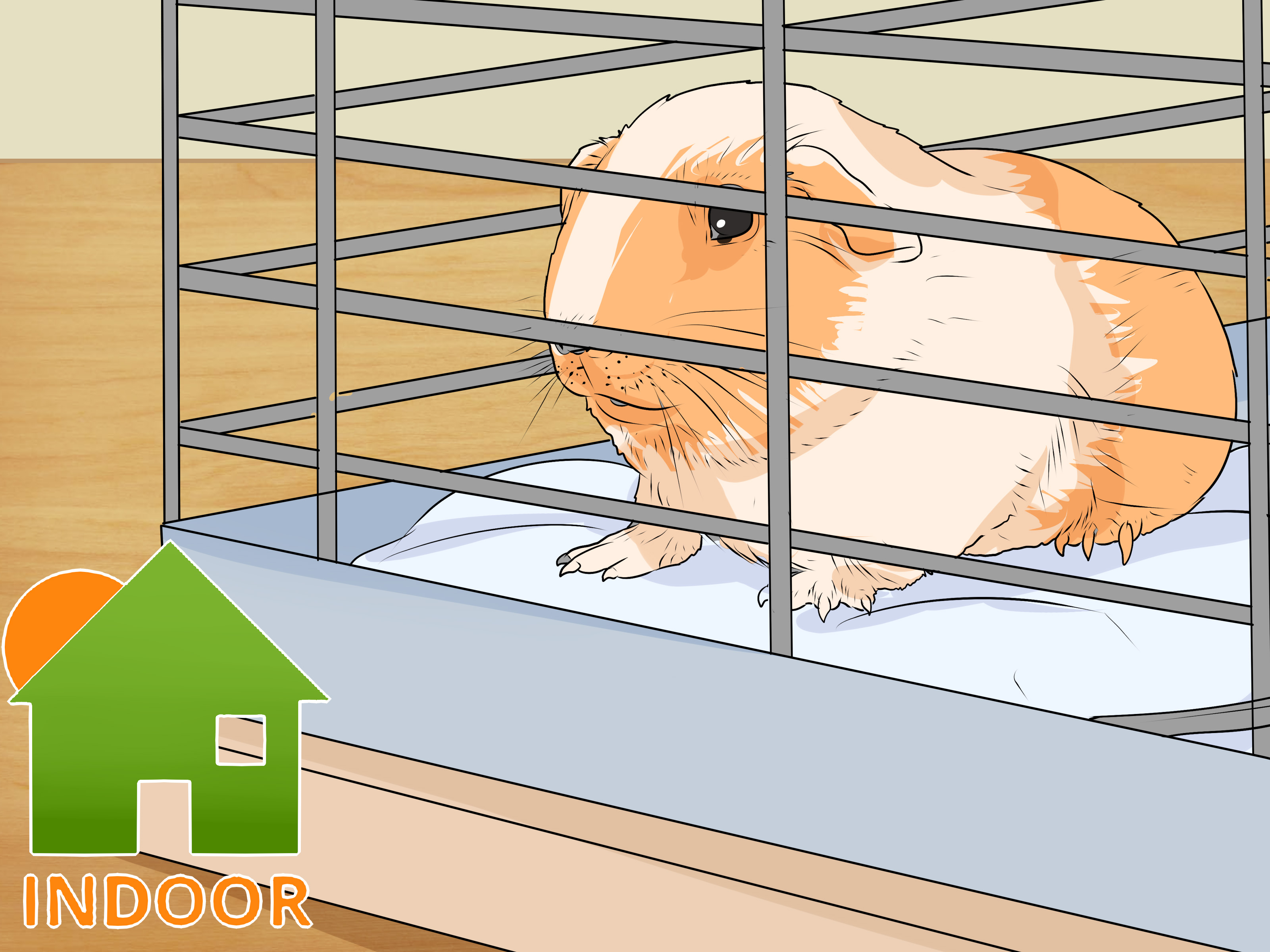
A sick guinea pig needs a low-stress recovery area. The goal is clean air, stable temperature, easy access to food and water, and minimal drama. Basically, a quiet little hospital suiteminus the terrible cafeteria food.
Set up the recovery cage
- Use soft, dry, low-dust bedding.
- Remove wet bedding quickly to reduce moisture and ammonia.
- Keep hay fresh, clean, and as dust-free as possible.
- Place food, water, and hideouts close together so your guinea pig does not need to travel far.
- Avoid drafts, smoke, perfumes, candles, aerosol sprays, and strong cleaning fumes.
Temperature matters. Keep the room comfortably warm but not hot. A chilled guinea pig may use precious energy trying to stay warm, while an overheated guinea pig may breathe harder. Avoid placing the cage directly beside heaters, air conditioners, sunny windows, or fans.
Step 3: Follow the Medication Plan Exactly
If your vet prescribes antibiotics, give every dose as directed. Do not stop early just because your guinea pig looks brighter, starts wheeking again, or gives you the “I am clearly cured, now bring lettuce” face. Pneumonia can return if treatment is stopped too soon.
Ask your vet what side effects to watch for. Important warning signs during treatment include diarrhea, worsening appetite, drooling, severe lethargy, bloating, or a sudden drop in body temperature. If you notice these, call your vet promptly. Guinea pigs can decline quickly, and early adjustment of treatment can make a major difference.
Medication tips for less chaos
- Use a small syringe as instructed by your vet.
- Give medicine slowly from the side of the mouth, not straight down the throat.
- Keep the guinea pig upright and calm.
- Offer a favorite safe food afterward to create a positive routine.
- Track each dose on paper or your phone so nobody double-doses by mistake.
Some guinea pigs accept medicine like polite little citizens. Others act as if you have personally betrayed their ancestors. Stay gentle, patient, and consistent. Wrapping your guinea pig loosely in a towel may help, but never squeeze the chest. A pneumonia patient needs every bit of breathing room.
Step 4: Monitor Breathing Without Hovering Like a Helicopter
Breathing is one of the most important things to watch during recovery. Look at your guinea pig while they are resting. Is the breathing easier than before? Are the sides moving less dramatically? Are the noises improving? Are they able to eat without stopping to gasp?
Call your vet or an emergency clinic immediately if breathing becomes worse, your guinea pig breathes with an open mouth, the body rocks with each breath, the nose or lips look bluish or pale, or your guinea pig becomes limp or unresponsive.
At the same time, try not to constantly pick up your guinea pig just to check them. Handling can increase stress and make breathing harder. Observe quietly, keep notes, and save handling for medication, feeding, cleaning, and vet-directed care.
Step 5: Support Eating, Hydration, and Gut Health
A guinea pig with pneumonia may not feel like eating. Unfortunately, the digestive system does not accept “I am not in the mood” as a valid excuse. Guinea pigs need steady hay and fiber to keep the gut working.
Encourage normal eating
- Offer unlimited clean grass hay.
- Provide plain guinea pig pellets fortified with vitamin C.
- Offer fresh, vet-approved vegetables such as bell pepper, cilantro, romaine, or other familiar greens.
- Keep water easy to reach in a bottle or bowl, depending on your guinea pig’s preference.
Vitamin C is especially important because guinea pigs cannot make their own. A lack of vitamin C can weaken overall health and make recovery harder. Ask your vet whether your guinea pig needs a vitamin C supplement during illness. Do not rely only on vitamin C drops in water, because they can break down and may change the taste, causing some guinea pigs to drink less.
When assisted feeding is needed
If your guinea pig is not eating enough, your vet may recommend syringe feeding a recovery food made for herbivores. This can help provide fiber, calories, and fluids while your piggy recovers. Follow your vet’s instructions for amount and frequency. Feeding too fast or forcing food into a struggling guinea pig can increase the risk of aspiration, so go slowly and keep the guinea pig upright.
Also watch poop output. Smaller, fewer, or misshapen droppings may mean your guinea pig is not eating enough or the gut is slowing down. Yes, you may become a poop inspector. No, it is not glamorous. Yes, it is useful.
Step 6: Weigh Your Guinea Pig Daily
Daily weight checks are one of the best home monitoring tools. Use a digital kitchen scale that measures in grams. Weigh your guinea pig at the same time each day, preferably before a major feeding, and write the number down.
Weight loss can reveal trouble before symptoms look dramatic. A guinea pig may nibble just enough to fool you, while still not getting enough food. If weight continues to drop, contact your vet. Your care plan may need more assisted feeding, fluids, pain control, or a medication adjustment.
| What to Track | Why It Matters | When to Call the Vet |
|---|---|---|
| Weight in grams | Shows whether food intake is enough | If weight keeps dropping or drops suddenly |
| Breathing effort | Shows whether pneumonia is improving or worsening | If breathing becomes noisy, open-mouthed, or labored |
| Appetite | Protects gut movement and energy | If hay, pellets, or vegetables are refused |
| Poop output | Reflects gut activity | If droppings become very small, few, or absent |
| Medication response | Helps identify side effects | If diarrhea, bloating, or severe lethargy appears |
Step 7: Separate Sick Guinea Pigs Carefully
Because respiratory infections can spread, your vet may recommend separating the sick guinea pig from cage mates during treatment. This helps reduce exposure to bacteria through sneezing, direct contact, shared bowls, bedding, and contaminated surfaces.
However, guinea pigs are social animals, so separation should be thoughtful. If possible, keep the sick guinea pig nearby but safely apart, so they can still hear and smell their friend without direct contact. This reduces loneliness while protecting the healthy pig. Wash your hands between handling guinea pigs, clean shared items, and do not move hideouts, bowls, or fleece from the sick cage to the healthy cage without washing them first.
If you also have rabbits, mention this to your vet. Rabbits can carry Bordetella without showing obvious illness, and that bacteria can be a problem for guinea pigs. Housing rabbits and guinea pigs together is not recommended.
Step 8: Improve Cage Hygiene and Air Quality
A clean environment does not cure pneumonia, but it supports recovery and helps prevent future respiratory problems. Damp bedding, urine odor, dust, and poor ventilation can irritate the airways.
Respiratory-friendly cage care
- Spot-clean wet areas daily.
- Deep-clean the cage on a regular schedule.
- Use low-dust bedding or clean fleece with absorbent layers.
- Choose good-quality hay that is not moldy or dusty.
- Keep the cage in a well-ventilated room, away from smoke and strong smells.
- Avoid cedar or strong-smelling wood shavings.
Do not bathe a guinea pig with pneumonia unless your vet specifically tells you to. Bathing can chill and stress a sick guinea pig, which is exactly the opposite of what you want. A damp, annoyed guinea pig is not a medical upgrade.
Step 9: Know What Recovery Usually Looks Like
Recovery from guinea pig pneumonia can vary. Some guinea pigs begin acting brighter after treatment starts, while others need hospitalization, oxygen, repeated vet checks, or changes in medication. Improvement should generally look like easier breathing, better appetite, more normal posture, stable or increasing weight, and more normal poop output.
Do not assume one good morning means the illness is gone. Respiratory infections can relapse. Keep giving medication as prescribed, keep the environment clean, and attend follow-up appointments. Your vet may want to recheck the lungs or repeat imaging, especially if symptoms were severe.
If your guinea pig is not improving, do not blame yourself and do not simply wait. Pneumonia can be stubborn. Sometimes a different antibiotic, additional supportive care, oxygen, nebulization, or investigation for another problem is needed.
Step 10: Prevent Future Respiratory Problems
Prevention is not perfect, but it lowers risk. Good guinea pig care is basically a tiny wellness program: clean housing, good food, daily observation, and fast vet care when something changes.
- Quarantine new guinea pigs before introducing them to your herd.
- Schedule wellness checks with a vet familiar with guinea pigs.
- Provide daily vitamin C through proper pellets, vegetables, or vet-recommended supplements.
- Keep bedding dry and low-dust.
- Avoid overcrowding and poor ventilation.
- Watch for early signs of sneezing, eye discharge, weight loss, or reduced appetite.
- Never delay veterinary care for breathing problems.
The earlier you respond to a respiratory infection, the better the chances of preventing it from becoming life-threatening pneumonia. Guinea pigs may be small, but their medical needs are very real.
Caregiver Experiences: Practical Lessons from Pneumonia Recovery
Many guinea pig owners describe the same pattern: the first sign was not dramatic. Maybe the guinea pig skipped a favorite snack, made a faint clicking sound, had a slightly crusty nose, or sat in the corner instead of joining the usual hay celebration. At first, it is easy to think, “Maybe he is just sleepy.” But with guinea pigs, small changes deserve attention. A piggy who refuses bell pepper is basically waving a tiny red flag.
One useful experience is learning to prepare before an emergency. Owners who keep a digital gram scale, recovery food, clean syringes, an exotic vet’s phone number, and an emergency clinic contact often feel less panicked when illness appears. They still need the vet, of course, but they are not searching for a scale at midnight while their guinea pig looks offended and unwell.
Another common lesson is that daily weighing can catch trouble early. A guinea pig may stand at the hay pile and pretend to eat, while actually taking only a few polite bites. Weight records tell the truth. If the number keeps falling, the care plan needs attention. This is especially important during pneumonia because breathing discomfort can make eating tiring.
Medication routines also become easier with planning. Some caregivers set phone alarms, keep a medication chart, and use separate syringes for each medicine. This prevents missed doses and confusion. A small towel, calm voice, and favorite vegetable afterward can turn medication time from a wrestling tournament into a manageable routine. It may never be elegant, but it can become less dramatic.
Owners also learn that cage setup matters. A recovering guinea pig should not need to cross a giant cage to reach water, hay, and pellets. Placing essentials close together saves energy. Soft bedding helps comfort, and frequent spot-cleaning keeps the air fresher. If fleece is used, absorbent layers underneath are important because damp fleece can create a chilly, unhealthy surface.
Perhaps the biggest experience-based lesson is to trust your instincts when something feels wrong. If your guinea pig is breathing harder, eating less, losing weight, or acting unusually quiet, it is better to call the vet early than to wait for a “clearer” sign. Guinea pigs do not send calendar invites titled “Pneumonia begins today.” They whisper symptoms. Good caregivers learn to listen.
Finally, recovery requires patience. Some guinea pigs bounce back quickly, while others need follow-up visits, extra feeding, or medication changes. Celebrate small wins: a steadier weight, a louder wheek, a better appetite, a normal pile of poop. In guinea pig healthcare, poop can be a victory parade. With fast veterinary treatment, careful home support, and close monitoring, many guinea pigs have a real chance to recover and return to their busy schedule of hay chewing, tunnel inspecting, and judging your vegetable portions.
Conclusion
Caring for a guinea pig with pneumonia requires quick action, close observation, and teamwork with an exotic-animal veterinarian. The key steps are simple but important: get veterinary treatment immediately, give medications exactly as prescribed, support breathing with a clean and calm environment, encourage eating and hydration, monitor weight daily, and watch for emergency signs. Pneumonia is serious, but attentive care can make recovery safer and more comfortable.
Your guinea pig may be tiny, but the responsibility is not. When in doubt, call the vet. When your piggy eats hay again, celebrate. And when the poop output returns to normal, congratulationsyou have officially joined the proud club of people who cheer for small brown pellets.