Magnesium is not exactly the celebrity nutrient of the dinner table. Protein gets the gym selfies. Vitamin C gets the orange-juice commercials. Calcium has an entire milk-mustache legacy. Magnesium? It is more like the quiet stage manager making sure the whole show does not collapse into chaos.
This essential mineral helps support normal muscle and nerve function, energy production, blood sugar regulation, blood pressure balance, and bone health. In other words, magnesium is busy. Very busy. And while supplements are popular, your plate can do a lot of the heavy liftingespecially when it includes magnesium-rich vegetables.
The adult Daily Value for magnesium is 420 milligrams, and many Americans do not consistently get enough from food. The good news is that you do not need to turn your kitchen into a science lab or start eating foods that taste like wet cardboard in hiking boots. Plenty of familiar vegetables contain meaningful amounts of magnesium, along with fiber, potassium, folate, antioxidants, and other nutrients your body appreciates even if it does not send thank-you cards.
Below are nine magnesium-rich vegetables you should be eating more often, plus simple ways to make them taste good enough that you will not need to negotiate with yourself at dinner.
Why Magnesium Matters in a Healthy Diet
Magnesium plays a role in hundreds of enzyme reactions in the body. It helps muscles contract and relax, supports nerve signaling, contributes to protein synthesis, and works alongside calcium and vitamin D to help maintain strong bones. It is also involved in how your body uses glucose, which is one reason magnesium-rich foods are often recommended as part of a balanced, heart-smart, blood-sugar-friendly eating pattern.
When people think of magnesium foods, nuts and seeds usually steal the spotlight. Pumpkin seeds, almonds, and cashews are excellent sources, no argument there. But vegetables deserve more attention because they bring magnesium with fewer calories and plenty of volume. Translation: you can eat a generous serving without feeling like you accidentally swallowed a brick.
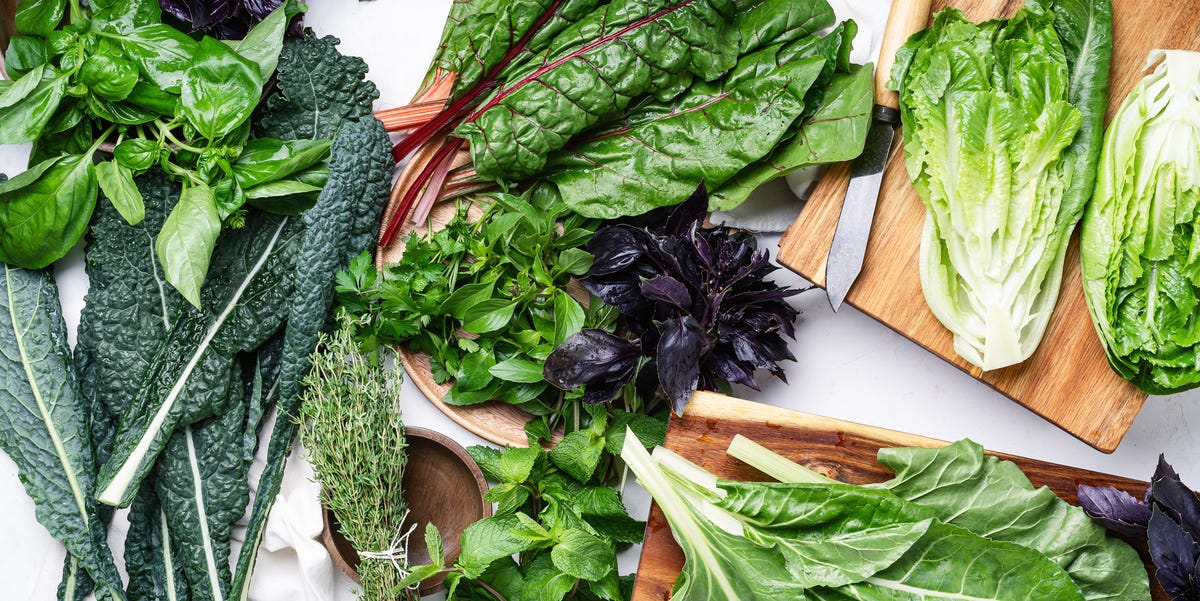
Dark leafy greens are especially valuable because chlorophyllthe pigment that makes plants greencontains magnesium at its center. That means green vegetables are not just pretty on the plate; they are quietly packing mineral power.
9 Magnesium-Rich Vegetables to Add to Your Plate
1. Spinach
Spinach is one of the best-known magnesium-rich vegetables, and for good reason. One cup of cooked spinach can provide about 157 milligrams of magnesium, which is roughly 37% of the adult Daily Value. That is a serious contribution from a vegetable that wilts down so dramatically it seems to perform a disappearing act in the pan.
Spinach is also rich in vitamin K, folate, iron, potassium, and plant compounds such as lutein and zeaxanthin, which support eye health. Raw spinach is useful in salads and smoothies, but cooked spinach delivers more magnesium per cup because the leaves shrink as they cook. A mountain of raw spinach becomes a polite little serving once heat gets involved.
Easy ways to eat it: Sauté spinach with garlic and olive oil, fold it into omelets, stir it into soups, blend it into smoothies, or add it to pasta during the final minute of cooking. For a quick side dish, cook spinach with a squeeze of lemon and a pinch of red pepper flakes.
2. Swiss Chard
Swiss chard is spinach’s colorful cousinthe one who shows up to dinner wearing rainbow stems and acting casual about it. One cup of cooked Swiss chard offers about 150 milligrams of magnesium, making it one of the top vegetable sources of this mineral.
In addition to magnesium, Swiss chard provides vitamin K, vitamin A, vitamin C, potassium, and antioxidants. Its leaves are tender when cooked, while the stems add texture and color. The flavor is earthy and slightly bitter, but that bitterness mellows beautifully with heat, acid, and a little fat.
Easy ways to eat it: Chop the stems and cook them first, then add the leaves. Sauté with onions, garlic, olive oil, and a splash of vinegar. Swiss chard also works well in bean soups, grain bowls, frittatas, and warm salads.
3. Lima Beans
Lima beans may have a reputation problem, mostly because some of us met them in childhood under tragic cafeteria lighting. But cooked properly, lima beans are creamy, satisfying, and surprisingly rich in magnesium. One cup of cooked lima beans contains about 126 milligrams of magnesium, or around 30% of the adult Daily Value.
Although technically legumes, lima beans are commonly eaten as vegetables and deserve a spot on this list. They also bring plant-based protein, fiber, potassium, iron, and folate. That makes them especially useful for people trying to build filling meals without relying entirely on meat.
Easy ways to eat them: Simmer lima beans with onions, garlic, bay leaf, and low-sodium broth. Add them to vegetable soups, mash them with herbs as a spread, or toss them with corn, tomatoes, and peppers for a colorful succotash.
4. Edamame
Edamame, or young soybeans, are another vegetable-style legume with an impressive magnesium profile. One cup of cooked edamame provides about 99 milligrams of magnesium. It also delivers complete plant protein, meaning it contains all nine essential amino acids.
That makes edamame a smart choice for vegetarians, vegans, flexitarians, and anyone who just enjoys food that comes with its own tiny green jacket. Edamame is also a source of fiber, iron, folate, potassium, and isoflavones, which are naturally occurring plant compounds found in soy foods.
Easy ways to eat it: Steam edamame and sprinkle with a small amount of sea salt, add shelled edamame to stir-fries, toss it into salads, blend it into hummus, or mix it into rice bowls with cucumber, carrots, avocado, and sesame dressing.
5. Artichokes
Artichokes look like medieval vegetables designed to test your patience, but the reward is worth it. One medium cooked artichoke contains about 77 milligrams of magnesium, along with fiber, vitamin C, folate, potassium, and antioxidants.
Artichokes are especially known for their fiber content, including prebiotic fibers that help feed beneficial gut bacteria. That combination of magnesium and fiber makes artichokes a strong choice for anyone trying to support digestive health while keeping meals interesting.
Easy ways to eat them: Steam whole artichokes and dip the leaves in lemony Greek yogurt sauce, add artichoke hearts to salads, roast them with garlic, or fold them into whole-grain pasta with spinach and white beans.
6. Green Peas
Green peas are tiny, sweet, and unfairly underestimated. One cup of cooked green peas contains about 62 to 64 milligrams of magnesium. They also provide fiber, plant protein, vitamin K, vitamin C, thiamin, and folate.
Peas are one of the easiest magnesium-rich vegetables to keep on hand because frozen peas are affordable, convenient, and usually picked at peak freshness. They cook in minutes and can rescue a meal that looks nutritionally suspicious. Add peas, and suddenly dinner has ambition.
Easy ways to eat them: Stir peas into soups, risotto, fried rice, pasta, and casseroles. Mash them with mint and lemon for a bright side dish, or blend them into a creamy pea soup with vegetable broth and herbs.
7. Sweet Corn
Sweet corn often gets treated like a summer sidekick, but it brings more nutrition than people give it credit for. One cup of cooked yellow corn contains about 54 milligrams of magnesium. It also provides fiber, B vitamins, antioxidants such as lutein and zeaxanthin, and natural sweetness that makes vegetables feel less like homework.
Corn is technically a grain when dried and a starchy vegetable when fresh, but on the dinner plate, it comfortably belongs in the vegetable conversation. It pairs well with beans, greens, peppers, tomatoes, and herbs, making it useful in magnesium-friendly meals.
Easy ways to eat it: Grill corn on the cob, add kernels to chili, toss corn into salads, make corn-and-black-bean salsa, or sauté it with zucchini, onions, and a squeeze of lime.
8. Potatoes With Skin
Potatoes have been unfairly blamed for many nutritional crimes they did not commit. The problem is usually not the potato; it is the deep fryer, the giant scoop of sour cream, and the cheese avalanche. A medium baked potato with skin contains roughly 40 to 50 milligrams of magnesium, depending on size.
The skin is important because it contains a meaningful share of the potato’s fiber and minerals. Potatoes also provide potassium, vitamin C, vitamin B6, and complex carbohydrates that can help fuel active bodies. When prepared simply, they are nourishing, affordable, and extremely satisfying.
Easy ways to eat them: Bake potatoes and top them with Greek yogurt, chives, black beans, salsa, or steamed broccoli. Roast potato wedges with herbs, or add diced potatoes to vegetable hash with peppers and onions.
9. Okra
Okra is one of those vegetables people either love or misunderstand. It has a unique texture thanks to its soluble fiber, which can thicken soups and stews naturally. One cup of cooked okra provides about 50 to 60 milligrams of magnesium, plus fiber, vitamin C, vitamin K, folate, and antioxidants.
If you have only had overcooked okra, give it another chance. Treated properly, okra can be crisp, tender, and flavorful. It is especially beloved in Southern, African, Caribbean, Indian, and Middle Eastern cooking traditions.
Easy ways to eat it: Roast okra at high heat to reduce sliminess, add it to gumbo, sauté it with tomatoes and onions, or season it with garlic, paprika, and a splash of lemon juice.
How to Get More Magnesium From Vegetables Without Overthinking It
The easiest way to eat more magnesium-rich vegetables is to build meals around variety instead of chasing one perfect food. Spinach and Swiss chard are excellent, but nobody wants to feel trapped in a leafy-green prison. Mix greens with legumes, starchy vegetables, herbs, whole grains, and healthy fats.
Try adding one magnesium-rich vegetable to meals you already eat. Put spinach in scrambled eggs. Add peas to pasta. Toss edamame into a salad. Serve roasted potatoes with dinner. Stir Swiss chard into soup. Small upgrades are more sustainable than dramatic food resolutions made at 11 p.m. while watching wellness videos.
Cooking method matters, too. Boiling vegetables can cause some water-soluble nutrients to leach into the cooking water. That does not mean boiling is evil; soup exists for a reason. But steaming, sautéing, roasting, and microwaving can help preserve flavor and reduce nutrient loss. If you do boil greens, consider using the cooking liquid in soups or sauces.
Simple Magnesium-Rich Meal Ideas
Need practical inspiration? Start with a spinach-and-edamame grain bowl. Use brown rice or quinoa as the base, then add cooked spinach, shelled edamame, shredded carrots, cucumber, scallions, and a sesame-ginger dressing. It is colorful, filling, and much cheaper than pretending every healthy lunch must come from a boutique café.
Another easy option is a Swiss chard and white bean soup. Sauté onions, carrots, celery, and garlic, then add low-sodium broth, chopped Swiss chard, white beans, herbs, and a squeeze of lemon. Serve it with whole-grain toast for a cozy meal that tastes like you made an efforteven if the whole thing came together in under 30 minutes.
For a summer plate, make grilled corn and lima bean succotash. Combine corn, lima beans, bell peppers, tomatoes, and fresh basil. Finish with olive oil, vinegar, black pepper, and a pinch of salt. It is bright, hearty, and far more exciting than the sad side salad that gets ignored at cookouts.
Who Should Be Careful With Magnesium?
For most healthy people, magnesium from food is safe because the kidneys help remove excess amounts. However, people with kidney disease or certain medical conditions should talk with a healthcare professional before making major dietary changes or using magnesium supplements. Supplements can also interact with some medications, including certain antibiotics, diuretics, and osteoporosis drugs.
Food-first strategies are generally the safest and most balanced approach. Vegetables do not just provide magnesium; they come packaged with fiber, water, vitamins, minerals, and phytonutrients. That is nutrition teamwork, not a one-man mineral show.
Personal Experience: What Happens When You Actually Eat These Vegetables More Often
Adding magnesium-rich vegetables to your daily routine sounds simple on paper, but real life has a way of turning “eat more greens” into “I found a wet bag of spinach in the back of the fridge and now I fear it.” The trick is not buying every vegetable at once like you are preparing for a produce-themed apocalypse. The trick is choosing two or three options you genuinely like and building them into meals you already eat.
One of the easiest changes is keeping frozen spinach, peas, corn, and edamame in the freezer. Fresh vegetables are wonderful, but frozen vegetables are the dependable friends who do not wilt dramatically after three days. A handful of frozen spinach can go into soup, scrambled eggs, curry, or pasta sauce. Frozen peas can be added to rice, noodles, or casseroles in the final few minutes. Edamame can turn a light salad into an actual meal instead of a leafy suggestion.
Cooking also changes the experience. A raw spinach salad can be refreshing, but cooked spinach is easier to eat in larger amounts. Swiss chard can taste too earthy if it is steamed plain, but sauté it with garlic, olive oil, lemon, and a few chili flakes, and suddenly it has personality. Roasted okra is another surprise. People who dislike okra’s slippery texture often enjoy it roasted until the edges brown and crisp slightly.
Meal prep helps, but it does not have to look like twenty identical containers lined up like a nutrition spreadsheet. You can roast potatoes on Sunday, cook a pot of lima beans, wash and chop greens, or steam edamame for snacks. Then throughout the week, you are assembling meals instead of starting from zero while hungry, tired, and emotionally vulnerable to takeout.
Another useful habit is pairing magnesium-rich vegetables with flavors you already crave. Like tacos? Add sautéed spinach, corn, or black beans with salsa. Like pasta? Stir in peas, artichokes, or Swiss chard. Like breakfast bowls? Add potatoes, spinach, and eggs. The best healthy eating strategy is not forcing yourself to love bland food; it is giving nutritious food enough flavor to compete fairly.
Over time, eating these vegetables more often can make meals feel more satisfying. The fiber helps with fullness, the minerals support everyday body functions, and the variety keeps your plate from becoming boring. You may not feel a lightning bolt of magnesium magic after one serving of spinach, but consistent small choices add up. Nutrition is rarely dramatic. It is more like compound interest, but with fewer spreadsheets and more garlic.
The biggest lesson is this: do not chase perfection. You do not need nine magnesium-rich vegetables every day. You do not need to measure every milligram. Start by adding one extra serving of a magnesium-containing vegetable to your day. Then repeat. Your future self may not throw a parade, but your body will quietly appreciate the upgrade.
Conclusion
Magnesium-rich vegetables are an easy, practical way to improve the quality of your diet without relying only on supplements. Spinach, Swiss chard, lima beans, edamame, artichokes, green peas, sweet corn, potatoes with skin, and okra all bring magnesium to the table, along with fiber, vitamins, antioxidants, and satisfying flavor.
The best approach is simple: eat a variety, cook them in ways you enjoy, and add them to meals you already love. Magnesium may not be flashy, but it is essentialand these vegetables make getting more of it deliciously doable.
Note: Nutrition values are approximate and can vary by serving size, variety, preparation method, and database updates. This article is for general educational purposes and should not replace personalized medical advice, especially for people with kidney disease or those taking medications affected by magnesium intake.