There are many mysteries in life. Why do socks disappear in the dryer? Why does the smoke alarm only complain when you are cooking something ambitious? And why, after declaring yourself “absolutely stuffed” with the seriousness of a courtroom witness, can you suddenly make room for chocolate cake?
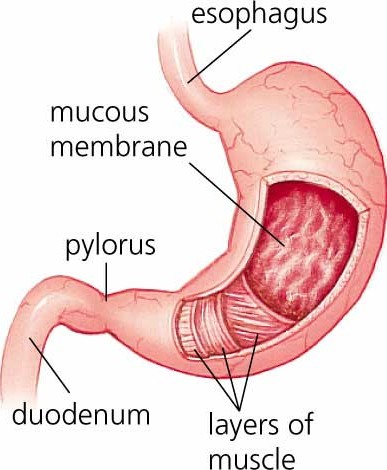
That magical moment is the heart of “that separate compartment in your stomach for dessert,” a tiny everyday miracle made famous by the spirit of 1000 Awesome Things: ordinary life, noticed with a grin. Of course, your stomach does not actually include a velvet-lined dessert drawer labeled “for emergencies, brownies, and birthdays.” But the feeling is real enough that nearly everyone recognizes it.
You finish dinner. Your plate is clean. Your belt has entered negotiations. Then someone says, “Should we look at the dessert menu?” Suddenly the room changes. Eyebrows rise. People who were groaning five seconds ago begin discussing cheesecake with the focus of NASA engineers landing a rover on Mars.
So what is happening? Is dessert stomach real? In a practical sense, yes. In an anatomical sense, no. The better answer is funnier and more interesting: your brain, senses, hormones, habits, memories, and social rituals all team up to convince you that a spoonful of ice cream is not only possible, but perhaps medically necessary for morale.
What Is “Dessert Stomach,” Really?
“Dessert stomach” is the popular nickname for the strange ability to desire something sweet after a filling meal. The scientific explanation often begins with sensory-specific satiety. That phrase sounds like something a professor would write on a whiteboard right before everyone silently checks the clock, but the idea is simple: the more you eat one type of food, the less exciting that specific food becomes.
Imagine eating a large plate of pasta. At first, the sauce is glorious. The cheese is singing. The noodles are doing their little carbohydrate tap dance. But after many bites, your interest fades. You are not necessarily out of physical room; you are out of enthusiasm for that flavor profile. Then dessert appears. New smell. New texture. New temperature. New sweetness. Your brain sits up like a dog hearing the word “walk.”
This is why you can feel bored by another bite of mashed potatoes but deeply emotionally available for tiramisu. Your appetite is not one giant switch marked hungry or full. It behaves more like a soundboard with separate sliders for sweet, salty, creamy, crunchy, warm, cold, familiar, novel, comforting, and “Grandma made this, so obviously I must participate.”
The Science Behind Saving Room for Dessert
1. Sensory-Specific Satiety Makes New Flavors Exciting
During a meal, your senses gradually get used to what you are eating. The first bite is often the most thrilling because your brain is receiving a fresh wave of flavor and aroma. By bite twenty-seven, that same food may still be tasty, but it is no longer throwing confetti in your nervous system.
Dessert changes the channel. If dinner was savory, salty, warm, and rich, dessert might be sweet, cool, creamy, crisp, fruity, or bitter-sweet. That contrast refreshes your interest. It is the same reason a buffet can make people eat more than they planned. Variety keeps appetite awake. Your body may be full, but your senses say, “Hold on. We have not investigated the pie situation.”
2. Your Brain Loves Sweet Rewards
Sweet foods activate reward pathways in the brain. This does not mean dessert is evil, dramatic, or wearing a tiny villain cape. It means humans are wired to notice energy-rich foods. In nature, sweetness often signaled quick energy from fruit or honey. Modern dessert, however, is not just a berry on a bush. It is sugar, fat, aroma, texture, presentation, nostalgia, and sometimes a little candle on top.
That combination can make dessert feel special even after fullness has arrived. A warm cookie is not merely food; it is a sensory event. It smells like comfort. It breaks softly. It reminds people of childhood kitchens, holiday tables, movie nights, bake sales, and the heroic relative who always brings the good brownies.
3. Fullness Signals Do Not Always Arrive Immediately
Another reason dessert sneaks in is timing. Your stomach and intestines communicate with your brain through nerves and hormones, but the message is not always instant. You may keep eating before your brain fully registers that your body has had enough. This is why slow eating can make a meal feel more satisfying. It gives your internal mail carrier time to deliver the “we are full” envelope.
At the end of dinner, you may be physically satisfied, but not yet mentally finished. Dessert offers closure. It gives the meal a final scene, like the credits after a movie. Without it, some people feel as if dinner simply walked offstage without bowing.
4. Texture and Temperature Create a Fresh Experience
Dessert often differs from dinner in more than taste. Think of the contrast between grilled chicken and lemon sorbet, steak and crème brûlée, pizza and gelato, tacos and cinnamon churros. Dessert can be cold after hot, smooth after crunchy, airy after dense, or crisp after creamy.
That sensory contrast matters. Your brain is not just asking, “Do we need more calories?” It is also asking, “Is this new? Is this pleasant? Is everyone else getting one? Is that caramel sauce homemade?” The answer to the final question can be dangerously persuasive.
Why Dessert Feels Social, Not Just Sweet
The dessert compartment is not only biological. It is cultural. Dessert often appears when the serious eating is over and the relaxed lingering begins. People sit back. Conversation loosens. Someone tells a story that starts with “This might sound weird, but…” and suddenly the table belongs to laughter.
In restaurants, dessert is also a group negotiation. Nobody wants to be the first person to ask for the menu, because that person becomes the unofficial mayor of “Let’s Stay Longer Town.” But once one brave soul says, “Maybe we could share something,” everyone is immediately relieved. The table transforms from responsible adults into raccoons who found a bakery dumpster.
Sharing dessert also reduces the pressure. A slice of cake with four forks feels less like overindulgence and more like teamwork. You are not eating dessert; you are participating in a highly organized spoon-based community event.
The Emotional Power of a Sweet Ending
Dessert often carries memory. A scoop of vanilla ice cream can feel like summer. Apple pie can feel like Thanksgiving. Chocolate pudding can feel like school lunches, grandparents, or a rainy day when someone decided the cure was sugar and a spoon.
That is why the separate dessert compartment feels so charming. It is not just about hunger. It is about permission. Dessert says the meal is allowed to be joyful, not merely functional. It says food can be practical and playful. Dinner may feed the body, but dessert often feeds the tiny inner person wearing pajamas and waiting for sprinkles.
This does not mean every meal needs a sweet finish. It means that when dessert appears at the right moment, it can become a small celebration. A cupcake at a birthday party is not simply flour and frosting. It is a social signal: pause, smile, sing badly, and enjoy the fact that someone survived another year of emails, laundry, and traffic.
Is Dessert Stomach Healthy?
The healthiest answer is balanced: dessert can fit into a normal eating pattern, but the “dessert compartment” should not become a full-time storage unit. Enjoying sweets mindfully is different from eating them automatically every time your brain sees frosting and starts clapping.
Nutrition guidance generally encourages limiting added sugars because too much sugar, too often, can crowd out more nourishing foods and contribute to long-term health problems. But demonizing dessert can backfire. When people treat sweets as forbidden treasure, the treasure sometimes becomes more powerful. A healthier relationship with dessert begins with awareness, not panic.
Ask simple questions: Do I actually want this? Will I enjoy it? Am I choosing it, or just following the table? Would a few bites satisfy me? Is this dessert special, or is it just sitting there looking available?
That last question is important. Not every cookie deserves your full attention. Some cookies are magnificent. Others taste like sweetened cardboard wearing chocolate-chip makeup. Life is short. Choose the cookie with personality.
How to Enjoy Dessert Without Feeling Overstuffed
Pause Before Ordering
Give yourself a few minutes after dinner before deciding. Fullness often becomes clearer with time. If dessert still sounds wonderful after a pause, you can enjoy it more intentionally.
Share When It Makes Sense
Sharing dessert is one of humanity’s finest inventions, somewhere between indoor plumbing and the snooze button. It lets you taste the sweet ending without turning the final course into a personal endurance sport.
Pick the Dessert You Actually Want
Do not waste your dessert compartment on something you feel lukewarm about. If you want cheesecake, get cheesecake. If you want fruit with whipped cream, enjoy that. If you want one bite of someone else’s brownie, be honest and ask politely before your fork begins unauthorized operations.
Eat Slowly Enough to Notice It
Dessert is built for attention. Notice the aroma, texture, temperature, and flavor. The first few bites are usually the best. Eating slowly helps you catch the moment when pleasure begins to fade, which is your cue that the magic trick is ending.
Why the “1000 Awesome Things” Idea Still Works
The charm of “that separate compartment in your stomach for dessert” is not just that it is funny. It is that it reveals how many awesome things are hiding inside ordinary life. A dessert menu after dinner is not a major event. Nobody wins a trophy. There are no fireworks, unless someone orders baked Alaska and the restaurant is feeling theatrical.
But it captures something deeply human: our ability to find delight after satisfaction. We are full, yet curious. Comfortable, yet tempted. Finished, yet open to one more little joy. The dessert compartment is less about anatomy and more about optimism. It says, “I know we are done, but perhaps there is still room for something sweet.”
That is a pretty good philosophy, honestly. Maybe life needs a dessert compartment too: a small hidden space reserved for unexpected fun, extra laughter, and the tiny joys we did not technically need but are glad we made room for.
Everyday Examples of Dessert Stomach in Action
You see dessert stomach everywhere once you start looking. At Thanksgiving, people lean back from the table, defeated by turkey, stuffing, potatoes, rolls, gravy, and the emotional weight of family conversations. Then someone uncovers the pies. Suddenly, the same people who “could not eat another bite” are asking whether whipped cream is available. Not because they lied. Because pie operates under a different legal system.
At a diner, the server mentions milkshakes after everyone has finished burgers and fries. The table goes quiet. Someone says, “I shouldn’t.” Another person says, “We could split one.” This is the opening scene of nearly every great dessert decision. Five minutes later, four straws stand in one glass like tiny flagpoles of surrender.
At home, dessert stomach is quieter but just as powerful. You close the fridge after dinner, proud of your sensible choices. Then you remember there is ice cream in the freezer. Not just ice cream, but the good kind with chunks, ribbons, swirls, and enough mix-ins to qualify as architecture. You were full before. Now you are conducting a spoon audit.
Children understand dessert stomach without needing the vocabulary. A kid may push away peas with Oscar-worthy exhaustion, then revive instantly at the word “popsicle.” Adults do the same thing, only with more complicated excuses. We call it “just a small piece,” “a taste,” “for the table,” or “I want to compare it with the one from that other place.” Very scientific. Extremely official.
Experience Section: The Dessert Compartment in Real Life
The best dessert stomach moments usually happen when nobody plans them. You go out for dinner with friends, fully intending to behave like a responsible person. You order the entree. You drink water. You nod wisely when someone says the portions are huge. By the end, everyone is leaning back, making the universal human noise that means, “I have eaten enough to become furniture.”
Then the server appears with the dessert menu. Not even the desserts themselves. Just the menu. A rectangle of laminated temptation. Suddenly the table has energy again. People who could barely lift a fork are now reading descriptions with dramatic seriousness. “Warm brownie with vanilla bean ice cream.” “Key lime pie with graham cracker crust.” “Salted caramel cheesecake.” The words do not describe food anymore; they describe possible futures.
Someone suggests sharing. This is how dessert gets past the security guard of common sense. Sharing makes everything feel harmless. A giant slice of cake alone may seem excessive, but the same cake divided among four people becomes a cultural experience. Each person takes a bite and immediately becomes a restaurant critic. “The crust is nice.” “It is not too sweet.” “The texture is perfect.” Nobody has training. Everyone has opinions.
Another classic experience happens during family holidays. Dinner is long, loud, and full of heroic serving spoons. You eat the main meal in phases: first the official plate, then the tiny extra scoop, then the “I just want a little more of that one thing” round. Eventually, you are done. Completely done. You announce this to the room, partly for accountability and partly because standing up may require witnesses.
Then dessert arrives. The pies come out like celebrities. Pumpkin, pecan, apple, chocolate cream. Suddenly your body files an appeal. You do not want another serving of green beans. You do not want more turkey. You might not even want to look at mashed potatoes until next Tuesday. But pie? Pie is different. Pie belongs to a separate emotional category. Pie is not dinner. Pie is tradition wearing a golden crust.
There is also the late-night version. You have already eaten. The kitchen is clean. The house is quiet. Then someone says, “Do we have anything sweet?” This question is never casual. It is a search warrant. Cabinets open. Freezers are inspected. A forgotten chocolate bar becomes treasure. Two cookies become a feast. A bowl of cereal becomes dessert because adulthood is flexible and nobody can stop you.
The funny thing is that dessert stomach often makes the smallest treats feel the biggest. A single square of dark chocolate after dinner can feel elegant. A spoonful of pudding can feel like a secret. Half a donut shared in the car can become a memory. The joy is not always in quantity. Often it is in timing: the little sweet note at the end of an ordinary day.
That is why this awesome thing lasts. It is relatable because it combines science, comedy, and comfort. It reminds us that humans are not machines calculating fuel needs with perfect logic. We are story-driven, smell-sensitive, flavor-chasing creatures who can be completely full and still emotionally available for a warm cookie. And honestly, that is beautiful.
The separate compartment in your stomach for dessert may not show up in a medical textbook as an actual organ, but it absolutely exists in dinner conversations, birthday parties, road trips, holiday tables, and quiet kitchens. It is the place where appetite meets memory, where sweetness gets the final word, and where ordinary life becomes, for one delicious bite, awesome.
Conclusion
“That separate compartment in your stomach for dessert” is one of those small observations that feels silly because it is true. Science explains it through sensory-specific satiety, reward pathways, gut-brain signals, and the refreshing power of flavor variety. Life explains it through birthday cake, shared spoons, holiday pies, diner milkshakes, and the universal courage of the person who finally says, “Should we get dessert?”
Dessert stomach is not a license to ignore your body, but it is a reminder that eating is not only about fuel. Food is also memory, culture, pleasure, and connection. When enjoyed mindfully, dessert can be a sweet punctuation mark at the end of a meal: not the whole story, but a charming final sentence.
Note: This original article is written for web publication in standard American English. It is link-free, plagiarism-free, and based on reputable nutrition, psychology, and medical information about appetite, satiety, cravings, and added sugar guidance.