Few household moments inspire Olympic-level jumping quite like turning on the kitchen light and seeing a small brown blur sprint under the refrigerator. Was it a cockroach? A beetle? A cricket with poor social skills? Before you panic, grab a flashlight, take a breath, and remember: identifying a cockroach is not about bravery. It is about noticing the right clues.
Cockroaches are among the most common household pests in the United States, and they are surprisingly good at being misunderstood. Some are tiny and tan. Some are big enough to look like they pay rent. Some prefer kitchens, others like basements, drains, wall voids, furniture, or warm electrical appliances. Correct identification matters because the type of cockroach often tells you where it is hiding, how serious the infestation may be, and what kind of next step makes sense.
This guide explains 5 ways to identify a cockroach using body shape, color, size, markings, behavior, hiding places, droppings, egg cases, and other signs. You do not need a microscope or an entomology degree. You just need a calm eye, a little curiosity, and preferably shoes.
Why Cockroach Identification Matters
Seeing one suspicious bug is unpleasant, but misidentifying it can make the problem worse. Cockroaches are not just ugly roommates. Their droppings, shed skins, saliva, and body parts can contribute to indoor allergens and may trigger asthma or allergy symptoms in sensitive people. They can also contaminate food-contact surfaces as they move through trash, drains, cardboard, crumbs, grease, and damp hiding places.
The good news is that cockroaches leave clues. They have a recognizable body plan, predictable habits, and species-specific markings. Once you learn what to look for, you can stop guessing and start making smarter decisions.
1. Look at the Body Shape, Antennae, and Legs
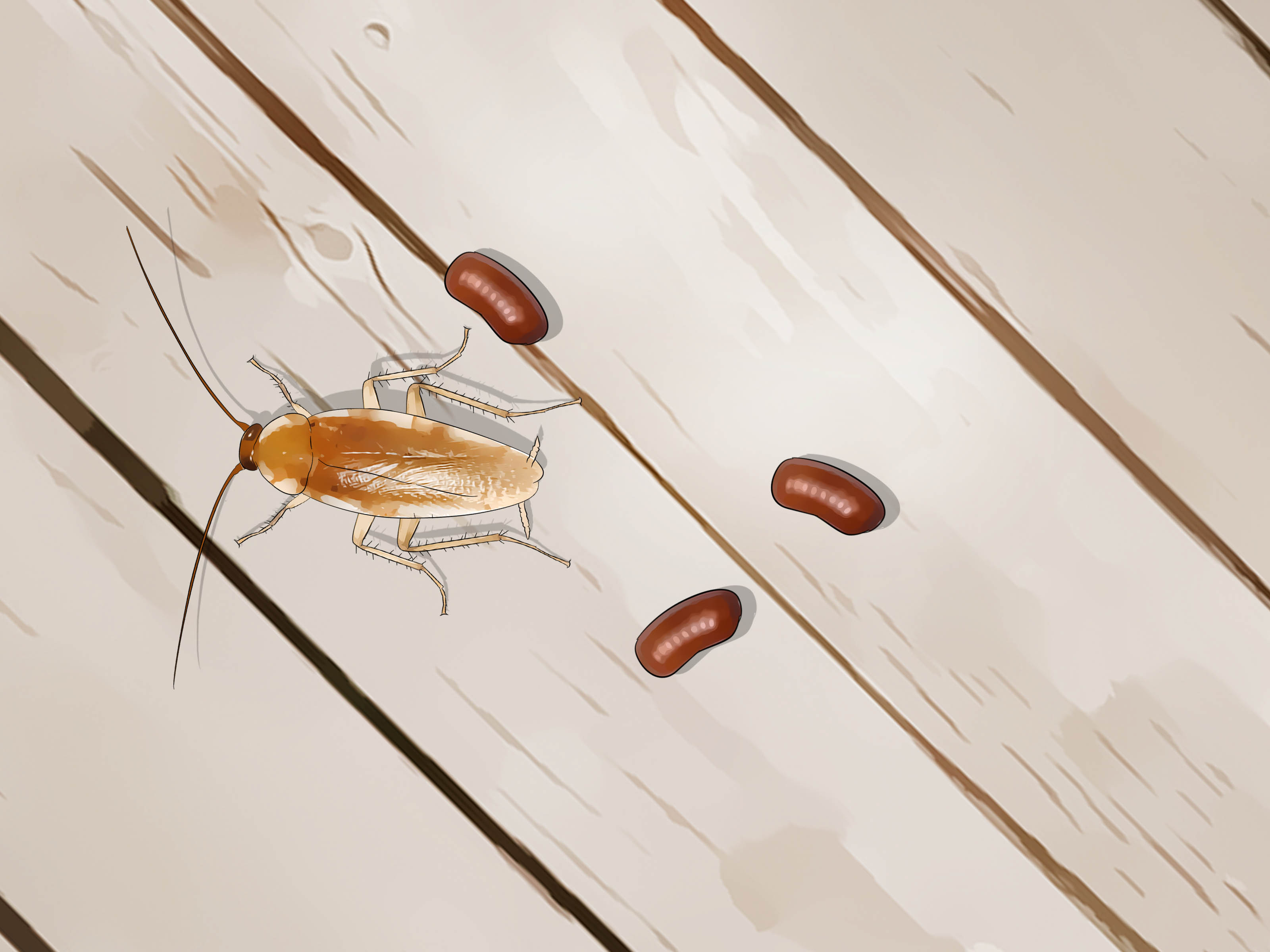
The first way to identify a cockroach is to study its overall shape. Cockroaches usually have flat, oval bodies, long threadlike antennae, six spiny legs, and a head that may appear partly hidden beneath a shield-like plate called the pronotum. That “shield” sits behind the head and is one of the easiest visual clues when you are trying to separate cockroaches from beetles, crickets, or other insects.
Common cockroach body clues
A cockroach is typically:
- Oval and flattened from top to bottom
- Fast-moving, especially when exposed to light
- Equipped with very long antennae
- Six-legged, with spines on the legs
- Brown, tan, reddish-brown, dark brown, or black
- Winged as an adult in many species, though not always a strong flyer
That flat body is not just for style. Cockroaches use it to squeeze into cracks, under appliances, behind baseboards, inside cabinets, and into spaces so narrow they seem physically impossible. If the insect disappears into a gap that looks thinner than a credit card, that is a very cockroach-like move.
Cockroach or beetle?
Beetles often have harder, shell-like front wings that meet in a straight line down the back. Cockroaches, by contrast, usually look flatter and more flexible, with leathery wings that lie over the body. Beetles may wander in from outdoors, but cockroaches tend to hide in warm, dark, food-friendly zones. If the bug is built like a tiny armored tank, it may be a beetle. If it is built like a greasy little race car with antennae, keep investigating.
2. Check the Size, Color, and Markings
Size and markings are among the best ways to identify what kind of cockroach you are dealing with. Not every cockroach species behaves the same way. A tiny German cockroach in a kitchen can signal a different problem than one large American cockroach that wandered in from a drain or basement.
German cockroach
The German cockroach is one of the most common and troublesome indoor cockroaches. Adults are usually about 1/2 to 5/8 inch long, light brown to tan, and marked with two dark parallel stripes behind the head. Those stripes are the giveaway. If a small tan roach has what looks like two racing stripes on its upper back, it is probably a German cockroach.
German cockroaches prefer warm, humid areas close to food and water. Kitchens, bathrooms, dishwashers, refrigerators, cabinets, coffee makers, and sinks are classic hiding places. They reproduce quickly, so even a few can become a bigger issue if ignored.
American cockroach
The American cockroach is the dramatic one. Adults may reach around 1.5 to 2 inches long, with reddish-brown bodies and a lighter yellowish border behind the head. It is one of the largest common cockroaches found around homes. If the insect looks like it has been lifting weights behind the water heater, it may be an American cockroach.
American cockroaches often live in warm, moist places such as basements, drains, sewer areas, boiler rooms, crawl spaces, and the first floors of buildings. They may enter homes during hot weather, flooding, or when outdoor conditions become unfavorable.
Oriental cockroach
The Oriental cockroach is usually dark brown to black and has a shinier, heavier-looking body. Adults are often about 1 inch long. Their wings are shorter than the body or may appear absent, especially in females. These roaches are commonly associated with damp, cool places such as basements, floor drains, crawl spaces, and areas around plumbing.
If you see a dark, slow-moving roach in a damp basement, it may be an Oriental cockroach. Unlike the quick kitchen sprinter, this one often gives off more of a gloomy sewer-villain energy.
Brown-banded cockroach
The brown-banded cockroach is smaller, usually around 1/2 inch long, and has light bands across the wings or body. Unlike German cockroaches, brown-banded cockroaches do not have the two dark stripes behind the head. They often prefer warmer, drier areas and may hide high on walls, ceilings, behind picture frames, inside furniture, closets, electronics, or near appliance motors.
If you find small roaches away from sinks and food-prep areas, especially in bedrooms, living rooms, or high cabinets, brown-banded cockroaches deserve suspicion.
3. Notice Where You Found It
Location is a powerful identification clue. Cockroaches are not random tourists. They settle where they can find food, moisture, warmth, and shelter. The room where you spot the insect can help narrow down the species and the seriousness of the situation.
Kitchen and bathroom sightings
Small roaches in kitchens and bathrooms often point toward German cockroaches. Check around sinks, refrigerator motors, dishwasher edges, cabinet hinges, stove gaps, trash cans, pantry shelves, and under shelf liners. German cockroaches like to stay close to food and water because, apparently, even pests appreciate convenience.
Basements, drains, and utility areas
Large roaches in basements, laundry rooms, utility closets, drains, or boiler areas may be American or Oriental cockroaches. These species are strongly associated with moisture. Look near floor drains, leaking pipes, water heaters, sump pumps, crawl-space doors, and exterior entry points.
Bedrooms, offices, and high hiding spots
Small roaches found in drier rooms may be brown-banded cockroaches. These roaches can live farther from kitchens than German cockroaches and may hide behind wall decorations, in bookshelves, inside furniture, in closets, and near warm electronics.
When identifying a cockroach, ask yourself: Did I see it near food? Water? Heat? Cardboard? Clutter? A drain? A warm appliance? The hiding place often tells a story, and unfortunately, the story is usually titled “Something Has Been Living Behind the Fridge.”
4. Look for Droppings, Egg Cases, Shed Skins, and Odor
You may never see many of the cockroaches in an infestation because they usually hide during the day and come out at night. That means signs of activity are sometimes more useful than the insect itself.
Cockroach droppings
Cockroach droppings vary by species and size. Small roaches may leave tiny dark specks that look like pepper, coffee grounds, or ink dots. Larger cockroaches may leave cylindrical droppings that resemble small pellets. These are often found in corners, cabinet hinges, drawers, behind appliances, under sinks, near food storage, or along travel routes.
Do not confuse cockroach droppings with drywood termite pellets. Termite pellets are often very uniform in size and shape, while cockroach droppings tend to be more variable. Either way, if your cabinet has mysterious black specks and no one has been seasoning the shelves, investigate.
Egg cases
Cockroach egg cases are called oothecae. They look like tiny capsules or purse-like cases. German cockroach females often carry a light brown egg case until shortly before it hatches. Brown-banded cockroaches may glue egg cases to protected surfaces, including furniture, walls, ceilings, or hidden areas. American cockroach egg cases are darker and may be deposited in protected, moist spaces.
Finding egg cases is a strong sign that roaches are not just visiting. They are making plans. Possibly multi-generational plans.
Shed skins and dead roaches
Cockroaches develop through gradual growth stages. Young cockroaches, called nymphs, shed their outer skins as they grow. These shed skins may collect in hiding spots, along with dead roaches and droppings. If you see small pale skins, body fragments, or several dead roaches in one area, inspect nearby cracks and crevices.
Musty odor
Heavy cockroach infestations may produce a musty, oily, or unpleasant odor. Odor alone is not enough for identification, but when combined with droppings, shed skins, egg cases, and sightings, it can support the conclusion that cockroaches are active nearby.
5. Watch Its Behavior at Night
Cockroaches are mostly nocturnal. One of the easiest ways to identify them is to observe what happens after dark. Turn off the lights for a while, then quietly enter the kitchen or bathroom with a flashlight. If small brown insects scatter from the counter, sink, trash can, or appliance gap, you probably have cockroaches.
Fast movement
Cockroaches are famous for speed. They usually run instead of hop. Crickets jump. Spiders scuttle with eight legs. Beetles may crawl or fly. Cockroaches sprint low to the surface, using their flat bodies to vanish into cracks. Their escape behavior is one reason people react so strongly. The insect does not merely leave. It performs a panic-inducing magic trick.
Daytime sightings can mean pressure
Because cockroaches prefer darkness, seeing them during the day may suggest that hiding places are crowded, food and water are limited, or the infestation is more established. One daytime roach does not prove a disaster, but it should prompt a careful inspection.
Sticky traps can help confirm identity
Sticky monitoring traps are useful for identification. Place them near suspected activity zones: behind the refrigerator, under the sink, beside the stove, near the dishwasher, in cabinet corners, along baseboards, or near drains. Traps can show what species is present, where activity is heaviest, and whether the problem is improving or getting worse.
Common Insects Mistaken for Cockroaches
Not every brown bug is a cockroach. Before you declare war on your kitchen, compare the suspect with common look-alikes.
Crickets
Crickets usually have larger jumping hind legs and may chirp. Cockroaches do not chirp, which is considerate of them, given everything else.
Ground beetles
Ground beetles may be dark, fast, and shiny, but their bodies are often harder and more beetle-like, with distinct hardened wing covers. They are often accidental indoor visitors rather than kitchen infestations.
Water bugs
People often call large cockroaches “water bugs,” especially American or Oriental cockroaches. True aquatic bugs are different insects, but in everyday home pest language, “water bug” often means “a big roach that just ruined my evening.”
Bed bugs
Bed bugs are much smaller, flatter, rounder, and usually found near sleeping areas. They do not have the long antennae and fast-running behavior typical of cockroaches.
What to Do After You Identify a Cockroach
Once you know you are dealing with cockroaches, do not rely on random spraying alone. Identification should lead to action that targets food, water, shelter, and entry points.
- Clean crumbs, grease, spills, and food residue daily.
- Store food in sealed containers.
- Empty trash frequently and keep bins clean.
- Fix leaks and reduce moisture under sinks and around appliances.
- Declutter cardboard, paper bags, and storage piles.
- Seal cracks around pipes, baseboards, cabinets, and exterior gaps.
- Use sticky traps to monitor activity.
- Contact a licensed pest professional for persistent or heavy infestations.
Correct identification helps avoid wasted effort. German cockroaches usually require focused indoor treatment and monitoring. American and Oriental cockroaches may require drain, basement, exterior, and moisture management. Brown-banded cockroaches may require inspection in high, dry areas that people often overlook.
Experience-Based Tips: What Cockroach Identification Looks Like in Real Life
In real homes, cockroach identification is rarely as neat as a textbook photo. The roach usually appears at the worst possible time: when guests are over, when you are making coffee, or when you are barefoot and emotionally unprepared. The trick is to shift from panic mode to detective mode.
One common experience is the “midnight kitchen test.” You walk into the kitchen at night, switch on the light, and see a small tan insect sprint from the counter toward the gap beside the stove. If it is about half an inch long and has two dark stripes behind the head, you are probably looking at a German cockroach. This is especially likely if you also notice pepper-like droppings near cabinet hinges, under the sink, or behind small appliances. The useful lesson: the roach you saw is not the only clue. The location, speed, size, and droppings all work together.
Another common situation involves a large reddish-brown roach in the bathroom or basement. People often describe it as a “water bug,” usually with the same tone they would use to describe a submarine surfacing in the bathtub. If the insect is large, reddish-brown, and appears near drains, floor-level moisture, or utility areas, it may be an American cockroach. In that case, the inspection should expand beyond the room where it appeared. Check floor drains, pipe openings, door sweeps, basement corners, crawl-space access points, and outdoor garbage areas.
A third experience is finding tiny roaches in unexpected places like a bedroom dresser, bookshelf, picture frame, or office cabinet. Many people assume all roaches live in the kitchen, but brown-banded cockroaches can prefer warmer, drier, higher locations. If the insect is small and has pale bands across the body or wings, inspect furniture, electronics, wall hangings, closets, and upper shelves. This is the pest-control equivalent of checking upstairs after hearing a noise downstairs.
People also often discover cockroaches indirectly. Maybe they never see a live insect, but they find dark specks in a drawer, a strange capsule under furniture, or shed skins in a cabinet corner. These signs matter. Droppings, egg cases, and shed skins are like cockroach receipts. They prove activity even when the insects are hiding. Use a flashlight and inspect cracks, seams, hinges, appliance backs, cardboard boxes, and cluttered storage areas.
One practical habit is to take a clear photo before squashing or cleaning up the insect. A photo helps with comparison, professional identification, or communication with a pest-control technician. Place a coin nearby for scale if the insect is already dead. Size matters, and “huge” is not a measurementespecially when fear has added two inches.
Finally, do not feel embarrassed. Cockroaches can enter clean homes through boxes, shared walls, drains, deliveries, used furniture, grocery bags, and building gaps. Cleanliness helps prevent and control infestations, but a sighting is not a moral failure. It is a maintenance issue. Identify the cockroach, remove what it needs, monitor where it travels, and take action before the problem becomes a tiny six-legged neighborhood association.
Conclusion
Learning how to identify a cockroach starts with five simple observations: body shape, size and markings, location, physical evidence, and behavior. A flat oval body with long antennae points toward cockroach. Two dark stripes behind the head suggest German cockroach. A large reddish-brown body may indicate American cockroach. A dark, shiny roach in a damp area may be Oriental. Pale body bands and high, dry hiding places may point to brown-banded cockroach.
The faster you identify the pest, the faster you can respond intelligently. Look carefully, monitor with traps, clean food and moisture sources, seal hiding places, and get professional help when activity continues. Cockroaches may be ancient survivors, but they are not mysterious once you know their clues.
Note: This article is for general identification and educational purposes. For heavy infestations, recurring sightings, or allergy and asthma concerns, consider contacting a licensed pest-management professional and a qualified health professional when needed.