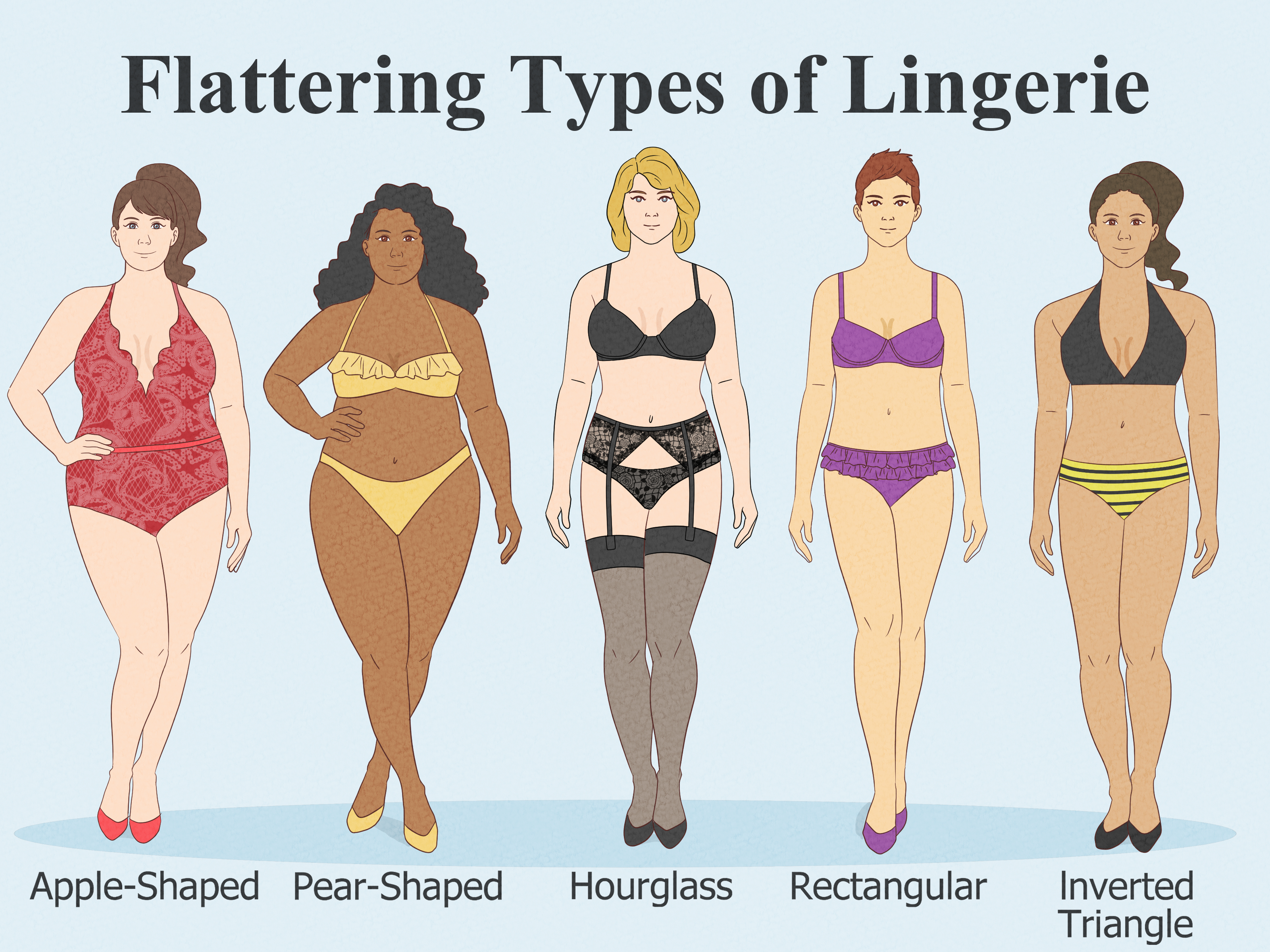
Note: This article uses “flatter” in the most useful sense of the word: choosing lingerie that feels comfortable, supports the outfit you are wearing, and helps you enjoy your own proportions. Your body is not a group project that needs fixing, grading, or a dramatic before-and-after slideshow.
Lingerie can be practical, playful, polished, cozy, or all four before lunch. The right pieces can create a smoother line under clothing, make a favorite dress sit better, reduce annoying strap-slipping, and help you feel more put together on an ordinary Tuesday. The key is not chasing a supposedly perfect body shape. It is learning which cuts, fabrics, rises, and support levels work best for your comfort and personal style.
This guide breaks down five easy ways to flatter your body shape with lingerie without turning your underwear drawer into a confusing math problem. Think less “What am I supposed to hide?” and more “What helps me feel supported, balanced, and like myself?”
1. Start With Fit, Because a Great Bra Does Most of the Heavy Lifting
Before considering lace, colors, matching sets, or fancy details, begin with the least glamorous but most important step: fit. A bra can be beautiful enough to deserve its own museum exhibit, but if the band rides up, the straps dig in, or the cups gap, it will not feel good or look smooth under clothes.
A well-fitting bra is the foundation of flattering lingerie. The band should feel secure around the rib cage without pinching or making you desperate to escape into a sweatshirt. The cups should sit comfortably around the breast tissue, while the straps should stay in place without doing all the work.
How to Tell Whether Your Bra Is Helping or Hindering
Try a quick fit check before deciding that a bra “just is not your style.” Raise your arms, twist gently from side to side, and sit down. Does the band stay level? Do the cups remain in place? Are the straps comfortable? If the answer is no, the issue may be size, cup shape, or construction rather than your body.
For example, someone who feels squeezed in a molded T-shirt bra may prefer a soft, seamed cup that follows their natural shape more easily. Someone whose straps slide off repeatedly might do better with a racerback style, closer-set straps, or an adjustable conversion clip. A plunge bra may work beautifully under a V-neck top, while a fuller-coverage bra may feel more secure under a button-down shirt.
Do not get too attached to a single size label. Bra sizing can vary across brands, fabrics, and bra styles. A size that feels perfect in one brand may feel completely different in another, because lingerie has apparently decided that consistency is optional.
Support Is Not the Same as Stiffness
Many people assume that more structure always equals more support. Sometimes that is true, but not always. Underwire bras can offer excellent support when they fit correctly, yet wireless bras, bralettes, and soft-cup styles can also be comfortable and supportive depending on the design and your preferences.
Look for features that help the garment stay comfortably in place: wider bands, adjustable straps, side support panels, flexible underwire, breathable fabrics, or lightly lined cups. These details can improve the way clothing falls over your body without making you feel like you are wearing a tiny suit of armor.
2. Use Waistband Placement to Highlight the Lines You Like Best
One of the simplest ways to flatter your body shape with lingerie is to choose underwear and bodysuit styles based on where the waistband sits. The rise of your underwear can visually change the line beneath dresses, jeans, skirts, and trousers. This is not about making one shape better than another. It is about deciding which proportions feel most balanced to you.
High-Rise Styles for a Defined Waistline
High-rise briefs, high-waisted shorts, and bodysuits can create a clean line beneath dresses and high-waisted pants. They often sit closer to the natural waist, which can make an outfit feel more intentional and polished.
High-rise lingerie can be especially useful when you want a smooth base under a fitted skirt, wide-leg trousers, or a vintage-inspired dress. It may also feel more secure than lower-rise underwear for people who prefer more coverage around the midsection.
A high-rise piece does not need to be heavy-duty shapewear. A soft cotton brief, smooth microfiber short, or gently supportive bodysuit can offer the same visual benefit while still feeling easy enough for a full day of work, school, errands, or sitting in traffic wondering why every light turned red at once.
Mid-Rise Styles for Everyday Flexibility
Mid-rise underwear is often the most versatile option because it works with many clothing styles. It can sit comfortably under mid-rise jeans, casual dresses, knit skirts, and relaxed pants without creating a strong visual break at the waist.
This style is ideal for anyone who wants a balanced, everyday look without a lot of compression. Think of it as the reliable friend of the lingerie drawer: not flashy, rarely dramatic, and always available when your laundry situation becomes a little too adventurous.
Low-Rise Styles for Lower-Waisted Outfits
Low-rise underwear can work well with low-rise jeans, low-slung skirts, and certain fitted trousers. The goal is to choose a waistband that does not show or bunch above the clothing line.
If you prefer low-rise pieces, look for smooth edges, soft elastic, and fabrics that stay in place. A low-rise style should feel like a practical layer under an outfit, not a tiny rebellion that spends the day rolling, shifting, or disappearing into a mysterious dimension.
3. Match Bra Silhouettes to Your Outfit Instead of Fighting Your Clothes
Flattering lingerie is often less about your body shape and more about the shape of the clothes you want to wear. A bra that works perfectly under a crewneck sweater may not be the right match for a square-neck dress. A seamless brief may be ideal under leggings but unnecessary under relaxed jeans.
When your lingerie supports the outfit, the whole look tends to feel more comfortable and natural. You are not trying to force your body into a silhouette. You are simply selecting a foundation garment that works with the garment on top of it.
Balconette Bras for Open Necklines
Balconette bras generally have lower-cut cups and wider-set straps, making them useful for square necklines, scoop necks, and many open-front tops. They can provide a rounded shape and a more open neckline without requiring a deep plunge.
This style may be a good option for people who find that full-coverage bras show above certain tops. It can also work nicely when you want a structured look under tailored clothing, such as blazers, fitted dresses, or button-front shirts.
Plunge Bras for V-Neck Tops
Plunge bras are designed with a lower center section, allowing them to stay hidden beneath V-neck tops and wrap dresses. They can be helpful when a standard bra sits too high in the center and becomes visible.
The best plunge bra is one that feels stable, not one that makes you spend the day checking whether everything is still where it belongs. Look for a secure band, comfortable cup edges, and enough coverage for your personal comfort level.
T-Shirt Bras for Smooth Everyday Outfits
T-shirt bras are designed to create a smooth, rounded line under lightweight shirts, knits, and close-fitting tops. Their seamless or lightly molded cups can help reduce visible texture under thin fabrics.
They are not automatically the best bra for everyone, though. Some people love their simple shape, while others prefer unlined bras, seamed bras, or wireless styles because those options better match their natural proportions. The winner is not the bra with the most marketing buzzwords. The winner is the one you forget you are wearing.
Bralettes and Soft Cups for Relaxed Comfort
Bralettes and soft-cup bras can be a comfortable choice for casual outfits, loungewear, layered looks, and days when you want lighter support. Many newer styles include wider bands, adjustable straps, removable pads, and supportive fabric blends.
A bralette can also be a style choice rather than a compromise. Under an oversized cardigan, open shirt, relaxed blazer, or knit top, it can provide a softer, more casual silhouette while still feeling intentional.
4. Use Color, Texture, and Matching Sets to Create Visual Harmony
Lingerie does not have to be beige, black, or boring to be useful. Color, texture, and coordinated details can make you feel more confident, even when nobody else knows what you are wearing. Personal style starts with the layer closest to you, and yes, that includes the underwear you wear while answering emails or eating cereal over the sink.
Choose Colors That Work With Your Wardrobe
Neutral lingerie is practical because it can disappear beneath light-colored clothing. Skin-tone shades that are close to your own complexion often work better under white shirts than bright white underwear, which can show through more than expected.
But practical does not mean limited. Deep jewel tones, soft pastels, rich browns, cheerful prints, and bright colors can all earn a place in your collection. Choose colors that make you happy, coordinate with your clothes, or simply make getting dressed feel less like an unpaid internship.
Use Texture With Intention
Smooth microfiber, cotton, modal, mesh, lace, ribbed knits, and satin all create different effects under clothing. Smooth fabrics are usually best beneath fitted dresses, thin trousers, and clingy knits. Textured fabrics can be lovely under looser clothing, denim, sweaters, and layers where visible lines are less of a concern.
If you love lace but do not want texture showing through a thin top, try keeping lace for underwear while choosing a smooth bra. You still get the detail you enjoy without accidentally creating a topographic map beneath your shirt.
Matching Sets Can Make Getting Dressed Feel More Intentional
A matching bra-and-underwear set is not required for confidence, but it can be a small mood boost. Coordinating colors or fabrics can make your lingerie drawer feel organized and help you feel more put together, even under sweatpants.
You can also build “almost matching” sets. Pair a navy bra with a blue-print brief, a black bralette with charcoal underwear, or a warm neutral top with a similar-toned bottom. It does not need to be exact. Fashion is allowed to be flexible; your comfort should be, too.
5. Choose Shapewear and Bodysuits as Tools, Not Rules
Shapewear can be useful when you want a smoother base under a specific outfit, but it should never feel like a requirement for leaving the house. The best shapewear is not the smallest size you can force yourself into. It is the piece that gives you the level of smoothing or support you want while allowing you to breathe, sit, walk, and enjoy a meal without regret.
Pick the Level of Support for the Occasion
Light smoothing pieces can help clothing glide over the body without dramatically changing your natural shape. These may include seamless shorts, lightweight briefs, smoothing camisoles, or gentle bodysuits.
Medium-support shapewear may work well under structured dresses, formal outfits, or clothing with thin, clingy fabric. Higher-compression styles can be useful for shorter periods, but comfort matters. If a garment pinches, rolls, causes pain, or makes you count the minutes until you can take it off, it is not doing its job.
Never Size Down for “Better Results”
Sizing down in shapewear often leads to rolling, pinching, bunching, and discomfort. It can also create more visible lines beneath clothing, which is exactly the opposite of the smooth effect many people want.
Use your current measurements and follow the brand’s size chart. If you are between sizes, consider the fabric stretch, compression level, and how long you plan to wear the piece. A lighter-support garment in the correct size often looks and feels better than high-compression shapewear that is too small.
Bodysuits Can Simplify Your Outfit
Bodysuits can be especially helpful when you want a tucked-in look without constantly re-tucking your shirt every time you stand up, sit down, breathe, or look at a chair. They can create a clean line under jeans, skirts, trousers, and layered outfits.
Choose a bodysuit with adjustable snaps, comfortable straps, and fabric that suits the weather. A soft cotton or modal bodysuit may be great for casual wear, while a smooth, lightly supportive style may work better under a tailored outfit.
How to Build a Lingerie Drawer That Works for Your Real Life
You do not need a giant collection of complicated lingerie to feel confident. A small, thoughtful wardrobe can cover most situations. Start with a few pieces that support the clothes you wear most often.
- A comfortable everyday bra that works under T-shirts and knits.
- A bra for lower necklines or special outfit shapes.
- A wireless bra or bralette for relaxed days.
- Smooth underwear for fitted clothing.
- Comfortable cotton or modal underwear for everyday wear.
- A high-rise option if you enjoy more coverage.
- Optional light shapewear or a bodysuit for specific outfits.
From there, add colors, fabrics, and styles that make you feel good. Maybe that means soft neutrals and practical basics. Maybe it means bright florals, textured mesh, or a matching set that makes doing laundry feel slightly less tragic. There is no universal lingerie checklist because there is no universal body, wardrobe, or definition of confidence.
Common Lingerie Mistakes That Are Easy to Fix
Buying the Same Size Forever
Bodies change over time, and that is normal. Weight fluctuations, hormones, activity levels, stress, aging, pregnancy, medication, and simple changes in comfort preferences can all affect how a bra fits. Rechecking your size occasionally can help you avoid years of unnecessary discomfort.
Assuming One Bra Style Should Work for Every Outfit
One reliable bra is useful, but it cannot always handle every neckline, fabric, and occasion. A small rotation of styles can make dressing easier and prevent you from forcing one bra to perform jobs it was never designed to do.
Prioritizing Appearance Over Comfort
A piece can look great on a hanger and still be wrong for your day. When trying lingerie, move around. Sit, reach, stretch, and take a few steps. Comfort is not an afterthought. It is one of the clearest signs that a garment is actually working for you.
Experiences: What a Better Lingerie Fit Can Feel Like in Everyday Life
Many people expect lingerie shopping to be a quick task: pick a size, choose a color, leave the store, and celebrate with iced coffee. In reality, finding lingerie that works can feel more like trying to solve a puzzle while the puzzle pieces keep changing shape. The good news is that the small changes often make the biggest difference.
Consider the person who has worn the same T-shirt bra style for years because it seemed like the “safe” choice. It technically fits, but the straps slide down all day, the cups wrinkle slightly at the top, and the band creeps upward by lunchtime. After trying a different cup shape with more supportive side panels and closer-set straps, they may notice something surprisingly simple: they stop thinking about their bra. That is usually a very good sign.
Another common experience happens when someone tries high-rise underwear for the first time. They may assume it will feel restrictive or old-fashioned, only to discover that it sits comfortably beneath high-waisted jeans and does not bunch under a fitted dress. The style does not change their body; it simply gives them a smoother, more secure base for clothing they already enjoy wearing.
Some people discover that their favorite lingerie is not the most elaborate piece they own. It may be a soft bralette with wide straps, a breathable matching set, or a simple seamless brief that stays in place during a long day. Comfort can be unexpectedly confidence-building. When you are not tugging at straps, adjusting waistbands, or wondering whether a seam is visible under your clothes, you have more energy for the things that actually matter.
Shapewear can also be a learning experience. A person may buy a size smaller, assuming tighter means smoother, then spend an event dealing with rolling edges and discomfort. The next time, they choose their true size and a lighter level of compression. The result is often better: the garment stays put, clothing drapes more smoothly, and they can sit down for dinner without feeling like their outfit has declared war on their rib cage.
Trying different colors can change the experience, too. Someone who only owns black and beige underwear may add a deep green bra, a warm rust-colored set, or a soft lavender bralette. The pieces may not be visible to anyone else, but they can make getting dressed feel more personal and less repetitive. It is a small reminder that practical clothing can still be fun.
The most helpful mindset is to treat lingerie as an experiment, not a verdict. A style that does not work is not evidence that your body is the problem. It simply means that particular cut, fabric, or size is not the right match. Try a different band, a different cup style, a different rise, or a different level of stretch. Good lingerie should support your life, not make you feel like you have to earn the right to be comfortable in it.
Final Thoughts
The best way to flatter your body shape with lingerie is to choose pieces that make you feel supported, comfortable, and aligned with your personal style. Start with proper fit, use waistband placement to complement your favorite outfits, match bra styles to necklines, experiment with color and texture, and treat shapewear as an optional tool rather than a daily obligation.
Your lingerie does not need to transform you. It only needs to work with you. When a bra stays in place, underwear feels comfortable, and your outfit sits the way you want it to, you are free to focus on everything else. And that is much more useful than spending the day negotiating with a waistband that has clearly developed its own agenda.