Editor’s note: This article is for general educational use and should not replace medical advice. Always follow the instructions from your gastroenterologist, anesthesia team, or healthcare facility, because preparation and recovery steps may vary based on your health history, medications, and the reason for your EGD.
An EGD procedure sounds like something a robot might say while ordering coffee, but it is actually one of the most common and useful tests in digestive health. EGD stands for esophagogastroduodenoscopy. Yes, it is a mouthfulliterally and linguistically. In plain English, it is an upper endoscopy that lets a doctor look inside the esophagus, stomach, and the first part of the small intestine, called the duodenum.
Doctors use EGD to investigate symptoms such as long-term heartburn, trouble swallowing, stomach pain, nausea, vomiting, bleeding, anemia, unexplained weight loss, or suspected ulcers. It can also help diagnose conditions like GERD, esophagitis, gastritis, celiac disease, Barrett’s esophagus, peptic ulcers, strictures, and certain cancers. In some cases, EGD is not only diagnostic; it can also be therapeutic. That means your doctor may treat a problem during the same procedure, such as stopping bleeding, stretching a narrowed area, removing a foreign object, or taking tissue samples for biopsy.
The good news: an EGD is usually quick, commonly performed as an outpatient procedure, and most people go home the same day. The less glamorous news: you will probably need to fast, arrange a ride, and spend the rest of the day pretending you are “resting responsibly” while secretly enjoying the official medical excuse to avoid chores.
What Is an EGD Procedure?
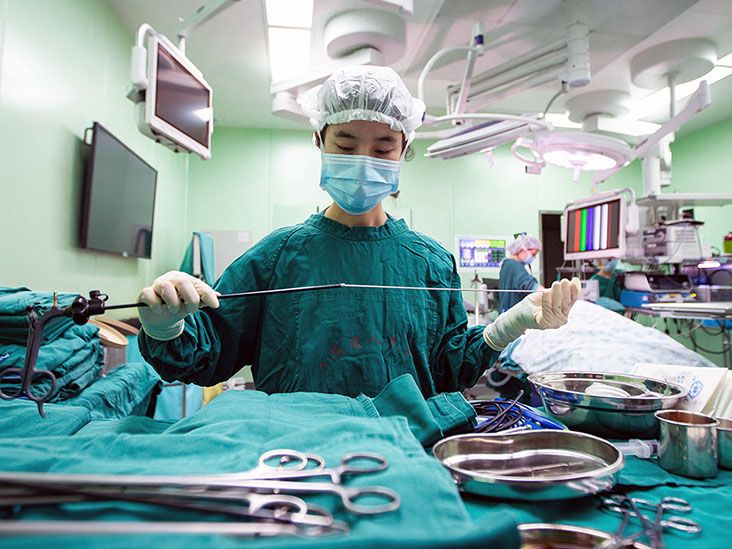
An EGD procedure uses a thin, flexible tube called an endoscope. The endoscope has a tiny camera and light at the tip, allowing the doctor to see the lining of the upper gastrointestinal tract on a video screen. The scope is gently passed through the mouth, down the throat, through the esophagus, into the stomach, and then into the duodenum.
Although that description may sound intimidating, most patients receive sedation or anesthesia to help them relax and stay comfortable. Many people remember little or nothing about the procedure. The test itself often takes only a few minutes to half an hour, depending on why it is being done and whether biopsies or treatments are needed.
What Parts of the Body Does EGD Examine?
An EGD focuses on the upper GI tract, which includes:
- Esophagus: the tube that carries food from the mouth to the stomach.
- Stomach: the organ that stores and begins digesting food.
- Duodenum: the first section of the small intestine.
Because EGD looks directly at the lining of these areas, it can reveal inflammation, irritation, bleeding, ulcers, narrowing, abnormal growths, and other changes that may not show clearly on imaging tests.
Purpose of an EGD Procedure
The main purpose of an EGD procedure is to help diagnose, monitor, or treat problems in the upper digestive tract. It gives the doctor a close-up view of tissue that is usually hidden from view unless your stomach has suddenly developed a livestreaming career, which thankfully it has not.
Common Reasons Doctors Recommend EGD
Your healthcare provider may recommend an upper endoscopy if you have symptoms such as:
- Persistent heartburn or acid reflux that does not improve with treatment
- Difficulty swallowing or pain when swallowing
- Ongoing upper abdominal pain
- Nausea or vomiting that keeps coming back
- Signs of gastrointestinal bleeding, such as black stools or vomiting blood
- Unexplained anemia, especially iron-deficiency anemia
- Unexplained weight loss or loss of appetite
- Suspected ulcers, tumors, strictures, or inflammation
- Follow-up for Barrett’s esophagus or other known conditions
Conditions an EGD Can Help Diagnose
An EGD can help identify several digestive conditions, including:
- GERD: chronic acid reflux that may irritate the esophagus.
- Esophagitis: inflammation of the esophagus.
- Gastritis: inflammation of the stomach lining.
- Peptic ulcers: sores in the stomach or duodenum.
- Hiatal hernia: when part of the stomach pushes upward through the diaphragm.
- Barrett’s esophagus: changes in the esophageal lining linked to long-term reflux.
- Celiac disease: an immune reaction to gluten that may damage the small intestine.
- Esophageal strictures: narrowed areas that can make swallowing difficult.
- Upper GI cancers: including cancers of the esophagus, stomach, or duodenum.
Can EGD Treat Problems Too?
Yes. EGD is often described as a test, but it can also be used for treatment. During the procedure, the doctor can pass small tools through the endoscope. Depending on the situation, the doctor may stop bleeding, remove a swallowed object, widen a narrowed area, remove certain polyps, place clips, or take tissue samples.
A biopsy during EGD does not usually cause pain because the inner lining of the digestive tract does not feel cutting in the same way skin does. Tissue samples may be sent to a lab to check for infection, inflammation, precancerous changes, celiac disease, or cancer.
How to Prepare for an EGD Procedure
Preparation is one of the most important parts of an EGD. The goal is simple: your stomach needs to be empty so the doctor can see clearly and reduce the risk of food or liquid coming back up during sedation.
Fasting Before EGD
Most patients are told not to eat for several hours before the procedure. Many facilities instruct patients to stop solid food about eight hours before the exam and to stop liquids closer to the procedure time, but exact rules vary. Some people may be allowed clear liquids until a specific cutoff time. Follow your facility’s instructions exactly, even if your stomach starts composing dramatic poetry about breakfast.
Do not chew gum, smoke, or drink anything outside the approved instructions unless your care team says it is okay. A clean, empty stomach helps the doctor perform the exam safely and effectively.
Medication Instructions
Before your EGD, tell your doctor about all medications and supplements you take. This includes prescription drugs, over-the-counter medicines, vitamins, herbal supplements, aspirin, blood thinners, diabetes medications, and medications for heart or lung conditions.
Your doctor may ask you to adjust certain medications before the procedure. Never stop blood thinners, insulin, heart medications, or other important medicines on your own. Medication changes should come from your healthcare provider, not from your cousin’s friend who once watched three medical videos and now speaks in abbreviations.
Health Conditions to Mention
Tell your care team if you have:
- Heart disease, lung disease, kidney disease, or liver disease
- Diabetes
- Sleep apnea
- Allergies to medications, latex, or anesthesia
- A history of problems with sedation
- Pregnancy or possible pregnancy
- Implanted devices such as a pacemaker
- Recent illness, fever, cough, or infection
This information helps the team choose the safest sedation plan and procedure approach for you.
Arrange a Ride Home
If you receive sedation, you will need a responsible adult to drive you home. Rideshare services or taxis may not be accepted unless another adult accompanies you, depending on the facility’s rules. Sedation can affect judgment, coordination, and reaction time, even after you feel awake. Translation: your brain may insist it is ready to drive, but your reflexes may still be on vacation.
What Happens During the EGD Procedure?
On the day of the procedure, you will check in, review your medical history, sign consent forms, and change into a gown. A nurse may place an IV line in your arm or hand so medication can be given. Your blood pressure, heart rate, breathing, and oxygen level may be monitored.
Before the Scope Goes In
Your throat may be sprayed with a numbing medicine, depending on the facility and sedation plan. You may receive a mouth guard to protect your teeth and the endoscope. Sedation is then given to help you relax, feel sleepy, or sleep through the procedure.
During the Exam
The doctor gently guides the endoscope through your mouth and into the upper digestive tract. Air or carbon dioxide may be used to expand the area slightly so the lining can be seen more clearly. This can lead to bloating afterward, which is normal and usually temporary.
The doctor examines the esophagus, stomach, and duodenum. If needed, photos are taken, biopsies are collected, bleeding is treated, or narrow areas are stretched. You should not feel pain during the procedure. Some people feel pressure or fullness if they are lightly sedated, but most patients are very comfortable.
How Long Does EGD Take?
The actual EGD procedure often takes about 5 to 30 minutes. Your total time at the facility is longer because you need check-in, preparation, sedation, monitoring, and recovery. Many people spend a few hours at the center from arrival to discharge.
Recovery After an EGD Procedure
After the endoscope is removed, you will be taken to a recovery area while the sedation wears off. Nurses will monitor you until you are awake, stable, and ready to go home. You may feel groggy, relaxed, forgetful, or unusually convinced that you are making brilliant conversation. This is why doctors prefer you not sign legal documents or make major life decisions right after sedation.
Common Side Effects After EGD
Mild side effects are common and usually improve quickly. These may include:
- Sore throat
- Bloating or gas
- Mild nausea
- Sleepiness from sedation
- Minor discomfort when swallowing
Your care team may ask you to wait until your gag reflex returns before eating or drinking. Once cleared, many people start with small sips of water and light foods. Unless your doctor gives different instructions, you may be able to return to your normal diet later the same day.
What Not to Do After EGD
For the rest of the day after sedation, you should usually avoid driving, drinking alcohol, operating machinery, returning to work, or making important decisions. Rest is not laziness here; it is medical compliance wearing slippers.
Follow your discharge instructions carefully. If biopsies were taken, your doctor may explain when results will be available. Some findings can be discussed right away, while lab results may take several days.
When to Call the Doctor
Serious complications are uncommon, but they can happen. Contact your doctor or seek urgent medical care if you develop severe chest pain, severe abdominal pain, persistent vomiting, fever, trouble breathing, difficulty swallowing that gets worse, black stools, or signs of bleeding. It is always better to ask early than to wait and worry.
Risks and Benefits of EGD
EGD is generally considered safe, especially when performed by trained specialists. Still, every medical procedure has possible risks. These may include reaction to sedation, bleeding, infection, aspiration, or a tear in the lining of the upper digestive tract. The risk may be higher if treatment is performed, such as dilation, removal of tissue, or control of bleeding.
The benefits are significant. EGD allows direct visualization of the upper digestive tract, targeted biopsies, and immediate treatment in some cases. For patients with persistent symptoms, it can provide answers that blood tests or imaging may not. In short, EGD can turn digestive mystery into a plan.
EGD vs. Other Digestive Tests
EGD is different from a colonoscopy, which examines the colon and rectum. It is also different from capsule endoscopy, where a patient swallows a tiny camera to view parts of the small intestine. Imaging tests such as CT scans or X-rays can show structural information, but they cannot always show the lining in detail or allow biopsies during the same test.
Your doctor chooses the test based on your symptoms, medical history, age, risk factors, and previous results. Sometimes EGD is the first step. Other times, it is used after blood tests, stool tests, imaging, or medication trials.
Practical Tips Before Your EGD
Good preparation can make the day smoother. Read your instructions as soon as you receive them. Do not wait until midnight before the procedure to discover that your favorite snack has betrayed the fasting rules.
- Confirm the arrival time, not just the procedure time.
- Ask which medications to take the morning of the procedure.
- Bring your insurance card, ID, medication list, and any required forms.
- Wear comfortable clothing and leave jewelry or valuables at home.
- Plan a light schedule for the rest of the day.
- Ask when and how you will receive biopsy results.
Patient Experience: What an EGD Often Feels Like
For many patients, the idea of EGD is more stressful than the procedure itself. The phrase “a tube down your throat” is not exactly a spa brochure headline. But in real-world experience, most people describe the process as surprisingly manageable, mainly because sedation does the heavy lifting.
The most anxious part is often the waiting period before the test. You may be hungry, thirsty, nervous, and wearing a gown that seems designed by someone with a deep misunderstanding of privacy. Nurses usually review your health history, check your vital signs, place the IV, and answer last-minute questions. This is a good time to mention medication changes, allergies, loose teeth, dentures, or any recent illness.
Once sedation begins, the experience usually becomes blurry or disappears from memory. Some patients remember the room, the mouth guard, or being asked to lie on their side. Then suddenly they are in recovery, wondering whether the procedure has started, only to learn it is already over. This “time jump” is common with sedation.
Afterward, the throat may feel scratchy, like you cheered too loudly at a concert you did not attend. Bloating can happen because air is introduced during the exam. Passing gas after endoscopy is not rude; it is practically a recovery milestone. Nurses have seen it all, heard it all, and are not judging you.
Patients who had biopsies sometimes worry that biopsy means cancer. It does not. Biopsies are commonly taken to check for inflammation, infection, celiac disease, Barrett’s esophagus, microscopic changes, or other explanations for symptoms. A biopsy is a tool for getting better information, not a diagnosis by itself.
The ride home is important. Even if you feel alert, sedation can linger. Many patients go home, eat something gentle, drink fluids, and nap. A quiet day is ideal. Avoid spicy, heavy, or irritating foods at first if your throat or stomach feels sensitive. Soup, toast, applesauce, yogurt, eggs, rice, bananas, or other simple foods may be easier to tolerate, unless your doctor gives different dietary instructions.
One useful experience-based tip is to write down questions before the procedure. After sedation, memory can be fuzzy, and your brilliant question about biopsy timing may vanish like socks in a dryer. Ask your companion to listen to the discharge instructions too. Better yet, request written instructions so you can review them later when your brain is fully back from its sedation vacation.
Another tip: do not panic if the doctor gives only a brief summary right after the exam. Some results are immediate, such as visible inflammation or ulcers. Other answers depend on lab testing. If biopsies were taken, ask when results are expected and whether you should schedule a follow-up visit.
Emotionally, many patients feel relieved afterward. The unknown is often the hardest part. EGD gives your doctor a direct look at the problem area, which can help guide treatment instead of guessing. Whether the result is reflux irritation, gastritis, an ulcer, normal tissue, or something that needs follow-up, information is powerful. It turns “What is going on in there?” into “Here is what we do next.”
Conclusion
An EGD procedure is a valuable upper endoscopy test used to examine the esophagus, stomach, and duodenum. It can help diagnose the cause of symptoms such as reflux, swallowing trouble, stomach pain, nausea, bleeding, or anemia. It can also help monitor known conditions and treat certain problems during the same visit.
Preparation usually involves fasting, reviewing medications, sharing your health history, and arranging a ride home if sedation is used. The procedure itself is typically quick, and recovery is usually simple, with mild throat soreness, bloating, or grogginess being the most common short-term effects. The key is to follow your healthcare team’s instructions, ask questions, and know which warning signs should prompt a call to your doctor.
EGD may not be anyone’s idea of a thrilling afternoon, but it is an important tool in modern digestive care. Think of it as a tiny camera with a very serious job: helping your doctor find answers, treat problems, and get you back to eating, swallowing, and living with more confidence.