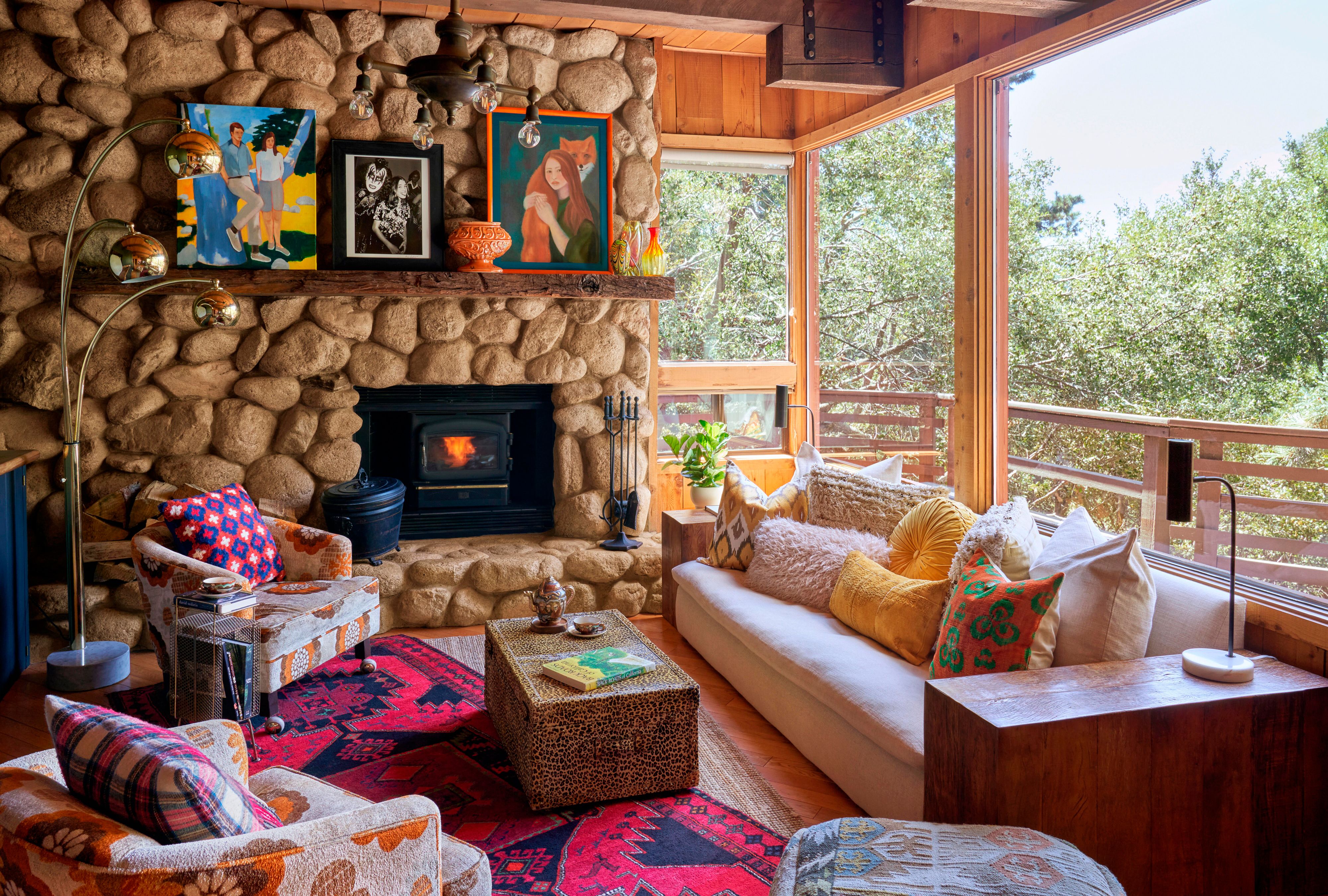
Cabin-style decor has come a long way from the old formula of dark wood, fake antlers, and enough plaid to make a lumberjack blush. Today’s version is warmer, lighter, and far more polished. It still celebrates the comforts people love about a mountain retreatwood beams, layered blankets, soft lighting, stone, and natural texturebut it does so with a little more restraint and a lot more style.
In other words, modern cabin style is less “gift shop moose mug” and more “quiet luxury went hiking.” The best spaces feel grounded and relaxed without looking heavy, cluttered, or themed to death. They borrow from rustic design, cottage comfort, warm minimalism, and collected vintage style, then blend everything into rooms that feel inviting instead of overworked.
If you want your home to feel cozy and chic, cabin-inspired decorating is one of the smartest ways to get there. It works in a real cabin, a suburban house, a city apartment, or even a single bedroom that needs more soul. The trick is knowing which details create warmth and which ones accidentally turn your living room into a log-themed costume party.
These five cabin-style decor tips will help you strike the sweet spot: snug but sophisticated, rustic but refined, and stylish enough that nobody says, “Wow, you really committed to the campfire vibe.”
1. Start With Natural Materials, Then Add a Little Polish
The heart of cabin-style decor is still the same: wood, stone, leather, linen, wool, iron, and other materials that feel connected to the outdoors. Those elements instantly make a room feel warmer and more grounded. But if you stop there, the space can quickly become too rugged, too brown, or too visually heavy.
That is why the chic version of cabin decor depends on contrast. Think rough wood paired with a smooth marble vase. A chunky farmhouse table with slim dining chairs. A stacked stone fireplace with a sleek mirror above it. A knotty pine wall next to crisp upholstery in cream or oat. The goal is balance, not a wood-on-wood-on-wood showdown.
How to use this tip at home
Choose one or two dominant natural materials for the room. Maybe that is oak and stone in the living room, or walnut and linen in the bedroom. Then bring in a few refined finishes to elevate the mix. Brass hardware, smoked glass, ceramic lamps, matte black accents, and tailored upholstery all help cabin style feel intentional instead of accidental.
For example, a living room might include a reclaimed wood coffee table, a stone fireplace surround, an ivory sofa, and a pair of brass reading lamps. That combination says, “I love the woods,” not “I built a fort and never left.”
Another trick is to let one material act as the hero and keep the rest supporting cast. If your room already has exposed beams or pine paneling, do not compete with it by adding six more rustic focal points. Give the architecture room to breathe. Cabin chic works best when the natural materials feel celebrated, not crowded.
2. Layer Texture Like You’re Styling for a Snow Day
If color builds a room, texture gives it a pulse. And cabin-style interiors practically live on texture. This is the design language of nubby wool, soft flannel, woven baskets, antique rugs, boucle chairs, knit throws, and weathered wood surfaces that look better because they have a little history.
The reason texture matters so much is simple: it creates coziness without demanding visual chaos. A neutral room can still feel incredibly rich when it combines a linen sofa, a plaid throw, a vintage kilim pillow, a jute rug layered under a wool rug, and a leather accent chair. None of those pieces need to scream for attention. Together, they create depth, warmth, and that irresistible “please cancel my plans” effect.
Texture combinations that always work
Try mixing soft and structured materials in the same zone. In a bedroom, pair crisp cotton sheets with a quilted coverlet, a chunky knit throw, and a wood bench at the foot of the bed. In a living room, combine a tailored sofa with a shearling pillow, a woven basket for blankets, and curtains with a bit of weight to them.
The key is variety. If every fabric is smooth, the room feels flat. If every fabric is bulky, the room feels sleepy. A chic cabin-inspired room usually has a mix of plush, woven, washed, and worn textures. It feels collected and tactile, not staged.
And yes, this is the moment to use a quilt. A good quilt has cabin credibility, nostalgic charm, and enough visual softness to make a space feel instantly lived in. Fold one over the back of a chair, layer one across the bed, or drape one in a basket beside the sofa. It adds warmth even before anyone touches it.
3. Use Warm, Layered Lighting Instead of One Big Overhead Blast
Nothing ruins a cozy room faster than lighting that feels like a dentist’s office. Cabin-style decor depends on glow. Not glare. That means you need layered lighting that creates intimacy at different times of day.
Start with ambient light, then add task lighting and decorative accents. A soft overhead fixture might give the room general illumination, but the real charm comes from table lamps, sconces, reading lamps, candles, and fireplace light if you have it. Warm bulbs are your best friend here. Cabin chic should feel like golden hour stuck around for dinner.
Lighting is also where you can sneak in a more elegant edge. If your furniture leans rustic, a sculptural pendant or a pair of sleek wall sconces can bring sophistication without making the room feel formal. That contrast is what makes the look feel effortless.
Easy upgrades that change everything
Swap bright white bulbs for warm-temperature ones. Add a lamp to any corner that currently feels forgotten. Replace a builder-grade flush mount with something that has shape and character. Use dimmers wherever possible. And if you want the room to feel truly finished, think about the height of your light sources. A room feels more inviting when light comes from multiple levels, not just the ceiling.
In a cabin-style bedroom, for instance, wall-mounted sconces above the nightstands feel more intimate than a single harsh overhead fixture. In a dining area, a pendant with a linen shade or antique-inspired silhouette can make the table feel like the emotional center of the room. Even a simple lamp on a sideboard can soften an entire open-plan space.
4. Mix Vintage Soul With Cleaner, Simpler Shapes
One of the easiest ways to make cabin decor feel chic is to avoid matching everything. Rooms with too many identical rustic pieces can feel stiff, even if the materials themselves are warm. The better approach is to let the space look collected over time.
That means mixing a few vintage or vintage-inspired pieces with cleaner, simpler silhouettes. Maybe it is an antique trunk used as a coffee table, paired with a modern sofa. Maybe it is a spindle chair next to a streamlined floor lamp. Maybe it is old copper cookware in a kitchen with understated cabinetry. The contrast creates personality, and personality is what separates a stylish room from a showroom set.
Vintage elements also keep cabin style from feeling generic. A timeworn bench, a framed landscape painting, old books, hand-thrown pottery, or a carved wooden bowl can all add the kind of patina that new furniture alone cannot fake.
How to keep vintage from turning cluttered
Edit ruthlessly. This is not your cue to cover every surface with faux-rustic knickknacks and a suspicious number of lanterns. Pick a few pieces that actually contribute warmth, shape, or story. A room feels elevated when the objects look chosen, not accumulated during an emotionally complicated weekend at an antiques market.
Focus on items with function whenever possible: a vintage stool in the bathroom, a wooden dough bowl on the dining table, a classic plaid blanket on the sofa, or an old cabinet that adds storage. Functional charm is the cabin-style sweet spot.
5. Keep the Palette Earthy, But Do Not Let It Go Flat
Cabin decor naturally leans toward warm neutrals and outdoor-inspired tones, and for good reason. Cream, camel, rust, moss, charcoal, walnut, oat, and soft gray all feel at home in this style. They create a calm, grounded atmosphere and let the materials do the talking.
But a chic room usually needs a little tension. If everything is beige, brown, and more beige, the space can feel sleepy in the wrong way. The solution is to keep the base palette earthy, then add a few notes of contrast. Deep forest green, muted navy, dusty blue, burgundy, black, or even a subtle jewel tone can make the room feel richer and more tailored.
Pattern also helps. A checked pillow, a striped throw, a faded vintage rug, or a botanical textile can break up a room full of solids without making it feel busy. In fact, pattern is often what gives cabin-style rooms their “collected, cozy, and grown-up” energy.
A foolproof formula
Try this ratio: about 70 percent warm neutral base, 20 percent wood and natural texture, and 10 percent darker contrast or muted color. That might look like creamy walls, medium-toned wood furniture, a wool rug, black iron hardware, and moss-green accents. Or soft taupe upholstery, oak flooring, a rust throw, and a smoky blue lamp base.
The point is not to make the room dramatic. It is to keep it from looking washed out. Cozy and chic are not opposites; they just need a little contrast to hold hands.
Common Mistakes That Make Cabin Decor Look Too Themed
Even the prettiest rustic room can go sideways if every decision leans too hard into stereotype. If you want a home that feels cabin-inspired rather than costume-designed, avoid these common mistakes:
Too much matching wood: identical wood tones across floors, walls, ceiling, and furniture can make the room feel boxed in. Mix tones and textures for breathing room.
Overdoing novelty decor: one vintage snowshoe on the wall can look charming. Twenty woodland-themed accessories can make the room feel like a gift shop near a ski lift.
Ignoring softness: rustic architecture needs textiles to feel inviting. Without soft layers, cabin decor can look cold despite all the wood.
Using only overhead light: cozy style depends on glow, not maximum brightness.
Forgetting negative space: not every corner needs a basket, stool, branch arrangement, or tiny ceramic fox. Let the room exhale.
What This Style Feels Like in Real Life
Here is the part that makes cabin-style decor so appealing: it is not just about how a room looks in a photo. It is about how the room behaves when real life shows up with wet boots, guests, coffee mugs, Sunday naps, and a dog that believes every throw blanket was purchased specifically for him.
Walk into a well-designed cabin-inspired space and the first thing you notice is usually the mood. The lighting is soft enough to flatter everyone. The textures invite you to sit down before you have even decided where. The room does not feel sterile or precious; it feels ready. Ready for a long conversation, a stormy afternoon, a board game that gets weirdly competitive, or an evening where nobody checks the time because the room itself is doing half the hosting.
That is what makes this style so powerful. It creates emotional warmth. A leather chair with a folded wool throw says, “Stay a while.” A weathered table with a ceramic bowl and a stack of books says, “This home gets used.” A lamp glowing beside a plaid accent pillow says, “Yes, this room is stylish, but no, you do not need to perch on the edge of the cushion like you are visiting a museum.”
Cabin-inspired decor also tends to age beautifully because it is built around materials that get better with time. Scratches on a wood table become character. A linen pillow relaxes into itself. Brass loses its shine and gains depth. Vintage rugs soften underfoot. Unlike trendier interiors that beg to remain untouched, this kind of room becomes more convincing the longer you live in it.
There is also something wonderfully democratic about the style. It does not require a massive budget or an actual cabin in the mountains. You can bring the feeling into a tiny apartment by adding warmer light, richer textiles, a wood side table, and a more grounded color palette. You can apply it to a suburban family room with better curtains, a vintage trunk, and one great rug. You can even use it in a home office if you want your Zoom background to whisper, “I am calm, capable, and possibly own a very good soup pot.”
And then there is the seasonal magic. Cabin-style decor shines in winter, obviously, when everyone wants to hibernate under a blanket and pretend soup is a personality. But the best version of this look works year-round. In fall, it feels golden and nostalgic. In spring, it feels grounded and fresh when paired with lighter linens and branches in a vase. In summer, open windows, woven textures, and sun-faded woods make it feel breezy rather than heavy. A chic cabin-inspired room does not depend on snow outside to make sense.
Ultimately, the experience of this style is less about rustic decoration and more about comfort with character. It is a home that feels relaxed but not sloppy, polished but not stiff, nostalgic but not old-fashioned. It invites people in, lets them exhale, and quietly proves that cozy does not have to mean cluttered. Sometimes it just means thoughtful, textured, and lit like you actually want to be there.
Conclusion
The best cabin-style decor is not about copying a lodge postcard or stuffing a room with every rustic cliche you can find. It is about creating warmth with intention. Natural materials ground the room. Texture adds comfort. Lighting sets the mood. Vintage pieces add soul. And a thoughtful palette keeps everything feeling calm, layered, and chic.
If you follow these five cabin-style decor tips, your home can feel like a retreat without looking theatrical. You will get the comfort people crave from cozy interiors, plus the polish that makes a space feel current and personal. And really, that is the dream: a room that looks beautiful, feels even better, and makes everyone want to linger just a little longer.