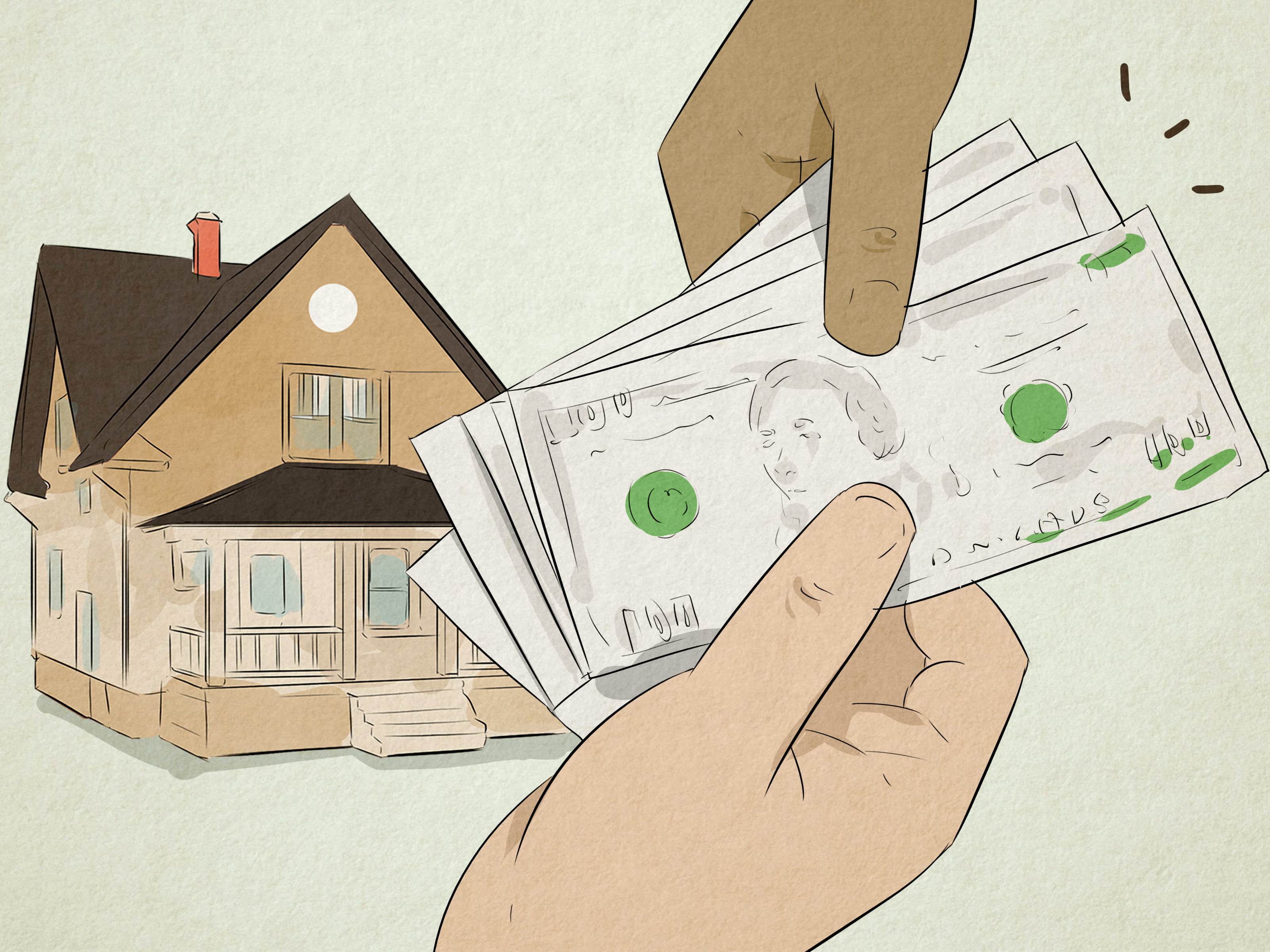
Paying off someone else’s mortgage sounds like the kind of grand gesture that belongs in a movie: a parent rescues an adult child from financial stress, a sibling helps preserve the family home, or a generous friend says, “Surprise, your house is handled.” Cue happy tears, tasteful background music, and possibly a very confused mortgage servicer.
In real life, it can absolutely be donebut it should not be done casually. A mortgage is not the same as handing someone a birthday card with cash tucked inside. It involves lender rules, payoff statements, gift tax reporting, ownership questions, family expectations, and paperwork that can multiply faster than laundry on a Sunday night.
This guide explains 4 ways to pay off someone else’s mortgage, including direct payments, cash gifts, lump-sum payoff strategies, and legal loan transfers. The goal is simple: help someone with their home loan without accidentally creating tax headaches, lender confusion, family drama, or an expensive “oops.”
Can You Pay off Someone Else’s Mortgage?
Yes, in many cases, you can help pay off someone else’s mortgage. You do not always need to be a spouse, parent, child, or relative. A third party may be able to make a mortgage payment, send money to the homeowner, or help eliminate the loan entirely. However, the mortgage servicer may have specific procedures for accepting payments, especially large payments or payoff amounts.
The most important thing to understand is this: paying the mortgage does not automatically give you ownership of the home. If your name is not on the deed, title, mortgage agreement, or a properly drafted ownership document, you may be giving money without receiving any legal interest in the property. That may be exactly what you wantor it may be the beginning of Thanksgiving dinner tension that lasts until 2047.
Before sending money, clarify the purpose. Are you giving a gift? Making a loan? Buying part of the home? Helping someone avoid foreclosure? Paying off a parent’s house as part of estate planning? Each situation has different paperwork, risks, and tax treatment.
Before You Pay: Important Rules to Know
1. The Mortgage Servicer Controls the Payment Process
The mortgage servicer is the company that collects payments, manages escrow, applies principal and interest, and provides payoff information. Sometimes the servicer is not the original lender. Before making a large payment, contact the servicer and ask how third-party payments are handled.
2. A Payoff Amount Is Not the Same as the Current Balance
A homeowner’s online mortgage balance may not be the exact amount needed to fully satisfy the loan. The payoff amount usually includes principal, interest through a specific date, fees, and sometimes other charges. It may also have a “good-through” date. If the payment arrives late, even by a few days, additional interest may be due.
3. Gifts Can Trigger Reporting Requirements
In the United States, the person giving the money is generally responsible for gift tax reporting, not the recipient. For 2026, the annual federal gift tax exclusion is $19,000 per recipient. A married couple may be able to combine exclusions and give more. Gifts above the annual exclusion usually require filing a gift tax return, but that does not automatically mean gift tax is owed because lifetime exemption rules may apply.
4. Paying Does Not Equal Ownership
If you pay your sister’s mortgage, you do not suddenly own the guest room, the garage, or the fancy espresso machine in the kitchen. Ownership depends on title documents, deeds, trusts, sale contracts, and state law. If ownership is part of the plan, work with a real estate attorney before money moves.
Way 1: Make Direct Monthly Payments to the Mortgage Servicer
The simplest way to help is to make one or more regular mortgage payments directly to the servicer. This can be useful when someone is temporarily struggling, recovering from a job loss, dealing with medical bills, or trying to avoid late fees.
Direct payments are attractive because the money goes exactly where intended. The helper does not have to wonder whether the funds were used for the mortgage or for a new backyard pizza oven. Delicious? Yes. Mortgage-related? Not quite.
How Direct Mortgage Payments Work
The homeowner usually needs to provide the loan number, payment address, servicer name, and instructions. Some servicers allow third-party online payments, while others may require authorization from the borrower. A third party might be able to pay by check, electronic transfer, phone payment, or bill pay service.
For privacy reasons, the servicer may refuse to discuss account details with anyone who is not the borrower unless the borrower gives permission. This is normal. The homeowner can ask the servicer how to authorize a family member or helper to receive limited account information.
Best Use Case
This method works best for short-term help. For example, a parent might cover three months of mortgage payments while an adult child starts a new job. A sibling might pay one missed payment to prevent late reporting. A friend might help during an emergency, with the agreement that it is a gift and not a loan.
What to Watch Out For
Ask the servicer how partial payments are handled. Some servicers may hold partial payments in a suspense account until there is enough money to make a full payment. That means sending half a payment may not immediately protect the homeowner from delinquency.
Also, be clear whether extra money should go toward principal. If the goal is to reduce the loan balance faster, the payment should be marked as an additional principal payment according to the servicer’s instructions. Otherwise, the servicer may apply it differently.
Way 2: Give the Homeowner Money to Pay the Mortgage
Another common option is to give money directly to the homeowner and let them make the mortgage payment. This method is flexible and simple, especially when the homeowner already manages the account smoothly.
For example, a grandparent could give an adult grandchild $10,000 to help reduce the principal balance. A parent could send funds every month. A spouse could help pay off a mortgage that is legally in the other spouse’s name. The key is to document the intention.
Gift or Loan? Decide Before Sending Money
Money given for a mortgage should be clearly labeled as either a gift or a loan. A gift means the recipient does not have to repay it. A loan means repayment is expected, and the terms should be written down.
This distinction matters for taxes, underwriting, family expectations, and future disputes. Nothing turns “I just wanted to help” into a courtroom-flavored casserole faster than unclear money terms.
When a Gift Letter May Be Needed
If the homeowner is refinancing, buying another property, or applying for a new mortgage, large deposits may need to be explained. Lenders often require a gift letter stating that the money is truly a gift and does not need to be repaid. This helps the lender confirm that the borrower is not secretly taking on extra debt.
A typical gift letter includes the donor’s name, relationship to the borrower, gift amount, date of transfer, property address, and a statement that repayment is not expected. The lender may also ask for proof of transfer.
Tax Considerations
Large mortgage gifts may count as taxable gifts for reporting purposes. In most cases, the donornot the recipienthandles gift tax filing. If the gift exceeds the annual exclusion, the donor may need to file IRS Form 709. Many people still owe no actual gift tax because the excess may reduce their lifetime exemption, but professional advice is smart for large gifts.
Best Use Case
This approach works well when the helper trusts the homeowner to make the payment, when the amount is modest, or when the gift is part of a broader family support plan. It is also useful when the servicer makes third-party payments difficult.
Way 3: Pay the Mortgage off in One Lump Sum
If you want to eliminate the entire mortgage, a lump-sum payoff is the cleanest dramatic option. It is also the option most likely to require precision. This is not the moment for “close enough.” Mortgage payoff math is picky, like a cat deciding whether your lap is acceptable.
Get a Formal Payoff Statement
The homeowner should request a payoff statement from the mortgage servicer. This document states the exact amount needed to pay the loan in full by a certain date. It may include principal, accrued interest, recording fees, late charges, escrow adjustments, and other amounts.
Do not rely only on the regular mortgage balance shown online. A payoff statement is the official number. If the wire arrives after the good-through date, the servicer may require an additional payment.
Use a Traceable Payment Method
For a full payoff, use a payment method the servicer accepts for large transactions, usually a wire transfer, cashier’s check, or certified funds. Keep records of every step: payoff quote, transfer confirmation, receipt, and confirmation that the mortgage has been satisfied.
Confirm the Lien Release
After a mortgage is paid off, the lender or servicer should release the lien. This is the public record showing that the mortgage no longer claims the property as collateral. The homeowner should confirm that the lien release or satisfaction of mortgage is recorded with the appropriate county or local office.
Best Use Case
A lump-sum payoff works well for parents helping adult children, adult children helping aging parents, spouses simplifying retirement finances, or heirs preserving a family property. It can also be useful when a homeowner is close to paying off the loan and a final push would remove the monthly payment entirely.
Potential Downsides
Paying off a mortgage early can reduce interest costs and create peace of mind, but it also converts cash into home equity. Home equity is valuable, but it is not as liquid as cash in a savings account. If the donor drains their emergency fund to pay someone else’s mortgage, the donor may become the next person needing financial rescue. That is not generosity; that is a financial relay race nobody trained for.
Way 4: Legally Take Over, Refinance, or Buy the Mortgage Responsibility
Sometimes the goal is not simply to help with payments. The goal is to take over responsibility for the home loan or become part owner of the property. In that case, the process must be legal, written, and approved by the lender when required.
Mortgage Assumption
A mortgage assumption allows another person to take over the existing mortgage, including the remaining balance and loan terms. This can be attractive when the existing mortgage has a low interest rate. Government-backed loans, such as FHA and VA loans, may be assumable under specific rules, but the new borrower usually must qualify and receive lender approval.
Assumption is not the same as quietly sending payments. If the original borrower remains legally liable, missed payments can still damage their credit. A formal assumption should address whether the original borrower is released from liability.
Refinancing With a New Borrower
Another option is refinancing the mortgage into a new loan that includes the helper as borrower or co-borrower. This may make sense when a child wants to take over a parent’s mortgage, when partners are restructuring finances, or when a family member wants legal responsibility to match financial contributions.
Refinancing creates a new loan, so it may change the interest rate, term, monthly payment, closing costs, and qualification requirements. If the old mortgage has a very low rate, refinancing could be expensive. Always compare the numbers before replacing a perfectly good mortgage with a shiny new one that bites.
Buying the Home or an Ownership Interest
If you want ownership, you may need to buy the home or buy a share of it. This involves deeds, title insurance, purchase agreements, possible transfer taxes, and lender approval. Many mortgages include due-on-sale clauses, which may allow the lender to demand full repayment if ownership is transferred without permission.
There are exceptions in certain family, inheritance, divorce, and trust situations, but they depend on federal law, state law, loan type, and the exact transfer. Do not rely on internet folklore. Work with a real estate attorney and the loan servicer before transferring title.
Which Method Is Best?
The best way to pay off someone else’s mortgage depends on the purpose of the help.
If the person needs temporary relief, direct monthly payments may be enough. If you want to give flexible support, a documented cash gift may work. If the goal is to wipe out the debt entirely, request a formal payoff statement and use a traceable lump-sum payment. If ownership or long-term responsibility is involved, explore assumption, refinance, or purchase options with professional help.
Practical Checklist Before Paying Someone Else’s Mortgage
- Confirm whether the money is a gift, loan, purchase, or shared investment.
- Ask the homeowner to contact the mortgage servicer.
- Get written payment instructions from the servicer.
- Request a payoff statement for any full payoff.
- Use traceable payment methods.
- Keep copies of receipts, confirmations, and letters.
- Consider gift tax reporting rules.
- Speak with a tax professional for large gifts.
- Speak with a real estate attorney if ownership will change.
- Do not drain your own emergency savings to help someone else.
Common Mistakes to Avoid
Mistake 1: Assuming the Payment Gives You Rights
Paying the mortgage does not automatically put your name on the deed. If you expect ownership, rental income, reimbursement, or inheritance rights, get that agreement in writing before sending money.
Mistake 2: Ignoring Gift Tax Rules
Most family mortgage gifts do not create immediate tax bills, but large gifts may require reporting. Filing rules matter, especially when the amount is far above the annual exclusion.
Mistake 3: Sending a Random Large Payment
A large, unexplained payment can create confusion. The servicer may need authorization, and the homeowner may need records later. Always label the payment properly and keep proof.
Mistake 4: Forgetting About Escrow
If the mortgage includes escrow for property taxes and insurance, paying off the loan may change how those bills are handled. The homeowner may need to pay taxes and insurance directly after payoff.
Mistake 5: Helping Beyond Your Means
Generosity is wonderful. Financial self-sabotage is not. Before paying someone else’s mortgage, make sure your own savings, retirement contributions, insurance, and debts are under control.
Examples of How This Can Work
Example 1: Parents Help With Monthly Payments
Maria loses her job and falls one month behind on her mortgage. Her parents call the servicer with Maria’s permission and make two full monthly payments directly. They document the payments as gifts. Maria avoids deeper delinquency, and everyone understands the money does not need to be repaid.
Example 2: Adult Child Pays off a Parent’s Home
James wants his mother to retire without a mortgage. He asks her to request a payoff statement from the servicer. He wires the exact payoff amount before the good-through date and keeps all confirmations. Afterward, his mother confirms that the lien release is recorded.
Example 3: Siblings Preserve an Inherited Property
Three siblings inherit a home with a remaining mortgage. One sibling wants to live there, while the others want to be bought out. Instead of casually making payments, they work with an attorney to clarify ownership, mortgage responsibility, and reimbursement. Awkward conversations happen early, which is much better than expensive arguments later.
Experience-Based Lessons: What People Learn When Paying off Someone Else’s Mortgage
One of the biggest real-world lessons is that money is rarely just money. A mortgage payment can carry emotion, gratitude, pressure, pride, embarrassment, control, and expectations. The person receiving help may feel relieved but also uncomfortable. The person giving help may feel generous but later wonder whether they should have asked for clearer terms. That is why the best mortgage help starts with a calm conversation, not a surprise wire transfer.
Families often discover that directness is kinder than politeness. Instead of saying, “Don’t worry about it,” it is better to say, “This is a gift, not a loan,” or “This is a loan, and here is the repayment schedule.” Clear words protect relationships. Vague kindness can accidentally become emotional debt, and emotional debt has terrible interest rates.
Another common experience is that servicers are procedural. They are not trying to ruin the warm family moment; they simply need authorization, account information, payment formatting, and compliance with their rules. A parent may want to pay off a child’s mortgage immediately, but the servicer may require a payoff quote, borrower permission, certified funds, or written instructions. The process may feel slow, but it exists to prevent errors and fraud.
People also learn that a mortgage payoff is not the final chore. After the payment clears, the homeowner should watch for confirmation, escrow refunds, and lien release documents. If property taxes and homeowners insurance were previously paid through escrow, the homeowner must prepare to pay those bills directly. Paying off the mortgage is wonderful, but forgetting the tax bill is like finishing a marathon and tripping over the finish-line ribbon.
In family situations, fairness can matter as much as math. If one child receives a mortgage payoff and another does not, parents may want to update estate documents or explain whether the gift counts as an advance inheritance. Silence can create resentment. A simple written plan can keep generosity from turning into a family mystery novel where everyone suspects everyone else.
Donors often learn to protect their own finances first. Helping someone keep a home is noble, but it should not destroy the donor’s emergency fund, retirement plan, or ability to pay their own bills. The safest gifts come from surplus, not panic. If the donor must borrow money, cash out retirement savings, or skip essential expenses to help, the plan may need to be smaller, slower, or redesigned.
The happiest outcomes usually share three traits: the purpose is clear, the paperwork is clean, and everyone knows what happens next. Whether the help is one monthly payment or a full payoff, the best approach is generous but organized. Think of it as kindness wearing a seat belt.
Final Thoughts
There are several legitimate ways to pay off someone else’s mortgage, from making direct monthly payments to giving money, sending a lump-sum payoff, or legally taking over the loan. The right method depends on whether you want to provide temporary help, make a major gift, remove the debt completely, or become legally connected to the property.
The golden rule is simple: match the paperwork to the intention. If it is a gift, document it as a gift. If it is a loan, write loan terms. If it involves ownership, use legal documents. If it involves a full payoff, get the official payoff statement. Generosity is powerful, but generosity plus documentation is even better. It is the financial equivalent of bringing both cake and forks.
Note: This article is for general educational purposes only and should not be treated as tax, legal, or financial advice. Mortgage rules, tax limits, title laws, and lender policies can change. For large gifts, loan transfers, assumptions, refinances, or ownership changes, consult a qualified tax professional, real estate attorney, or financial advisor.