Let’s start with the mildly annoying truth: you cannot evict histamine from your body like a noisy upstairs neighbor. Histamine is not just some villain that appears to ruin dinner. Your body uses it for immune signaling, stomach acid release, and even parts of your sleep-wake rhythm. So the real goal is not to erase histamine from existence. The smarter goal is to reduce your histamine load, calm down histamine-related symptoms, and stop your meals from feeling like surprise plot twists.
That matters because people who suspect a histamine problem often feel stuck in a weird medical escape room. They may have headaches, flushing, itching, nasal congestion, digestive upset, hives, or that lovely “why does my body hate leftovers and red wine?” mystery. The catch is that these symptoms overlap with allergies, food intolerance, gastrointestinal conditions, mast cell disorders, medication effects, and plain old bad timing. In other words, not every symptom is a histamine story, and not every tomato is your sworn enemy.
Still, there are practical ways to lower histamine-related stress on your body without turning your kitchen into a fear museum. The three easiest strategies are: eat fresher and more simply, track patterns instead of guessing, and use the right treatment for the right problem. Done well, these steps can help you feel better while keeping your diet sane, your routine realistic, and your social life at least partially compatible with birthdays.
What Histamine Actually Does in the Body
Histamine is a signaling chemical. In allergy-type reactions, it helps produce familiar symptoms like itching, sneezing, runny nose, hives, swelling, and sometimes more serious reactions. It also plays roles outside of allergy, including digestion and nervous system function. That is why “getting rid of histamine” is not a real wellness plan. Your body needs it. The issue is usually too much histamine activity, poor breakdown of histamine, or symptoms that act histamine-related even when the real problem is something else.
This is where a lot of internet advice goes off the rails wearing expensive shoes. Some articles make histamine sound like the cause of every rash, migraine, mood swing, and Tuesday. Reputable medical guidance is more careful. Histamine intolerance is discussed as a possible explanation for certain symptoms, but it is not as straightforward or as universally established as classic food allergy. Symptoms vary. Thresholds vary. One person reacts to wine and aged cheese. Another feels worse during pollen season and also after eating leftovers. A third person blames histamine and later finds out the real problem was reflux, celiac disease, or a medication side effect. Bodies are dramatic, but not always honest narrators.
Why “Reducing Histamine” Is Trickier Than It Sounds
When people say they want to reduce histamine in the body, they usually mean one of three things:
- They want fewer allergy-like symptoms.
- They want less dietary histamine coming in.
- They want their body to stop acting like brunch is an attack.
Those are related goals, but they are not identical. Antihistamines can block the effects of histamine. Diet changes can reduce exposure to foods that are more likely to be higher in histamine or harder to tolerate. Medical evaluation can identify whether the issue is truly histamine-related or whether something else is masquerading as a histamine problem in a trench coat.
That is why the best approach is practical, not extreme. You do not need a dramatic “clean eating” speech. You need a system.
1. Choose Fresher Foods and Lower Your Histamine Load
Why freshness matters more than wellness buzzwords
One of the easiest ways to reduce histamine-related symptoms is to focus on freshness. Histamine content in food often rises as food ages, ferments, cures, or sits around too long. That means many common suspects fall into familiar categories: aged cheeses, processed meats, fermented foods, alcohol, canned or preserved fish, pickled foods, and older leftovers. For some people, not all. For some bodies, very much yes.
If you suspect histamine is part of your symptom picture, start by making your meals simpler and fresher for a short period. Build around fresh or frozen basics instead of highly aged, cured, or heavily processed foods. Think fresh chicken, fresh turkey, rice, oats, potatoes, olive oil, apples, blueberries, leafy greens you tolerate well, and plain home-cooked meals with fewer mystery ingredients. It is not glamorous, but neither is getting flushed and sneezy after a charcuterie board that looked innocent.
Here is the big principle: freshness may matter more than perfection. A meal made from basic ingredients cooked at home today may bother you less than the same idea after it has spent several days aging gracefully in the refrigerator like a tiny histamine museum exhibit.
Easy habits that help
- Buy smaller amounts of perishable food so you can eat it sooner.
- Cook meat and fish promptly instead of letting them linger in the fridge like unpaid interns.
- Freeze extra portions early rather than relying on prolonged leftovers.
- Go easy on aged cheese, processed meat, fermented foods, alcohol, and heavily preserved foods during your trial period.
- Choose plain meals with fewer sauces, marinades, and “chef’s secret blend” situations.
This does not mean every high-histamine food must be banned forever. It means lowering the overall burden so you can see whether symptoms improve. That is a very different vibe from declaring war on tomatoes for the rest of your natural life.
2. Keep a Food-and-Symptom Diary Instead of Starting a Food Panic
The diary beats the guesswork every time
The second easy way to reduce histamine-related trouble is to stop guessing. A food-and-symptom diary sounds boring, but it works better than random elimination. Histamine-related symptoms can depend on quantity, timing, freshness, alcohol intake, medication use, pollen season, stress, and the glorious unpredictability of the human body. That means one “bad” meal does not always prove a food is the problem, and one “good” meal does not always clear it forever.
A simple diary helps you spot patterns. Write down what you ate, how fresh it was, how much you ate, what time symptoms started, and what the symptoms were. Note details that people tend to forget, such as leftover status, alcohol, restaurant meals, supplements, menstrual cycle timing, stressful days, and seasonal allergy flare-ups. You are not trying to become a spreadsheet wizard. You are trying to catch repeat offenders.
This step matters because histamine issues can look random until they are not. Maybe yogurt is fine alone but not when paired with wine and cured meat. Maybe spinach only seems problematic during spring allergy season. Maybe the real pattern is not food at all, but a sedating allergy medication combined with sleep deprivation and an overenthusiastic amount of takeout.
How to do a smart short trial
A good trial is focused and temporary. Instead of eliminating forty foods because the internet got excited, lower the obvious suspects first and watch for change. Keep meals balanced. Eat enough. Do not use a low-histamine approach as a weight-loss trick or a personality trait. The goal is symptom clarity, not dietary chaos.
After a brief period, reintroduce foods methodically. Add one category back at a time and watch for patterns. This helps you figure out whether your issue is broad, narrow, or maybe not histamine-centered after all. A rigid forever diet can create stress, social isolation, and nutritional gaps. A focused, symptom-guided trial can actually teach you something useful.
And yes, this is the least glamorous part of the process. No one has ever posted, “Had plain rice and grilled chicken for three days and gained wisdom.” But wisdom does tend to hide in boring methods.
3. Use the Right Tools for the Right Symptoms
Because not every histamine problem is a food problem
The third easy way to reduce histamine misery is to match the solution to the symptom pattern. If your main issue is seasonal sneezing, itchy eyes, or hives, the answer may be medical treatment rather than dietary acrobatics. Antihistamines work by blocking the effects of histamine. They can be helpful for runny nose, itching, hives, and related symptoms. Some are more likely to cause drowsiness than others, so labels matter, timing matters, and taking extra “just in case” is a terrible plan.
If you need an over-the-counter option, follow the package directions exactly and pay attention to side effects. Some antihistamines can make you sleepy, slow your reaction time, or impair driving even when you do not feel dramatically drowsy. That makes them medicine, not candy, and definitely not something to freestyle because your nose feels dramatic.
Just as important, some people who suspect histamine intolerance need a medical workup before they need a diet. Symptoms such as swelling, wheezing, fainting, rapid heartbeat, severe diarrhea, persistent hives, or repeated reactions after meals deserve professional evaluation. Conditions like food allergy, inflammatory bowel disease, celiac disease, mast cell disorders, medication side effects, reflux, and other gastrointestinal problems can overlap with histamine-style symptoms. The safer move is not to self-diagnose from a salad. It is to bring your pattern log to a clinician and ask smarter questions.
Practical support strategies
- Use medications only as directed.
- Ask a clinician whether your symptoms sound more like allergy, intolerance, reflux, migraine, or something else.
- Review current medications and supplements, because some can complicate the picture.
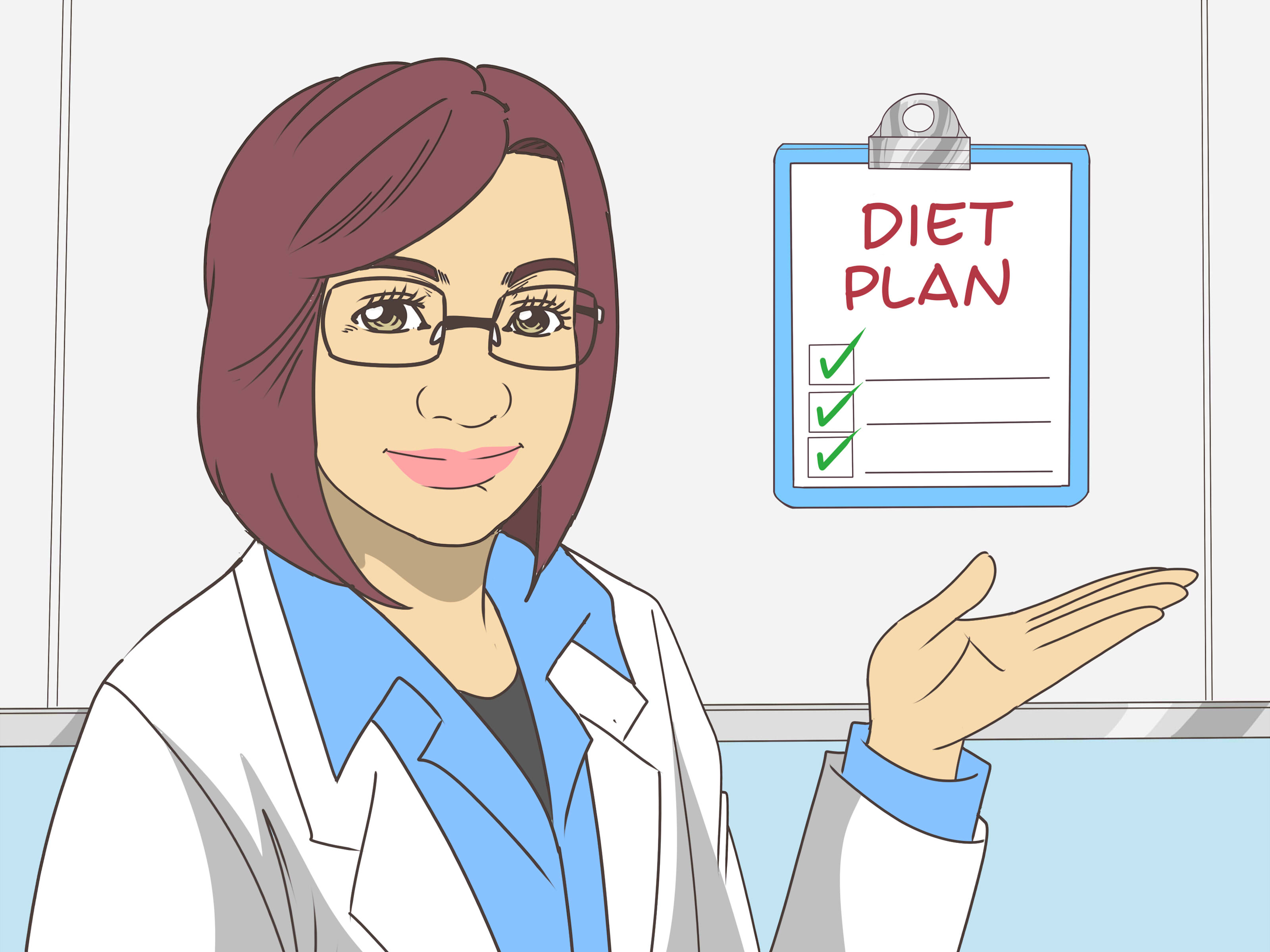
- Get help from a registered dietitian if your food list keeps shrinking.
- Treat breathing trouble, throat swelling, fainting, or fast-worsening symptoms as urgent.
What Not to Do
When you are trying to reduce histamine in your body, there are a few common mistakes worth avoiding.
Do not go ultra-restrictive too fast. A severe food crackdown may leave you underfed, stressed, and convinced that blueberries are plotting against you.
Do not confuse antihistamines with a cure-all. They can help block symptoms, but they do not automatically explain why you are reacting in the first place.
Do not assume every symptom after eating is histamine. Food allergy, food intolerance, migraine triggers, reflux, IBS, celiac disease, and anxiety can all complicate the story.
Do not ignore emergencies. Trouble breathing, throat swelling, fainting, confusion, severe wheezing, or a rapidly escalating reaction needs urgent medical attention.
When to See a Doctor Sooner Rather Than Later
Make an appointment if symptoms are recurring, confusing, or interfering with everyday life. That includes repeated flushing, hives, nasal symptoms after meals, headaches that seem meal-related, ongoing digestive distress, or reactions that feel inconsistent but persistent. Bring your food diary, medication list, supplement list, and a plain-language timeline of what happens. A good clinical conversation beats six months of random internet fear every single time.
Seek urgent care right away for breathing trouble, throat or tongue swelling, light-headedness, fainting, severe wheezing, or rapidly worsening whole-body symptoms. That is not the moment for “let me see what a forum says.” That is the moment for real medical care.
Real-World Experiences: What People Often Notice When They Start Managing Histamine Better
In real life, managing histamine rarely feels like flipping one magic switch. It usually feels more like solving a mystery with better lighting. People often begin the process convinced there is one evil food ruining everything. Then they keep a diary, simplify meals, and realize the pattern is more complicated but also more manageable.
One common experience is discovering that freshness matters more than the food itself. Someone may eat grilled chicken and rice with no problem on Monday, then have a reheated version from the same batch two days later and feel flushed, congested, or headachy. That does not mean the chicken was cursed. It means the body may tolerate a fresher version better than an older leftover version. This is one reason people often feel better when they shop more often, freeze extra portions early, and stop treating the back of the refrigerator like a retirement community for old dinners.
Another very common experience is realizing that foods combine in sneaky ways. A person may tolerate a little cheese, or a glass of wine, or a restaurant sauce on separate occasions. But stack them together on a stressful Friday night after a week of poor sleep and spring pollen, and suddenly the body starts acting like it has opinions. That can feel random until it becomes obvious. Histamine-related issues often seem less like a single trigger and more like a bucket that slowly fills. Once the bucket spills, symptoms arrive with all the subtlety of a marching band.
People also often notice that their first instinct is too extreme. They cut out fifteen foods, feel overwhelmed, get anxious around meals, and end up eating a tiny menu that is nutritionally shaky and emotionally exhausting. Then, with better guidance, they switch to a calmer approach: identify the biggest suspects, keep meals balanced, eat enough calories and protein, and reintroduce foods carefully. That approach is usually more sustainable. It is also more honest. The goal is not to eat like a frightened Victorian child forever. The goal is to learn what your body handles well and what tends to push it too far.
Some people discover that their problem is not mainly dietary at all. Their symptoms track closely with seasonal allergies, dust exposure, or untreated rhinitis. Once they use the right allergy treatment, the food drama quiets down. Others find the opposite: their seasonal allergies are manageable, but alcohol, processed meat, and restaurant leftovers are their personal villains. Both experiences are valid. The point is that patterns matter more than trendy rules.
There is also a mental shift that happens when people stop asking, “What food do I need to fear?” and start asking, “What pattern helps me feel normal most of the time?” That question leads to much better decisions. It leads to fresher meals, simpler ingredient lists, more attention to timing and portions, smarter medication use, and fewer panic-driven diet experiments. It also makes everyday life easier. You can go to dinner, choose the simpler dish, skip the obvious triggers for that moment, and move on without turning the menu into an emotional crisis.
That is probably the most useful real-world lesson of all: improvement often comes from boring consistency, not heroic restriction. People feel better when they lower the obvious histamine burden, track symptoms honestly, and get medical help when the picture is messy. Not glamorous. Very effective. The body loves a balanced routine far more than it loves internet drama.
Conclusion
If you want to reduce histamine in your body, the simplest approach is also the smartest: eat fresher food, track your personal triggers, and use the right treatment for the right symptoms. That strategy respects how histamine actually works and avoids the two big traps in this topic: pretending histamine explains everything, or pretending food restriction solves everything.
The best results usually come from reducing histamine load, not chasing perfection. Start with obvious suspects like aged, fermented, processed, and long-stored foods. Keep a diary instead of guessing. Reintroduce thoughtfully. Use antihistamines carefully when appropriate. And if your symptoms are severe, inconsistent, or scary, get evaluated instead of self-diagnosing from your lunch plate.
Histamine management should help you live better, not fear dinner more. That is the whole mission. Less chaos, more clarity, and ideally fewer moments where your body treats a leftover sandwich like a hostile takeover.