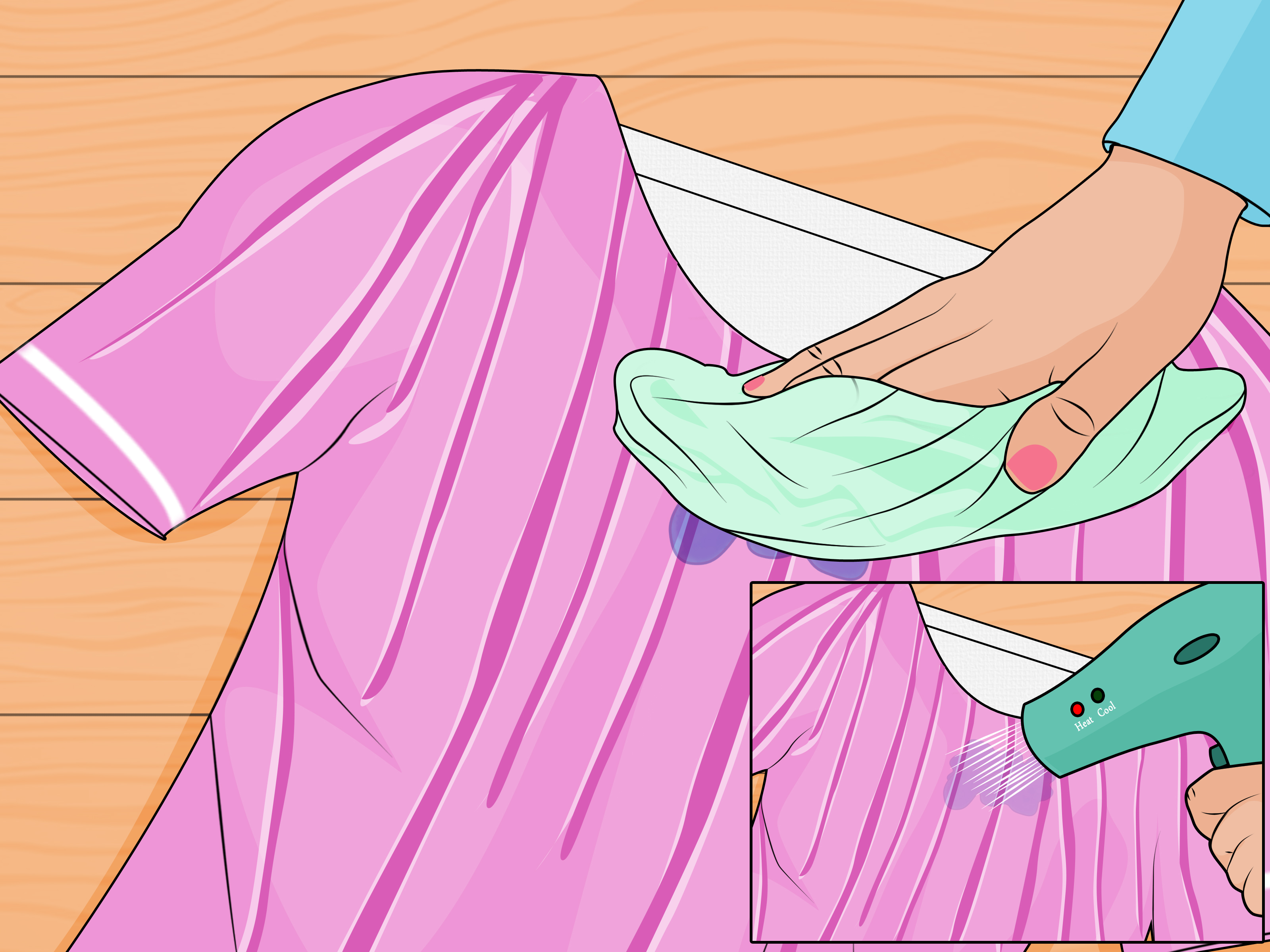
A pen stain on a silk dress can make your heart stop faster than realizing your phone is at 2% battery with no charger in sight. The good news: a tiny blue or black mark does not automatically mean your dress has been promoted to “at-home loungewear.” The less-good news: silk is dramatic. It does not appreciate panic scrubbing, mystery sprays, hot water, or aggressive cleaning chemistry.
Removing pen ink from silk requires patience, light hands, and the willingness to quit while you are ahead. Unlike cotton T-shirts, silk can develop water rings, lose dye, or become dull if it is treated too enthusiastically. The goal is not to throw every household cleaner at the stain like a tiny laundry gladiator. The goal is to lift as much ink as possible while protecting the fabric’s color, sheen, and smooth texture.
Why Pen Ink Is So Tricky on Silk
Silk is a natural protein fiber, which means it needs gentler treatment than many everyday fabrics. It can react badly to bleach, strong alkaline cleaners, hot water, vigorous rubbing, and powerful solvents. Even when the ink disappears, careless stain removal can leave behind a faded patch, a roughened surface, or a water mark that announces itself from across the room.
Pen ink is also not one single thing. Ballpoint ink is often oil-based and may respond to controlled alcohol treatment. Gel ink can contain pigments and dyes that behave differently. Felt-tip and permanent-marker stains can be especially stubborn. Before you begin, try to identify what made the mark. A quick ballpoint swipe is very different from a gel pen leak that decided to reenact a crime scene in your handbag.
The three rules that matter most are simple: act quickly, blot instead of rub, and test every product on a hidden area before it touches the visible stain.
Before You Start: Build a Silk-Safe Stain Removal Setup
Do not begin by squeezing cleaner directly onto the dress. Prepare your work area first. Silk rewards calm preparation and punishes improvisation.
Gather These Supplies
- White paper towels or a clean white cotton towel
- A white lint-free cloth
- Cotton swabs
- Cool distilled water
- A mild detergent made for silk, wool, or delicate fabrics
- Plain isopropyl rubbing alcohol, only for a carefully tested spot treatment
- A clean flat surface with good lighting
Do These Things First
- Lay the silk dress flat with the stained area facing down on top of white paper towels.
- Place fresh towels underneath the spot so they can absorb ink as it transfers out of the fabric.
- Blot any wet ink gently with a dry white cloth. Do not rub, twist, scrape, or use a toothbrush.
- Test the cleaning method on an inside hem, seam allowance, or hidden section first.
- Wait until the test spot dries completely before deciding whether the product is safe for the dress.
If the test area changes color, develops a ring, feels stiff, loses shine, or looks even slightly offended, stop. Silk is not being dramatic; it is giving you useful feedback.
Method 1: Use Rubbing Alcohol for a Fresh Ballpoint Ink Stain
For a small, fresh ballpoint pen stain, rubbing alcohol can help dissolve and transfer the ink. This method is best for a simple ink mark on washable silk, not for a dry-clean-only gown, a printed silk dress, or a large ink spill that looks like it has its own ZIP code.
What You Will Need
- Isopropyl rubbing alcohol
- Cotton swabs
- White paper towels
- A white lint-free cloth
- Cool distilled water
How to Remove Ink from Silk with Rubbing Alcohol
- Place the stained part of the dress face down on a stack of white paper towels.
- Dip a cotton swab lightly into rubbing alcohol. It should be damp, not dripping.
- Test the alcohol on a hidden seam and let it dry fully. Do not skip this step, even if you are late for dinner, a wedding, or an emotional spiral.
- Once the test is safe, dab the back of the ink stain gently with the damp swab.
- Work from the outside edge of the stain toward the center so the ink does not spread into a larger halo.
- Let the paper towels beneath the dress absorb the dissolved ink. Replace them often as they pick up color.
- Use a fresh swab frequently. Reusing a blue-stained swab is just giving the ink a return ticket.
- When no more ink transfers, lightly press the treated spot with a cloth dampened with cool distilled water to remove lingering alcohol.
- Blot dry with a clean towel and let the dress air dry flat, away from sunlight and heat.
Do not soak the fabric in alcohol. Do not pour alcohol directly onto the silk. A little controlled dabbing is useful; turning the dress into a science experiment is not.
Method 2: Try Mild Detergent and Cool Water for Light or Water-Based Ink
If the stain is very fresh, faint, or appears to be water-based ink, a gentle silk-safe detergent solution may be enough to reduce it. This method is also useful after alcohol treatment has lifted most of the ink but left a pale shadow behind.
What You Will Need
- Cool distilled water
- A mild detergent formulated for silk or delicate fabrics
- A white cloth
- White paper towels
- A clean dry towel
How to Use a Gentle Detergent Solution
- Mix one cup of cool distilled water with a few drops of silk-safe detergent.
- Place white paper towels underneath the stained area.
- Dip a white cloth into the solution, then wring it out well. The cloth should be barely damp.
- Tap the stained area gently, working from the outer edge toward the center.
- Pause after several dabs and check whether ink is transferring onto the towel below.
- Use another clean cloth dampened only with cool distilled water to remove detergent residue.
- Press the area gently with a dry towel. Do not wring or twist the dress.
- Lay the dress flat on a towel and allow it to air dry naturally.
This is a slow method, and that is exactly the point. Silk responds better to several gentle passes than one forceful attempt. If the stain becomes lighter but does not disappear, resist the urge to scrub harder. Stop, let the dress dry, and reassess it in natural light.
When This Method Works Best
Use this approach for tiny fresh marks, light gel ink residue, or stains that have already been partially lifted. It is not the best choice for a large ballpoint leak, permanent marker, dried black ink, or a stain that has already gone through heat.
Method 3: Take the Dress to a Professional Cleaner
Yes, this counts as a real method. In fact, for many silk dresses, it is the smartest one. Professional cleaners have access to fabric-specific solvents and spotting tools that are not lurking under your bathroom sink next to the toothpaste and expired sunscreen.
Take Silk to a Cleaner Immediately If:
- The care label says “Dry Clean Only.”
- The dress is expensive, vintage, sentimental, or difficult to replace.
- The silk has prints, embroidery, beading, sequins, lace, pleats, or multiple layers.
- The ink stain is larger than a coin.
- The stain has dried, spread, or gone through a dryer cycle.
- The fabric changes color during your hidden-spot test.
- The ink came from a permanent marker, fountain pen, gel pen, or unknown source.
What to Tell the Cleaner
Do not simply hand over the dress and say, “There is a stain somewhere.” Point out the exact location and explain what caused it. Tell the cleaner whether it was ballpoint ink, gel ink, marker ink, or an unknown pen. Mention anything you already used on the spot, including water, detergent, rubbing alcohol, hairspray, or stain remover.
The sooner you bring the dress in, the better the odds. Ink becomes harder to remove when it sits, oxidizes, spreads, or gets heated. A professional cleaner cannot reverse every stain, but they have a much better chance when the silk has not been through five online hacks and a panic rinse.
What Not to Use on a Silk Dress
The internet is full of stain-removal advice that works beautifully on denim, cotton, towels, or an old sweatshirt you wear only while painting. Silk is not that garment. Avoid these common mistakes:
Skip These Products and Habits
- Chlorine bleach: It can damage silk fibers and cause discoloration.
- Oxygen bleach: Do not assume “color-safe” means silk-safe.
- Hydrogen peroxide: It may lighten dyes and leave uneven fading.
- Ammonia: It is too harsh for delicate silk fibers.
- Acetone or nail polish remover: It can damage dyes, finishes, and delicate fabric construction.
- Hairspray: Modern formulas often leave sticky residue and may not contain enough alcohol to help.
- Toothpaste, baking soda, or salt scrubs: These can create abrasion and make silk look dull.
- Hot water: It can set stains and increase the risk of water marks or shrinkage.
- A dryer, iron, or high-heat hair dryer: Heat can make an ink stain far more difficult to remove.
White vinegar is sometimes suggested for laundry stains, but it is not a universal ink remover and should not be your first move on silk. Even a mild product can cause dye changes or a ring if applied unevenly. When the dress matters, restraint is often the most luxurious cleaning tool you own.
How to Prevent a Water Ring After Spot Cleaning Silk
Sometimes the ink fades, but a pale ring appears around the treated area. This happens because silk can dry unevenly, especially on satin, charmeuse, or darker colors. The best prevention is to use as little liquid as possible and avoid saturating a tiny section of the dress.
When you spot clean, always use a barely damp cloth rather than pouring liquid directly on the silk. Work gently and evenly. After treatment, blot the area with a dry towel and let the garment dry flat. Do not hang it dripping wet, do not place it in direct sunlight, and do not blast it with heat in hopes of speeding things up.
If a water ring appears, do not keep adding more products. Take the dress to a professional cleaner. A small ring is usually easier for a cleaner to address than a large, repeatedly soaked patch with several layers of cleaning residue.
Frequently Asked Questions About Ink Stains on Silk
Can I use hand sanitizer to remove ink from silk?
It is not the best choice. Hand sanitizer may contain alcohol, but it can also include fragrance, moisturizers, gel ingredients, or dyes that leave residue on silk. Plain rubbing alcohol is easier to control, but it should still be tested on a hidden area first.
Can I wash the entire silk dress after spot treating it?
Only if the care label says the dress is washable. Use cool water, a detergent designed for delicate fabrics, and very gentle handling. Never machine wash a silk dress unless the label specifically permits it.
What if the pen ink stain has already dried?
Dried ink is more difficult, but not always permanent. Start with a small hidden-spot test using the alcohol method. If little or no ink transfers, stop before damaging the silk and bring the dress to a professional cleaner.
Can I iron the dress after the stain is gone?
Wait until you are completely certain the stain is gone. If ironing is appropriate for the garment, use the lowest silk setting, place a pressing cloth between the iron and the dress, and avoid pressing directly on any recently treated spot.
Experience-Based Lessons: What Usually Happens When Ink Meets Silk
Silk ink-stain emergencies tend to follow a few familiar patterns. The details vary, but the lessons are remarkably consistent: the smallest stains are often the most salvageable, the fastest response is usually the calmest response, and over-cleaning can do more visible damage than the pen itself.
Consider the classic situation: a tiny ballpoint pen mark appears near the hem of a navy silk slip dress after someone tosses a pen into a purse without its cap. The instinct is to rub the mark immediately with a tissue. That is understandable, but it often spreads the ink along the weave and pushes it deeper into the fibers. A better response is to lay the dress flat, place absorbent white towels underneath, and use a nearly dry cotton swab to lift the ink gradually from the reverse side. This approach may feel almost too gentle to work, but controlled transfer is exactly what keeps the stain from turning into a larger blue cloud.
Another common example involves pale silk, such as champagne, ivory, blush, or soft gray. On light-colored silk, people often focus so intensely on removing the ink that they create a new problem: a visible damp ring. A small pen mark can become a large circular patch after repeated wetting. In this situation, using the least amount of liquid matters more than using the strongest product. Gentle dabbing with a barely damp cloth, followed by air drying on a flat towel, is safer than flooding the spot with water or detergent.
Then there is the “I tried everything” scenario. The dress has already been treated with hairspray, dish soap, stain spray, perfume, hand sanitizer, and perhaps a little frantic rubbing with a makeup wipe. By the time it reaches a professional cleaner, the original ink stain may be mixed with residues from several products. This does not mean the dress is ruined, but it makes the cleaner’s job harder. One of the best real-world lessons is that fewer products usually produce better results on silk.
Dark silk can create a different kind of anxiety. Black, emerald, burgundy, navy, and deep purple dresses can hide the initial ink mark well, but they may reveal faded spots after aggressive treatment. If a hidden test causes even slight color transfer onto the cotton swab, that is your signal to stop. Removing a faint ink line is not worth creating a permanent pale patch that looks like a tiny spotlight follows you around the room.
There is also a major difference between a normal pen and a permanent marker. A small blue ballpoint mark may respond to careful alcohol blotting. Permanent marker, fountain pen ink, heavily pigmented gel ink, or ink that has been heated in a dryer is much more unpredictable. In those cases, professional cleaning is not “giving up.” It is choosing the option with the best chance of protecting the dress.
The final lesson is perhaps the least exciting but most useful: do not judge the result while the fabric is wet. Silk can look darker, lighter, streaky, or temporarily dull until it dries completely. After gentle treatment, let the dress rest flat and dry naturally. Check it again in daylight. A stain that seems obvious under bathroom lighting may be nearly invisible once the silk has dried, while a water ring may only become apparent later. Patience is not glamorous, but neither is replacing a beautiful dress because a pen decided to misbehave.
Final Thoughts
A pen ink stain on silk is annoying, but it does not have to be a fashion tragedy. Start by checking the care label, blotting carefully, and using the gentlest possible treatment. For a small fresh ballpoint mark on washable silk, controlled rubbing alcohol dabbing may help. For faint or water-based residue, a silk-safe detergent solution and cool water can be useful. For dry-clean-only dresses, large stains, dried ink, or valuable garments, a professional cleaner is the safest choice.
Remember: silk responds best to gentle hands, clean white cloths, minimal moisture, and absolutely no panic scrubbing. Your dress deserves better than becoming the test subject for every cleaning hack on the internet.